

Have you ever thought that your dog's food might be causing more allergies? For busy pet parents, finding meals that are gentle on sensitive tummies is a must.
Imagine starting the day with a meal that feels as good as your favorite breakfast, energizing and free from bothersome side effects. In this guide, we’re sharing allergy-friendly meal ideas that keep your pup feeling happy and healthy.
You'll see how swapping in simple, clean ingredients can really help ease allergy symptoms and boost overall well-being. Ready to discover how delicious, worry-free nutrition can transform mealtime for your sensitive pup?
Top Allergy-Friendly Dog Food Solutions
If you’re a busy pet parent with an allergy-sensitive dog, finding the right food can really change the game. Did you know many dogs thrive on meals that cut out allergens? It’s a bit like enjoying a good breakfast that jumps-starts your day.
One expert-recommended pick is Nom Nom Fresh. This made-to-order meal comes with only a few ingredients and no preservatives at all. It works like a charm by taking the stress out of mealtime and catering to sensitive tummies.
Next, consider Wellness Simple. Picture a dry kibble made with just one protein, this helps reduce ingredient overload and makes it easier to spot foods that might bother your pet. It’s simple and keeps your dog’s belly happy.
Another solid choice is Merrick Limited Ingredient Diet, which comes in both dry and wet versions. Its balanced recipe packs in the nutrients your dog needs without any extra fillers, soothing both skin and digestion.
If your dog’s allergies need extra care, you might try a prescription diet. Royal Canin Veterinary Diets Hydrolyzed Protein uses so-called hydrolyzed soy protein (that means the proteins are broken down into tiny pieces your dog’s immune system is less likely to react to). Similarly, Purina Pro Plan Veterinary Diets offers formulas with hydrolyzed proteins for dogs of different sizes, so even the most sensitive pups can enjoy mealtime.
Each option takes a unique approach. Some are available through a subscription, while others you can pick up over the counter or with a vet’s prescription. This mix lets you choose the best allergy-friendly nutrition tailored to your dog’s needs, ensuring mealtime is both safe and delicious.
Understanding Dog Food Allergies: Causes & Symptoms

Dogs can get allergies from both what they eat and what surrounds them. Everyday things like dust, pollen, mold, or grass can trigger itchy reactions, sort of like when you catch a seasonal allergy. And sometimes, proteins in foods like beef, dairy, or wheat might upset their sensitive stomachs. So if you catch your buddy scratching more than usual or sporting red, irritated skin, it might be a sign to take a closer look.
You might notice signs like non-stop itching, ongoing ear infections, tummy troubles, or skin irritations. Imagine a day when your pup just can’t stop scratching, it could be pointing to an allergy. I remember a pet owner saying, "When my dog wouldn’t stop itching, we suspected it was his food." Spotting these signs early helps manage your pet’s discomfort.
Vets often suggest starting with an elimination diet to figure out the culprit. Basically, you remove the suspected foods for a set time and then slowly reintroduce them one by one. This approach helps reveal which ingredient is the troublemaker so you and your vet can create the best meal plan for your furry friend.
Limited-Ingredient Diets for Dogs with Allergies
Limited-ingredient diets offer a simple way to figure out what might be upsetting your pet. By sticking to only a few proteins and carbs (carbs are basic sugars or starches that give energy), these diets help make meals gentle on your pet’s tummy and soothing for their skin. Just imagine watching your dog enjoy a meal without any extra fuss, almost like the simple joy of a sunny afternoon walk.
One pet parent once shared that focusing on a single protein made it much easier to spot the food causing the trouble, and soon enough, their dog’s skin started to look healthier. Curious to see more examples and learn about products that might help your furry friend? Check out our Top Allergy-Friendly Dog Food Solutions section for all the details.
Vet-Approved Hypoallergenic & Hydrolyzed Protein Dog Foods
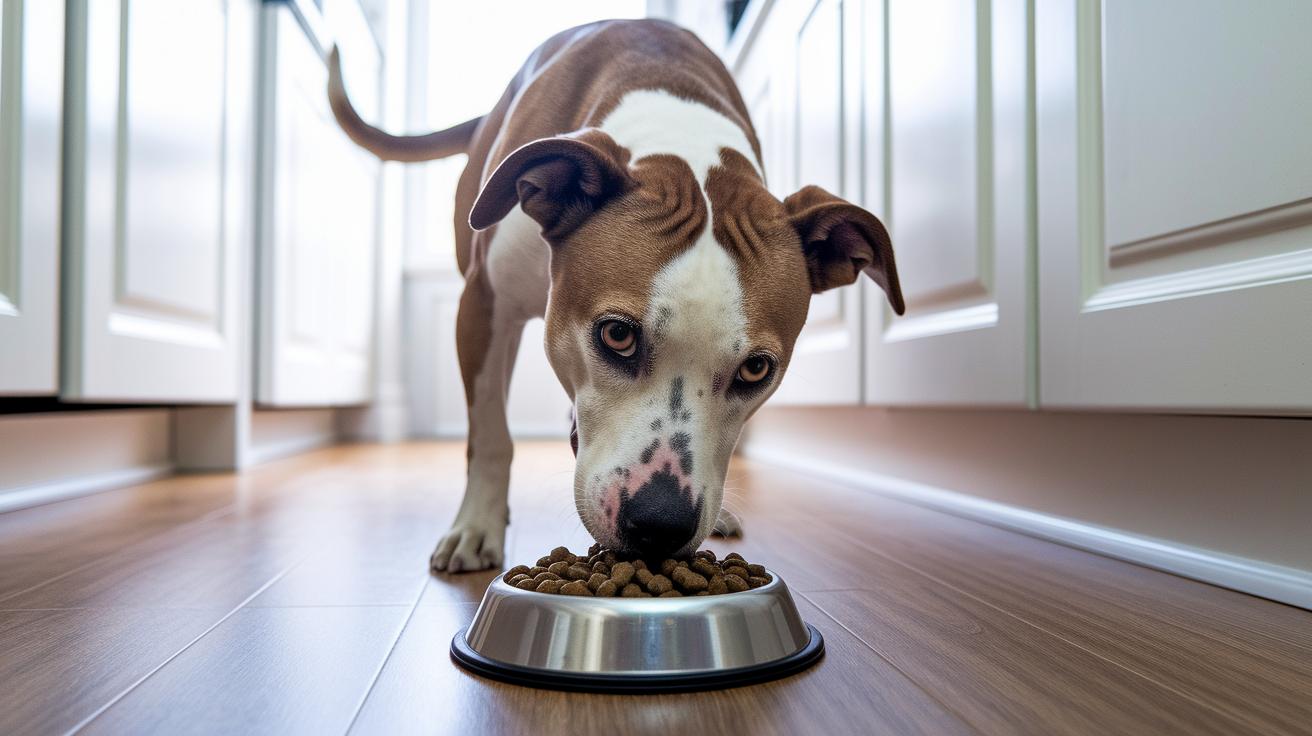
Hydrolyzed protein diets break proteins into very small pieces. Think of it like taking apart a puzzle so the pieces don’t resemble the original picture. This simple change helps your dog’s immune system ignore potential allergens.
For example, Royal Canin Veterinary Diets Hydrolyzed Protein uses a soy-based formula that’s been carefully broken down, while Purina Pro Plan Veterinary Diets offers meals with proteins cut into tiny fragments. Both brands follow AAFCO nutrient guidelines (standards to ensure balanced nutrition) and are great options for dogs with strong allergies.
Always chat with your vet when picking a new diet because every dog is unique. Your pet’s doctor can guide you to a formula that fits your dog’s allergy needs while supplying overall nutrition. Curious about how these recipes support your dog’s health? Check out Evidence-based pet nutrition recommendations.
One pet parent once said, "Switching to a hydrolyzed diet was like giving my dog a fresh start on life."
Homemade & Natural Dog Food Recipes for Allergic Dogs
Making your dog's meals at home gives you full control over what goes into their bowl. This means you can avoid common allergens and cook up dishes that really suit your pet's needs. Try using novel proteins like salmon, duck, or venison (a type of meat that rarely causes allergies) so your furry friend gets a fresh twist at mealtime. Simple carbohydrates such as sweet potato or rice offer gentle energy without upsetting a sensitive tummy. Plus, following AAFCO-based nutrient mixes makes sure your recipe covers all the vitamins and minerals your dog needs.
When you craft these meals yourself, you can also add vet-approved supplements for extra support. Maybe boost omega fatty acids for a glossy coat or mix in a multivitamin for overall health. Many pet parents have seen how switching to homemade meals not only eases digestive issues but also turns feeding time into a happy moment. Ever notice how a wagging tail makes a meal feel extra special?
Before you jump in, it’s smart to check with your veterinarian about the right portions and ingredients for your dog's specific allergies. For more recipe ideas and tips on picking the best ingredients, head over to Holistic treatment for pet allergies at https://getpetsavvy.com?p=7659.
How to Choose & Transition to Allergy-Friendly Dog Food

Start by checking your dog's food label closely. Look for unique proteins like salmon or duck, and make sure common allergens aren’t hiding in there. I once heard a pet parent say, "I learned to spot hidden wheat on labels, which really helped with my dog's skin irritation." Make sure every ingredient is something your dog can easily digest, and see that the food follows AAFCO guidelines (standards for balanced pet nutrition).
Next, consider giving an elimination diet a try for 8 to 12 weeks. This means you remove foods you think might cause problems and then add them back one by one to see how your pup reacts. Change to the new food slowly by taking about 7 to 10 days to switch, and keep a close eye on how your dog acts and digests his meals.
Also, keep in mind that small breed dogs might need smaller kibble pieces or a slight adjustment in calories. Paying attention to the details on the label and transitioning gradually can help avoid stomach upsets, letting your furry friend enjoy tasty, allergy-friendly meals.
Brand Comparison: Allergy-Friendly Dog Food Options
If your furry friend has sensitive tummies, finding the right dog food can be a game changer. Here’s a quick look at some top brands known for allergy-friendly recipes and quality meals made just for pups who need a little extra care.
| Brand | Protein | Format | Rx | Price |
|---|---|---|---|---|
| Nom Nom Fresh | Fresh | Subscription | No | $$$ |
| Wellness Simple | Single | Dry | No | $ |
| Merrick | Essential | Wet/Dry | No | $$ |
| Royal Canin | Hydrolyzed | Dry | Yes | $$$ |
| Purina Pro Plan | Hydrolyzed | Dry | Yes | $$$ |
Later on, you’ll find this table gives a clear look at what each brand offers. We list details like the protein source (for example, “Hydrolyzed” means the protein is gently broken down to be easier on your dog’s stomach), the type of food (dry or wet), whether you need a vet’s prescription (Rx), and a general price guide. Use this guide as a friendly starting point to choose the best food that fits your pup’s allergy needs and keeps those tails happily wagging.
FAQs on Dog Food Allergies & Dietary Management
-
How long will it take to see improvement?
Most pet parents notice a change in about 4 to 8 weeks after switching to meals that are gentle on the food allergies. It’s like watching a slow but steady transformation. -
How do I know if my dog’s symptoms are from food allergies rather than environmental triggers?
If you see signs like itching or tummy troubles right after meals, and those signs ease up when you cut out certain foods, then it’s pretty clear the food is the likely cause. -
Are grain-free diets safe for long-term feeding?
Grain-free diets might be a good option for some pups. Just remember, the food should still cover all essential nutrients (that means it has the right mix of vitamins, minerals, and proteins to keep your dog healthy). -
How can I be sure homemade meals meet my dog’s nutritional needs?
Stick to balanced recipes that include safe carbohydrates and quality proteins. Think of it as preparing a meal where every bite helps cover your furry friend’s nutritional bases. -
When should I seek additional veterinary advice?
If you don’t see any improvements or if new issues pop up after 8 weeks, it’s time to have a chat with your vet. Regular check-ins help keep your dog feeling great and their tummy happy.
Final Words
In the action, we explored leading dog food for dogs with allergies options, teaching you how to spot allergens and understand symptoms. We learned about limited-ingredient diets, vet-approved hydrolyzed formulas, and even homemade recipes for sensitive tummies. You got clear steps on reading labels and switching foods safely. This guide offers tips and insights to help you choose the right food that keeps your pet happy and healthy. Enjoy the process of making meal choices that bring comfort and relief to your beloved companion.
FAQ
Frequently Asked Questions
What is the best food for dogs with allergies and yeast infections?
The best food for dogs with allergies and yeast infections is one made with limited ingredients and novel proteins that help reduce irritation. Options range from prescription hydrolyzed formulas to non-prescription limited ingredient diets.
What food is good for dogs with itchy skin?
Food good for dogs with itchy skin typically features simple recipes with novel proteins and few additives to ease itching, support skin healing, and promote overall health.
What human food is good for dogs with allergies?
Suitable human food for dogs with allergies includes plain, cooked lean proteins like chicken or turkey and simple carbohydrates like rice. Always consult your vet before adding these to your pet’s diet.
What is the most common dog food allergy?
The most common food allergy in dogs often involves proteins such as beef, dairy, or wheat, which can cause skin irritation and digestive upset in sensitive pups.
How can homemade food help dogs with skin allergies?
Homemade food for dogs with skin allergies lets you control ingredients by using safe proteins and carbohydrates, reducing exposure to allergens and allowing you to better manage your pet’s irritation.
Are non-prescription dog foods available for managing allergies?
Non-prescription options are available for managing dog allergies. These diets use limited ingredients and single protein sources to reduce allergic reactions and can be a good starting point under your vet’s advice.