
Good food handling at home rarely depends on expensive equipment, and most of it comes down to repeatable habits. A busy kitchen can hide small risks, such as a cloth used on several surfaces or leftovers left out while the table is cleared. Learning a few routines helps keep meals fresh and the household comfortable. The guidance here is general information about everyday kitchen care. It is not a substitute for official food safety guidance in your area, which you should check when it matters.
Keeping Cold Foods Cold in the Fridge
Set the fridge to a cool temperature that keeps perishable foods firm, and check the setting once in a while. Avoid overfilling the shelves, since air needs to circulate for the cooling to work evenly. Store raw meat and fish on the lowest shelf, in a container that catches drips. Place dairy and cooked leftovers on the middle shelves, where temperatures are most stable. Readers may also want to visit Colourpop. Keep the door closed as much as possible, and take out only the items you need at each visit. Keep a simple list of what is inside, so you can reach for the right item without searching the shelves.
Separating Raw Meat From Ready-to-Eat Items
Cross contamination happens when juices or residues move from raw food to food that will not be cooked. Use separate chopping boards for raw meat, fish, and fresh produce, and label them if that helps. Wash knives and boards in hot, soapy water after handling raw items, then rinse and dry them. Keep raw packaging away from salads, bread, and fruit when shopping and unpacking. Wipe the sink and counters after preparing raw food, rather than letting residue dry on the surface. You can also visit newsupdatesnow.com for more reading. Review the card together once in a while, since shared habits work best when everyone understands them.
Washing Hands and Surfaces Between Tasks
Clean hands are one of the simplest tools in any kitchen. Wash your hands with warm water and soap before starting, after handling raw food, and after touching the bin. Use a fresh cloth or paper towel for each surface, and replace it when it becomes damp or stained. For a related read on this site, see Keeping Household Paperwork Private and Out of Reach. Give kitchen towels a regular wash, and avoid using the same one for hands and dishes. Let surfaces dry naturally where possible, because a damp cloth can keep moisture on the counter. Wash the cloths after each cooking session, so they never become a source of problems.
Checking Dates and Discarding Doubtful Food
Use-by and best-before labels exist to help households plan, so read them before cooking. Follow the label on perishable food strictly, and do not rely on smell alone to judge freshness. Rotate items so older packets move to the front of the shelf and get used first. Discard food with broken packaging, unusual texture, or a strange smell rather than risking a meal. Keep a small list on the fridge door for items that need using up soon. Clean out the fridge once a week, and wipe spills as soon as they happen. Put the oldest items at the front of the shelf during every clean, so nothing is forgotten.
Storing Leftovers in Shallow Containers
Leftovers cool more quickly when they are spread into shallow containers rather than left in a deep pot. Allow hot food to cool for a short period, then move it into the fridge without delay. Label containers with the contents and the day they were prepared, using a simple marker. Use the leftovers within a sensible time, and freeze any portions you will not eat soon. Reheat food until it is steaming hot throughout, and avoid reheating the same portion repeatedly. Keep dry storage containers sealed, and store them away from heat sources and direct sunlight. Clear labels make it easy to spot anything that has been in the cupboard too long.
Stopping Pests From Reaching Dry Goods
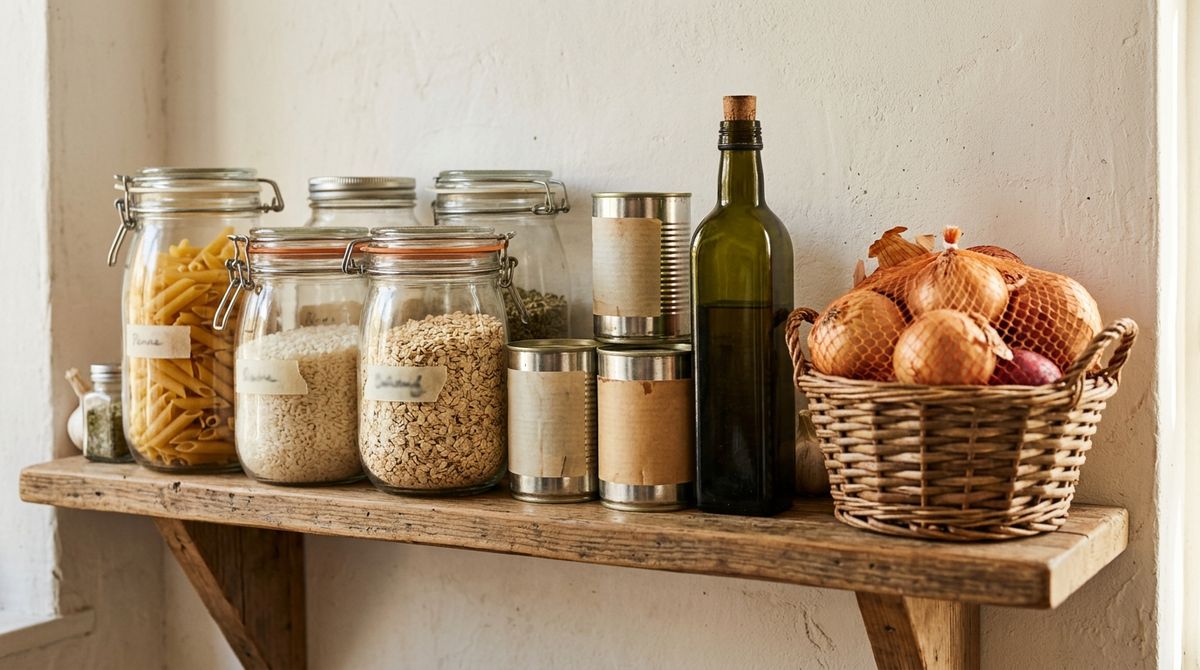
Flour, rice, pasta, and cereal can attract small insects when packets are left open. Transfer opened dry goods into airtight containers with clear labels that show what they hold. Check the cupboards regularly for signs of webbing, holes in packaging, or small moving specks. Wipe up crumbs and spills at once, since they become a meal for pests. Keep the bin lidded and empty it often, especially after preparing food. Store fresh produce and bread in a cool, dry place, away from the sink and dishwasher. Check the storage area each season, since humidity and temperatures can shift over time.
Small Routines Keep the Kitchen Calm
Food safety at home grows from steady routines rather than dramatic changes. A clean fridge, separate boards, and sensible storage cover most daily needs. Keep the habits simple, and they will become second nature. A calm kitchen is one where the basics are already handled.