
A well-stocked pantry can make weeknight cooking feel relaxed rather than rushed. Good storage helps food stay fresh, reduces waste and shows at a glance what needs to be used. The organizers below are simple and affordable, and most of them work in a small kitchen. The sections explain what to buy, how to arrange it and what can safely be skipped.
Home cooks often buy in bulk, shop with a plan and then lose track of what is hiding in the back of a shelf. A small set of containers, labels and bins can fix that quickly. The approach here is practical rather than decorative, so it suits busy households. Even a narrow cupboard can benefit from careful arrangement.
Clear Containers for Dry Goods
Clear containers with tight lids keep flour, rice, pasta and oats fresh and visible. Choose a few sizes so the largest bags can be decanted without overflowing. Stack containers by height and keep the most-used items at eye level. Wipe the lids regularly so dust does not gather in the seals.
Readers may also want to visit itvnews24.com. Keep the original packaging with its date code in a drawer for reference. Transfer only what you will use within a few months. Good containers reduce waste because you can see what is running low.
Flour and sugar pick up odors quickly, so keep them away from strong spices. Wipe the outside of each container before refilling it, since fine powder can cling to rims. A small scoop kept inside each container prevents the lid from becoming a dumping ground. Clean containers also make it easier to spot pests early. Replace any lid that no longer seals.
Labels and Rotation
Labels turn a shelf into a system. Write the item name and the date of purchase on masking tape or a removable label. Place newer items at the back and older ones at the front so they get used first. A simple rotation habit keeps the pantry honest without a long review.
You can also visit venturecake.com for more reading. Keep a small notepad by the shelf for quick updates. Review the labels during the weekly shopping check. A little attention each week prevents forgotten packets from turning into waste.
Spice Storage
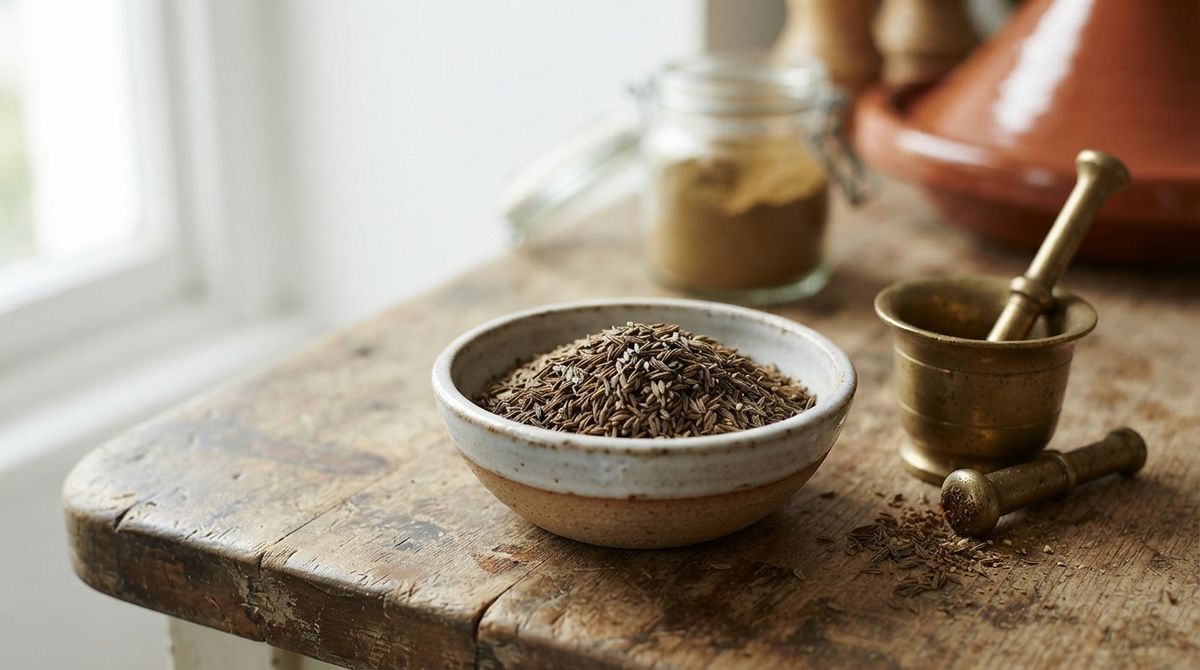
Spices lose strength when exposed to heat, light and moisture. Store them in small jars with tight lids and keep them away from the stove. A narrow drawer or a tiered rack lets you see each jar at a glance. Label the jars with the name and the month you opened them.
For a related read on this site, see Building a Handbag Rotation for Work and Weekends. Buy whole spices when possible and grind them as needed. Avoid storing spices in a hot cupboard above the oven. Organized spices make recipes feel easier to start.
Whole nutmeg, cinnamon sticks and peppercorns keep their character longer than ground versions. A small grater or grinder on the counter makes fresh flavor easy. Store the grinder in the drawer beside the jars so it is never far away. Fresh spice is one of the simplest upgrades a home cook can make. Start with the spices used most often.
Fridge Bins and Drawers
Clear bins in the fridge keep similar items together, such as sauces, snacks and leftovers. Place a bin for ready-to-eat foods on the top shelf and raw items lower down. Use a drawer for vegetables and check its humidity setting if your fridge has one. Shallow trays help you spot items that need eating soon.
Set a weekly reminder to clear out containers that have gone past their best. Put leftovers in clearly labeled boxes with the date written on the lid. Keep the door shelves for condiments that are used often. A tidy fridge reduces the mystery jars that tend to disappear into the back.
A bin near the fridge can hold cans, jars and bottles that need a steady spot. Label the bin with the same system as the shelves. Move items into the main pantry when the bin fills up. This keeps the kitchen flow simple for everyone who cooks. Check the bin for dents or leaks each week.
Gadgets to Skip
Some kitchen organizers look clever but add clutter. Multi-tier turntables that barely fit a shelf often collect dust, and single-purpose gadgets rarely earn their keep. Stick to containers that stack, labels that stick and bins that slide. Measure your space before buying anything large.
Avoid buying a set of matching jars just for appearance, since mismatched containers can work just as well. Replace bulky racks with simple shelf liners if the shelves are sturdy. Spend the money on fresh ingredients instead of decorative props. A practical pantry serves the cook better than a showroom display.
Keep the Pantry Working
Empty the shelves once a season, wipe them down and return only what you use. Check dates, restock staples and move the older packets to the front. A calm, organized pantry turns everyday cooking into a simpler routine.