
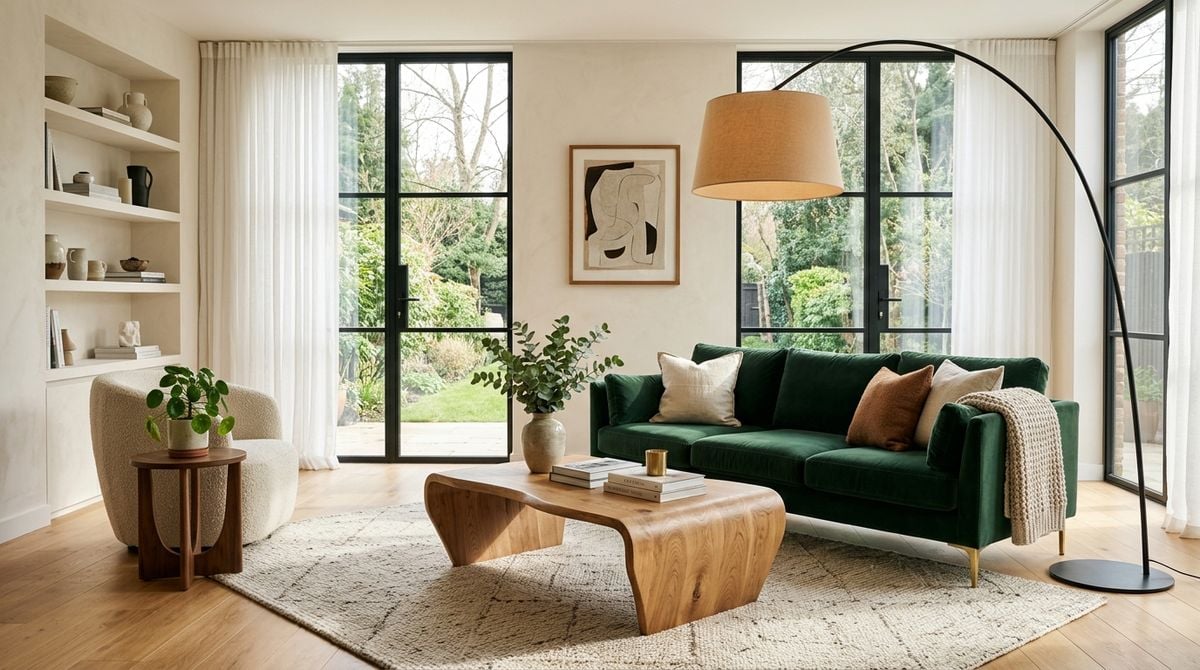
A cozy evening spent watching a good movie at home should feel like an effortless pause in a busy week. Too often, however, what starts as an easy plan turns into aimless scrolling through streaming menus, hunting for misplaced remotes, and realizing halfway through that no one has a drink or a blanket within arm’s reach. The relaxing atmosphere begins to fade before the opening credits have finished rolling.
Establishing a dependable home screening routine does not require high-end audio gear or a dedicated media room. Instead, it comes down to small, repeatable preparations that remove friction and keep everyone comfortable. When you organize your living room for casual viewing, simplify how you choose titles, and prepare refreshments in advance, your living space transforms into a welcoming retreat for household members and visiting guests alike.
Deciding on the Feature Before Turning on the Television
The quickest way to drain energy from a shared gathering is collective browsing. Sitting together while cycling through endless rows of digital cover art invites indecision, debate, and mental fatigue. By the time an agreeable selection is finally found, attention spans have already begun to wander. The easiest way to preserve excitement is to select what you plan to watch well before anyone sits down on the sofa.
One practical strategy is rotating the selection duty among family members or regular guests. Giving a single person full authority for the night eliminates drawn-out negotiations and encourages everyone to explore genres they might not otherwise choose. Alternatively, households can establish predictable theme nights centered on particular directors, vintage eras, or specific moods that match the changing seasons.
When your group has recently enjoyed a particular story and wants something with an identical tempo or energy, look to curated discovery resources rather than relying on automated streaming recommendations. Exploring categorized companion lists on Similar Times allows you to discover titles sharing the exact pacing, tone, and character dynamics of films your household already appreciates. Finding dependable companion watches ahead of time keeps the gathering centered on experiencing the story rather than debating the options.
Arranging the Space for Comfort and Easy Movement
Physical comfort during a full-length feature depends heavily on practical seating and room layout. Before the show begins, walk through your living room from the perspective of an audience member settling in with a warm beverage and a snack plate. Make sure every seating position has straightforward access to a stable surface, whether that is a shared coffee table, a narrow side stand, or a firm wooden tray balanced on an ottoman.
Lighting sets the atmosphere long before the main title sequence begins. Bright overhead fixtures cause unwanted screen glare and visual fatigue, while total darkness can make reaching for food clumsy and disorienting. Aim for soft, warm accent lighting placed well away from the television display. Small table lamps with warm bulbs or shaded floor fixtures keep the room restful while preserving safe walkways throughout the living area.
Room temperature is another subtle factor that can disrupt a long viewing session. Keep a collection of clean, soft throw blankets rolled neatly inside a storage basket right next to the couch. This provides guests with an effortless way to adjust their personal comfort as needed without having to pause playback or adjust the central thermostat during a pivotal scene.
Keeping Refreshments Simple and Low Maintenance
A sensible movie night menu always prioritizes convenience over elaborate dining. Foods that require formal utensils, multiple courses, or frequent kitchen attention take you away from the screen and create piles of dishware. Simple finger foods, room-temperature savory snacks, and shareable appetizer platters allow everyone to graze quietly without interrupting the story.
If you are welcoming a larger group of neighbors or extended family for an entertaining double feature, planning your portions accurately ensures that everyone remains satisfied without generating excessive leftovers. Reviewing straightforward methods for scaling recipes for a crowd helps you prepare balanced quantities of baked dips, sheet-pan appetizers, and party snacks with ease, allowing you to relax alongside your company rather than hovering near the kitchen counter.
A reliable snack arrangement works best when organized into distinct, self-service zones that anyone can comfortably navigate under subdued lighting:
- Set out a beverage station with sturdy coasters, glassware, and an insulated carafe of cold water so refills do not require journeys to the kitchen.
- Divide popcorn, spiced nuts, and pretzels into individual serving containers rather than one large central bowl to prevent awkward reaching across seating.
- Keep cloth napkins and a small waste basket within easy reach of the primary seats to collect wrappers and fruit peels immediately.
- Present sweet items and dessert bites in covered dishes that can be brought out midway through the screening as a refreshing treat.
Managing Intermissions and Casual Conversation
For lengthy productions or multi-part series, introducing a brief intermission at the midpoint creates a welcome break in the evening. A designated pause gives everyone a moment to stretch their legs, visit the restroom, and discuss the plot without talking over dialogue. It also prevents the stiffness that often comes from sitting still for hours at a time.
While household members take a breather, having a few interesting talking points on hand can encourage relaxed social interaction before the lights go down again. Checking amusing real-life oddities or inspiring global features on bajiroo.com provides an easy source of fun discussion prompts, lighthearted stories, and curious tidbits that brighten the mood during a break. These pleasant conversational topics keep the living room vibrant and cheerful between serious drama sequences.
A quick pause is also the ideal moment to reset the physical room. Gathering empty tumblers, restocking snack bowls, and smoothing couch cushions takes only a moment during a planned break. Staying ahead of small messes keeps the living area organized and ensures you will not face an intimidating cleanup after the closing scene concludes.
Closing Down the Evening Without Midnight Chores
The conclusion of a good film should mark the beginning of restful sleep, not an unwelcome round of late-night domestic chores. When the credits begin to roll, take a brief moment together to return dishes to the sink, place empty containers into the recycling bin, and fold throw blankets back into their basket. Addressing these simple tasks immediately prevents clutter from settling into the furniture overnight.
Switching off electronic displays and resetting your seating area before heading to bed ensures your home remains orderly for the morning ahead. Waking up to an inviting, clutter-free room reinforces the restorative value of your leisure time, ensuring your home movie night feels like a true weekend treat rather than an added household chore.
Establishing an intentional home entertainment routine brings structure and genuine enjoyment to everyday downtime. By selecting what to watch ahead of time, staging the space for effortless relaxation, and simplifying hospitality, you create an enduring ritual that brings household members together with minimal fuss.