
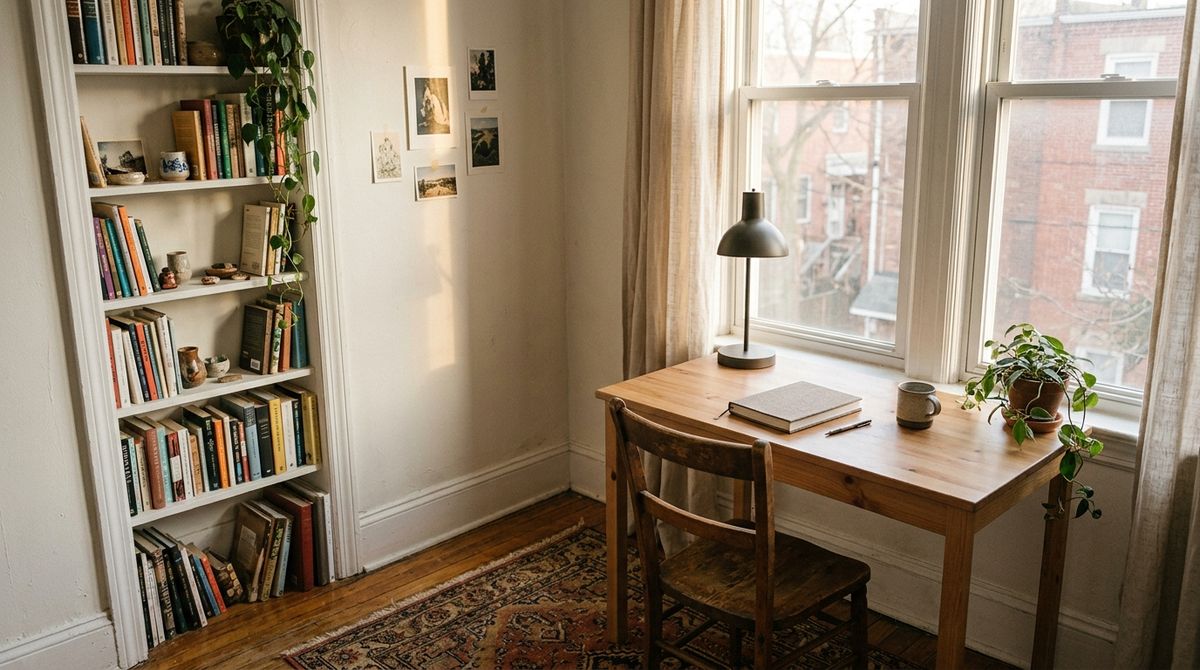
A tutor who comes to the home for the first time often pays attention to the study space. The desk, the lighting and the availability of supplies can shape how well a child focuses during lessons. A thoughtful setup helps the tutor begin with a clear picture of how learning happens at home.
This guide covers the features that matter most, the simple supplies that help and the way to share the routine with a visiting tutor. It is general information about home learning, not educational assessment. Each family can adjust these ideas to fit the child’s age, interests and needs.
Lighting and Seating
Good light is the first detail most tutors notice. Position the desk near a window or add a steady lamp that shines onto the work surface without glare. The chair should support posture and sit at a height that allows feet to rest flat. A comfortable setup encourages longer focus and makes the first lesson feel welcoming rather than rushed.
Keep the area free of distractions such as loud devices or piles of unrelated toys. A clean surface and a single organized basket for pencils and paper help the child start quickly. Readers may also want to visit teamvodkamartini.net.
Supplies and Shelves
Stock the study corner with the basics: pencils, erasers, rulers, notebooks and a reliable clock or timer. Store books on a low shelf so the child can reach them without help. Label each container with a word or picture, so tidying up becomes a simple routine rather than a chore. A tutor will appreciate finding everything within arm’s reach.
Keep a folder of current school materials, such as worksheets and reading lists, near the desk. A visitor can see at once what the child is working on. You can also visit entre-chefs.com for more reading.
Quiet and Routine
A tutor notices how the home supports focus. Choose a time of day when the house is calm and let others know the study period is starting. A small sign on the door or a soft signal can help family members respect the lesson. Predictable routines make it easier for a child to settle in and show what they know. For a related read on this site, see Home Service Contract Terms Decoded.
Offer a brief tour of the routine at the start of the visit. Explain when homework happens, how breaks are scheduled and who helps with questions.
Safety and Comfort
Check that cables are tucked away, that outlets are not overloaded and that the floor is clear of trip hazards. Keep a first aid kit in the house and know where it is. A visiting tutor will feel reassured by a space that looks safe and well cared for. Comfort matters too, so keep water nearby and offer a short stretch break during longer sessions.
Think about the study room’s temperature and air. A room that is too warm or stuffy can make concentration harder, while a cool, fresh space often feels more alert. Open a window for a few minutes before the lesson, and adjust the heating or a fan to keep the air comfortable. Position the chair so the child can look out at the room without distraction. Small comforts like these help the child settle quickly and show a visiting tutor that the environment has been considered.
Keep the noise level manageable as well. A small rug, a set of soft pads under chair legs or a closed door can soften sounds from elsewhere in the house. Ask family members to keep the television and music low during study time, and explain the reason in simple words. A quieter room lets the tutor and child talk clearly, which is the foundation of a productive lesson.
Plan a comfortable place for the tutor to sit as well. A second chair near the desk, with space for a bag and a notebook, shows thoughtful hosting. Offer a glass of water or a cup of tea, and point out the restroom and the way out so the visit feels smooth from the start.
Check the room before each session. Clear the desk, return stray items to their baskets and make sure the supplies are stocked. A consistent reset gives the child a clear signal that it is time to learn, and it keeps the study corner ready for the next visit without extra effort. Those small rituals make the space feel like a welcoming place to learn.
A Space That Invites Learning
A study corner does not need to be fancy to be effective. Good light, sensible supplies and a calm routine tell a visiting tutor that the child has a real place to learn. Refresh the setup as the child grows, and keep the conversation with the tutor open. When learning feels welcome at home, progress often follows naturally.