
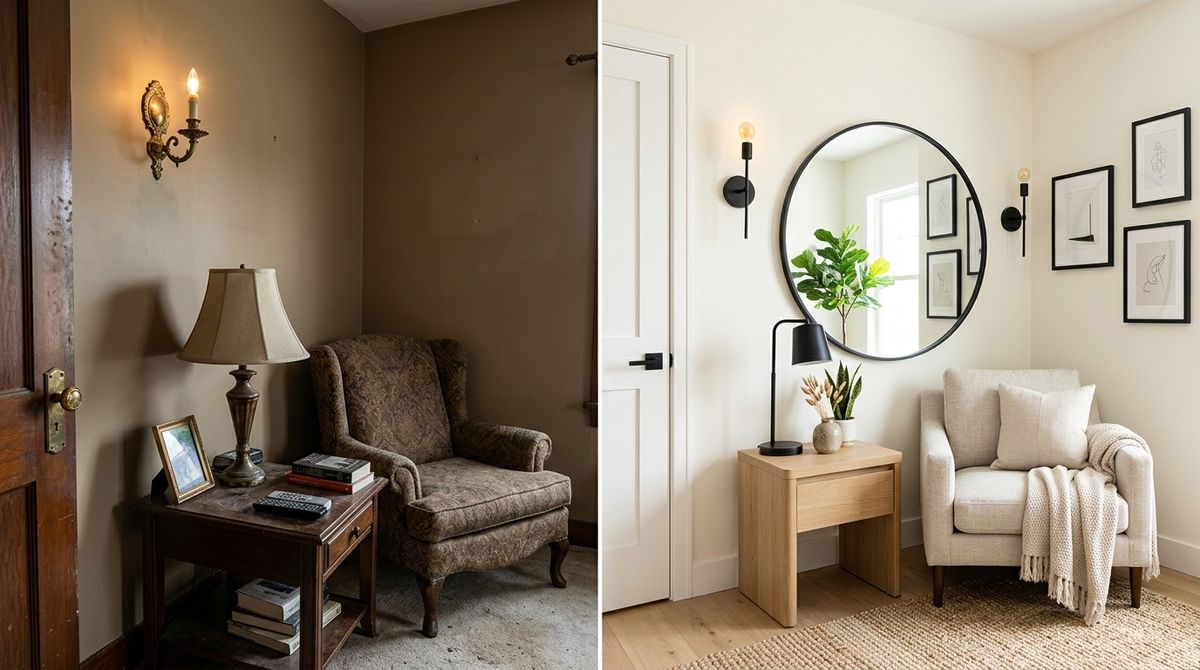
Renting a home or sharing a house can feel calm for months, then shift quietly into friction over a damp patch, a loud neighbor or a repair that never arrives. Many of the first signs are not written in any document at all. They show up in what you see on the walls, what you hear through the floor and what you feel when you open a window. This general guide describes the senses worth checking, so you can notice early changes and organize your thoughts before a conversation gets heated.
Nothing here replaces advice from a qualified professional about your own situation. The goal is simply to notice patterns while they are still small and easy to describe. A clear sensory record can also make a later discussion with a landlord, roommate or building manager much more focused. Calm observation tends to work better than a rushed reaction.
Looking at Walls, Corners and Fixtures
Start with a slow walk through the home, paying close attention to the corners of each room. Dark spots, bubbling paint or a faint tide line along the baseboard can point to moisture that needs a closer look. Check window frames and door edges for cracks, gaps or sticky seams that did not exist before. Photograph anything that stands out, along with the date, so the record stays accurate.
Fixtures often reveal problems that the walls hide. Run each tap, flush each toilet and flip each switch to see whether it responds normally. A light that flickers, a cabinet door that drops out of line or a drawer that jams can all signal a wider issue. Note how often the fault appears, since an occasional glitch and a constant one call for different responses.
Keep a simple written list of what you saw and where you saw it. Readers may also want to visit DecoratorAdvice. A short list kept in one place makes it easier to compare conditions across several visits.
Listening for Noise and Neighbor Patterns
Sound tells a steady story about how a building is treated day by day. A thump from above at the same hour each evening, a television that shakes the shared wall or a door that slams late at night all deserve notes. Listen with the windows closed and then open, because the difference often shows whether the noise comes from inside the building or from outside traffic. Keep the times in your notes rather than relying on memory.
Pay attention to the quiet sounds as well. A hum from an old appliance, a trickle of water inside a wall or a faint buzz from wiring can point to a maintenance need. These sounds are easy to dismiss, yet they often grow louder when the weather changes. Writing them down early can save a lot of confusion later.
Shared houses bring their own noise patterns, from late gaming sessions to early alarms. You can also visit bestdualfuelgenerator.com for more reading. Then check whether the sounds you hear match what was agreed. Patterns that repeat across weeks matter more than a single loud night. A few honest notes will do more good than a heated message sent in the moment.
Feeling for Drafts, Damp and Wear
Touch can confirm what your eyes and ears suspect. Place a hand near window seals, door frames and vents to feel for cold drafts that slip through even when everything looks closed. Press a fingertip gently on a dim wall, and note whether it feels cool, soft or unusually damp. For a related read on this site, see Telling If a Home Study Corner Is Working. A musty smell combined with a cold, clammy surface deserves a second look.
Floors and stairs also carry useful clues. Walk each room with bare feet or slippers and feel for soft, bouncy or uneven patches under the surface. A board that gives under pressure or a tile that rocks may need attention before someone trips. Mention these spots early, because quick fixes are much simpler than large repairs that wait for months.
Be honest about wear that comes from ordinary living. Scuffs, faded paint and tired carpet are normal after a few years, and they should be recorded separately from damage. Clear notes help everyone agree on what has changed and what has always been there. That separation keeps conversations fair and focused on real problems.
Noticing When Paperwork and Daily Life Disagree
Sometimes the senses reveal a gap between what was promised and what actually happens at home. A repair marked as finished may still leak, or a quiet hour agreed on paper may be ignored every week. Compare your sensory notes with any written terms you have, such as a lease summary or a house rules sheet. Look for matches and mismatches, then mark them clearly.
When the gap appears, describe what you observed without guessing at motives. Say which room, what time and what you saw, heard or felt. A calm summary is easier for the other side to hear, and it gives a clear starting point for the next step. If the issue continues, a qualified professional can explain the options that fit your situation.
Keeping this habit over time helps protect everyone’s peace of mind. A few minutes of checking each month can uncover small problems before they grow expensive or stressful. Your notes also become a useful memory when the lease renews or a new roommate moves in. Careful observation is a quiet way to take care of a home you share.