
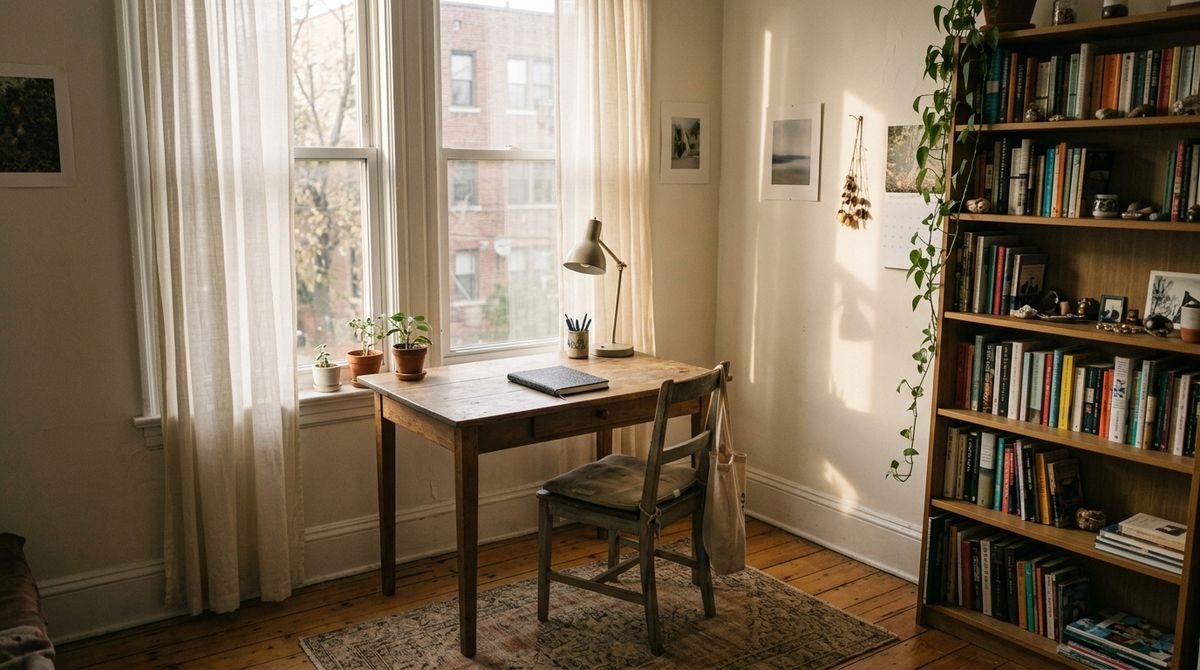
A study corner at home can be a quiet launch pad for learning, or it can become a pile of papers and a constant source of frustration. The difference often shows up in small details, like the glare on a screen, the sound of the street outside or the way a chair presses into the back. Parents and students can judge the space with the senses rather than guessing. A few careful observations can lead to changes that make a real difference.
Good study spaces support focus without feeling like a classroom. They offer enough room for books and devices, a calm backdrop and a comfortable seat for long stretches of reading or writing. The trouble is that many corners are created in a hurry, with whatever furniture was available. This article walks through simple ways to inspect the setup and improve it over time.
Looking at Light and Layout
Start with light. Sit in the study chair at the time of day when homework usually happens and look at the page or screen. Glare from a window or a shiny surface can cause squinting, while a dim corner forces the eyes to work harder. A lamp placed to the side of the work area often balances brightness and reduces shadows across the paper. Notice how the light changes during the afternoon and adjust the setup as needed.
Readers may also want to visit casaindecor.com. These materials describe simple layouts, storage systems and screen placement tips that suit a range of ages. Choose the ideas that match the room’s size and the student’s habits, and try them for a week before making permanent changes. A trial period shows what truly helps.
Listening for Focus and Distraction
Sound is a reliable indicator of focus. Stand outside the study corner and listen for the level of noise coming from the kitchen, the television or the street. A steady hum can be calming for some students, while sudden sounds may break concentration every few minutes. Ask the student which noises are most distracting and listen to how they describe the day. Those answers can guide decisions about rugs, curtains or a door that closes.
You can also visit cordlessdrillhub.com for more reading. A short routine, like a particular song or a small timer, helps the household respect the space. Quiet sessions also work better when family members agree on what counts as a helpful interruption and what can wait until a break.
Feeling Comfort and Posture
Comfort shapes how long a student can stay focused. Sit in the chair for a few minutes and notice whether the feet rest flat, the back feels supported and the wrists can reach the work surface easily. For a related read on this site, see Naming a Home Craft Business: Filing Alone or.
Feel the temperature and air in the room, too. A corner that is stuffy, drafty or too warm can drain energy quickly, especially in the late afternoon. Open a window for fresh air when it is pleasant, or move the desk away from a vent. A small fan or a cozy throw can make a real difference. The goal is a space that feels welcoming enough to return to each day.
Adjusting the Space Over Time
Adjusting the space over time keeps it useful as needs change. A younger student may need a larger work surface and more storage for supplies, while an older student may need a sturdier desk for a laptop and a quiet place for online lessons. Revisit the corner every few months, walk through it with the student and ask what feels right now. Small changes, made thoughtfully, keep the space working well.
Storage deserves its own check. A desk that is covered in loose papers invites distraction, while a simple box, a shelf or a labeled tray helps a student find what is needed without a hunt. Look at how far the most-used items are from the chair and whether the pencil case, calculator and notebooks sit within easy reach. Keep the space clear at the end of each session so the next one begins fresh. Some families also add a small plant or a favorite picture to make the space feel personal. A quiet corner also helps siblings understand when the space is in use. Small routines that begin and end the session help the corner feel dependable. A calm, organized setup supports steady progress over many weeks.
A study corner is most effective when it fits the person using it. Looking at the light, listening to the level of focus and feeling the comfort of the seat all reveal what needs attention. With steady observation and a willingness to adjust, a modest corner can become a dependable place for learning, reading and quiet thought. The student’s own feedback remains the best guide to what works.