

Have you ever noticed how a small, quick reward can make your pet's day? Research tells us that giving a treat or kind word right after a good behavior can boost learning by almost 90%.
Think of it like this: when you offer your pet their favorite toy, a tasty bite, or a burst of praise immediately after they do something right, it helps them learn the connection between the action and the reward.
It’s pretty neat how this simple timing trick can turn everyday moments into clear, fun experiences that brighten their day and deepen the love between you two.
Positive Reinforcement Framework: Advanced Training Protocols for Pets
Advanced positive reinforcement is all about giving your pet a little treat, kind words, or a favorite toy right at the moment they do something you love. It’s like sharing a quick high-five that makes both of you smile. Research shows that when you reward them immediately, say, right after they sit, it can boost their learning by up to 90%! Have you ever noticed how a quick pat on the head can brighten your pet’s day?
The magic of this method comes from a few simple steps working in harmony. First, figure out the specific behavior you'd like to encourage. Next, pick a reward that makes your pet’s eyes light up (something they can’t resist). Then, make sure to deliver that reward within a second of the action. Keeping it consistent helps your pet make a solid connection between their behavior and the reward. And once things are going well, slowly make the tasks a bit more challenging to keep the fun and growth going.
This approach stands out because it steers clear of old-school methods that might rely on delayed treats or even mild punishments. By ensuring that your reward is both timely and consistent, you create an environment where your pet clearly understands what’s expected. Studies show that a fast reward leads to quicker and happier learning, while even a tiny delay can leave both you and your furry friend a bit confused.
Precision Timing Techniques in Positive Reinforcement for Pets
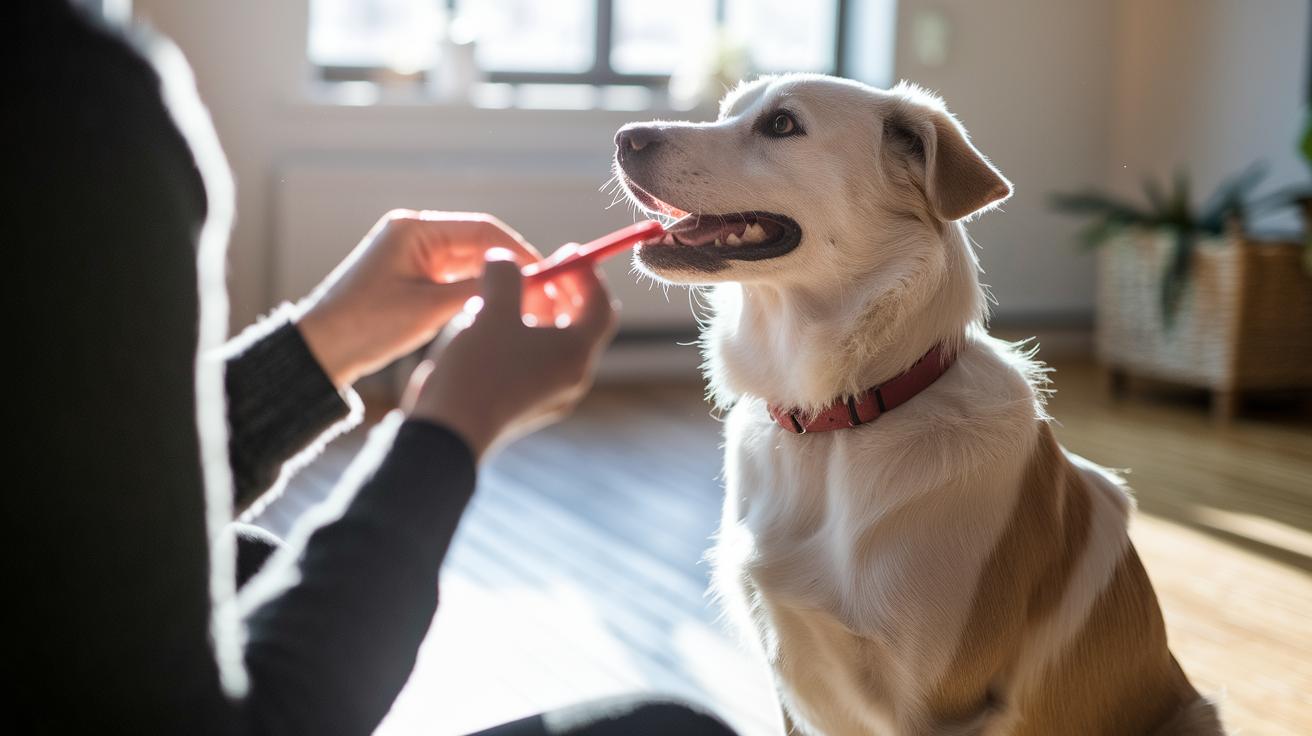
When training your pet, timing is everything. Imagine your dog sits and you immediately click and offer a treat. That quick response, less than a second later, tells your pet, "Great job!" Studies show that when rewards come in under 0.5 seconds, pets link the sound to their action up to 90% of the time. This sharp timing makes every training moment clear and fun, keeping your furry friend excited to learn more.
Calibrating cues is about making sure your pet really understands you. Try using little changes in your voice or a simple hand signal to match different commands. For example, a soft tone when calling your pet versus a firmer one when asking for a sit can nicely guide their response. Adding a clicker into the mix helps train your pet even more. Each click signals a correct move, smoothing out the learning curve and making training a joyful bonding experience.
Reward-Centric Shaping and Clicker Techniques in Pet Reinforcement
Training your pet with timely rewards is a fun and effective way to guide their behavior. Think of using a little clicker as giving your pet a friendly nudge that says, "Good job!" That distinct sound lets your pet know exactly when they've done something right, making learning quicker and deepening the bond you share.
Clicker Training Process
When you train with a clicker, start by marking the behavior right as it happens. That clear click acts as a signal, letting your pet know that a treat or kind word is coming their way. With practice, your pet learns to connect the sound with positive rewards. Before long, you can gradually move away from using the clicker, relying more on gentle verbal cues as your pet gets the hang of things.
Shaping Through Successive Approximations
Shaping means breaking a big behavior into small, manageable steps. Picture teaching your pet to fetch by applauding every little movement in the right direction. Every small step is rewarded, and step by step, your pet builds a complete skill set. Research shows that following a clear, multi-step process can boost your pet's learning by up to 40%. And to keep things lively, mix it up with praise, varied treats, and their favorite toys. This not only keeps training fresh and fun but also makes every session a delightful adventure for your furry friend.
Progressive Scheduling and Incentive Methodology in Pet Reinforcement

When starting a new trick with your pet, begin with continuous reinforcement. Every time your pet gets it right, they receive an immediate treat or kind word. This instant reward helps them quickly understand that their action is the right one.
As your pet gains confidence, switch to a fixed schedule. That means giving a treat after a set number of correct responses, sort of like a mini celebration each time. Then, mix things up with a variable schedule where rewards come at unexpected times. This surprise element can boost your pet’s response speed by about 30%, keeping things fresh and exciting.
Once your pet consistently shows the behavior, it’s time to gradually reduce the treats, a strategy we call feed-forward reduction. Slowly lowering how often you give treats encourages your pet to perform the behavior because they love doing it, not just for the treats. Even though rewards become less frequent, a few occasional treats ensure that the learned behavior stays strong without creating too much dependency.
By carefully balancing fixed rewards with a few random treats, you help your pet build lasting habits. This friendly, step-by-step approach makes it easier for your furry friend to keep shining every time you work together.
Species-Specific Positive Reinforcement Strategies for Dogs, Cats, and Beyond
Using rewards that fit your pet's personality can make training feel like a fun game. When you tailor your approach, a happy dog gets excited with kind words and treats, and a curious cat might light up even more with a surprising new snack. It all comes down to picking what works best for each species so you can enjoy moments of learning together.
| Species | Primary Reinforcer | Ideal Schedule | Reward Window |
|---|---|---|---|
| Dogs | Social praise & treats | VR3 | <1 s |
| Cats | Treats & clicker | FI5 | <1 s |
| Small Mammals | Food pellets | VI2 | <0.5 s |
| Birds | Seeds & vocal praise | VR5 | <0.5 s |
These simple yet effective strategies remind us that every pet learns in a unique way. For instance, dogs can hit up to 80% obedience when they get a mix of friendly encouragement and yummy treats. Cats often perk up when a tasty reward pairs with a clicker sound and maybe a bit of catnip for extra excitement. Small mammals need a super short, almost instant reward to help them understand the trick right away, and birds enjoy the thrill of unexpected treats on a varied schedule. In truth, these custom approaches make every training session a chance to share joyful moments and create a stronger bond with your furry or feathered friend.
Behavioral Outcome Assessment and Troubleshooting in Positive Reinforcement for Pets

Measuring how well your pet is learning is all about clear goals and helpful tools. For example, you might track things like how quickly your pet responds, how many mistakes they make, and even how long they take to react. It’s a bit like keeping score in a fun game. One friendly goal could be for your pet to follow a command correctly 80% of the time from 10 feet away in two weeks. Keeping a training log lets you jot down tips and achievements, while video recordings might show you tiny signals that you could miss in the moment. And using a timer with your clicker app makes sure every treat lands at just the right time.
Sometimes plans don’t go perfectly. Inconsistent cues can leave your pet puzzled, and handing out too many treats might slow down progress. You might notice your pet stops improving even though you’re working hard with them. Catching these challenges early helps you adjust little things, so training stays effective and fun for both of you.
When it comes to solving these hiccups, a step-by-step plan works best. First, check if your reward schedule needs a tweak, maybe treats are too delayed or too frequent. Next, try slowly increasing the challenge of tasks to keep your pet interested without feeling overwhelmed. Then, switch up your rewards sometimes, a favorite toy, kind words, or a tasty treat can all keep the excitement going. Taking it one step at a time helps smooth out the bumps and makes for happy, productive training sessions.
Final Words
In the action, we reviewed a framework that uses reward signals, precise timing, and clicker techniques to guide your pet’s behavior. We broke down training methods from basic reward structure through species-specific schedules and troubleshooting tips.
This article shows how advanced positive reinforcement strategies for pets create a nurturing environment where learning happens naturally. Enjoy each training session as a step toward stronger bonds and happier moments with your furry family.