
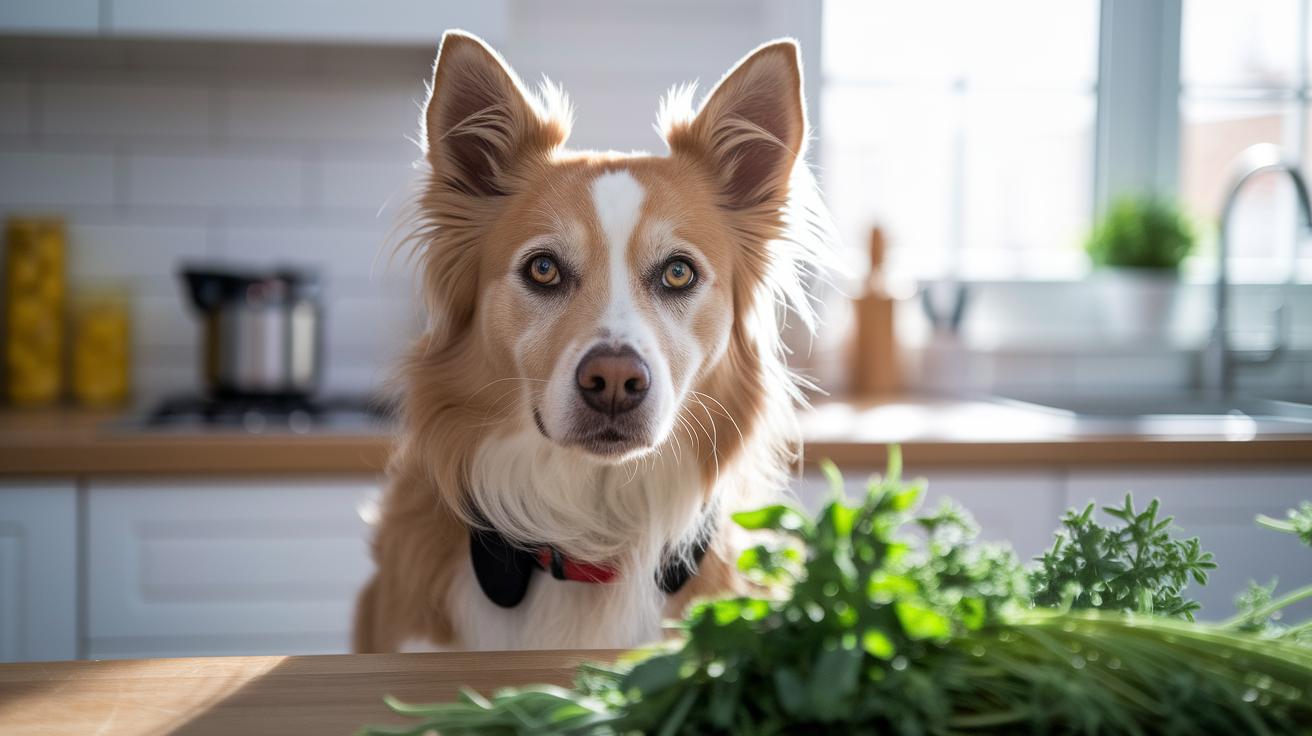
Have you ever wondered if nature might be the secret to your pet’s comfort? Alternative pet medicine offers our furry friends a kinder way to heal, caring for both their bodies and their spirits. Brighter Pet Healing believes that simple fixes like herbal extracts (plant-based treatments), gentle massages, or even clean needle work can help ease pain without resorting to harsh drugs. This guide walks you through a warm, caring approach to natural treatments, backed by studies and made just for everyday pet care, so you feel confident about your pet’s health every step of the way.
Core Principles of an Alternative Pet Medicine Guide
Alternative pet medicine offers a warm and caring way to treat our furry pals by looking at the whole pet, body and feelings. In plain terms, it steps in when traditional treatments might not cover every need and aims to nurture both physical and emotional well-being. Imagine natural remedies, like plant extracts or gentle massages, easing your pet’s stiffness instead of immediately relying on stronger drugs. Many studies back these natural methods, making it a favorite for long-term comfort.
Here are some common treatments you might hear about:
- Acupuncture: Tiny, clean needles are used to help the pet’s body heal naturally at special points.
- Chiropractic: Soft, careful adjustments work to ease muscle or joint discomfort.
- Hydrotherapy: Picture your pet enjoying a gentle water exercise that builds strength without strain.
- Naturopathy: This method uses a healthy diet and natural remedies (simple, plant-based treatments) to boost overall wellness.
- Rehabilitative Therapy: Hands-on techniques, like a soothing massage, help bring back mobility and comfort.
Before you try any of these treatments, it helps to think of it like starting a new adventure. Chat with your vet to learn which natural methods might be safe and a good fit for your pet. Your vet can guide you in choosing the right mix, and a quick peek at pet insurance might show what’s covered.
By blending familiar treatments with nature’s own remedies, this approach lets pet parents feel confident about caring for their companions. It’s all about keeping dosage, your pet’s unique needs, and any other medications in check, so you know you’re giving your pet the very best care.
Herbal Remedies for Companion Animals in Your Alternative Pet Medicine Guide

Herbal remedies bring a gentle way to boost your pet’s health using the very best nature has to offer. This approach, called phytotherapy (using plants to help your pet), can soothe issues like anxiety, pain, swelling, and tummy troubles. It works together with your pet’s natural healing abilities to bring comfort and relief.
Safety is always our top concern when it comes to herbs. It's a smart idea to talk with a pet health expert about the right amounts before you start, since natural treatments can mix with regular meds if not handled properly. For instance, turmeric is often used to soothe inflammation, making it a go-to for pets with achy joints. Chamomile is known for calming a nervous pet, and milk thistle helps support liver health by clearing out toxins.
Always have a chat with a specialist in animal herbal therapies before trying out a new remedy. A professional will help you decide on the correct dose and timing based on your pet’s size, age, and overall health. Starting small and watching how your pet responds is a great way to introduce these natural, organic treatments. Adding these botanical solutions can bring a fresh, natural element to your pet’s care routine while helping them stay balanced and happy.
Acupuncture and Acupressure Techniques in Alternative Pet Medicine Guide
Acupuncture involves gently placing tiny, sterile needles at specific spots on your pet’s body to kick-start natural healing. This soft method can help ease pain, calm swelling, and even soothe arthritis signs in both dogs and cats. Usually, the first session lasts about an hour so your pet can relax while the therapist carefully works through all the critical points. After that, follow-up visits are shorter, usually around 20 minutes, to help keep the benefits going.
Acupressure is a hands-on alternative that lets you or a certified practitioner apply gentle pressure to the same key spots without using needles. This approach helps maintain the positive effects between formal sessions. Working with a professional means you can be sure that every touch is safe and that your pet stays comfy and secure.
Remember, personalized care makes all the difference in your pet’s healing journey. Try some gentle acupressure at home between sessions to keep the good effects active and support your companion’s overall comfort.
Homeopathy and Personalized Pet Home Remedy Techniques

Homeopathy works by using very small amounts of natural substances to help spark your pet's own healing power. It can ease tummy troubles, soothe itchy skin, calm mood swings, and even help manage long-term issues. Instead of judging treatment by your pet's weight alone, each remedy is picked out based on the specific signs your pet shows.
A visit to a certified pet homeopath is usually the first step. They take the time to look at your pet’s overall health and decide just the right remedy to try. This way, you know the doses are safe and just right, making it easier for your pet to start feeling better naturally. With a personal plan like this, homeopathy works hand in hand with regular treatments, supporting your pet’s well-being and boosting its own healing abilities.
Relying on expert advice gives you peace of mind, knowing that every step is taken to keep things safe and effective for your furry friend.
Aromatherapy and Essential Oils in Your Alternative Pet Medicine Guide
Aromatherapy means using natural oils in fun ways, like breathing them in, rubbing them on the skin, or letting a diffuser fill the room. It’s a gentle, natural method to help calm your pet’s nerves and ease aches. For example, lavender can help soothe a pet after a long day, while a couple of drops of frankincense may ease swelling or discomfort. And chamomile might even help settle a sensitive tummy when it's used just right.
Always be careful with essential oils. They need to be mixed with a carrier (a way to dilute the oil so it isn’t too strong) because using them undiluted can be harsh, especially for cats, who are extra sensitive. It’s best to chat with your vet before you bring any new treatment into your routine.
Feel free to try different techniques. Maybe set up a diffuser in your living room or gently massage a diluted oil onto your pet’s fur to see what works best. And if you’re curious about more natural ways to ease stress, check out this tip on Calming Remedies for Dogs at the link provided.
Manual and Physical Therapies in Alternative Pet Medicine Guide
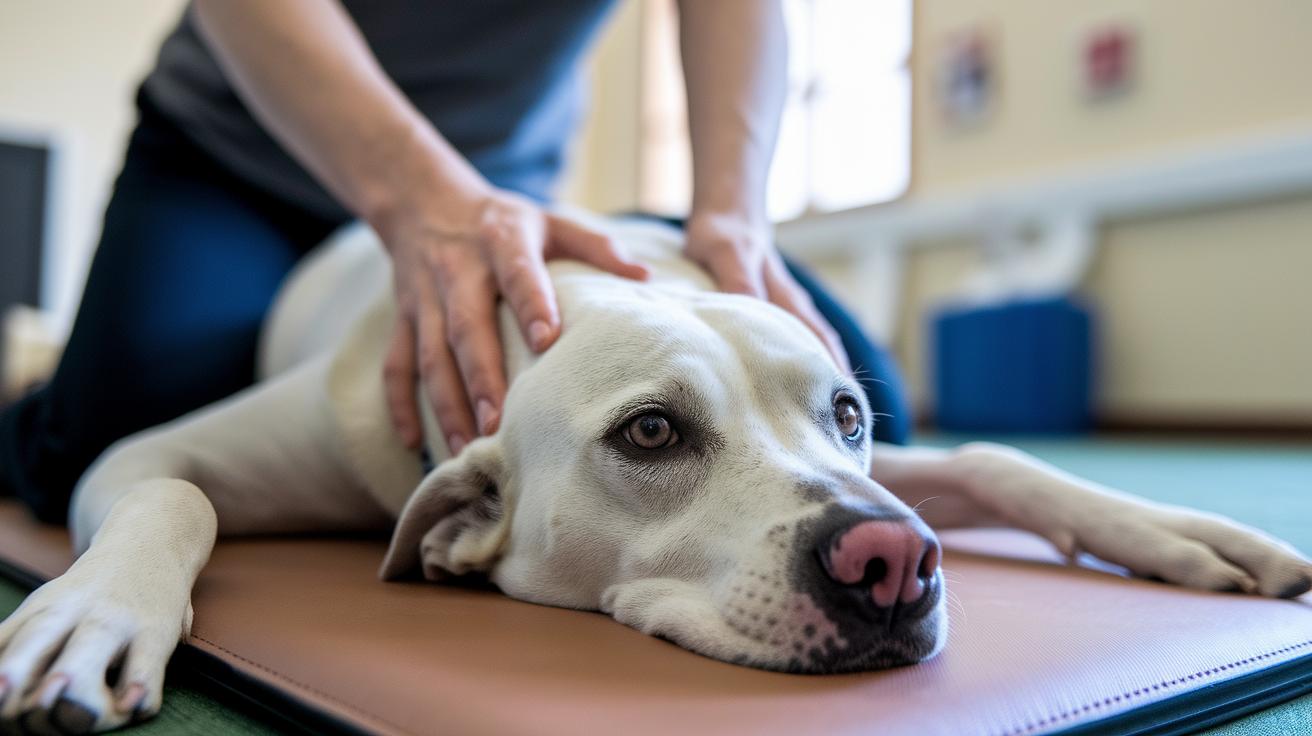
Rehab therapies mix caring, hands-on techniques to help your pet feel better. Simple methods like a soothing massage, gentle joint movement, and light stretching get the blood flowing and ease swelling. Studies show that these tips can help nerves work faster, making movement easier. Picture your pet with hip dysplasia finding relief as a steady massage eases its muscle stiffness.
Hydrotherapy is another great option. This water exercise uses water’s natural lift to build muscle strength without stressing the joints. Research shows that a little water fun can also help your pet walk smoother. Imagine your pet happily paddling in a cozy pool where the water gently cushions every step.
Even gentle chiropractic tweaks combined with osteopathy (a way to align bones and muscles) offer real benefits. These methods ease muscle tension and help nerves work better together. One review found that when these adjustments join hands with rehab exercises, pets experience less pain and find daily activities easier.
For more advice on weaving these therapies into your pet’s care plan, check out Maintaining a Preventive Pet Care Routine.
Integrative Pet Treatment Plans in an Alternative Pet Medicine Guide
Integrative pet treatment plans bring together the best of regular vet care and other gentle therapies to help your pet feel vibrant and healthy. When you visit an integrative vet, you'll get a complete health check that looks at both current concerns and your pet’s daily routine. The vet will chat about food habits, run some lab tests, and take a close look at everyday activities to get a full picture of your pet’s overall wellness.
Your pet’s treatment plan might mix steady therapies like acupuncture (tiny needles that help relieve pain), herbal remedies, and special diets enriched with natural ingredients designed to soothe discomfort. Imagine your furry friend with chronic joint pain getting extra relief through acupuncture paired with a diet full of natural anti-inflammatory foods. This thoughtful blend helps ease pain, support joint function, and boost energy day by day.
Many pet owners have seen how integrative care can improve a pet’s quality of life, especially when managing long-lasting pain and low energy. By taking care of both the symptoms and the root causes, these plans set up a lasting, positive change. You’ll work closely with your vet to create a plan that fits your pet’s unique needs, ensuring regular check-ups and tweaks along the way. This caring and balanced approach means your companion can enjoy a life that feels both comfortable and full of life.
Safety Precautions and Professional Guidelines in Alternative Pet Medicine Guide
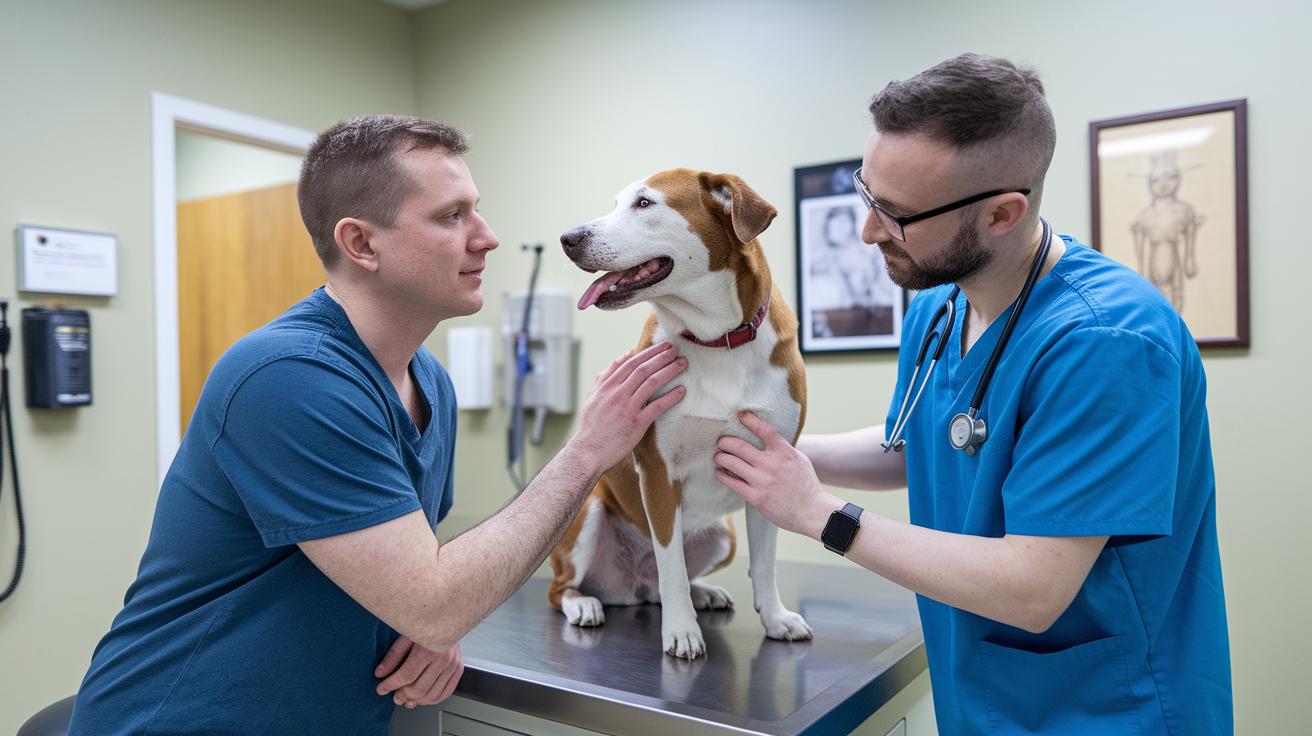
Before you try any new pet therapy, chat with your vet first. This simple step ensures the natural treatment suits your pet’s health and doesn’t clash with any other medicine. Keep a close eye on your furry friend for any odd changes. For example, if you introduce a new herbal supplement, watch to see if your pet’s behavior or appetite shifts in the next day or two. I once noticed my dog’s energy dipping just a bit after starting a supplement, and I reached out to our vet immediately.
When it comes to treatments like acupuncture or chiropractic care, it’s really important that the person giving the care has proper training. Look for someone who has finished a recognized course and commits to learning more as new research comes out. Don’t be shy about asking questions to understand how the treatment works and whether current studies back it up. By making choices based on good, scientific support, you can feel more comfortable about using these nontraditional methods. And remember, staying in touch with your vet, as well as the care provider, keeps your pet’s natural therapies safe and effective.
Final Words
In the action, we've explored innovative approaches in our alternative pet medicine guide, from herbal remedies that ease discomfort to acupuncture sessions that boost vitality. We broke down how homeopathy and aromatherapy support natural healing and offered insights into combining conventional care with holistic therapies. Pet parents get a clear look at safe, expert-guided options tailored for our furry friends. Embrace these insights to make smart, loving decisions that keep your pet happy and healthy every day.
FAQ
Q: Alternative pet medicine guide pdf
A: The alternative pet medicine guide PDF provides a clear overview of nontraditional treatments like acupuncture, herbal remedies, and manual therapies, helping pet parents make informed decisions with veterinarian guidance.
Q: Alternative pet medicine guide reddit
A: The alternative pet medicine guide on Reddit features real-life experiences and discussions where pet owners exchange tips and insights about natural treatment options and alternative care practices.
Q: Alternative pet medicine guide for cats
A: The guide for cats focuses on safe natural treatments, including acupuncture and herbal remedies, specifically addressing feline needs while stressing the importance of professional veterinary advice.
Q: Metacam alternative for cats
A: The Metacam alternative for cats outlines natural pain-relief methods such as acupuncture, herbal supplements like turmeric, and manual therapies, all recommended to be used under veterinarian supervision.
Q: 6 diseases dogs can pass to humans
A: Dogs can pass illnesses like rabies, leptospirosis, ringworm, salmonella, campylobacteriosis, and certain parasites; regular vet checks and proper hygiene help reduce these risks.
Q: Can dogs transfer skin conditions to humans
A: Dogs may transfer skin conditions like ringworm to humans if proper care isn’t taken, making routine cleaning and vet consultations vital to keep both pets and owners healthy.
Q: Medicine safe for cats
A: Medicine safe for cats includes treatments that are specifically approved by veterinarians, ensuring proper dosing and formulations fit for feline physiology, thereby protecting your cat’s well-being.
Q: Diseases from dog feces and urine
A: Dog feces and urine can carry bacteria and parasites that might cause infections; practicing safe clean-up and scheduling regular vet visits are key steps for keeping your home safe.