
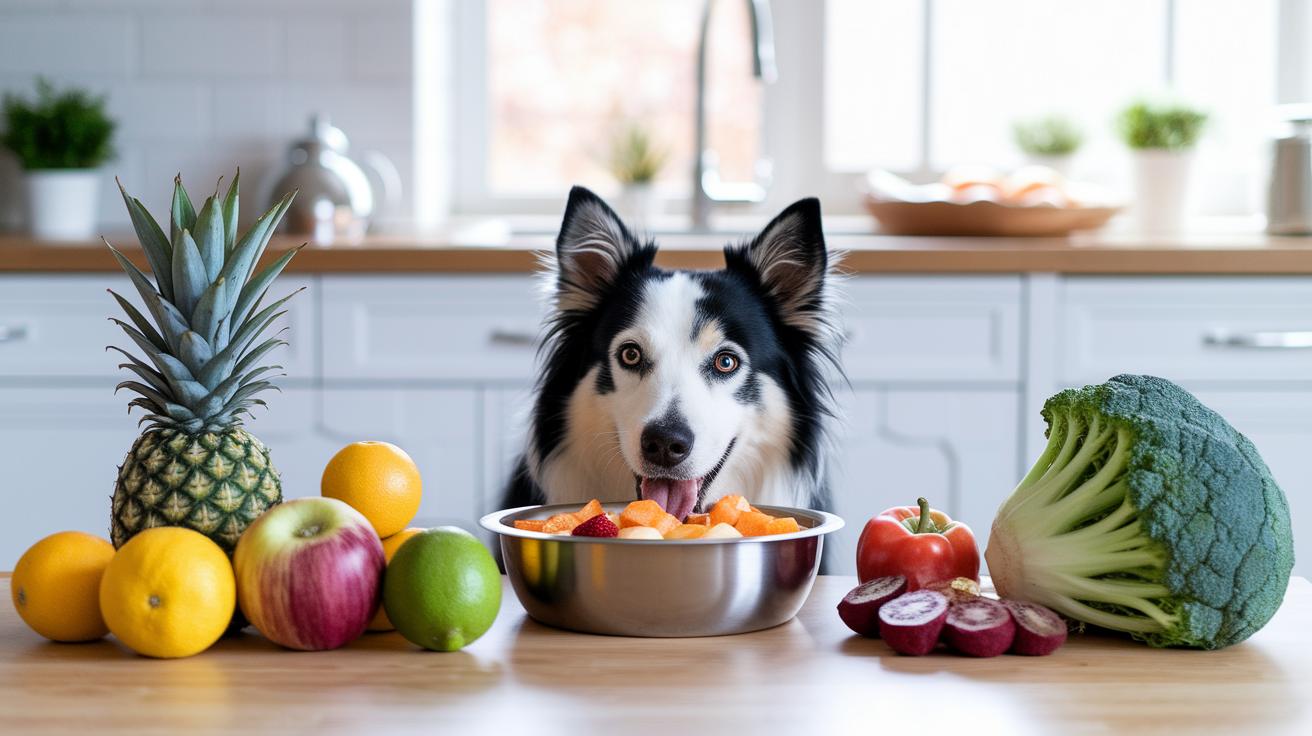
Ever wonder if your pet’s food might be affecting their mood or energy levels? A lot of new pet parents don’t realize that feeding your furry friend a natural, balanced diet (foods filled with all the right nutrients) can really help brighten their day.
This guide breaks things down into simple steps. Imagine choosing meals made with whole ingredients, just like you pick a mix of foods to boost your own energy. You’ll learn how to set up an easy routine that keeps your pet feeling happy, healthy, and full of life.
Wholesome Pet Nutrition Essentials: What Every Beginner Should Know
A natural, balanced diet is more than just filling your pet's bowl. It helps keep your furry friend cheerful and healthy. When you feed them whole ingredients, you also reduce common issues like obesity, tummy troubles, and missing nutrients. It’s a bit like eating a variety of foods yourself to feel strong and full of energy.
Starting out, it can feel tricky choosing from all the pet food options. When things seem confusing, sticking to meals made with natural ingredients makes choices much simpler and supports better feeding habits. For instance, try setting up a regular feeding routine that uses clear, basic nutrients rather than products with extra additives.
A nourishing pet diet focuses on four simple nutrient groups. Protein is key because it builds muscle and repairs tissues, imagine lean meats keeping your pet lively. Fat gives energy and helps cells stay healthy, just like the oils that keep our skin soft. Carbohydrates and fiber provide a steady burst of fuel and help keep the tummy in check. Finally, vitamins and minerals boost the immune system and support strong bones and metabolism so your pet stays balanced every day.
Key Nutrient Components in Wholesome Pet Nutrition

Our pets need special building blocks to stay active and happy. Protein, for example, helps repair muscles and tissues by offering essential amino acids (tiny helpers that mend and build). It’s like using sturdy bricks to construct a cozy home. Fat is another key player, it gives energy and makes sure cells work properly. Without enough fat, your pet might not have the energy to romp around or chase a ball.
Carbohydrates and fiber do more than just fill up the bowl; they give steady energy and help digestion run smoothly. Meanwhile, vitamins and minerals might be small, but they pack a powerful punch. They boost the immune system, strengthen bones, and keep important processes humming along. Think of these nutrients as a dedicated team where each member has a unique role that, when combined, creates a balanced meal. If you’re curious about dialing in the perfect mix, you might enjoy checking out our guide on understanding pet food macros.
| Nutrient | Role | Example Sources |
|---|---|---|
| Protein | Builds muscles and repairs tissues | Lean meats, eggs, legumes |
| Fat | Provides energy and helps cells function | Fish oil, chicken fat, plant oils |
| Carbohydrates | Offers steady energy and aids digestion | Whole grains, rice, sweet potatoes |
| Vitamins/Minerals | Boosts immunity and bone strength | Fruits, vegetables, supplements |
| Fiber | Aids digestion and keeps pets satisfied | Vegetables, whole grains, fruits |
Keeping these ingredients in balance is key for happy, energetic pets. Every meal should be like a well-loved recipe, where each element plays its part in supporting your furry friend’s overall well-being. Adjust the mix based on your pet’s breed or activity level, and you’ll have them feeling their best day after day.
Natural Ingredient Insights for Wholesome Pet Nutrition
Whole food ingredients are a gentle way to boost your pet’s health. They pack in vitamins and essential nutrients (the basics that keep your pet energetic and strong) without all the extra junk. Picture a bowl filled with bright, natural foods that not only curb hunger but also help support a strong immune system, steady energy, and smooth digestion. When you use these clean ingredients, you can relax knowing you’re caring for your pet’s overall well-being, one healthy meal at a time.
When you’re picking out wholesome foods, lean proteins like chicken, turkey, or fish are a great choice because they help build muscles and fix tissues. Whole grains such as brown rice and oats provide steady energy, while veggies like carrots, peas, and sweet potatoes add natural fiber and freshness. And a few fruits, think blueberries and pumpkin, bring a gentle sweetness along with extra vitamins. Together, these ingredients create a meal that feels homemade, natural, and truly comforting, like a dish prepared with love by a devoted pet parent.
Stick with clean labels and steer clear of by-products, artificial colors, fillers, and common allergens that could upset your pet’s tummy. Choosing natural alternatives means fewer unwanted additives and a simpler, healthier diet. If you ever need a bit of guidance, checking out organic pet nutrition tips on GetPetsAvvy.com can be that extra nudge toward keeping your pet’s meals as pure and nurturing as they should be.
Balanced Meal Planning in Wholesome Pet Nutrition

Begin by figuring out how many calories your pet needs each day. Every pet is different, and their needs depend on factors like breed, age, size, and activity level. Picture weighing your pet's food on a kitchen scale or using a measuring cup to get it just right. You can use a simple calorie calculator or check the food package for help. It’s a lot like planning your own meals, you need the right fuel, whether your pet is zooming around or having a quiet afternoon.
Then, think about how often your pet eats. Adult dogs and cats usually do best with two meals a day. This helps keep their energy steady without overloading their system. Meanwhile, puppies often need three or four smaller meals to support their fast growth and high energy levels. Sticking to a meal plan like this can help prevent overeating and extra weight.
Watch your pet's body closely so you know when to adjust their meal plan. Notice their energy, how shiny their coat is, and if they look healthy overall. If they seem a bit sluggish or are gaining too much weight, try reducing the portion size or switching up the meal frequency. A little tweaking now and then, just like fine-tuning a favorite recipe, can help keep your pet happy, active, and in great shape.
Wholesome Pet Nutrition Recipes: Easy Homemade Meals for Beginners
Making delicious, healthy meals for your pet is easier than you might think. When it comes to crafting these home-cooked treats, aim for a mix of 40% lean protein (like chicken, beef, or fish), 30% carbs (think rice or sweet potato), and 30% veggies (such as peas or carrots). Remember, steer clear of harmful foods like onions, garlic, grapes, and chocolate.
-
Chicken Rice Bowl: Start with 40% finely chopped, cooked chicken. Mix in 30% cooked white rice and add 30% steamed carrots and peas. Begin by boiling the chicken until it's tender, then combine it with the rice and gently steamed veggies.
-
Beef Sweet Potato Stew: Use 40% lean beef cut into small cubes and simmer until soft. Once your beef is cooked, blend in 30% mashed sweet potato and 30% peas, heating everything through nicely.
-
Fish Veggie Medley: For this dish, choose 40% flaked, boneless fish along with 30% cooked rice and 30% a mix of boiled carrots and peas. Steam the fish lightly, then stir it into the rice and top with your vegetable mix.
Before adding any extra supplements, like fish oil or a multivitamin (a blend that boosts overall vitamins and minerals), have a chat with your vet. This ensures your pet’s custom meal plan stays safe and perfectly suited for their health.
Secure Supplement Use in Wholesome Pet Nutrition

Using supplements can give your pet that extra boost by filling in nutritional gaps. For example, glucosamine treats help keep joints strong, while omega-3 fatty acids (good fats that reduce swelling) work to bring out a shiny coat. Probiotics make it easier for your pet to digest food, and multivitamins add the extra vitamins and minerals they need. These little additions can make a wholesome diet even better, supporting your furry friend during busy days or recovery times.
You’ll often find products like tasty chewable glucosamine treats, liquid omega-3 that mixes right into meals, or powdered probiotics that blend seamlessly with food. Many pet parents pick these supplements to give their pets extra care when they’re extra active or feeling a bit stressed. Just like too much salt can overwhelm a dish, be sure to stick to the right serving size so that your pet’s meals stay balanced.
Before you add any supplement to your pet’s routine, have a chat with your vet. Their advice can help you decide on the right type and amount for your pet’s age, breed, and activity level. This way, you avoid overdoing it and ensure that every supplement works hand in paw with a balanced diet.
Age-Specific Wholesome Pet Nutrition Guidelines
Getting your pet's nutrition right is a bit like tuning up a car, it needs different care at different ages. Every stage, from rambunctious puppyhood to the more mellow senior phase, has its own special needs. Using simple tools like body condition scoring (just a way to check if your pet is too skinny, just right, or a bit chubby) can help you choose the right portion sizes so your furry friend stays cheerful and healthy.
Puppy Stage
For little pups, growing strong is all about getting the right fuel. Think of it like giving your playful buddy a series of mini power-ups. They need meals packed with 22-32% protein (that’s the stuff that builds muscle) and 10-25% fat (a key energy booster) to keep up with their fast-paced growth. Offering three to four small meals a day keeps their tummies settled and their energy levels just right.
Adult Stage
When your pet hits adulthood, it’s time for a balanced, steady meal plan. Their diet should now support both muscle maintenance and everyday energy. A dish with 18-25% protein and 5-15% fat does the trick by keeping muscles strong and bodies in balance. Two well-portioned meals a day set a reliable routine that helps maintain a healthy weight, like a daily rhythm that keeps everything in tune.
Senior Stage
As pets grow older, their meals need to be a bit lighter and easier on the system. For seniors, foods with 18-22% protein work well to keep muscles functioning nicely, while lower calories and fats prevent unnecessary weight gain. Adding extra fiber (good for digestion) and a bit of joint support can be a game changer for easing aches. Feeding them twice a day and checking on their body condition ensures they get all the goodness without any extra calories, keeping their golden years comfy and active.
Wholesome Pet Nutrition: Myths and Mistakes to Avoid

Many pet owners think that going grain-free is a one-size-fits-all solution, but grains can actually give essential nutrients that some pets need. Some even swear by a raw-only diet, but if the raw food isn’t handled correctly, it can invite harmful bacteria. And while many believe supplements are completely safe, using too many or the wrong kind might actually throw off your pet's nutrient balance.
It’s also easy to assume that a pet food label boasting natural ingredients means every component is perfect. In truth, some labels may hide additives or fillers that don't agree with all pets. Plus, free-feeding or switching foods too suddenly can lead to overeating, upset stomachs, hunger stress, or even trigger allergies.
For those just starting out, a steady, gentle approach works best. Always read labels carefully and choose foods that suit your pet’s unique needs. Gradually mix new food with old to give your pet’s system time to adjust. And keep an eye out for any changes in their behavior or digestion, a little vigilance goes a long way toward a balanced, happy life.
Safely Transitioning to Wholesome Pet Nutrition
Start by mixing your pet’s old food with a little bit of the new food over 7 to 10 days. Begin with about 25% new food and 75% old food. Every two days, gradually increase the new food portion until you are offering only the new diet. This slow change helps your furry friend adjust to fresh ingredients and lowers the chance of tummy troubles.
Keep a close eye on your pet during this switch. Notice any changes in their poop, appetite, or energy levels. If you see signs of discomfort or unusual behavior, consider taking it slower. It’s much like adding a new ingredient to your favorite recipe, let it blend in gently to keep the flavors just right.
Remember, every pet is unique. If your buddy seems less energetic or their digestion feels off, stick with the current mix for a few extra days before increasing the new food. Their comfort is your best guide when adjusting the pace of this transition.
Final Words
In the action of feeding our furry friends, we explored the basics of balanced, natural diets. The guide walked us through whole ingredients, key nutrient groups, and tips on meal planning. We even touched on natural ingredient insights, supplement safety, age-specific guidelines, and busting common myths. Whether you're mixing meals at home or transitioning diets slowly, this beginner's guide to wholesome pet nutrition offers a caring, clear plan for a healthier pet. Stay inspired and keep nurturing your pet’s well-being with confidence.
FAQ
What is the 25% rule in pet food?
The 25% rule in pet food means you begin feeding by mixing 25% new food with 75% old food, then gradually increase the new food portion every two days over a 7–10 day period.
What are the 7 basic nutritional needs of animals?
The seven basic nutritional needs of animals include proteins, fats, carbohydrates, vitamins, minerals, fiber, and water, all working together to support overall health and energy.
What is the healthiest dog food according to vets?
The healthiest dog food recommended by vets is one with balanced nutrition, using real meat, whole grains, vegetables, and free of fillers and unnecessary additives, meeting established nutritional guidelines.
How do I calculate my dog’s nutritional needs?
Calculating your dog’s nutritional needs involves considering age, size, breed, and activity level. Use charts or online calculators and consult your vet for daily calorie and portion recommendations.