

Ever wonder if treats are the secret to a happy, smart pup? When you use rewards, every training session turns into a fun game your furry friend can win.
Picture the sparkle in your dog's eyes when a tasty treat or a kind word fills them with pride. That joyful moment boosts their confidence and makes your bond stronger.
In this post, I'm sharing simple tips to help you build good habits while keeping training fun and full of smiles.
Reward-Based Training Essentials for Dogs
Reward-based training makes learning fun by using treats, praise, and play instead of harsh corrections. It lifts your dog's mood with a natural burst of happiness (that feel-good hit from dopamine). When your dog links a behavior with an immediate treat, it builds strong learning habits. Picture this: When Rex sat on command and got his favorite treat in a flash, his tail began wagging like a flag dancing in a gentle breeze. This clear reward helps make training both effective and enjoyable.
It really comes down to keeping things simple and consistent. Use clear commands and the same signals every time so your pet understands what you expect. Quick rewards, delivered within one or two seconds, help your dog know exactly which action is being celebrated. Imagine walking along a path with a little treat waiting at every step; soon, your furry friend builds trust and grows more confident with each step. This method respects your dog's feelings while building a positive bond between the two of you.
- Identify clear, simple commands.
- Choose high-value treats that your dog loves.
- Reward within 1-2 seconds of the correct behavior.
- Always use the same cues and body language.
- End training sessions on a happy note.
Stick with these steps to turn training into a joyful routine that not only teaches good behavior but also deepens the trust and bond you share with your pet.
Effective Reward Types and Selection Advice for Dogs
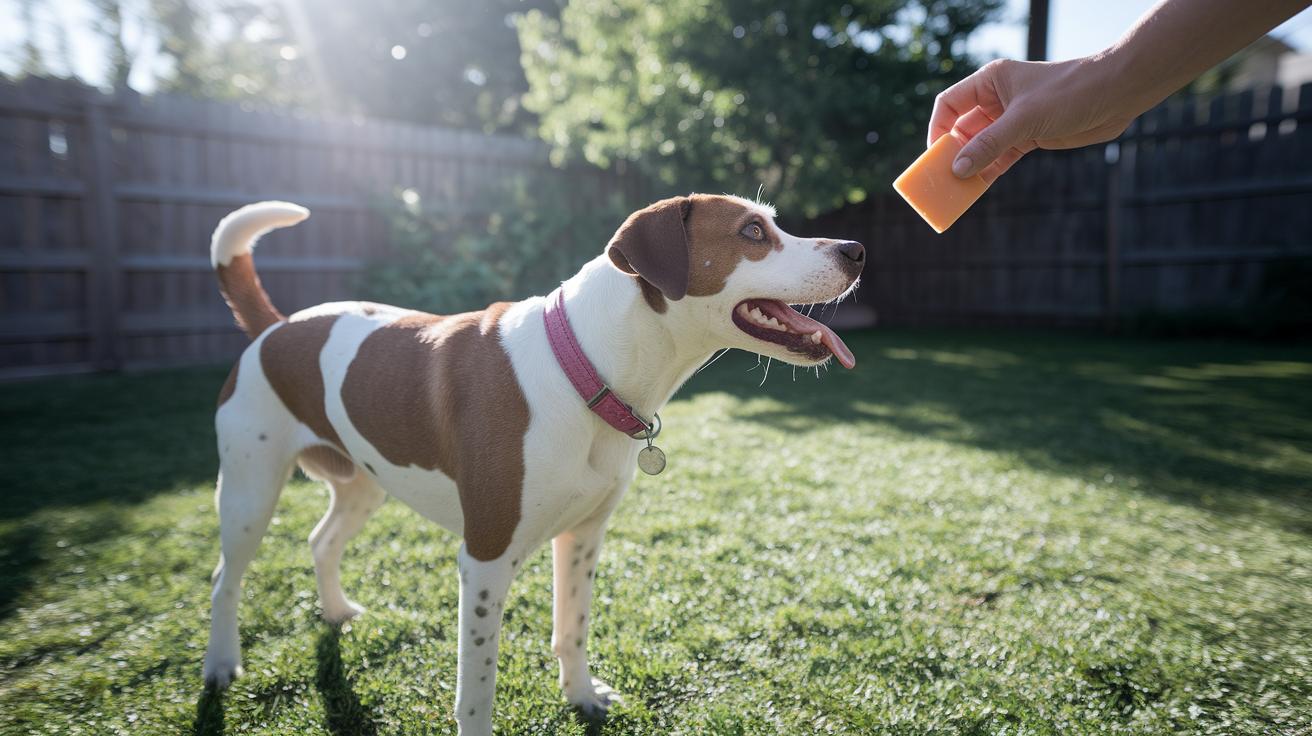
When training your dog, high-value treats like jerky, cheese cubes, cooked chicken, or even a little peanut butter can work wonders. These tasty bites grab their attention and help keep them focused, especially when there are distractions around. If your dog isn’t too thrilled with regular kibble, try adding a flavorful topper or offering soft training bites. Imagine your dog's eyes lighting up when they see a delicious cheese cube, it's a small moment that sparks real excitement.
But food treats aren’t your only option. Sometimes, a warm word, a gentle pet, or a few minutes of play can be just as motivating. Mixing food rewards with these non-food treats keeps training sessions fresh and fun. Picture your dog happily bouncing around during a quick play break right after earning that special treat. It creates a joyful, engaging training experience.
Remember to keep an eye on how many treats your pup enjoys. Watching portion sizes helps them stay healthy while still feeling rewarded. By balancing scrumptious treats on top of their regular meal with both high-value and non-food rewards, every treat becomes a small building block of trust and a lasting bond between you two.
Timing and Consistency in Delivering Rewards for Dogs
When your dog does something right, giving praise or a treat within a second makes all the difference. Think about your pup sitting down and immediately getting a treat, this quick reward lights up their brain with feel-good chemicals, linking the action to the reward super fast. Even a tiny delay can make that burst of happiness less strong.
Using the same words and gestures every time is another great tip. It’s like following a simple recipe every time you train. When you stick to the same cues, your dog quickly learns what each one means, and confusion stays at bay.
Pairing a cheerful “good job” with a treat can really boost training. Say it out loud and then hand over the treat right away. This combo works on both the heart and the brain, making the happy connection even stronger. Keep a close eye on your timing so the reward always follows the good behavior without delay.
Shaping Complex Behaviors With Reward-Based Techniques

Training your dog with reward-based shaping is like taking small, fun steps together. Instead of trying to teach the whole trick at once, you break it down into simple moves. Imagine teaching your pup to roll over. First, you reward a little head turn, then a soft lean of the shoulder, and finally a full roll. Each tiny win lights up your dog's day and makes it clear what you’re asking. It’s almost like building a puzzle, one piece at a time.
Here’s a simple plan you can follow:
| Step | What to Do |
|---|---|
| 1 | Decide on the final behavior you want. |
| 2 | Pick the first small move that hints at the final behavior. |
| 3 | Celebrate every little improvement with a treat or kind words. |
| 4 | Slowly make the move more like the full behavior. |
Taking it one step at a time makes everything feel natural. As your pup masters each little move, you can gently nudge him toward even bigger challenges while easing off on the treats bit by bit. Picture the simple joy when he starts connecting his small actions to the big trick. Each step brings a wagging tail and builds even more trust between you two.
It’s all about celebrating progress and sharing those happy moments together. After all, training should feel like a fun adventure you both enjoy.
Common Pitfalls and Troubleshooting Reward-Based Dog Training
Relying only on treats can sometimes make your dog expect a snack for every little thing. Instead of feeding treats all the time, try mixing in kind words, a gentle rub, or a quick play break. This keeps your bond strong and training fun.
It can get confusing when treats come at the wrong moments or aren’t always the same. If the tasty reward is delayed or not as appealing, your dog might not know which behavior earned the praise. Keeping a steady routine with treats they love clears up that confusion.
Switching up command words or signals too much can make your pup feel unsure. When you change your cues or body language frequently, it’s harder for your dog to know what you want. Stick with simple words and gestures so they can learn with ease.
Sometimes, training gets dull if rewards become too ordinary. Even high-value treats can lose their sparkle if they’re always the same. Mix things up by alternating between different treats and non-food rewards like playtime or extra cuddles. This variety keeps training fresh and your dog happily motivated.
reward-based training tips for dogs: Spark Smiles

Try mixing up treat timing to keep your dog truly excited. Switching between giving treats every time and occasionally surprising them makes each moment feel like a little adventure. Your pup will stay alert and curious, as if they’re waiting for that fun surprise around every corner.
When your dog sticks with a command a few extra seconds or masters a tricky move, celebrate with a special milestone treat. Rewarding that extra effort not only cheers them on but builds a sense of accomplishment, paving the way for deeper, more confident obedience.
Sometimes, ditch the food treats altogether and opt for a bit of play, a gentle petting, or their favorite toy. These fun rewards can brighten your dog’s day just as much as a treat would, mixing things up and keeping training sessions fresh and engaging.
Taking a moment to see the world through your dog’s eyes can really strengthen your connection. When you respect their feelings and use positive rewards, every session turns into a warm, shared experience built on trust and fun.
Over time, ease off a little on the food treats to avoid making your dog expect a snack each time. Gradually blending in non-food rewards helps keep your furry friend focused and motivated, ensuring training stays enjoyable and balanced.
Final Words
In the action, we explored the core ideas behind reward-based training, including clear commands, timely treats, and patience in shaping new behaviors. We touched on picking the right rewards, mixing tangible treats with affectionate praise, and tackling common training missteps. Every tactic shared here helps weave a closer bond between you and your dog while building a positive learning atmosphere. Keep experimenting with these reward-based training tips for dogs, and enjoy every small victory along the way.
FAQ
Q: What is reward based dog training near me?
A: Reward based dog training near me means finding local services that use treats, praise, or toys to encourage good behavior in your dog. This positive approach builds trust and strong habits.
Q: What is DOGS reward Telegram?
A: DOGS reward Telegram refers to a messaging channel that shares ideas and tips on using rewards for dog training. It’s a hub where pet lovers can exchange positive training advice.
Q: What are positive reinforcement dog training examples?
A: Positive reinforcement dog training examples show how using treats, praise, or play after a behavior—like sitting or staying—encourages your dog to repeat that action, building confidence and skills.
Q: How does dog training positive reinforcement vs correction compare?
A: Dog training positive reinforcement vs correction compares rewarding good behavior with treats and praise against using punishment for missteps. Positive reinforcement focuses on building trust by encouraging correct actions.
Q: What is positive training for dogs?
A: Positive training for dogs means teaching your pet using rewards such as treats, affection, and play instead of punishment. This creates a happy, supportive learning environment that strengthens your bond.
Q: What are dog reward treats?
A: Dog reward treats are small, tasty snacks given to your pet during training to reinforce good behavior. They help motivate your dog to follow commands and master new skills.
Q: What is positive reinforcement dog training PDF?
A: Positive reinforcement dog training PDF is a downloadable guide that explains how to use treats and praise to shape your dog’s behavior. It details step-by-step methods for effective, trust-building training.
Q: What is meant by reward for well behaved dog nyt?
A: Reward for well behaved dog nyt highlights using treats or extra play as a congratulatory gesture for a dog’s good habits. This method encourages continued positive behavior and strengthens your relationship.
Q: What is the 7 7 7 rule for dogs?
A: The 7 7 7 rule for dogs is a guideline that helps balance treat use during training. It controls treat distribution to keep your dog motivated while maintaining a healthy diet and clear behavior standards.
Q: What is the 80/20 rule in dog training?
A: The 80/20 rule in dog training suggests that about 80% of your interactions should be positive reinforcement while 20% might involve corrective cues. This mix promotes learning through encouragement and clear direction.
Q: What are the 3 P’s of dog training?
A: The 3 P’s of dog training usually refer to patience, persistence, and positive reinforcement. They remind you to be calm, consistent, and reward your dog’s good behavior to build lasting habits.
Q: What are the three C’s of dog training?
A: The three C’s of dog training stand for clarity, consistency, and cues. They emphasize using clear commands, consistent rewards, and defined signals to help your dog understand and follow instructions effectively.