

Have you ever thought that a kind word and a yummy treat can help build a lasting bond with your pet? Positive training is all about cheering on good behavior without any threats. When you speak softly and offer a treat, your pet feels safe and appreciated. It turns each training moment into a chance to slowly earn trust. In this guide, I’ll share how using gentle cues and clear rewards can create a warm, secure connection with your furry friend. Stick with these tips, and you might see your pet become even happier and more confident over time.
Foundations for Building Trust Through Positive Training
Force-free training is all about celebrating the good behavior, without any punishments. This gentle approach helps keep your pet calm and safe. When you speak in a soft, steady tone and offer treats along with kind words, your pet really feels at home. Ever noticed how their eyes light up at a "Good sit!" right after they respond?
This way of training not only eases stress but also builds a warm, emotional bond. Studies show that when pets are relaxed, they soak in positive vibes, which makes them behave even better. Imagine teaching your dog to sit by using a tasty treat as a lure, then giving them an instant cheer, it's a little moment that sets the stage for lasting trust.
- Create a calm environment
- Pick treats your pet really loves
- Use a clear marker (like a clicker or word) to highlight the right action
- Reward your pet right away
- Slowly introduce harder challenges
Stick with these steps, and every training session turns into a sweet chance to grow closer. With each treat, kind word, and gentle signal, your pet learns what you expect, all while feeling happy and secure. Little wins like these make your bond even stronger every day.
Reinforcing Trust and Confidence with Consistent Routines
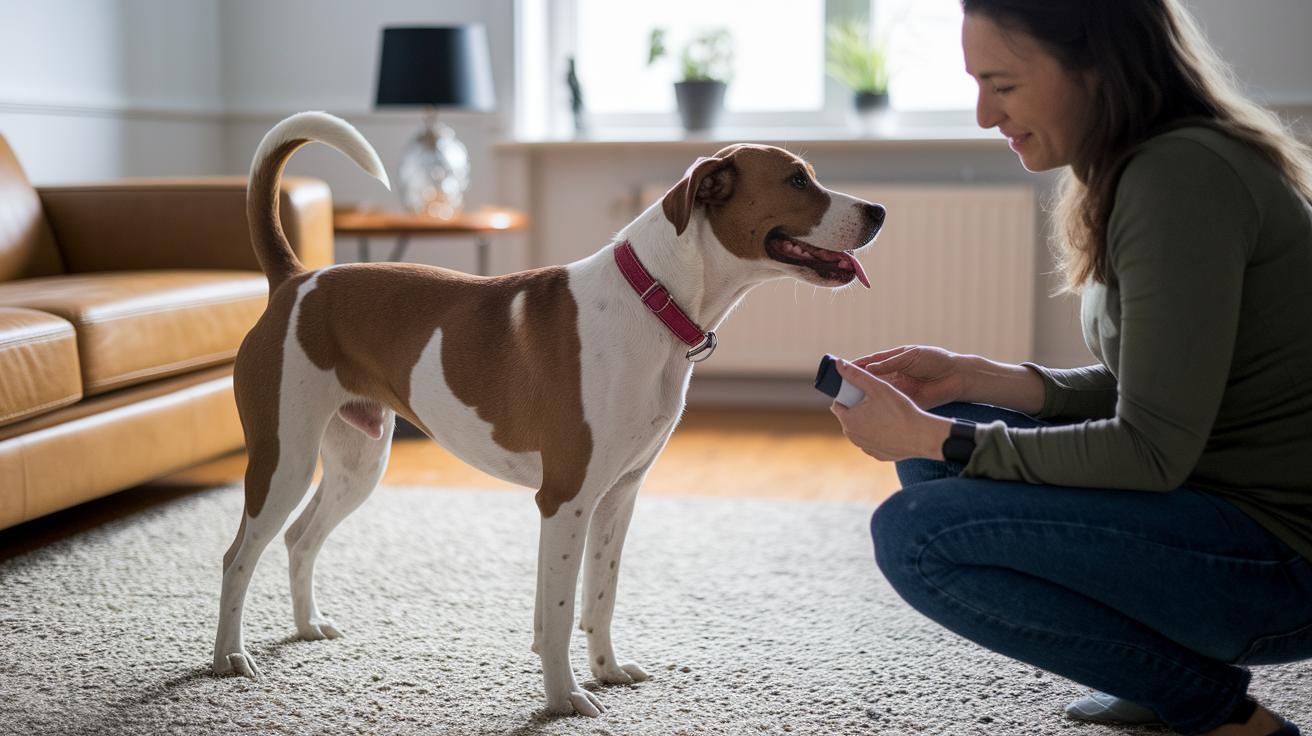
A steady routine makes your pet feel safe and calm. When your furry friend knows what to expect, like regular meals, walks, and playtime, it’s like a warm hug every day. It’s similar to those quick training sessions right after breakfast that help set a happy, predictable pattern.
Sticking to a daily routine also helps your pet learn new things quickly. Every meal followed by a short walk or a fun training moment with a treat and some gentle praise makes your pet connect the dots. Before long, they see these moments as little rewards, which strengthens the trust you share.
Simple scheduling tricks can make these routines even better. Try using calendar reminders to keep training sessions on track, and keep a treat jar in a spot where it’s easy to reach. Little changes like these turn every meal, walk, or playtime into a step toward a stronger, more trusting bond.
Interpreting Pet Body Language to Build Trust
Understanding your pet’s signals is super important when you’re training. Your furry friend tells you they feel safe or uneasy through simple cues, like a wagging tail, perked ears, steady eye contact, or even how they hold their body. When you see your dog sitting with a loose, wagging tail and alert ears, it’s a good sign they’re comfortable. But if the tail is tucked or the ears lay flat, it might mean they’re a bit on edge. And if you catch their eyes darting around or notice a tense posture during training, it could be time to take a gentle break.
Spotting Comfort and Stress Signals
Pay close attention to your pet’s little signs of comfort or stress. A relaxed posture with soft, calm eyes usually means they’re happy and engaged. But if you see ears drawn back or a tail that’s stiff and low, anxiety might be setting in. It’s a bit like noticing a friend fidget during a quiet moment, it tells you something might be off. Getting to know your pet’s normal, comfy look helps you spot these hints quickly so you can keep things stress-free.
Adapting Your Tone and Gestures
Matching your voice and actions to what your pet is signaling really strengthens your bond. A soft, even voice paired with slow, smooth gestures can help ease their worries during training. For instance, if you sense a bit of hesitation or unsure steps, lowering your tone and moving your hands slowly can reassure them. This thoughtful approach not only calms nerves but also boosts their confidence, making every training session a chance to build trust and connection.
Step-by-Step Positive Training Techniques to Cultivate Trust

Start by choosing a clear marker signal, like a sharp click or a specific word, that tells your pet they did a good job. Imagine that satisfying click right as your dog sits and then handing over a small treat immediately.
Next, pick treats that your pet finds extra tasty. Keep a few little bites nearby so your pet learns that the right move earns a quick reward, such as a tiny piece of chicken that bursts with flavor.
Keep your training sessions short and sweet, around 3 to 5 minutes each, done three times a day in a calm, quiet spot. As your pet grows more confident, you can gently introduce simple distractions by moving to a slightly busier area.
Begin with easy tasks. For example, ask your pet to sit and hold it for a few seconds before slowly extending the time. Starting with 2 seconds and then moving up to 5 seconds can help build steady confidence and clear understanding.
Finally, mix in a little playtime. Try a short game of hide-and-seek with treats. This fun twist shifts the focus from strict repetition to enjoyable practice, deepening your pet’s trust in the training process.
Navigating Trust-Building Challenges and Setbacks
Training your pet with kindness feels amazing, even when you hit a few bumps along the way. Occasionally, your furry friend might feel jittery or uneasy. When you notice these signs, little tweaks can steer you both back to that calm, trusting space.
- Separation anxiety: Try brief, gradual departures
- Regression under stress: Go back to simple commands in a quiet spot
- Overstimulation: Cut sessions short and minimize distractions
- Loss of focus: Boost the reward or try a different treat
If your pet paces or whines during a short goodbye, it might be best to start with just 30 seconds away before adding more time slowly. Sometimes, changes like a new routine or unexpected visitors unsettle them, so it helps to practice familiar commands in a peaceful setting. And if your sessions seem too long or too exciting, trimming them or cutting down on distractions can make a big difference. Occasionally, a new treat can be just the trick to recapture your pet’s focus.
Patience and consistency really do the job. Every pet moves at their own pace, and with small, gentle changes, you’re laying the groundwork for a stronger, more secure bond.
Monitoring Progress and Adapting Your Positive Training Plan
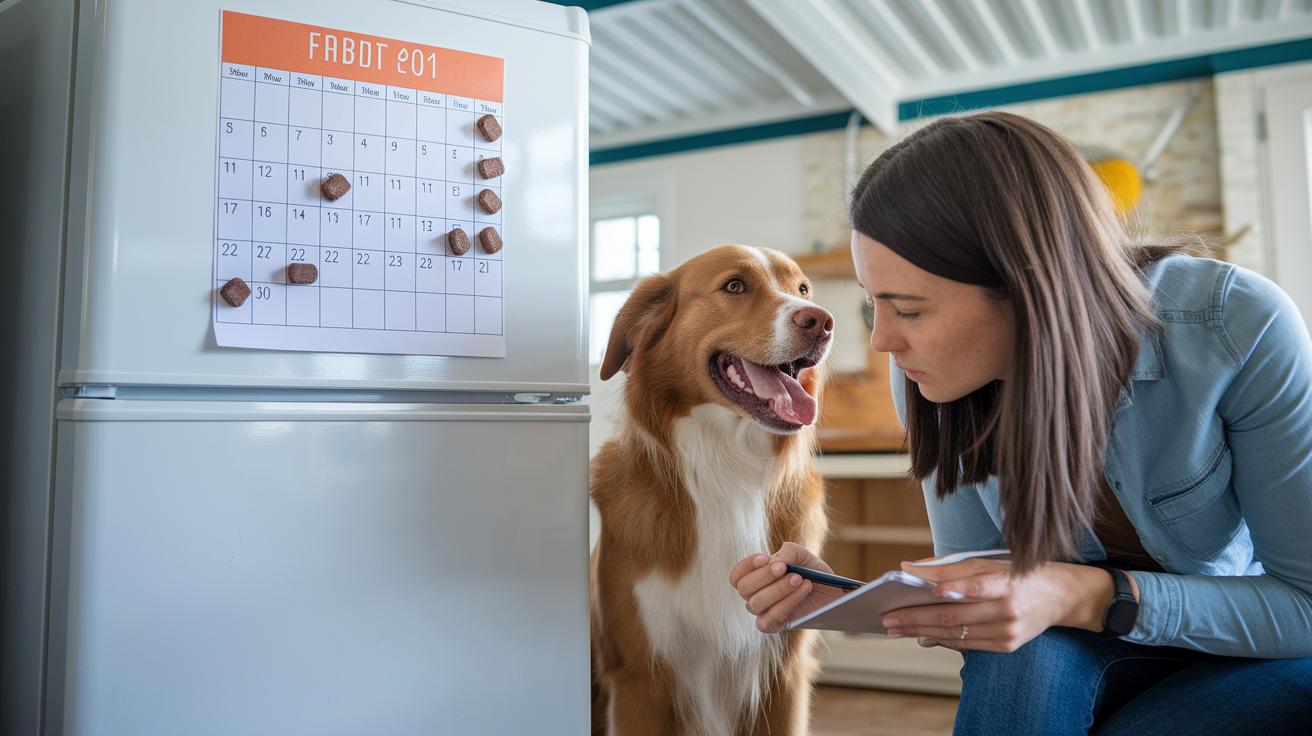
Keeping a little training journal is a smart way to capture every win and little hiccup. Write down your pet’s successes, challenges, and even the tiniest moments of joy during each session. This mini diary helps you spot patterns and see how your furry pal reacts to new tricks, making it easier to adjust your approach.
Try setting calendar reminders and setting up special treat spots around your home. Short, three-minute sessions three times a day work great with your pet’s natural attention span. These little cues keep training fun and make sure you're always ready to hand out a reward when your pet shines.
Creating a simple chart with dates, behaviors, and success rates can really help you fine-tune your method. As you look back at your notes, you might decide to change the treat size or tweak the session length. Each small step builds confidence and deepens the bond you share with your companion.
Embracing Relationship-Based Positive Training for Lasting Trust
Relationship-based training is all about kindness, respect, and truly getting to know your pet. It’s like sharing a simple, fun activity that benefits both of you. Every pet is unique, and training should work with their natural behavior, think of it as a friendly exchange where every session lets you learn a little more about each other.
Turn training into a playful time. Let your dog explore and sniff around before you start, it feels natural and makes them feel special. Even a tiny achievement, like a quick sit or a relaxed pause, builds your pet’s confidence. You might add a fun game like a soft fetch or a little hide-and-seek with treats to keep things light and enjoyable.
Always pick methods that protect your pet’s feelings. Skip any rough tactics that could scare them. Instead, go at their pace and celebrate every bit of progress, no matter how small. This gentle way of working together creates a lasting bond built on trust, kindness, and the joy of learning side by side.
Final Words
In the action, we explored force-free techniques, daily routines, and reading pet body language to create that safe, happy space for our furry friends. We broke down the training into clear, manageable steps and shared real-life examples of small wins during sessions. Every tip and tool is meant to help your pet feel cherished while you confidently guide them. Keep your approach gentle, consistent, and filled with love to show how to build trust with your pet through positive training.
FAQ
How do I build trust with my pet using positive training?
Building trust with your pet using positive training means rewarding good behavior with treats and praise while using a calm tone. This approach creates a safe, fun environment that helps your pet feel valued.
How can I get my dog to trust me and feel less scared?
Gaining your dog’s trust quickly, especially if they are scared, involves keeping training sessions gentle and predictable, using short sessions with positive reinforcement to ease their anxiety and boost confidence.
What are some effective trust-building exercises for dogs?
Trust-building exercises for dogs include brief training sessions that reward correct behavior, playful games with treats, and clear verbal praise, all of which help your dog feel secure and understand what is expected.
How do relationship-based dog training methods work?
Relationship-based dog training focuses on empathy and clear communication. It uses rewards and shared play to build a strong emotional bond, making everyday interactions and training sessions more positive.
What are the 5 D’s and the three C’s of dog training?
The 5 D’s and three C’s are frameworks that emphasize clear communication, consistent feedback, and building confidence in your dog. They guide training to help create a secure, trusting bond through structured, positive reinforcement.
How can I use positive reinforcement to train my dog?
Using positive reinforcement means marking correct behavior with a clear signal, such as a clicker, and then rewarding immediately with a treat or praise. This method teaches commands effectively while strengthening your bond.