
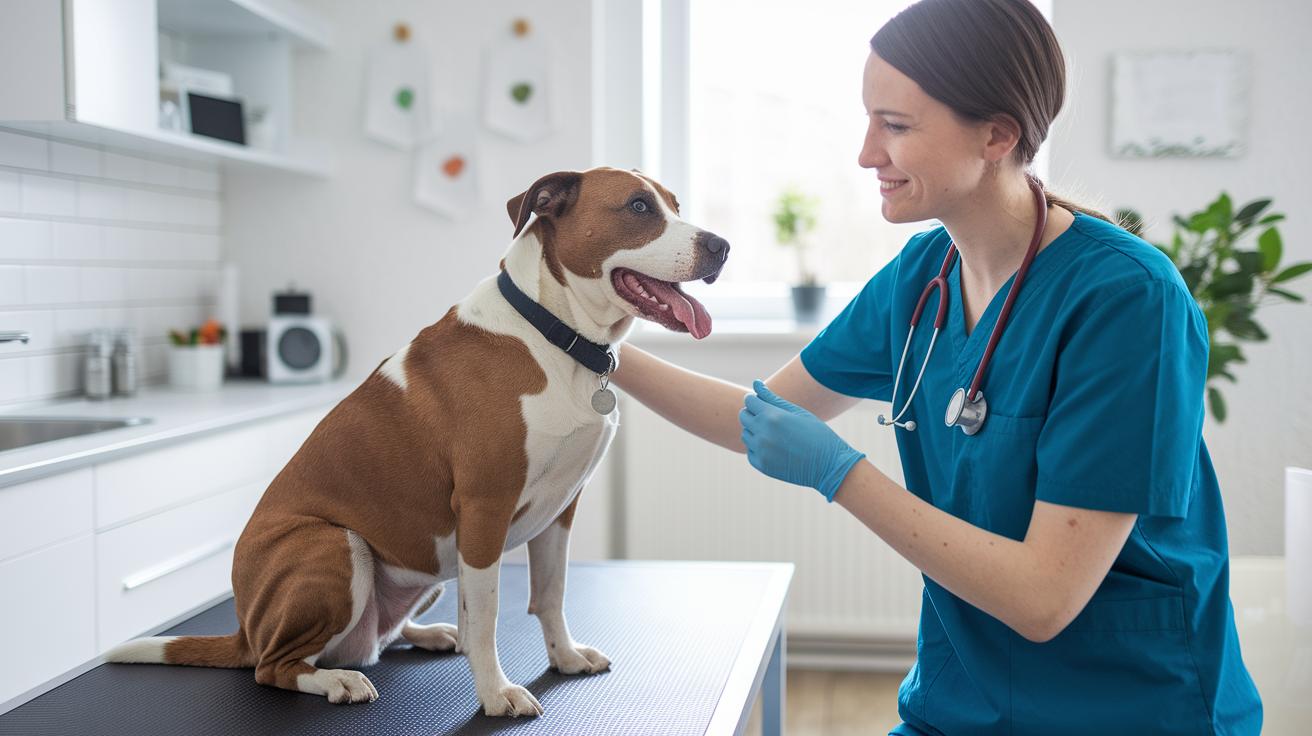
Have you ever thought a pet checkup could feel like a warm, full-body hug? Holistic pet care shows us that simple, friendly attention can make a big difference.
This guide will walk you through easy steps to boost your pet's energy, keeping them happy and full of life. We talk about noticing everyday details, like a slight limp or quiet mood, and giving care to their body and heart.
It’s not just checking for problems. It’s about making your pet feel loved from head to tail. Let’s dive into how a gentle, caring checkup routine can brighten your furry friend’s day.
Fundamentals of a Holistic Pet Health Checkup
A holistic pet health checkup is like giving your furry friend a full-body hug. It isn’t just about spotting a limp or a cough, it’s a warm, caring review of your pet’s overall well-being. Think of it as a friendly guide that helps you keep your pet both physically and emotionally happy.
When planning these checkups, age really guides the frequency. For little ones like puppies and kittens, visits every 3 to 4 weeks until they’re around 5 months old help catch any early problems or growth bumps. For adult dogs and cats, a checkup about every six months or once a year is usually fine. This routine helps catch little issues before they turn into big, expensive problems. It also gives you a chance to tweak your pet’s diet or home routine if needed.
Here’s what a typical checkup includes:
- A physical exam to see how your pet’s body is doing and to spot any signs of discomfort.
- A nutrition review to make sure their food is fueling their playful energy.
- A check on their mood and behavior to see if everything feels right emotionally.
- A look around at your home to catch any hazards that might upset your pet.
- Preventive tests like blood work or imaging (a way to see inside the body) to catch issues early.
Using both natural therapies and common medical tests helps create a balanced plan for your pet. This blend of insights from a physical exam and lifestyle tips keeps your pet’s immune system and spirit strong, so they can enjoy life to the fullest.
Preparing for a Home-Based Holistic Pet Health Evaluation

Getting your pet ready for a home check is all about keeping things calm and fun. Spend a few quiet moments with your furry friend before the visit. Engage in a gentle game of fetch or offer a favorite treat while speaking softly to help ease any jitters. This little bit of play not only soothes nerves but also builds trust, making the checkup feel like a regular, enjoyable routine.
Next, jot down some essential details about your pet's health. Write down what they eat, any medicines they take, and note any changes in their daily routine. Keep an eye out for signs like changes in energy, appetite, or behavior. Having these notes handy can be a real help during a checkup and keeps their care plan on track for both now and the long run.
Key Components of a Veterinary Holistic Pet Health Examination
At the vet clinic, a holistic exam begins with a careful physical check and a look at those key vital signs. The vet listens to your pet’s heartbeat, checks their temperature, and notes their breathing rate. This gentle process helps catch early signs of any discomfort and lays the groundwork for a complete care plan. Every little step is taken with care to make sure all parts of your pet’s well-being are looked after.
Diagnostic Blood and Urine Testing
Next up, tests like a complete blood count (CBC) and biochemistry profile are done to get a peek at your pet’s internal workings (think of it like a health snapshot). Urine tests give insights into kidney function and hydration, offering clues beyond what you might see. These checks can pick up subtle changes, which means that any issues can be addressed before they become bigger problems.
Imaging and Non-Invasive Scans
Then come the imaging tests. X-rays and ultrasounds let the vet see inside your pet without causing them any discomfort. These non-invasive scans help spot issues that might not show up during a regular exam. They work alongside other tests to build a full picture of your pet’s health.
After the diagnostic tests, the focus shifts to integrative therapies that boost the overall treatment plan. Herbal remedies and nutritional therapy (a way to support your pet’s health with balanced, natural ingredients) are often added to support strength and vitality. This approach doesn’t just tackle physical concerns, it also helps soothe your pet’s emotional and mental well-being. By blending these methods with conventional care, you’re setting your furry friend up for a balanced and long-lasting health plan.
At-Home Holistic Pet Health Assessment Techniques

It's helpful to do a few simple checks on your pet at home between vet visits. These little look-overs can catch small changes before they grow into bigger worries and let you know your pet is doing well.
- Take a peek in your pet’s mouth. Look for swollen gums, loose teeth, or any signs of dental trouble.
- Gently check each ear for red spots or bits of debris that might mean an infection.
- Look at your pet's eyes, clear eyes are a good sign. Watch out for any odd discharge or cloudiness.
- Run your fingers over your pet’s coat. Notice if any spots feel dry, oily, or seem irritated.
- Feel your pet’s paw pads for any cracks or rough patches that could be a sign of injury or dryness.
- Keep an eye on how active your pet is. A change to being too tired or too hyper could mean something’s off.
- Check your pet’s poop. Make sure the color, texture, and consistency look normal.
- Test hydration by gently lifting your pet’s skin. It should quickly bounce back to its place.
- Finally, feel for their ribs and check the waistline. This helps you see if your pet is under or overweight, which is important for overall health.
If you see signs like red eyes, ongoing ear trouble, or sudden changes in eating habits, it might be a good idea to call your vet. And if your pet suddenly seems in pain or changes behavior, trust your gut, it’s always best to get expert advice when something doesn’t feel right.
Natural Remedies and Supplements in Holistic Pet Health Care
Herbal remedies can gently boost your pet's overall well-being while keeping side effects to a minimum. Many pet parents turn to chamomile and valerian for stress relief, imagine a warm, natural hug during those anxious moments. Milk thistle is often used to support a healthy liver, and turmeric works to ease inflammation. Probiotic chews are fantastic for keeping your pet’s digestive system happy (they help maintain a balanced gut). Always start with a low dose and watch your pet closely for any unusual reactions.
| Supplement | Primary Benefit | Recommended Dosage |
|---|---|---|
| Chamomile | Anxiety Relief | As prescribed by a pet specialist |
| Turmeric | Anti-inflammatory | Depends on pet size and need |
| Probiotic Chew | Digestive Health* | According to the product guidelines |
| Milk Thistle | Liver Detox | Follow veterinary advice |
When adding new supplements, try one at a time so you can easily spot any changes in your pet’s behavior or routine. Gradually build their natural care plan, always keeping an eye on how lively and comfortable they are. If your pet is on other medications, it’s a smart move to check with your veterinarian to ensure everything works in harmony. A little careful observation really goes a long way in keeping your furry friend healthy and happy.
Nutrition Strategies for a Holistic Pet Health Screening
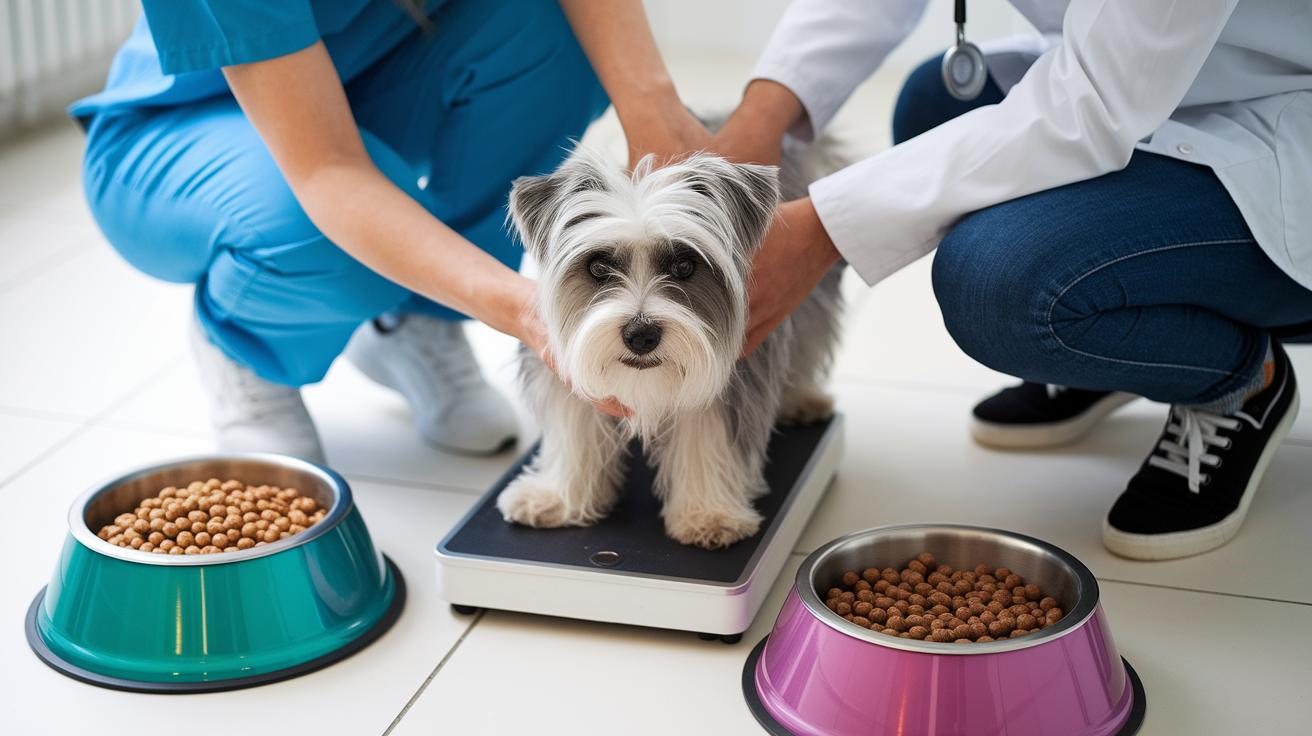
When it comes to keeping your pet full of life and energy, a well-balanced diet is key. High-quality protein (the building block for strong muscles) keeps them active, while healthy fats help their brain work better and give them a shiny, soft coat. Fresh veggies and fruits add essential vitamins and minerals that boost energy and help ward off pesky allergies. Adding these natural goodies to daily meals can also help manage their weight and promote long-term wellness.
Switching up proteins in your pet's meals can make mealtime both fun and healthy. Rotating between options like chicken, beef, and fish gives them a mix of amino acids (tiny helpers that build proteins in the body) and nutrients. Keep an eye on how your pet reacts to each new food, it might show you if something isn’t agreeing with them or even causes skin irritation. Mixing it up keeps their diet exciting and naturally well-rounded.
Sometimes, it’s a great idea to work with a veterinary nutritionist who really knows their stuff. They can tailor a meal plan that fits your pet's unique needs and health goals. Their friendly, straightforward tips make keeping your pet's diet fresh and balanced easy and enjoyable.
Assessing Pet Fitness, Mobility, and Vitality in a Holistic Checkup
Using the Body Condition Score (BCS) is an easy way to check your pet's weight and muscle tone. Simply run your fingers gently along their ribcage to feel for a thin layer of fat; this bit of padding tells you that your pet is neither too skinny nor overweight. Taking a look at your pet's waist also helps you see if they are in a balanced condition. These little checks can catch changes before they become bigger health problems.
Watching how your pet moves gives you lots of clues about their overall energy. Notice if they walk with a smooth, steady pace during your walk or playtime, as this shows strong muscles and flexible joints. If you see hesitation when turning or stopping quickly, it could be an early sign that something isn’t quite right. A sudden reluctance to play or quick bouts of tiredness might point to joint issues. A brisk, cheerful step is a small but solid sign of good mobility.
Sometimes, changes in behavior like unusual tiredness or discomfort in the heat can indicate a bigger problem in the body. If your pet seems extra sluggish or struggles in warm weather, it might be hinting at a hidden issue. Spotting these signals early on makes it easier to get advice from your vet in time.
Evaluating Environmental and Lifestyle Factors in Holistic Pet Health
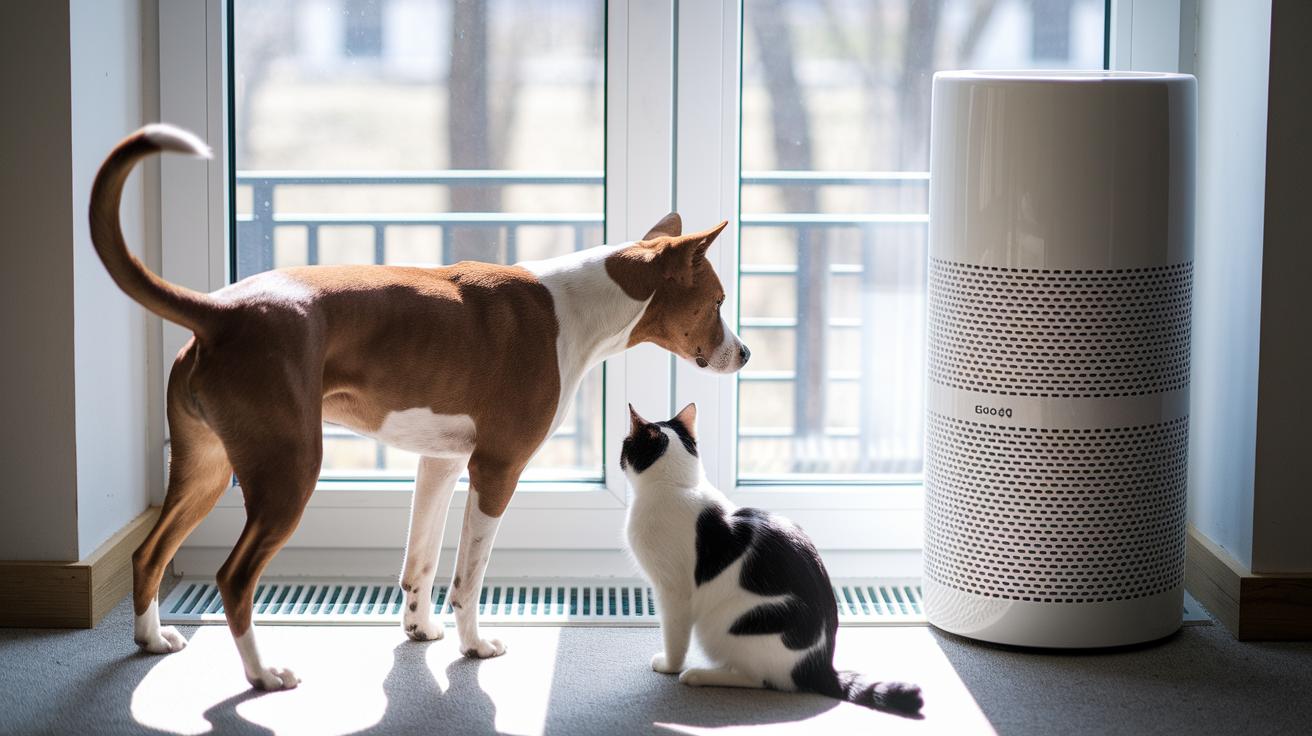
Our pets live in spaces that can sometimes be a bit risky, whether indoors or outdoors. At home, everyday items like dust, pet dander, and common cleaning chemicals can trigger allergies or irritate their sensitive systems. And when they head outside, pollutants and pesticides from nearby lawns or gardens might affect their breathing and skin. The trick is to take a close look at all the places they spend time, so you catch anything that might be harmful.
Improving air quality is a smart step toward keeping your furry friend happy and healthy. Try checking and replacing your air filters regularly to keep the indoor air feeling fresh. Switching to non-toxic cleaning products is another great move, it means fewer harsh chemicals around for both you and your pet. And on days when it’s pleasantly cool, opening a window can let in that refreshing breeze we all love.
Making a few lifestyle changes can also go a long way. Think about designating a safe, open area where your pet can run and explore without worry. Enrichment activities, like puzzle toys or a bit of interactive play, help keep their mind engaged. Social time with other animals is another bonus, boosting both emotional well-being and overall vitality. Small tweaks like these can provide a well-rounded mix of exercise, mental stimulation, and comforting social interaction.
Routine Holistic Monitoring and Preventive Strategies for Pet Health
Every day, take a few moments to check your pet’s coat, teeth, and weight. Notice how they’re feeling too, the little hints in their mood or energy can be very telling. Snap a quick photo of your pet during playtime to capture any subtle changes. Then, set aside some time each week to review these observations and see how things are shifting, which helps build a full picture of their wellness.
Keep an eye on any changes in appetite, energy, bathroom habits, or overall behavior. Jot these down in a pet health journal or digital log. For instance, if your pet eats less on some days or seems quieter than usual, make a note. These simple records can reveal patterns and help you catch potential issues before they become a problem.
And if you notice changes sticking around or sudden shifts in behavior, it’s a good idea to check in with a professional. When home monitoring isn’t enough, a quick visit to the vet can ensure your pet stays happy and healthy.
Integrating Conventional Veterinary Care with Holistic Pet Health Practices
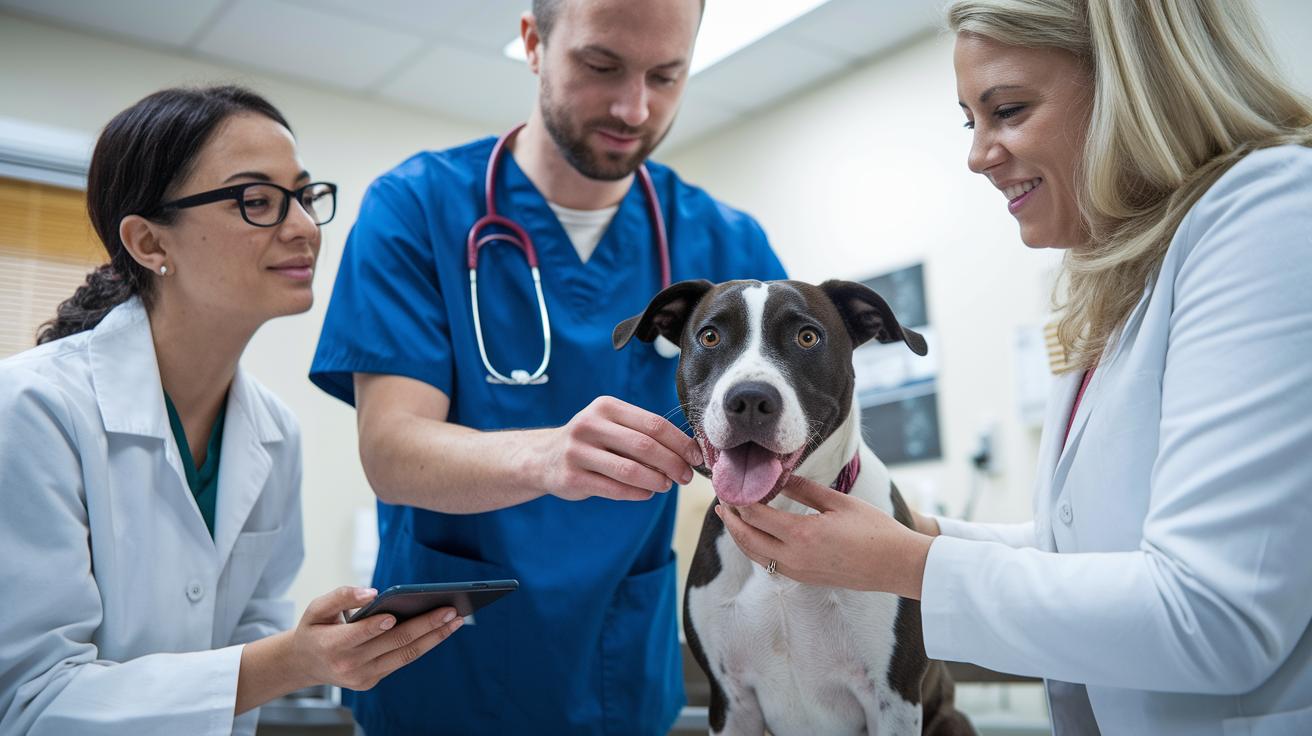
Bringing together different pet care experts creates a balanced plan where every little detail matters. When holistic practitioners and regular vets work side by side, they swap health reports and lab results, from quick blood tests (CBC) to biochemistry panels, plus screenings for food sensitivities and inflammation. This team effort helps build safe, synergistic treatment plans that really boost your pet’s vibrancy. It also keeps care consistent, making sure nothing falls through the cracks.
These days, many pet clinics mix prescription medications with herbal boosts. Imagine your pet getting a standard medication while also enjoying tailor-made herbal supplements that help strengthen their natural defenses. This approach pairs lab tests with natural remedies, addressing both current symptoms and hidden health issues. The result is a caring, all-around plan that keeps your furry friend feeling great.
When choosing a care expert, look for someone skilled in both holistic and conventional methods. Ask how they work together and whether they share health records. Picking a team that values true collaboration can make all the difference for your pet’s well-being.
Final Words
In the action, your pet wellness plan begins with a simple checkup that shapes daily care routines. We explored everything from at-home assessments and vet visits to natural remedies, balanced meals, and environmental checks. Rely on this holistic pet health checkup guide to support your pet’s overall happiness and vitality. Notice the little shifts in behavior and energy, as they often speak volumes about health. Keep things light and rewarding, the little steps you take truly matter for your pet’s future.
FAQ
What is a holistic pet health checkup?
A holistic pet health checkup is a thorough exam that reviews physical health, nutrition, mental well-being, and living space. This comprehensive approach helps catch issues early and supports long-term pet vitality.
How often should my pet have a holistic checkup?
A holistic checkup schedule depends on your pet’s age. Puppies and kittens get exams every 3–4 weeks until five months old, while adult pets typically benefit from annual or semiannual visits to spot issues early.
What are the key components of a veterinary holistic exam?
A holistic exam includes a complete physical check, diagnostic tests such as blood work and urinalysis, imaging scans like X-rays, and may integrate therapies like acupuncture or herbal support to boost overall health.
How can I prepare my pet for a home-based holistic health evaluation?
Preparing at home for a holistic checkup means reducing stress with extra love and treats, and gathering a detailed health history—covering diet, medications, and behavior—to give the vet a full picture.
What at-home health assessment techniques should I use between vet visits?
At-home techniques include checking your pet’s teeth, ears, eyes, skin, paws, and activity levels, plus assessing hydration and body condition. These regular checks help you notice early warnings of health issues.
Are natural remedies and supplements effective for pet care?
Natural remedies such as chamomile for calm, turmeric for inflammation, and probiotic chews for digestion can support pet health when used safely, offering an extra boost to their overall wellness.
How do nutrition strategies play a role in a holistic pet checkup?
Nutrition strategies in a holistic checkup emphasize balanced diets with high-quality proteins, healthy fats, and whole foods. This helps prevent food sensitivities, supports immunity, and manages weight effectively.
How can I assess my pet’s fitness, mobility, and energy levels?
Assessing fitness involves using the Body Condition Score by feeling for ribs and observing waistlines, along with checking gait and joint movement. This evaluation can reveal early signs of stiffness or reduced energy.
How do environmental factors affect my pet’s health?
Environmental factors like indoor allergens, chemicals, and air quality can impact your pet’s breathing and skin condition. A well-monitored home environment reduces irritants, keeping your furry friend healthier longer.
What routine monitoring and preventive care can I do at home?
Daily or weekly routines like grooming, weight tracking, and logging behavior changes help catch health shifts early. These practices complement regular vet checkups and support ongoing pet wellness.
How can I integrate conventional care with holistic pet health practices?
Integrating conventional care with holistic methods means combining lab tests and imaging with natural therapies. This balanced approach, coordinated between practitioners, offers a complete picture to keep your pet thriving.