
Have you ever noticed that a sharp, loud scolding might leave your pet feeling mixed up instead of understanding what went wrong? Many pet parents are moving away from strict punishments and choosing kind, gentle guidance that truly makes a difference.
Imagine pausing a heated moment so your furry friend can catch their breath and learn the right way to behave. By switching to positive training, you build trust and help your pet form better habits. This approach makes everyday activities, like meal times, play sessions, and simple walks, a pleasant experience for both you and your beloved companion.
Key Steps to Transition from Punishment to Positive Training
Start by noticing the behaviors you'd like to change. When you see your pet repeating a habit, say, your dog jumping on guests, pay close attention to what sparks the behavior. This helps you plan a different way to respond next time.
Next, skip any punishment. Instead of scolding or using a harsh tone, simply pause the interaction. Think of it as tapping a pause button so that no negativity follows. I once heard a trainer say, "When my dog lunged for a treat, I stopped the game instead of snapping."
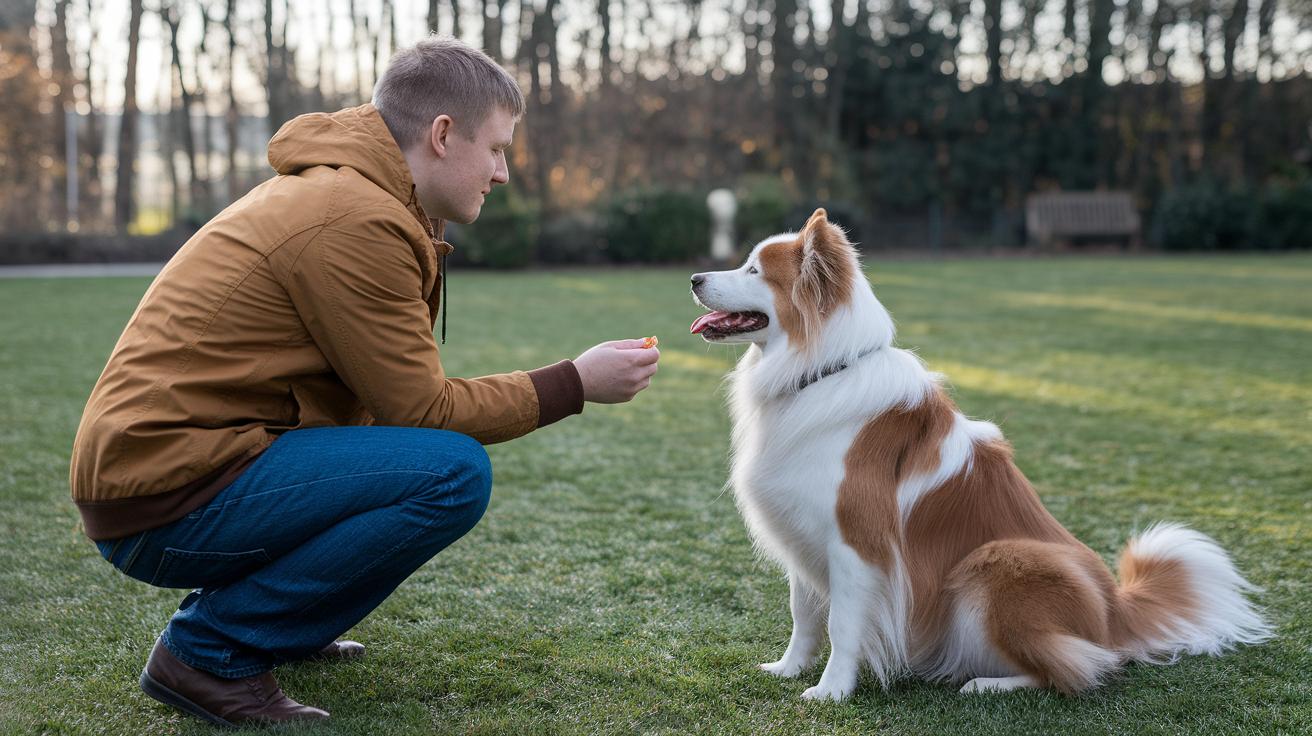
Right after the unwanted behavior ends, introduce a positive cue. Use a clear word or gesture, like saying "sit" when your pet calms down. Then, offer a tasty treat right away. Picture your pet’s excitement as they enjoy the reward. It’s interesting to know that before many pet owners switched to positive training, strict punishments often scared their pets, while rewards brought out better behavior.
Reward-driven methods truly help your pet learn. If a small bit of discomfort isn’t followed by a reward, the behavior tends to stick. Rewards affirm the right choices.
Be consistent with this routine. Using the same cue-to-reward pattern every time builds trust and encourages lasting change in behavior. For more fun ideas on supportive training, check out positive reinforcement tips at https://getpetsavvy.com?p=7603.
Understanding Punishment vs. Positive Training Approaches

Punishment based training can feel harsh, quick scolding, a firm tug on the leash, or a sudden correction to stop bad behavior. Even if these tactics seem to work at first, they often don't show your pet what they should do instead. Imagine a dog getting scolded; it’s a lot like getting splashed with cold water when you were expecting something warm. This kind of training can leave your pet feeling scared or confused and may even weaken the special bond you share.
On the other hand, positive training is all about clear signals paired with treats and praise. It shows your pet exactly what good behavior looks like, making the learning process fun and gentle. Picture your dog sitting calmly and then getting a tasty treat right away, that little reward makes a big difference! This method builds trust and reinforces positive actions without creating fear. You can learn more about these different approaches by checking out positive reinforcement versus punishment in pet training.
A reward-based strategy not only teaches your pet the right moves but also strengthens the caring connection between you two. With consistent, kind guidance and lots of encouragement, both you and your furry friend can enjoy a happier and more trusting relationship.
Psychological and Emotional Impact of Punishment in Training
Punishment methods like a quick hand snap, a tug on the leash, or a firm collar grab can really shake your pet's trust in you. These small, sudden moves might seem like a tiny fix, but they can leave your furry friend feeling unsettled or scared. When your dog gets an unexpected jolt, it may start avoiding your touch or even seem withdrawn. Next time, try gently removing a treat during a "leave it" command instead, watch how your pet stays calm and feels more secure with your guidance.
Using gentle, kind training helps build a warm and secure bond with your pet. When you offer support and clear positive cues, your pet feels safe and happy to learn new things. They begin to understand that good behavior earns rewards, without the anxiety or fear that comes from harsh methods. A relaxed training session not only teaches skills but also deepens your pet’s connection with you, paving the way for long-lasting positive behavior and overall well-being.
Core Principles of Positive Training and Reinforcement Techniques
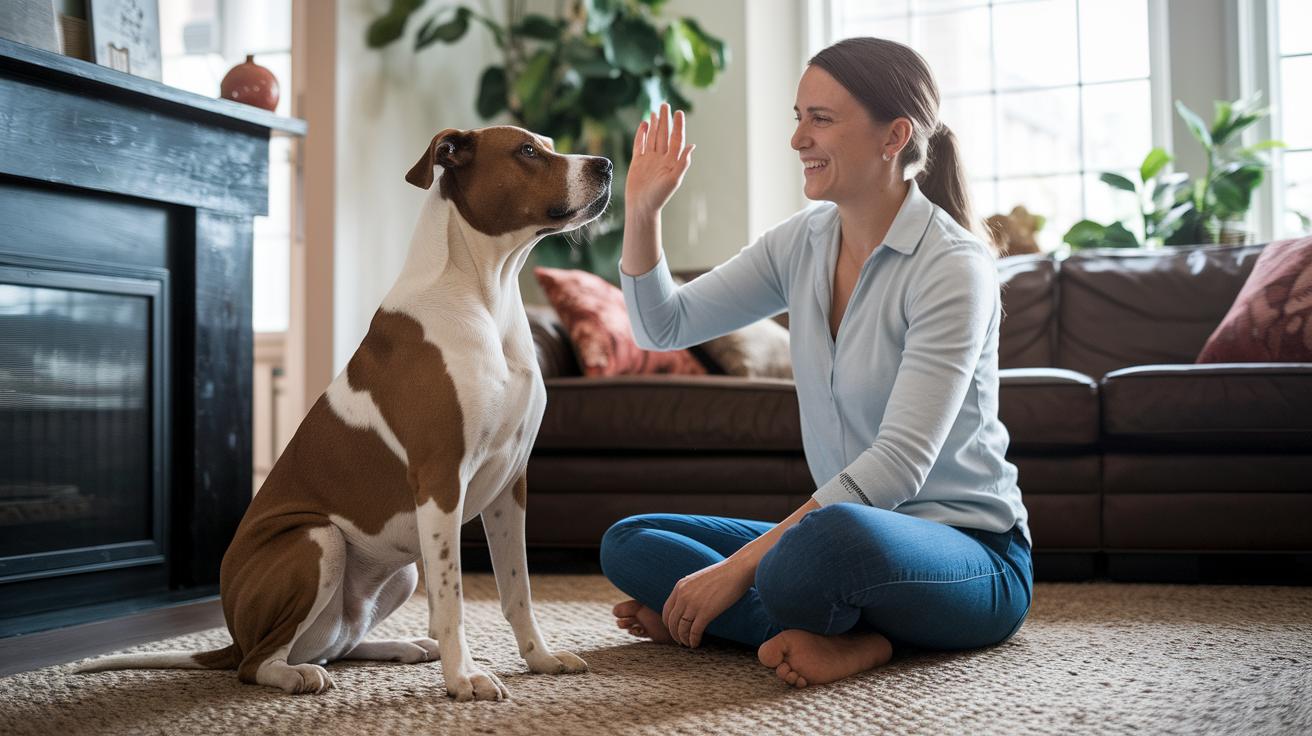
Positive training is all about linking clear signals with a quick reward. When you're teaching a trick like sitting, say "sit" with a raised hand and then give a treat right away. Picture it: Your dog sits, gets a small treat instantly, and you see a spark of joy in its eyes.
Pay attention to your pet's body language. Notice things like a perked ear or a wagging tail, and adjust your approach accordingly. It works like this: a clear cue, a gentle move, and a fast reward, each step encouraging the next in a natural way.
By mixing these tips with previous lessons, you move away from old, strict methods to a simple way of using gentle guidance. This friendly, consistent approach builds trust and makes learning smooth and fun for your pet.
Overcoming Challenges When Moving from Punishment to Positive Training
Sometimes, even with the best intentions, we might find ourselves mixing up our signals. Imagine training your dog with a "leave it" command, only to have a quick snap of your hand when your pup moves too fast. This accidental move can leave your pet confused about what behavior is really expected.
Another common slip-up is not timing rewards correctly. Picture your dog sitting after your cue, but you wait too long to give the treat. The delay makes it hard for your furry friend to link the command with the reward. Instead, try giving immediate, short praise or a treat for even a small step in the right direction.
Changing old habits can be tough, I get it. Here’s a quick guide to help:
| Tip | What to Do |
|---|---|
| Pause First | Take a brief pause before reacting to any mischievous behavior. |
| Watch Closely | Keep an eye on your pet’s body language so you can respond accurately. |
| Routine Rewards | Stick to a consistent routine that rewards good behavior right away. |
Keeping training sessions short and fun can really help shift your approach. Even on days when small frustrations pop up, try to practice these steps with patience. Before you know it, your pet will feel secure, understand the clear signals, and be all the more excited to learn.
Measuring Progress in Your Transition from Punishment to Positive Training

Keep a close eye on your pet’s progress by tracking clear, simple signs. Start a behavior log where you note all those moments of positive action and even jot down any stress signals like a stiff body or tail tucked low. It’s amazing when you see your pet respond better to cues while looking calm and happy. Have you noticed that exciting change when your pet, once hesitant, now eagerly waits for a treat?
Think about these benchmarks when watching your pet progress:
- How often does your pet follow commands correctly?
- Are there fewer stress signals like lowered head or avoidance behaviors?
- Is your pet showing more excitement, like bouncy movements and shining eyes during training?
| Metric | Indicator |
|---|---|
| Response Frequency | More consistent and quick reactions to cues |
| Stress Signals | Less tension and more relaxed postures |
| Session Eagerness | Bouncier movements and brighter eyes |
Checking in on these signs regularly helps you adjust your training routines. It’s all about fine-tuning those positive habits and making training a joyful experience for both you and your furry friend.
Real-World Case Studies of Transitioning from Punishment to Positive Training
In one case, a group of dogs got their weekly allergy shot, a tiny 1 CC injection, immediately followed by a burst of treats. Even though the quick pinch might feel a little strange, these pups stayed upbeat and ready for more training. Picture it: a brief pinch followed by their favorite treat, leaving them happy and eager to learn. It goes to show that even a small bit of discomfort can be easily smoothed over by a tasty reward.
In another example, trainers working on the "leave it" command found a kinder way to handle mistakes. When a dog lunged for a treat, the trainer simply removed the treat instead of using a sharp hand snap. This gentle change helped the pet stay calm and focused, proving that withholding a reward can work better than a harsh correction.
These stories are great examples of how a little discomfort or the simple act of taking away a reward can lead to big improvements in a dog’s behavior. They remind us that clear, consistent, and reward-driven training can be both effective and caring.
Expert Tips for a Smooth Transition from Punishment to Positive Training

Mix these trusted ideas into your everyday training routine. When teaching your pet to "sit," say the command clearly and follow it up right away with a special treat, a bit of freeze-dried salmon that they don’t usually get. This little twist makes the moment exciting and fresh.
Keep an eye on your pet’s tiny signals. A little ear tilt or a short pause can tell you if they’re feeling a bit overwhelmed. In those moments, soften your tone or give it a tiny pause.
Here are a few friendly tips:
| Tip | Description |
|---|---|
| Unique Rewards | Give a rare treat to celebrate a new behavior. |
| Watch Their Moves | Notice small cues like ear shifts that show how they feel. |
| Stay Flexible | Adjust your approach based on their immediate reactions. |
These simple ideas help move away from old, harsh methods to a warmer, more engaging style of training. Isn’t it amazing how a small change in approach can brighten both your moods during training?
Additional Resources for Your Positive Training Transition
Check out modern training tools that help you teach without fear. Many trusted sites offer online courses in science-based reinforcement (simple research-backed teaching methods) that use gentle, supportive techniques instead of punishment.
Why not join a local community forum? You'll find other pet parents and trainers swapping stories and tips on ethical training. These friendly groups offer real-life advice on switching from punishment to rewards. It’s a great way to learn about force-free methods that many reward-based dog training communities promote.
You could also explore certification programs to learn more about positive reinforcement. Some courses guide you through clear steps on how to use reliable cues, give quick rewards, and build lasting trust, vital for lasting behavior change.
Keep checking out these updated, easy-to-follow methods to boost your confidence and keep training sessions fun and caring for your furry friend.
Final Words
In the action, this post broke down clear steps for replacing old, punitive habits with reward-based routines. You learned that recognizing unwanted behavior, pairing cues with timely treats, and tracking small wins can build trust and motivate change. It’s all about understanding that every positive signal matters and that every moment is a chance for better training outcomes. Using these practical tips, you'll soon see how to transition from punishment to positive training to boost your pet’s happiness and overall health. Enjoy every progress along the way.
FAQ
How to transition from punishment to positive training on Reddit?
Transitioning means stopping punitive actions and instead rewarding desired behaviors. Focus on replacing punishment with immediate praise or treats, building trust and clear communication with your pet.
How to transition from punishment to positive training in dogs and cats?
Transitioning your pet involves identifying unwanted behaviors, ceasing punishment, and pairing each new cue with instant rewards like treats or praise. This approach builds trust and makes learning enjoyable.
Is positive punishment effective on dogs?
Positive punishment can sometimes reduce unwanted behavior quickly but usually fails to teach the right behavior. It may also weaken the pet-trainer bond, making consistent reward-based methods a better choice.
What are the 5 D’s of dog training?
The “5 D’s” can vary among trainers and aren’t universally defined. Many experts favor clear, consistent cues paired with immediate rewards over strict formulas when teaching dogs.
What is positive punishment training?
Positive punishment training uses an unpleasant stimulus after an unwanted behavior to discourage it. This method may stop behaviors temporarily but often fails to build understanding and can hurt the pet-trainer bond.
How to train a dog with punishment?
Training with punishment relies on negative stimuli, which can damage trust and slow learning. Shifting toward reward-based techniques not only reinforces good behavior but also strengthens the bond with your dog.