
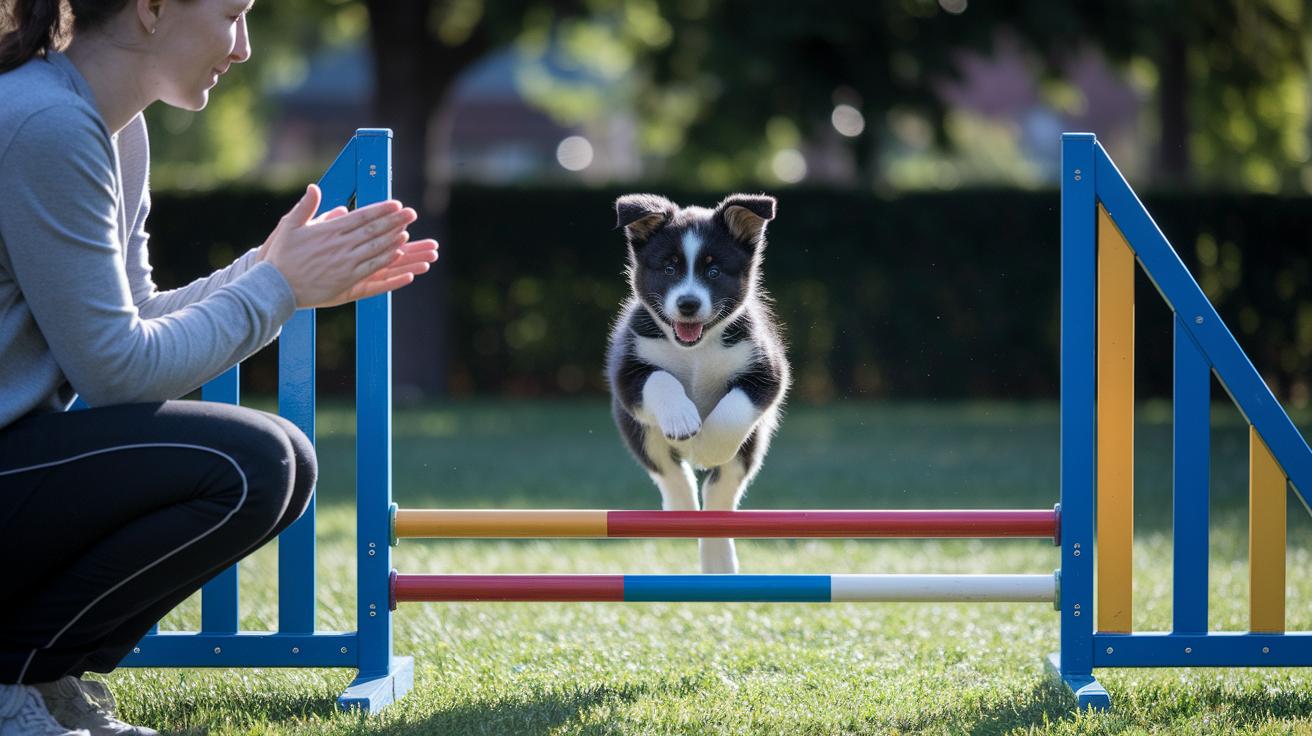
Ever notice how your puppy’s excited jumps might be speaking louder than words? Maybe your little furball’s leaps show pure joy or a hint that they need a bit of guidance. Imagine a sunny moment where you use a clicker and some tasty treats to gently guide those bouncy jumps into calm hellos. With kind, force-free training, your pup can learn to greet the world in a quiet, loving way while your bond grows even stronger. Ready to try simple, joyful techniques that help bring out the calm in your playful companion?
Stop Puppy Jumping: Force-Free Training Methods
This method embraces a gentle, kind way to help your puppy learn to greet without leaping. It uses a clicker and timely treats to encourage calm greetings while steering clear of any punishment. The idea is to show your pup how to behave nicely, naturally.
A short, steady routine goes a long way in teaching your pup self-control. Picture this: when your dog starts to get too excited, you give a clear cue to pause and then reward the calm behavior with a treat. You can check our dog obedience training page for even more handy tips. Step by step, even the busiest pup will learn the value of quiet, composed greetings.
- When you see your puppy starting to jump, click the clicker right away to signal that it should stay in place.
- Reward your little buddy with a small treat whenever it greets calmly, reinforcing the peaceful approach.
- If your puppy leaps too high, stop the interaction for a moment to create a gentle pause.
- Redirect that burst of energy with a clear command like “sit” or by offering a toy as a distraction.
- Repeat these steps consistently so your puppy learns that calm greetings always earn rewards.
Over time, this gentle, force-free method builds strong self-control and a warm connection with calm behavior. With regular practice, your pet learns to slow down and take on each greeting in a relaxed way. Before long, these good habits will stick, making social encounters smoother and more enjoyable for both of you.
Key Principles for Controlling Puppy Jumping
Clear, Calm Communication
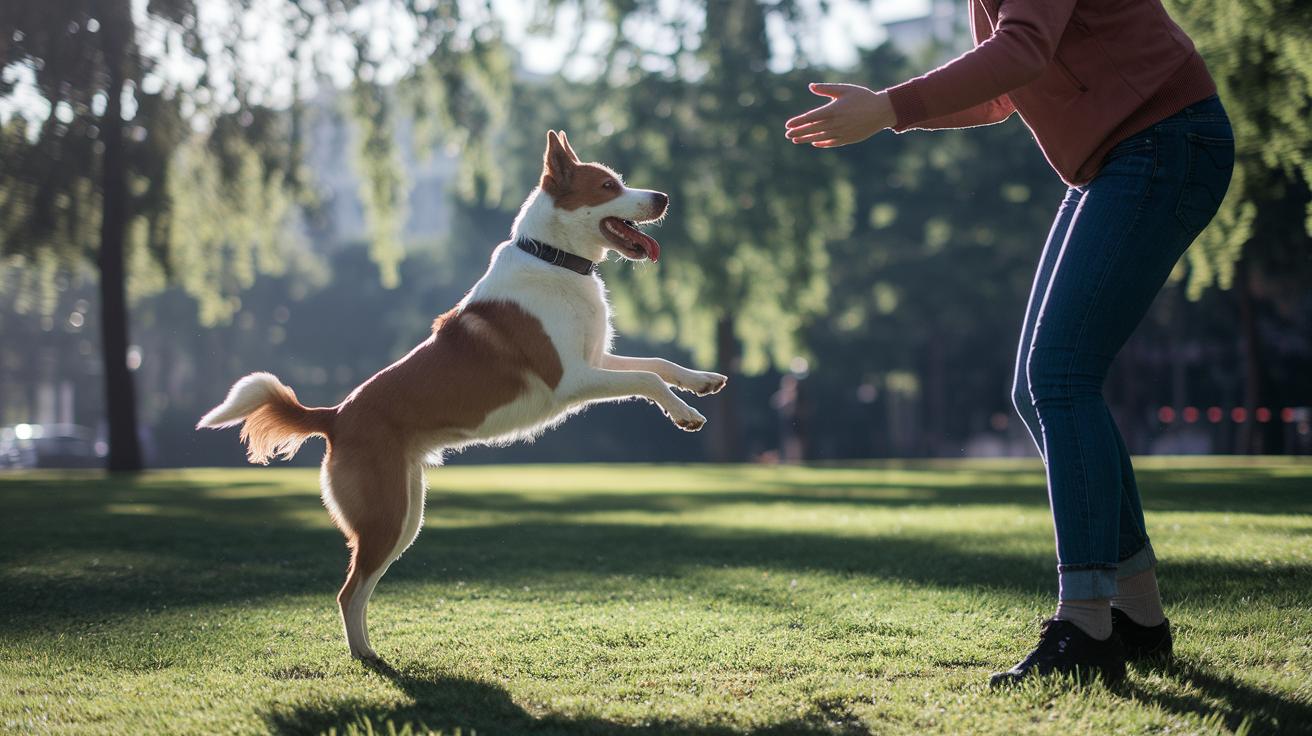
When your pup jumps, speak gently and use a soft hand signal. For example, if your puppy leaps, say "sit" in a kind tone and hold that position for a moment. This little pause lets your dog know it's time to settle down and refocus their energy on you.
Reward-Based Redirection
Whenever your puppy greets you calmly with all four paws on the floor, give them a treat or a few kind words. This positive reward helps shift their excitement into calm behavior quickly and clearly. Try saying "stay" as they settle, then reward them right away so they understand calm behavior brings a happy outcome.
Force-Free, Non-Physical Correction
Instead of scolding or touching your pup when they jump, simply stop interacting for a short moment. Ignoring the jump shows your furry friend that wild, excited behavior doesn't get attention. This simple pause helps them learn that being calm is the way to earn your love and focus.
Jump Reduction Exercises for Puppies: A Step-by-Step Plan
Start with the sit-to-greet drill. When your puppy comes over, ask them to sit before giving any attention. This simple step helps them learn that calm, seated behavior brings a warm welcome. It’s a fun way to encourage them to stay steady instead of bouncing around.
Next, try leash-control during your daily walks. Keep your pup on a short leash and give lots of praise and treats when they move in a controlled way. If they start to jump or pull, gently guide them back and pause until they calm down. This helps keep their excitement in check while exploring the outdoors.
You can also add calm fetch sessions to your routine. Play fetch, but mix in pauses, ask for a sit when they bring the toy back and let them go only when they’re relaxed. It teaches your pup that a peaceful state is the best way to continue playing.
Remember, practicing these tips every day makes a big difference. With consistent drills during playtime and walks, your pup will slowly learn to be more focused and calm, building skills that last a lifetime.
Redirecting Puppy Jumps Into Calm Alternatives
Distract With Toys
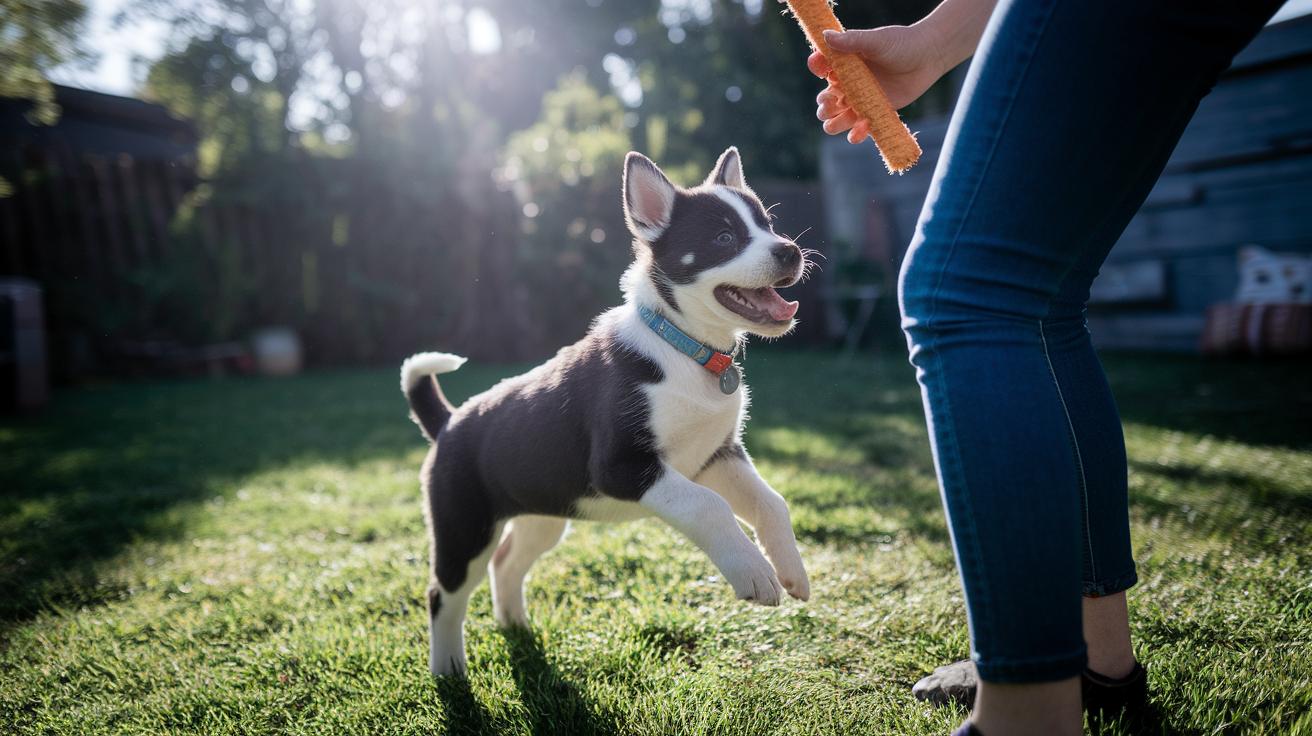
When your puppy starts jumping around, grab their favorite chew toy or ball right away. This simple move helps shift their energy from bouncing up and down to some fun play. For example, if your pup leaps to greet you, toss a soft ball and cheerfully say, "Great job, now fetch!" over and over until your little buddy looks at the toy instead of your legs.
Alternative Greeting Rituals
Instead of letting your puppy jump, try a gentle greeting ritual that both of you can enjoy. Teach your pup to give a soft nose touch or sit calmly before saying hello. When they come over, ask them for a sit or a gentle touch with your hand and say, "Let's greet nicely." Soon, this becomes their new way of saying hello, offering both warmth and a bit of structure.
Command-Based Redirection
If jumping happens, use a clear command like "off" or "down" paired with a quick click from your clicker. This interrupts the jump and brings your pup back to a calm state. Say the command in a friendly tone and praise them right away when they listen. This approach not only stops the jump but also shows your puppy that calm behavior brings positive rewards.
Mistakes to Avoid in Puppy Jump Training
One common mistake happens when we accidentally encourage our puppy's jumping by giving them attention. Picture this: your little buddy leaps up when someone visits, and you reward that jump with a kind word or a quick cuddle. Instead of teaching self-control, that extra love makes the jumping continue. Pushing them away or saying a tough "no" can leave your pup confused and even more excited about jumping. It just sends mixed signals and stops your training from being clear.
Another misstep is not being consistent with your timing when you correct the behavior. If your cue comes too late, your puppy struggles to connect the jump to your correction. This delay often leads to even more jumping because the link between the action and the calm moment gets lost. Instead, try to give a quick, clear signal so your pup learns that each jump means a pause without extra attention. Keeping a steady routine helps build trust and teaches your furry friend to greet everyone in a calm way over time.
Monitoring Progress in Puppy Jumping Control
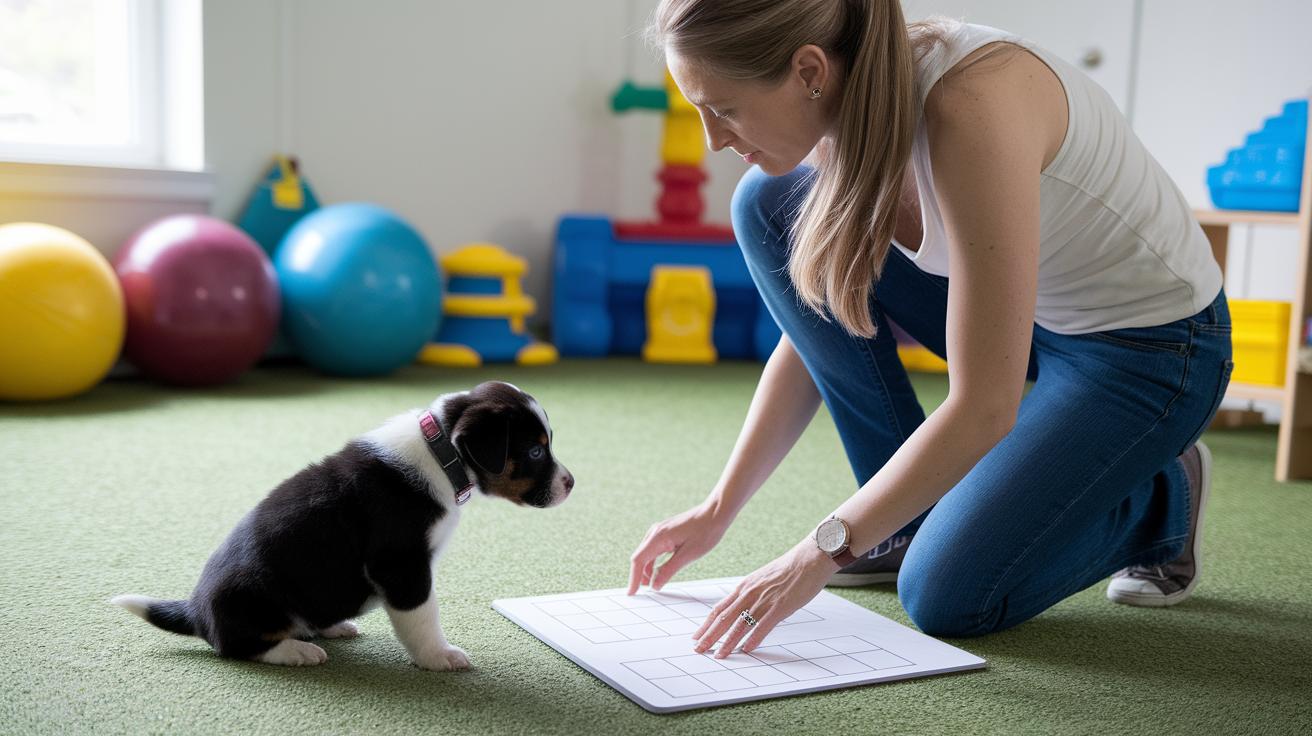
One important part of teaching your pup not to jump is keeping track of every training moment. Writing down every cue and noting when your puppy got it right, or when things went a bit sideways, can really help you see what works best. You can use a simple training form, a class calendar, or even Dog Class Signups to plan and record every session.
After a playful greeting, try jotting down if your little one stayed calm or burst with energy. It’s like keeping a diary of their progress that gently reminds you how consistent discipline builds great habits over time.
Having a clear record makes it easier to set realistic goals that match your puppy’s age and energy levels. For example, note every cue during greetings or play, and record those moments when your pup stays calm after a burst of excitement.
Take a little time every now and then to review your log. Look for patterns, decide on small adjustments, and set tiny, achievable milestones that suit your pup. Using these notes, you can tweak your techniques and keep your training approach in tune with your puppy's evolving behavior.
Regularly checking your notes creates a steady roadmap for improvement. It keeps the process friendly and data-driven, ensuring a lasting sense of calm during every greeting.
Final Words
In the action of shaping a calm greeting, we covered force-free training that uses clear cues and step-by-step exercises to stop puppy jumps. We talked about redirecting excitement through playful alternatives instead of using harsh corrections. The guide also reminded us how logging progress helps fine-tune your approach, whether you're using clicker-assisted cues or other methods.
Every training tip reinforces the idea that with consistent jumping puppy training, patience, and positive reinforcement, your puppy is on track for a happier, balanced life.
FAQ
How can I stop my dog from jumping on me or others when excited?
The dog jumping on people when excited can be reduced by rewarding calm greetings and using consistent, relaxed cues. This positive approach helps your pet learn a gentle welcome.
How do I teach a puppy to stop jumping up and biting?
The puppy jumping and biting is best handled with gentle, positive training. Reward calm behavior and redirect their energy with a toy or treat instead of punishment.
What can I learn from puppy training videos and Reddit posts about jumping?
The puppy training videos and Reddit posts show real-life examples of managing jumps using fun, force-free techniques like clicker cues and reward-based redirection.
Are there any devices that help stop a dog from jumping?
The device to stop a dog from jumping works by redirecting attention and reinforcing calm greetings. It pairs with training efforts by automatically rewarding quieter behavior.
How do large dogs benefit from training to stop jumping?
The large dog stopping jumping benefits from consistent, positive reinforcement that rewards calm greetings. This builds self-control and helps your big pup feel more relaxed with visitors.
When do puppies start jumping?
The age puppies start jumping is usually early in life as they express excitement. Training them gently from the beginning sets the stage for good manners as they grow.