

Have you ever noticed that your pet might love a fun car ride or a playful romp almost as much as a tasty treat? Most pet owners rely on food during training, but using what fills your pet with joy can build trust in a really natural way. In this article, we’re exploring how simple activities like a short walk or a lively game of fetch can reward good behavior. Every training moment becomes a little celebration of your pet’s favorite things, making learning fun and memorable.
Understanding Natural Rewards for Pet Training
Training your pet can be a fun adventure when you use rewards that feel natural to them. Instead of always offering food treats, you can tap into what your pet really loves, like a cheerful car ride, stepping out into the fresh air, or playing with pals. This idea is based on a simple rule: use your pet’s favorite activities as rewards (basically, letting them do what they enjoy most to celebrate good behavior). Imagine your pup sitting quietly, knowing that a joyful backyard exploration is just around the corner.
Using natural rewards is a smart way to teach new commands and boost your pet’s confidence during everyday moments. It helps create a habit that works in many different settings. For example, your dog might learn to sit at home and then do the same at the park or on a busy street. Picture this: before a fun car ride, Rex sits calmly by the door. A normal outing turns into a perfect training opportunity.
This approach moves away from relying only on food treats and builds lasting changes in your pet’s behavior. Every rewarded moment feels like a shared, special experience that brings you closer together. In truth, when your pet learns through natural rewards, they grow more relaxed and eager to please, enjoying every little adventure with you.
Benefits of Embracing Natural Rewards in Pet Training
Natural rewards work wonders in pet training. Research tells us that pets who get fun activities, not just treats, stick to commands longer. One study even showed that dogs rewarded with a chance for their favorite playtime behaved 20% better than those on a standard treat schedule. Imagine your pup patiently waiting for that outdoor romp, even when family life is in full swing.
Using natural rewards also builds a special bond between you and your pet. A quick game or a loving head scratch during a training session can make your pet feel special and eager to learn. Think about the joy when a focused pet responds with calm affection, training becomes a shared, happy adventure.
Plus, applying natural rewards in day-to-day settings helps pets overcome distractions. A pet who practices calm behavior at home will find it easier to handle the busy, noisy park, using all they've learned to enjoy every moment.
Common Natural Reward Strategies for Dogs and Cats
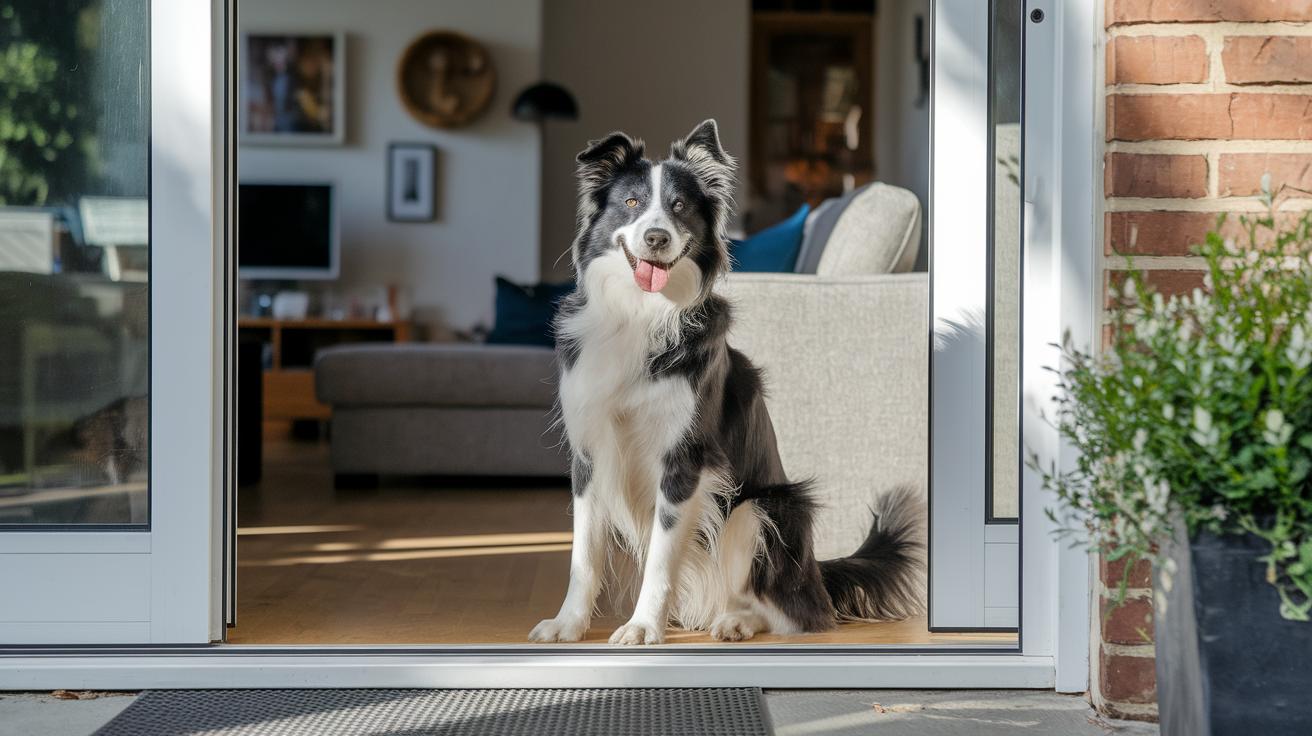
Every day can be a fun training adventure for your furry friend. Take the doorway exercise, for instance. Before you open the door to head out, ask your dog to sit or stay. It might sound surprising, but that calm pause turns the door into a mini training session. This simple trick helps your pup learn impulse control while making training part of daily life.
Another great tip is using leash time as a reward. When your dog sits patiently before you clip on the leash, you're boosting calm behavior and focus. Start with a short wait and gradually extend the time so your dog learns to stay relaxed even as things take longer.
Mealtime can be a playful training moment too. Imagine asking your dog to sit, lie down, or even gently touch your hand before placing the food bowl. A little reminder like, "Sit first, then enjoy your treat," builds a strong, positive habit during feeding time.
If your dog loves water, you can make splashing in the lake or pool even more exciting. Simply require a quick command, like sit or down, before letting your pet jump joyfully into the water. It adds a playful challenge to an activity they already adore.
Social time works well as a reward too. Whether it’s a play date or meeting a new friend, have your pet sit or make eye contact first. It sets a calm tone before the fun begins.
Cats can join in on these habits too. Try using head scratches, a sprinkle of catnip, or a quick laser-pointer game. These non-food treats tap into their playful side and keep training light and engaging.
Integrating Natural Rewards into Training Sessions

Try mixing up how you reward your pet to keep them focused. Instead of giving a treat every time they do the right thing, vary the timing a bit. For example, start by giving praise after one correct action, then wait a few extra seconds before the next reward. This little pause helps build excitement and makes the reward feel even better.
When your pet starts getting comfortable, slowly extend the wait time between their good actions and the reward. Begin with a one-second pause, and then add a little extra delay as sessions go by. Each extra second makes that treat feel even more special.
Next, add a touch of distraction during these practice sessions. Start in a calm spot and gradually introduce gentle background sounds, like soft music. This helps your pet stay focused even when there are little noises around, just like when you're trying to concentrate while there's a bit of chatter in the room.
Comparing Natural Rewards with Traditional Reinforcement Methods
Food treats can be a great motivator, but they're just one part of the reward story. Natural rewards build on what your pet already loves, turning training into a fun activity. Imagine giving your furry friend the chance for a quick door-opening treat or a longer, playful walk, instead of just another bite of kibble.
Relying only on treats may mean extra calories and a predictable routine. Instead, using natural rewards lets your pet earn moments that truly spark joy, like an exciting opportunity to explore or a playful burst of freedom. It’s about letting your pet work for what feels really rewarding.
To paint a clearer picture, here's a side-by-side look at how the approaches compare:
| Behavior | Food Treat Approach | Natural Reward Approach |
|---|---|---|
| Sit command | Small kibble or treat | Door-opening privilege |
| Calm leash walk | Training biscuit | Extended leash walk |
| Mealtime control | Chicken slice | Bowl delivery after sit |
Using natural rewards taps into your pet's own desires and makes training feel like a win every time. It’s a fresh way to keep your pet motivated while strengthening the bond between you and your best friend.
natural rewards in pet training: Spark Pet Joy

Let’s boost your training with fun techniques that keep your pet excited to learn while making your bond even stronger. These natural reward methods break up the routine by mixing up commands and slowly adding new challenges. For instance, combine an easy sit with a trick like a gentle hand touch. Start with something simple and then add another step once your pet feels confident.
Begin in a quiet room where your pet can focus without distractions. When they’re doing well, try adding soft background sounds or even letting them see another pet at a distance. This gradual change helps your pet stay calm when things shift around them. And if your pet stumbles, steer them gently instead of scolding. I remember when my dog Luna hesitated; a playful cue and some immediate praise worked wonders.
For trickier behaviors, break them into little, manageable parts. When your pet is learning a multi-step task, reward every small success along the way. You can also chain actions together for one smooth routine, imagine Max learning a series of steps like “step, pause, jump” where every move builds on the last.
Mixing up your rewards can keep things exciting too. Instead of giving a treat every time, try delaying the reward or surprising your pet with one now and then. This touch of unpredictability makes training feel natural and fun. Dogs like Max and Luna really shine with this playful approach, turning every session into a joyful, shared adventure.
Final Words
In the action, we explored how natural rewards in pet training use a pet’s own desires, like play or a special car ride, to motivate and teach new behaviors. We looked at ways these rewards strengthen bonds and help guide pets through simple to advanced training steps.
This approach moves away from traditional treat methods and makes training fun and engaging. It’s a positive, practical route that benefits both pet behavior and the owner-pet connection. Enjoy nurturing your pet’s growth.
FAQ
Frequently Asked Questions
What is the best reward for dog training and what is the reward method of dog training?
The best reward in dog training taps into your pet’s natural loves. Using activities like a fun walk or a little playtime reinforces good behavior naturally while building a strong bond without always relying on treats.
What are the rewards for an only natural pet?
Rewards for a natural pet lean on activities a pet already loves. Enjoying a car ride, a playful romp, or outdoor time can be more rewarding than food treats, making training feel genuine and fun.
What are the 5 D’s of dog training?
The 5 D’s in dog training often highlight steps like defining the behavior, demonstrating the command, delivering the reward, developing consistency, and delighting in the progress. This guides owners to shape behavior effectively using natural rewards.