
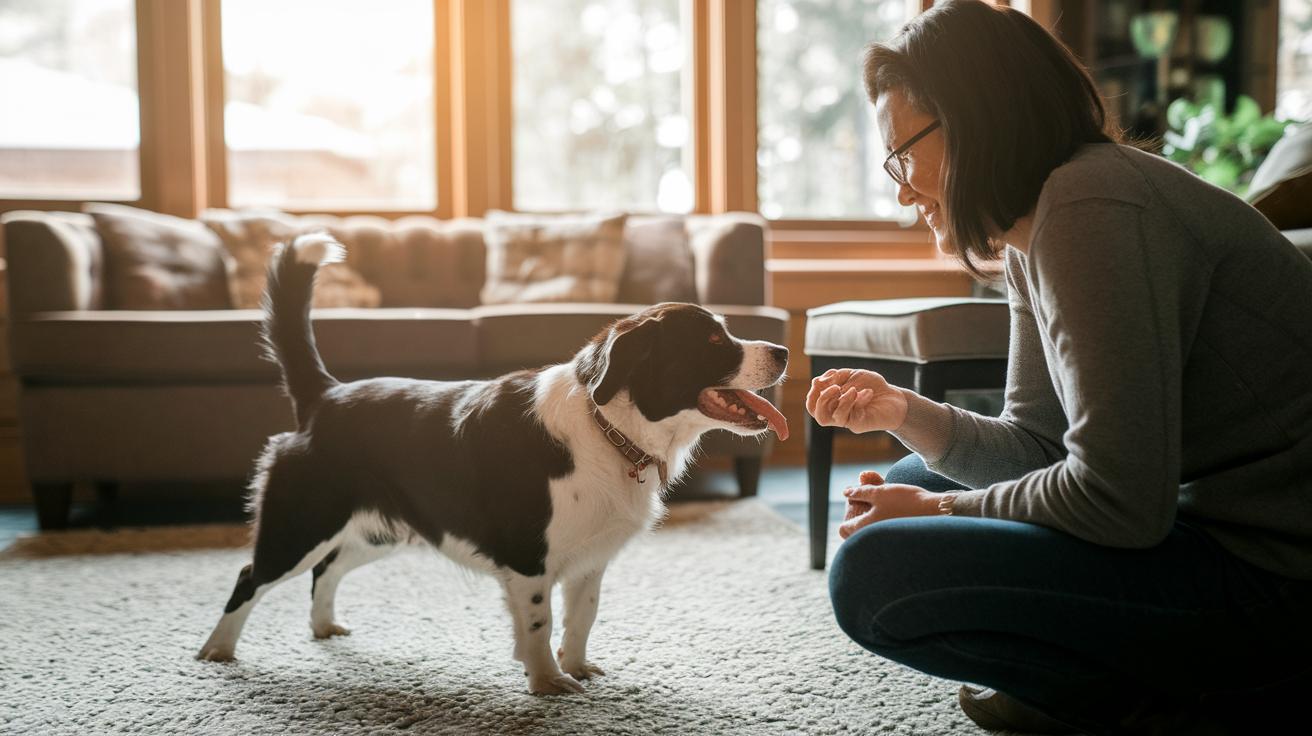
Do you ever wonder how to squeeze in a fun training moment for your pet even on the busiest days? Even when you have a tight schedule, a quick burst of positive training can bring smiles all around. Picture this: while you're preparing dinner, you take a couple of minutes to practice a fun trick with your furry friend, and just like that, both of you light up. This blog shares simple two-minute drills that not only boost your pet’s confidence but also strengthen the special bond between you. It’s a hands-on, easy approach that shows pet care can be effective and full of heart without taking up your whole day.
Quick Positive Reinforcement Routines for Busy Pet Owners
If your day is jam-packed, these quick training bursts are perfect for keeping things fun and easy with your pet. Each routine takes under two minutes, making them a great fit for even the busiest schedules.
-
Daily obedience drill: Try a short drill with commands like sit, stay, down, and come. Reward your pet instantly with a small treat and warm praise. Imagine your furry friend eagerly waiting for that yummy treat every time they obey.
-
Impulse control game: Practice commands such as Wait and Leave It in a fast-paced game that lasts just a minute. This helps your pet boost their focus and learn self-control. Ever notice how a little practice can switch chaos into calm?
-
Leash manners exercise: Spend one minute working on loose-leash walking. Picture stepping outside with your pet and turning a regular stroll into a mini training session that boosts confidence and makes walks more enjoyable.
-
Mental stimulation Find It: Hide a tiny treat around the room and let your pet sniff it out. This simple game gives them a fun mental workout and turns a search into a playful adventure.
-
Training while multitasking: Sneak in a quick command review while handling daily chores or during a work break. Think about pausing while chopping veggies to say, "Sit," and rewarding your pet right away. This turns everyday moments into playful learning opportunities.
Designing Efficient Daily Schedules for Positive Pet Training
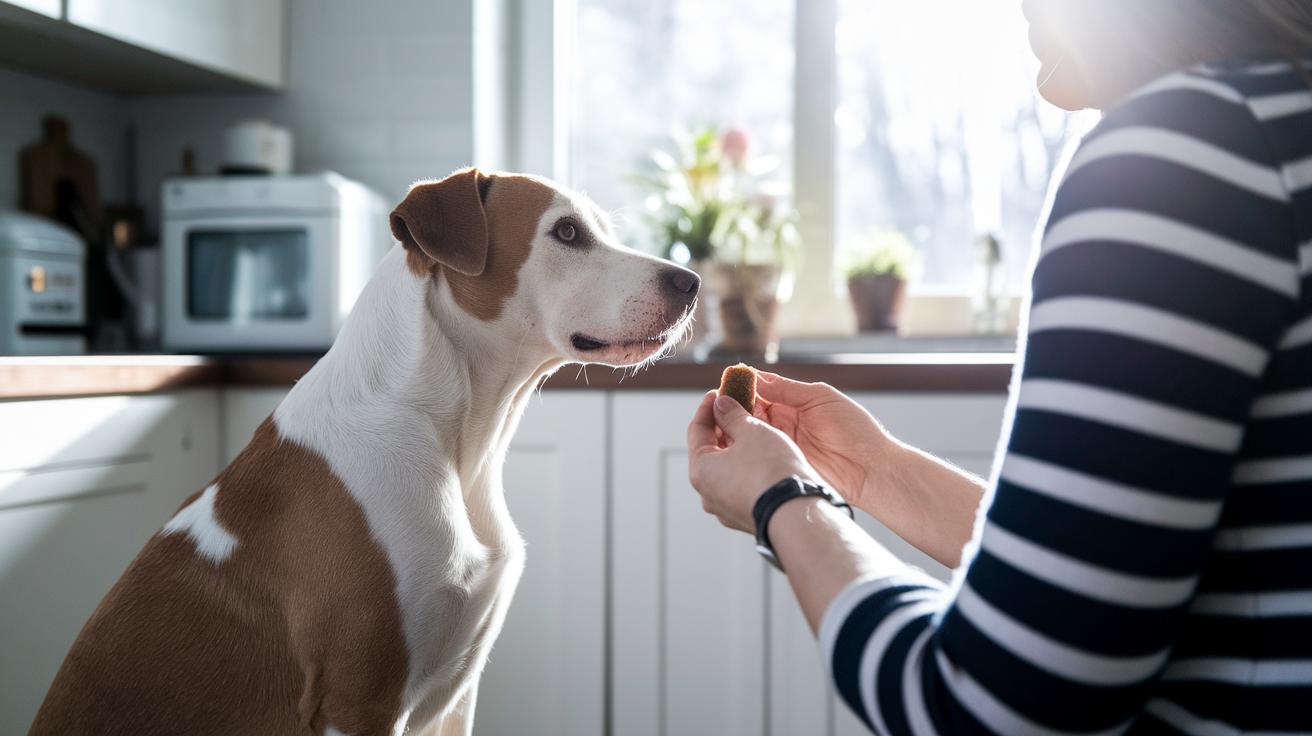
Imagine planning your pet's day like a little adventure. Start by outlining your training routine with simple checklists and soft tracking of behaviors, almost like noticing how the morning light gently touches your kitchen counter. You might begin with a quick two-minute session during breakfast prep, say “sit” before pouring a little milk and then celebrate with a tasty treat. Think of it as a small thank-you moment that sets a positive tone for the day.
A handy daily checklist can be your go-to tool:
Morning: As you prepare your pet's meal, greet them with a calm command to start the day on a friendly note.
Midday: Take a short pause to check in on behavior with a fun recall moment or a quick treat reward.
Evening: Enjoy a longer walk and mix in a series of commands, adding extra praise along the way to keep the training upbeat.
Keep a simple behavior log, maybe jot down that after the morning “sit,” you noticed a happy tail wag. These little notes help you see what works best for your pet and guide your next steps.
| Time | Activity | Training Focus |
|---|---|---|
| 7:00 AM | Morning routine | Sit during meal prep |
| 12:00 PM | Midday break | Recall or stay command |
| 6:00 PM | Evening walk | Chain commands like sit-stay-repeat |
Feel free to adjust the schedule as your pet grows more confident. If they pick up “sit” faster than expected, you can add more commands to keep things interesting. For extra ideas on keeping busy routines fun and effective, check out the resource at House training schedule for busy pet owners.
Constructive Communication and Reward-Based Behavior Tactics
Clear communication helps build trust between you and your pet. Reward-based behavior means giving a treat or offering kind words right after your pet follows a command. When you give the reward within one second, your pet quickly links their action to that positive moment. This timely response not only encourages good behavior but also deepens the bond between you two.
A simple, structured training routine makes learning fun. Use easy cues paired with a treat or a friendly "good job" to signal the right behavior. For instance, when you say "Sit" and your pet sits, offer a small reward right away. This gentle push shows your pet that following your lead is both enjoyable and beneficial.
Understanding your pet’s needs is at the heart of constructive communication. Adjusting your rewards or changing up your verbal signals can help your pet learn in a way that feels natural. Each clear cue, followed by quick praise, reminds your pet that their actions really do matter. This straightforward approach not only boosts obedience but also turns everyday moments into a celebration.
Using small rewards, like a favorite treat or a warm "good job," builds your pet's confidence. Viewing your pet respond eagerly to timely praise brings a lively energy to your training sessions. Give these tactics a try and watch as your pet becomes happier, more focused, and eager to learn every day.
Interactive Reward Games and Mental Stimulation Drills
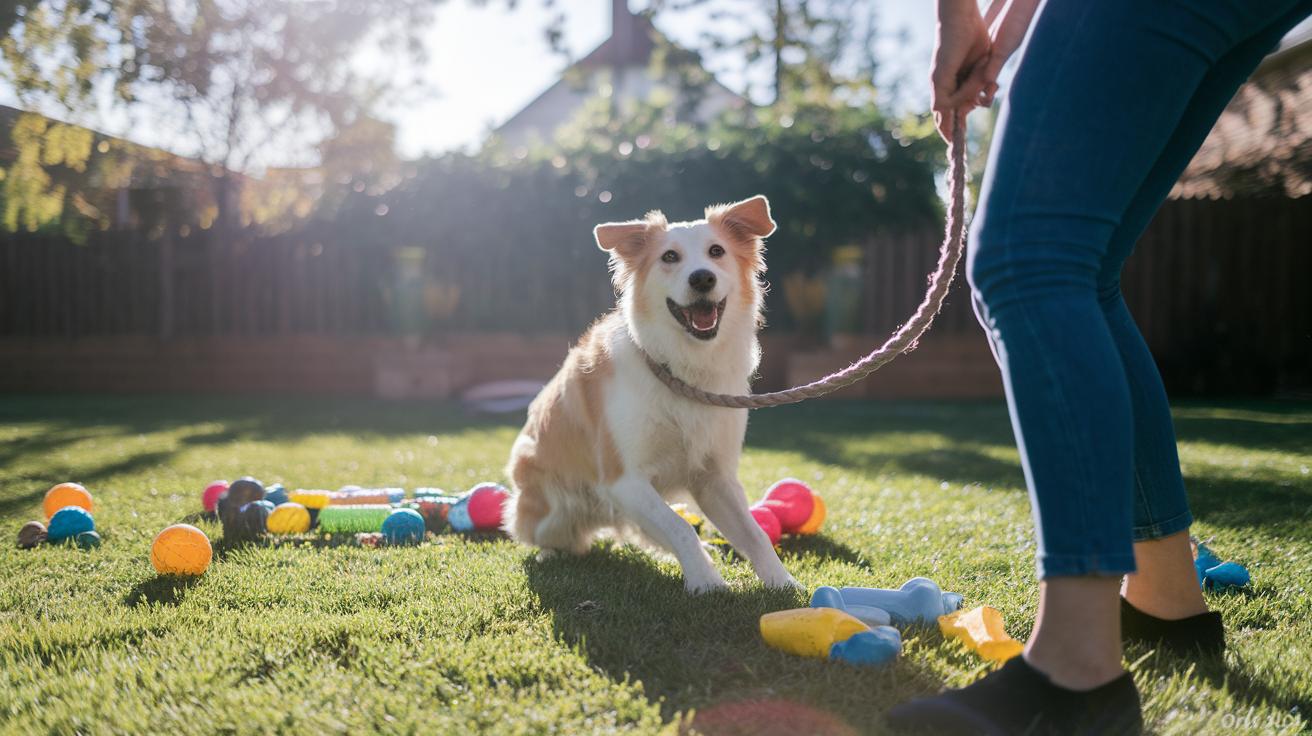
Have you ever seen how a bit of play can light up your pet’s mind? Try turning everyday moments into mini training sessions with fun reward games. For example, hide a little treat and watch your dog or cat go on a mini treasure hunt. It’s a simple game that sharpens their thinking and creates a special bond when you cheer each find.
Impulse control games like "Wait" or "Leave It" work wonders as mental workouts during your busy day. Many dogs love a quick tug-and-release game or a food-puzzle fetch session. And when that favorite squeaky toy joins the fun, it adds an extra burst of excitement.
Cats can join in too. A playful chase with a wand toy or a short clicker session can get them moving and thinking, all in just two to three minutes. These little bouts of play boost their instincts while easing boredom and stress.
These quick games easily fit into any break, making every session a little adventure for you and your pet.
Consistency, Progress Tracking, and Habit Formation Strategies
Regular training sessions help you build a strong bond with your pet. Short practice periods work wonders by giving your pet a routine, building trust, and encouraging calm behavior. Whether it’s a quick five-minute obedience drill or a speedy recall reinforcement during your coffee break, every moment counts. And if you’re pressed for time, professional training services can set up a personalized plan just for you, making learning feel organized and stress-free.
Keeping a daily log can really transform your routine. Write down which commands you practice, the treats you offer (a little reward goes a long way), and note how well your pet did. For example, you might record that after a morning "sit" and "stay" session, your pet became extra excited and focused.
- Daily logs help you see what works best.
- Weekly check-ins let you adjust drills and try new tricks.
- Regular tracking makes it easier to update the routine as your pet grows.
Taking a few minutes at the end of each week to look back on your progress is a great idea. Think about those moments when your pet truly shined and consider if a slight tweak might make the next session even better. For more tips on keeping your training steady, check out the resource at How to maintain consistency in house training.
Flexible, On-the-Go Training Blueprints
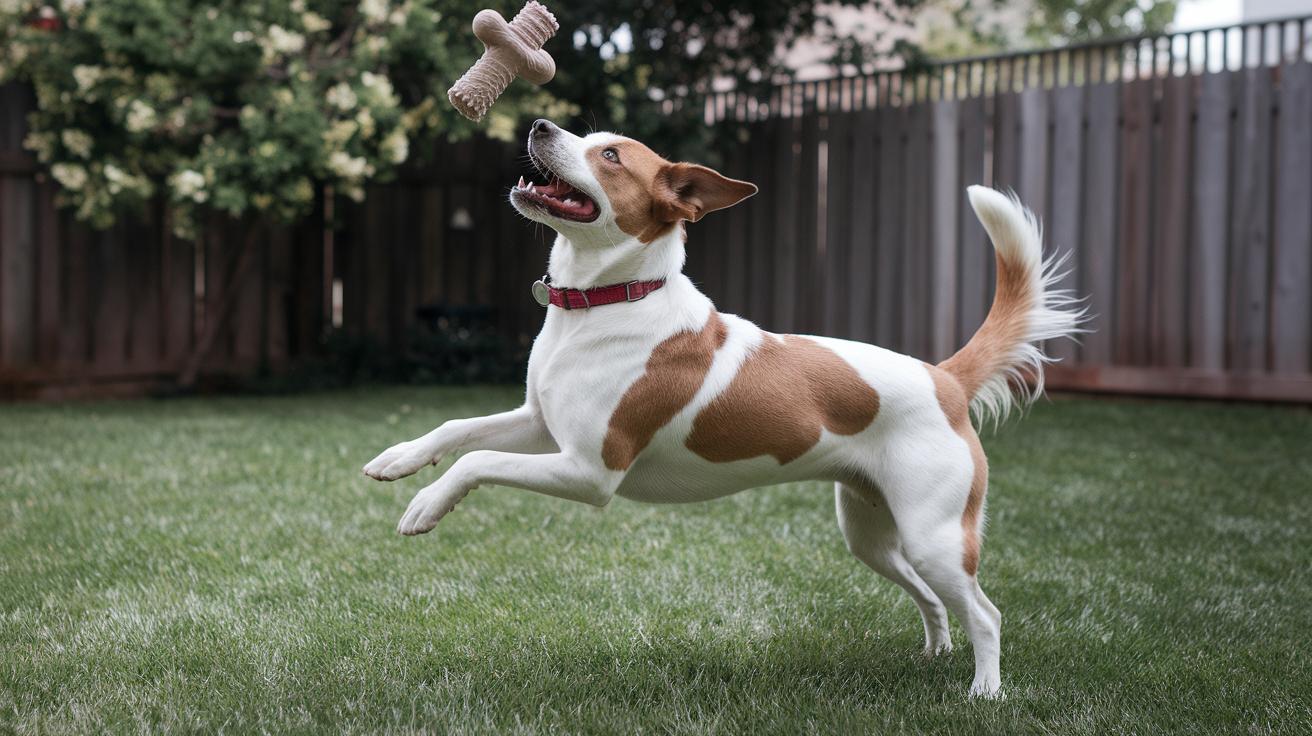
When training your pet, try using a chew incentive to make each moment fun. If your furry friend follows a command, give them their favorite chew toy as a reward. Imagine their excitement, their tail wagging happily as they grab the toy right after obeying you.
This simple strategy not only encourages good behavior but also sparks some independent play during busy moments. Instead of sticking to the same old routine, try fitting this reward into your daily activities. You'll build a stronger bond with your pet without needing extra time.
Final Words
In the action, we explored how brief, positive sessions can fit into any busy day. You learned quick routines like the five-minute obedience drill, impulse games, and one-minute leash manners that fit seamlessly with daily tasks. We talked about constructive rewards, interactive play, and easy ways to track progress, helping you build confidence and consistency. With positive pet training routines for busy owners, you can celebrate small wins and spark joyful learning each day. Enjoy the moments and watch your pet thrive with these simple, effective tips.
FAQ
What are Sue Ailsby training levels?
Sue Ailsby training levels refer to a series of steps that guide progressive dog training. They help pet parents work from beginner commands to more advanced skills using simple, reward-driven techniques.
How long does it take to train a dog basic commands and how many sessions should I do per day?
Training basic commands can be achieved with regular practice. Short, focused 5-minute sessions two or three times daily build consistency and help your pet learn reliably through positive reinforcement.
What does basic obedience dog training involve?
Basic obedience training involves learning simple commands like sit, stay, and come. It focuses on clear cues, treats, and praise to build a solid foundation for your pet’s overall behavior.
How can I find dog training near me?
Local dog training centers, pet stores, and online directories offer nearby options. Ask your veterinarian or fellow pet parents for trusted recommendations when searching for quality training in your area.
When should I start obedience training and how do I teach dog obedience?
It’s best to begin obedience training early when your puppy is ready. Integrating playful, short sessions into daily routines with treats and praise helps teach commands while strengthening your bond.
What is AKC dog obedience training?
AKC dog obedience training follows established standards with a focus on clear commands and firm recall. This approach uses praise, positive reinforcement, and gentle corrections to create a well-mannered companion.