

Have you ever wondered if natural remedies might help your dog deal with Cushing's disease? In the U.S., only about one or two dogs per 1,000 face this condition, so lots of pet parents are turning away from surgery or heavy medications. Renew suggests a gentler path by tuning into your dog’s body. Think of it like this: a change in diet, a few helpful herbs (natural ingredients that support wellness), and more calm, playful moments can really make a difference.
This article shares easy, everyday ways to give your furry friend the support they need using nature’s very own care. Imagine the soft crunch of a fresh treat or the soothing sound of your dog’s contented sigh during a quiet playtime. It’s like giving your pet a little hug from nature.
Holistic Alternatives for Managing Cushing’s Disease in Dogs
Natural treatments can work gently with your dog's body. Cushing's happens when there’s too much cortisol (a stress hormone) because of issues with the adrenal or pituitary glands, or even too many steroids. It affects about 1 or 2 dogs out of every 1,000 in the U.S. Many pet parents prefer natural routes over surgeries, radiation, or harsh medications.
Changing your dog’s diet can be a big help. Think of a meal that's low in fats but high in easy-to-digest proteins (proteins that fuel and repair the body). Picture prepping a nourishing meal with high-quality raw proteins, crisp veggies, and a few fruits. This kind of food can help manage cholesterol levels and support muscle strength.
Herbs can also lend a paw in caring for your dog’s condition. Plants like dandelion root, burdock root, nettle, and milk thistle might help support adrenal function. Plus, supplements like melatonin (a natural hormone that helps balance sleep and hormones) can be a gentle way to keep your dog's body in sync.
Adding some stress-busting activities and gentle exercise into your dog's day can make a real difference. A few calm walks or playful moments can help ease stress and boost overall well-being. Always have a quick chat with your veterinarian before adding any new methods to your pet’s routine.
Recognizing Early and Advanced Stages of Cushing’s Disease in Dogs
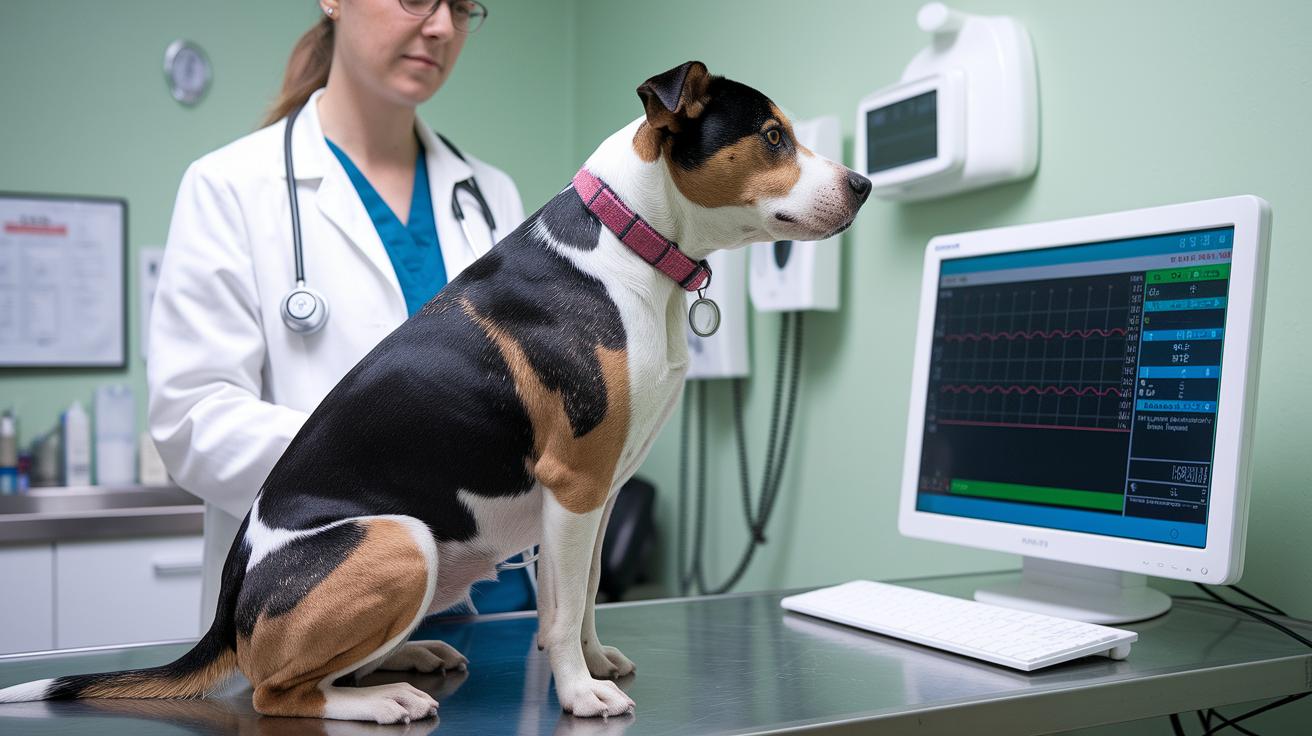
Sometimes our furry friends can show small hints that something isn’t quite right. You might see your usually bouncy dog drinking more water or needing more bathroom breaks. Maybe you even notice a rounder tummy or thinning fur, or your pal just seems a bit slower than usual. When these signs pop up, it’s a good idea to chat with your vet so they can take a closer look.
Vets use a few tests to check for Cushing’s disease. They might do a low-dose dexamethasone suppression test (a way to see how your pet’s body handles certain hormones) even though it can sometimes miss a few cases, along with ACTH stimulation tests and urine cortisol:creatinine ratios. They also may use tools like abdominal ultrasounds, CT scans, or MRIs (which are really detailed pictures of your pet’s insides) to peek at the adrenal and pituitary glands. Figuring out whether it’s the pituitary or adrenal side of the disease helps guide the next steps in care. Keeping a close eye on these subtle changes can really make a difference in your dog’s health, opening the door to treatments that could give your best friend a longer, happier life.
Dietary Strategies for Natural Cortisol Control in Dogs
A balanced diet can help keep your dog's cortisol levels in check, even if they're dealing with Cushing’s disease. Try a mix that's low in fat and high in easily digestible proteins. Think of a meal with lean meats like chicken or turkey that helps rebuild muscles with every bite.
You might also consider raw food. Fresh proteins, veggies, and fruits pack a punch of nutrients that work well with your dog's natural enzymes. Start by mixing a small amount of raw food into their regular meal and gradually increase the portion over a week.
Watch out for commercial diets that have too much fat and sugar, or that are low in protein and full of artificial additives. Those can raise cortisol levels and lead to extra fat build-up.
Adding some anti-inflammatory ingredients can further support your dog's hormone health. A few drops of fish oil, along with pumpkin, carrots, and blueberries, add extra nutrients and help keep their hormones balanced.
Herbal and Nutraceutical Options for Canine Endocrine Support
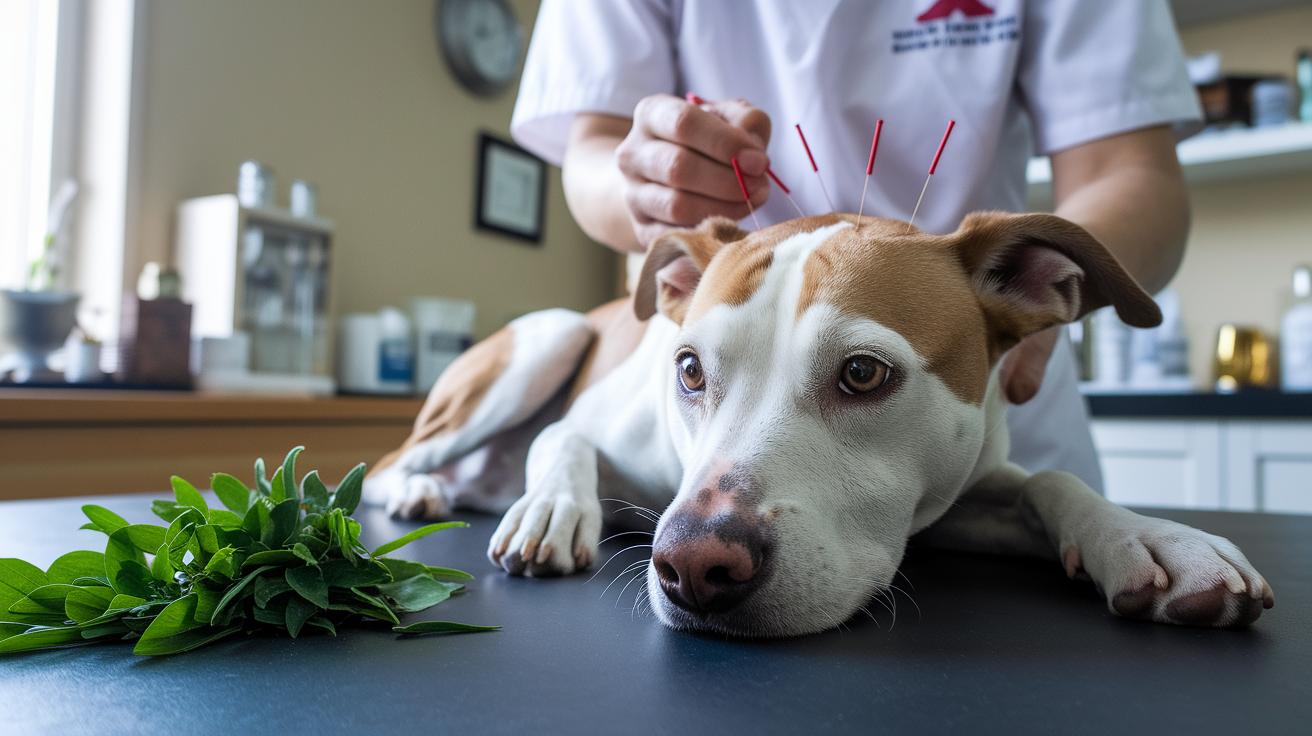
Western herbs can be a gentle way to help your dog's body when it comes to managing cortisol levels due to Cushing's disease. Dandelion root acts like a natural helper, encouraging the body to flush out toxins, much like a well-kept engine running smoothly. Other herbs like burdock root, nettle, milk thistle, and astragalus support healthy liver function and detoxification, giving the adrenal glands a helping paw.
Traditional Chinese herbs add another layer of care. For example, Ginkgo biloba boosts blood flow to the adrenal glands, much like a soft stream soothing tired tissues. This gentle support can assist in balancing hormones in your pet.
Natural supplements are another great option. Melatonin not only helps regulate a dog's sleep cycle but also aids in hormone balance. Lignans, which work much like natural plant hormones (phytoestrogens), may help control excess estrogen production, while glandular adrenal extracts offer concentrated support directly to the tissues that need it most.
Always remember to follow proper dosing guidelines when adding these botanical therapies to your pet's routine. It’s best to consult with a holistic vet or qualified herbalist. Working together with a professional ensures your furry friend gets safe and effective care, blending natural therapies with the right timing for a happy, healthy life.
Complementary Therapies: Acupuncture & Chiropractic Support for Cushing’s Dogs
If your dog is dealing with Cushing’s disease, acupuncture might be just the gentle helper you need. This approach uses tiny needles placed along energy channels (little paths in the body) to ease inflammation and balance hormones. Many pet parents have noticed more energy and comfort in their furry friends after a few sessions.
Likewise, chiropractic adjustments can offer natural comfort. These hands-on techniques help nerve signals travel better, which can support overall hormone balance. Some caregivers have seen their dogs move with a lighter step, almost as if their discomfort has lifted.
There’s also homeopathy, where individualized remedies are crafted based on your dog’s specific signs. Pet parents have shared stories of dogs feeling more at ease and lively, making life a bit brighter.
Together, these therapies give you extra tools to naturally manage Cushing’s disease in your beloved pet. Have you ever seen how a gentle touch or a caring session can bring a sparkle back to your dog’s eyes?
Developing Homemade Nutrition Plans for Canine Endocrine Health

When planning your dog's meals, think of lean proteins like chicken or turkey, mixed with veggies like pumpkin and carrots, and even a few blueberries for a fruity twist. Transition to the new food slowly over 7 to 10 days. Try serving two small meals a day, one in the morning and one in the evening, to help keep your pup's energy steady.
Here's a simple recipe that lays out exact portion sizes and handy preparation tips. Lightly steam the veggies first; it makes them easier to digest and helps your dog soak up more nutrients.
| Ingredient | Portion | Benefit |
|---|---|---|
| Chicken | 1 cup, chopped | Offers essential amino acids (building blocks for hormones) |
| Pumpkin | 1/4 cup, lightly steamed | Provides fiber and beta-carotene for digestion and overall health |
| Blueberries | 1/8 cup | Rich in antioxidants that help reduce inflammation and boost immunity |
If you're focusing on a cortisol-sensitive diet, avoid giving your dog processed snacks with artificial additives, high-fat foods, treats with artificial colors, sugary items, or products packed with artificial preservatives.
Before serving, stir all the ingredients together to make one balanced meal. Gradual transitions and steady meal times work best to keep your furry friend feeling great and their stress hormone levels in check.
Safety, Limitations & Veterinary Guidance for Natural Cushing’s Treatments
Natural treatments can be a nice extra boost alongside the care your vet already gives your pet. They work with regular tests like blood work, scans, and the usual medications to help manage hormone issues at home. Just remember, these natural options aren’t meant to replace your vet’s tests or treatments, they simply add a little extra support.
There are a few things to keep in mind when using natural therapies. For example, mixing herbs with medicines can sometimes lead to unwanted reactions, or you might end up with the wrong dose or even a nutrient imbalance if not managed carefully. It’s important to closely watch your pet for any changes and to be aware that supplements and long-term care might add extra costs. Regular visits to your vet (or holistic vet) and lab checks are key in spotting any problems early and keeping your pet’s hormone levels in check.
Listening to your vet’s advice on natural dog therapies is always a smart move. Working hand-in-hand with your veterinarian makes sure any natural treatment fits safely and smoothly into your pet’s overall care plan.
Final Words
In the action, we explored whole-body ways to ease Cushing’s disease in dogs. We broke down diet steps with fresh ingredients, herbs for hormonal balance, and even approaches like acupuncture and chiropractic care that work alongside traditional vet advice. Each section gave simple, friendly steps to help spot early signs and craft homemade meals that assist in overall well-being. Using natural treatment for cushing's disease in dogs offers a hopeful path toward better health for your furry family member.
FAQ
Q: What are natural treatments for Cushing’s disease in dogs and how do they lower cortisol naturally?
A: The natural treatment for Cushing’s disease in dogs includes dietary modifications, herbal supplements, and lifestyle changes aimed at lowering cortisol while promoting overall wellness.
Q: Do supplements like melatonin and lignans help dogs with Cushing’s disease?
A: Melatonin and lignans support sleep cycles and hormone balance, providing extra help in managing cortisol levels for dogs with Cushing’s disease.
Q: What are the best dietary strategies for dogs with Cushing’s disease, including homemade diets and foods to avoid?
A: The best dietary strategies involve using low-fat, high-quality proteins with natural ingredients, while homemade diets should avoid grains, sugars, and artificial additives to lower inflammation and cortisol.
Q: How can you comfort a dog diagnosed with Cushing’s disease?
A: Comforting a dog with Cushing’s disease means offering gentle, loving care, a calm environment, and a consistent routine, along with regular veterinary guidance.
Q: Can a dog live with Cushing’s disease without treatment?
A: Some dogs live with unmanaged Cushing’s disease for a while, but ongoing symptoms may worsen over time, so professional monitoring and natural management are recommended.
Q: Is flaxseed good for dogs with Cushing’s disease?
A: Flaxseed provides omega fats and fiber that can support overall health in dogs, yet it’s best to consult your vet to see if it’s suitable for managing Cushing’s disease.