
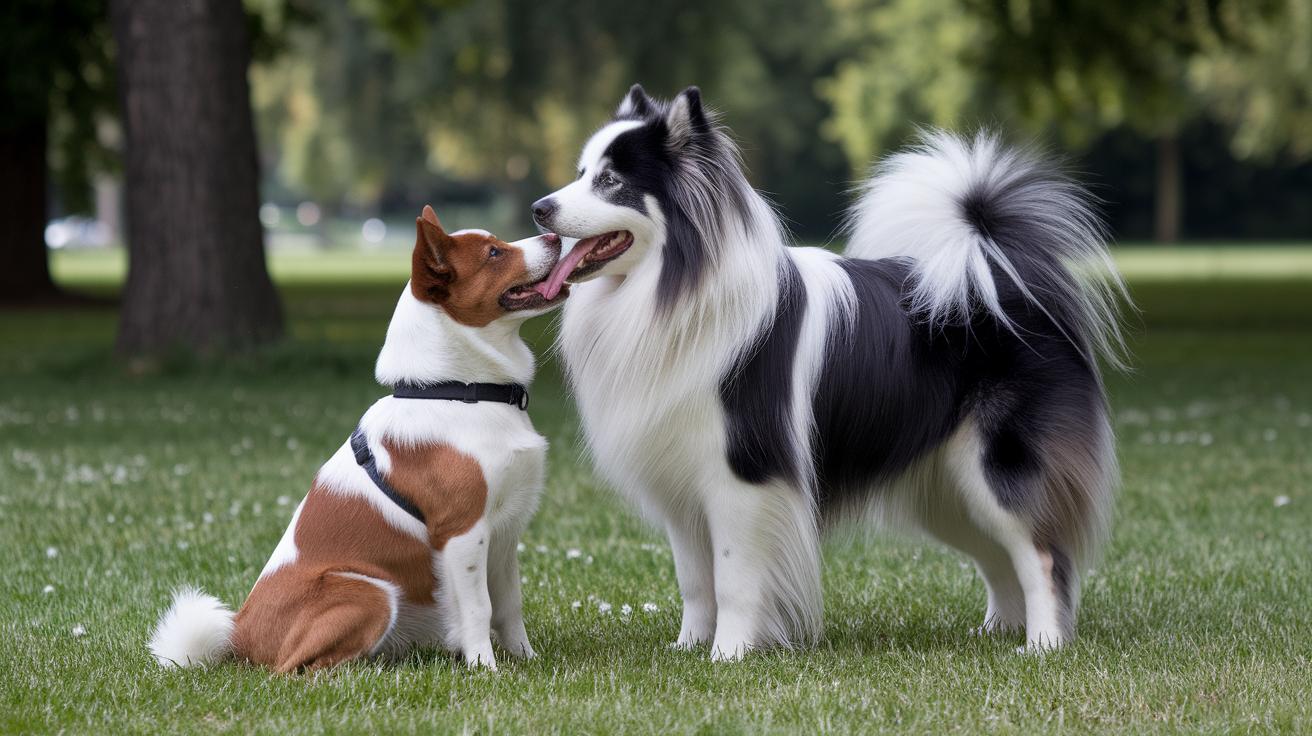
Ever thought a little treat might change your pet's whole day? When you give treats, you're not just rewarding a command, you’re boosting your pet’s confidence and turning worry into wagging tails. Imagine your pup lighting up with a happy wag after a friendly greeting; each treat makes a small moment turn into a big, joyful win.
In this post, we chat about how these tiny rewards help your pet stay calm and friendly no matter where they are. And it's more than just following rules; it's about building a warm bond that makes every moment together a little extra special.
How Positive Reinforcement Training Enhances Socialization Skills
Early socialization is key for your pet. It starts when puppies are just a few weeks old, usually around 3 weeks, and goes on until they’re about 16 or 20 weeks old. During these precious weeks, they meet new people, animals, and explore fresh surroundings. Imagine a tiny pup meeting a kind neighbor and getting a little treat right away. Moments like these help shape a calm, confident pet for the future.
Positive reinforcement is all about rewarding the good stuff right when it happens. When your dog sits on command or behaves well, a quick word of praise, a tasty treat, or a short play session works wonders. Think about it like this: a burst of joy that lets your pet know, "Good job!" Each reward builds little wins. Over time, these wins add up, boosting your dog’s trust in you and making social interactions smoother.
Even older dogs can join in the benefits of positive reinforcement. With a bit of patience and step-by-step exposure to new things, combined with those timely rewards, even a pet with a rough past can learn to feel at ease. Picture an adult dog slowly easing into group play where every calm and friendly moment gets a reward. This gentle approach helps both puppies and mature dogs become more confident, well-adjusted members of your family.
Developmental and Adult Socialization Windows in Positive Reinforcement Training
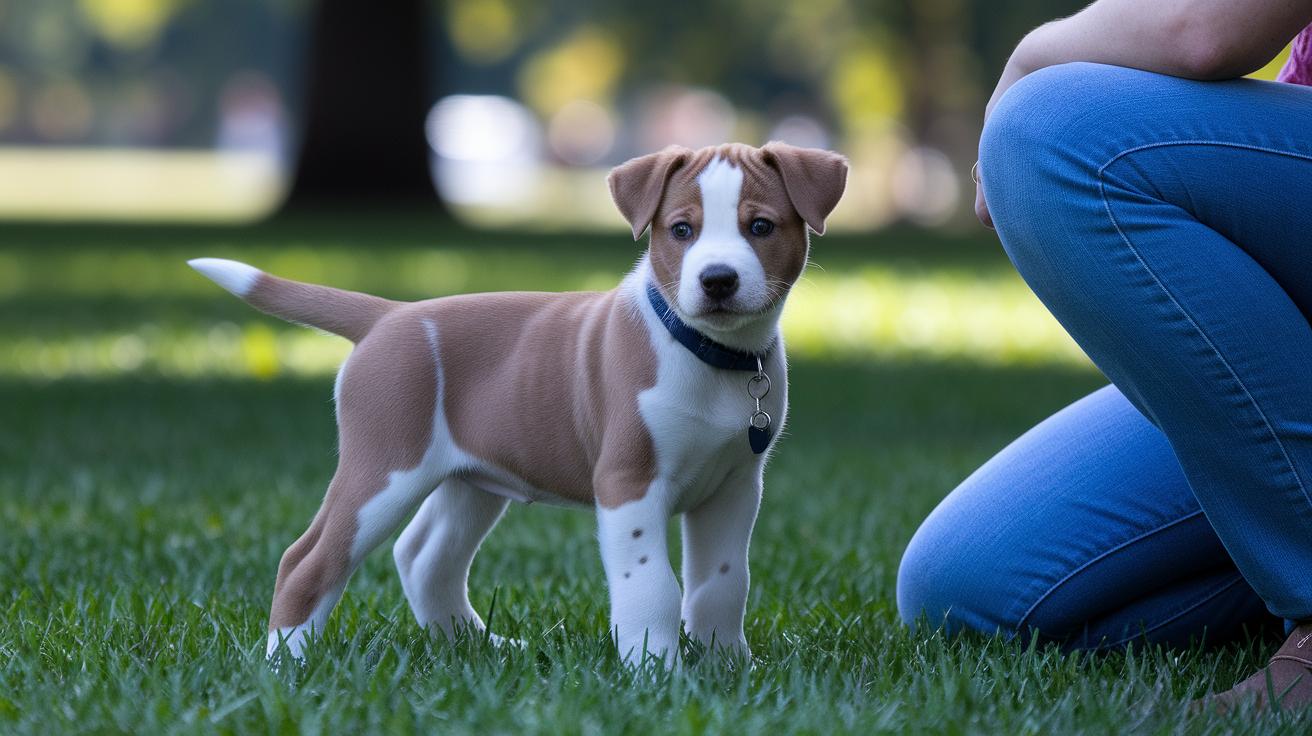
Positive reinforcement training helps build good behavior and opens special moments for socializing. When your pet has happy experiences at the right times, it feels calm, safe, and ready for new adventures. This method works well for pets of all ages, easing fears and making every encounter more fun.
-
Puppies between 3 and 14 weeks:
At this stage, little pups explore their world with less fear. They enjoy meeting new people, visiting different places, and playing with other animals. Picture a tiny puppy greeting a new friend and getting a quick treat that builds trust and comfort. -
Puppies between 14 and 20 weeks:
Now things get a bit more complex. During this period, group games and visits to various places help your pet learn empathy and adapt better. Every new meeting becomes a chance to boost confidence and improve how they interact with others. -
Adult dogs over 20 weeks:
For older dogs, a slow and steady mix of new experiences and rewards helps ease any lingering worries. This caring approach not only calms nerves but also helps make big changes in behavior, making social outings much smoother.
Interactive Techniques for Socialization with Positive Reinforcement
Interactive training sessions give your pet a chance to meet new people, animals, and explore different places, all in a fun, safe way. We use simple commands like "sit" or "stay" paired with quick rewards such as treats, kind words, or a bit of playtime. This builds a bridge between new experiences and the warm, safe feelings your pet knows best. Imagine a playful pup staying calm while another dog zooms by, then getting a treat as a high-five for keeping cool, it’s a clear, positive message that makes them feel secure.
Gradual Exposure Techniques
With gradual exposure, you slowly ease your pet into busier, more challenging social scenes. Start with quiet, low-distraction spaces where your pet feels at ease. As they build confidence, introduce settings with a bit more going on. Offer a quick treat or friendly praise when they remain relaxed, like during an unexpected sound. This step-by-step process nurtures their growing bravery and teaches them that new things can be rewarding.
Environment-Based Conditioning
Environment-based conditioning is about helping your pet feel good in different places. Begin at a calm, quiet park where your pet can explore at their own pace, and make sure to reward their calm behavior. Gradually visit livelier areas, always reinforcing positive responses with a treat or a kind word when your pet follows your cue, like sitting on command. Over time, they’ll start linking new environments with comfort and positivity.
Social Play Sessions
Social play sessions encourage friendly interactions and gentle manners during group play. Set up small playdates where a few pets can interact under careful supervision. When your pet meets a new friend calmly and joins in the fun, reward them right away with a treat or a warm compliment. This immediate feedback not only makes playtime fun but also helps your pet develop healthy, lasting social skills.
Real-World Success Stories in Positive Reinforcement Socialization

A recent four-week study showed how a small puppy, once anxious during group play, began to relax when every calm moment was rewarded with a treat. This clear, immediate reward helped ease the puppy’s worries and set the stage for happy group play. It’s amazing how even a short program can lead to big changes.
Programs like Puppy Pawzibilities and Basic Pawzibilities have really helped young dogs build trust. Pet parents have noticed that as treats and praise became a regular part of playtime, their puppies started enjoying group fun with other dogs and people. One family mentioned that every little win made their puppy feel more confident, and soon, it was excited to join every session.
Even adult dogs can benefit from this approach. For example, one older dog with a history of fear took part in a six-week program that gently introduced it to new places. Rewarding calm behavior along the way helped it feel safer and build trust. This shows that positive reinforcement works, no matter the age.
These real stories remind us that a simple, reward-based approach can change behavior, strengthen bonds, and help pets feel more at ease. Have you ever seen how a little treat can brighten your pet’s day?
Building Consistency for Lasting Socialization Benefits
Keep training sessions around 10 minutes so your pet stays engaged without getting overwhelmed. Imagine a short, energetic burst of training where your dog is all in, then quietly takes it all in without any stress.
At first, give treats or kind words right away when your pet does something right. Then, slowly ease off the rewards a bit. This gentle change helps your dog keep up the good behavior even without constant praise.
Plan a daily routine that blends brief social moments, playtime, and rest. Picture a day where you set aside a few minutes for your pet to explore new sounds, enjoy a fun play session, and then relax calmly. This steady mix helps build a balanced routine.
Lastly, keep a simple log of your pet’s small wins and any struggles. Jotting these down lets you adjust the training sessions so they stay fun and stress-free for both of you.
Scientific Evidence Supporting Socialization Benefits of Positive Reinforcement Training
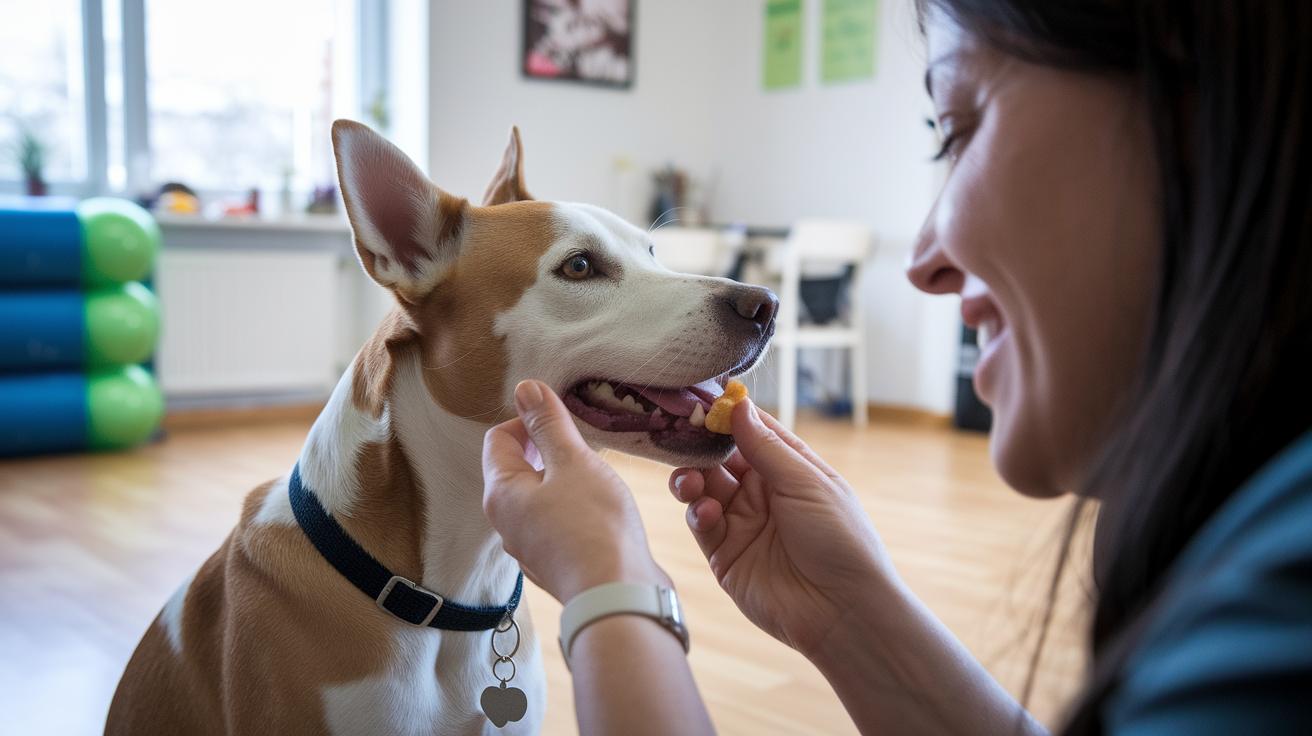
Studies reveal that using treats and praises to reward our pets not only keeps them mentally active but also calms their bodies. When you give a treat immediately, your dog learns that trying new things can feel safe and even fun.
Research shows that a puppy’s first few weeks, between 3 and 14 weeks old, are super important. During this time, little pups start to see new people, animals, and places as friendly, which helps them feel less scared later on.
For older dogs, a well-planned training program lasting six to eight weeks works wonders. This slow and steady approach can really boost their confidence, showing them that stepping into new social spots isn’t something to worry about.
Even our pet’s chemistry plays a part. Reward-based training triggers happy chemicals in the brain, like dopamine, which builds a strong bond and helps them remember those good times for a long time.
Final Words
In the action, we saw how positive reinforcement training builds trust and encourages playful, calm interactions. It reinforces social bonds through immediate rewards and manageable training sessions.
This article shared how early exposure and patient guidance help both puppies and adult dogs thrive. Embrace the socialization benefits of positive reinforcement training for a happier, more confident pet.
FAQ
What are the socialization benefits of positive reinforcement training in dogs?
The socialization benefit of positive reinforcement training in dogs is that it rewards good behavior, helping dogs build trust, reduce stress, and boost their confidence when interacting with both people and other animals.
How does positive reinforcement differ from negative reinforcement in dog training?
The positive approach rewards desirable behavior with treats and praise rather than punishing mistakes. This method builds trust, alleviates anxiety, and creates a more enjoyable learning experience for your dog.
How does clicker training support positive dog training techniques?
The clicker training method uses a clear sound marker to pinpoint the exact moment a dog does something right. This immediate feedback, paired with rewards, helps your dog learn faster and feel more confident.
What scientific evidence backs positive reinforcement dog training?
The scientific evidence shows that reward-based training lowers stress markers and triggers dopamine release, which strengthens the bond between pet and owner and cements positive behaviors in dogs.
How does positive reinforcement influence overall dog behavior?
The positive reinforcement method shapes dog behavior by rewarding calm and desirable actions immediately. This clear, supportive system helps reduce fear and anxiety while encouraging consistent and improved social and obedience skills.
How does positive reinforcement benefit puppy training?
The benefits for puppies include building trust and confidence during critical developmental stages. Rewarding good behavior early on sets the foundation for calm, well-adjusted puppies who handle new experiences with ease.