
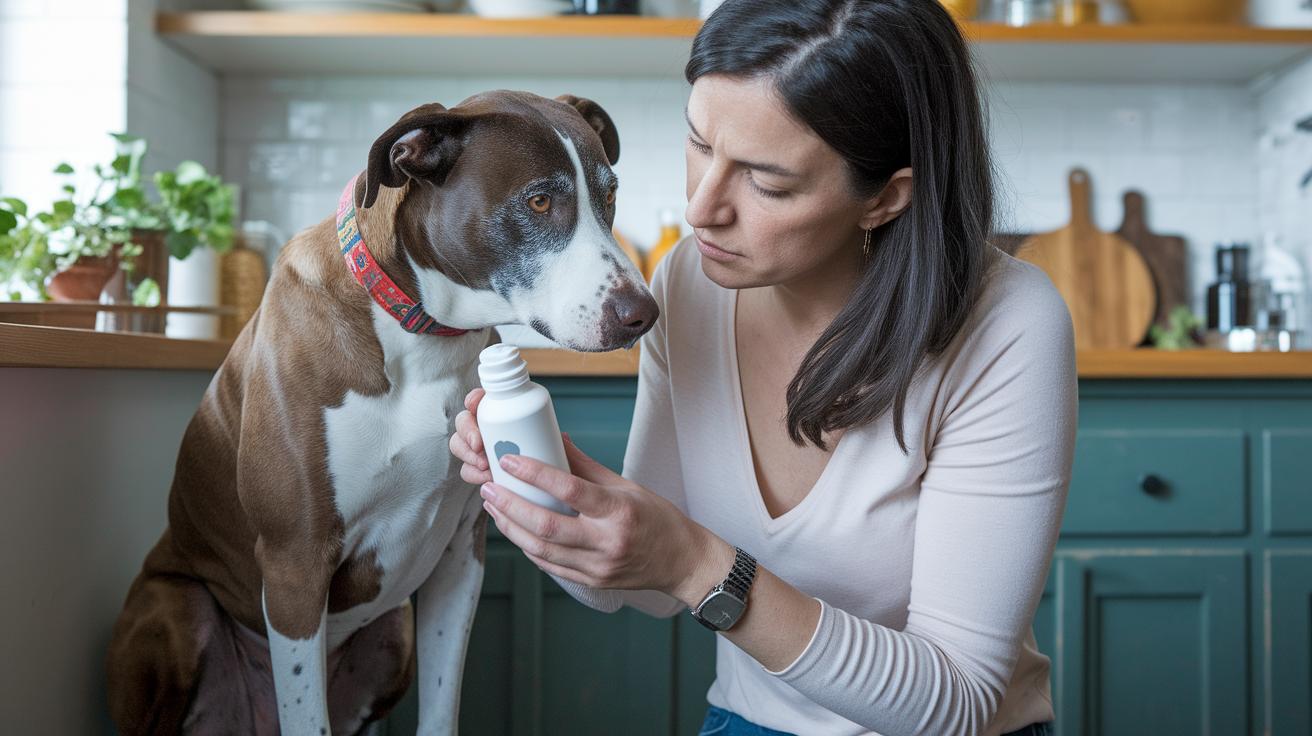
Have you ever thought about a gentler way to care for your pet? More pet parents are choosing treatments that leave out harsh chemicals and instead rely on nature's own remedies. Natural options, like herbal pain relievers (plant-based help for easing pain) and organic creams (soothing, naturally made creams), can help support your pet's well-being while keeping your home safe. Imagine the feel of switching from synthetic products to these nature-inspired choices, the difference can be as refreshing as a cool breeze on a warm day. Read on to discover why a safer, more natural approach might be the perfect match for your furry friend's care plan.
Defining Non-Toxic Alternatives for Pet Medications
Non-toxic alternatives are treatments that skip harsh, synthetic chemicals and help keep side effects low. Pet parents are more worried about leftover chemicals in regular products these days, so they look for natural options that are kind and safe. Many families even choose eco-friendly treatments, trusting vets who recommend gentler methods. For example, adding non-toxic medication options to your pet’s yearly health plan can be a smart choice, just like in this guide on Building a preventive care plan for your pet (https://getpetsavvy.com?p=7208).
These treatments include a variety of nature-based healing ways. Think herbal antibiotics, natural pain relievers, organic creams, and powders that help repel fleas and ticks without using nasty chemicals. Each choice is made to keep your pet safe from side effects while also keeping your home free of synthetic residues. Many pet owners say that picking non-toxic products not only boosts overall pet health but also makes their furry friends happier. This well-rounded approach, backed by advice from vets, makes it a favorite among caring pet parents.
Natural Antibiotic Alternatives in Non-Toxic Pet Medications
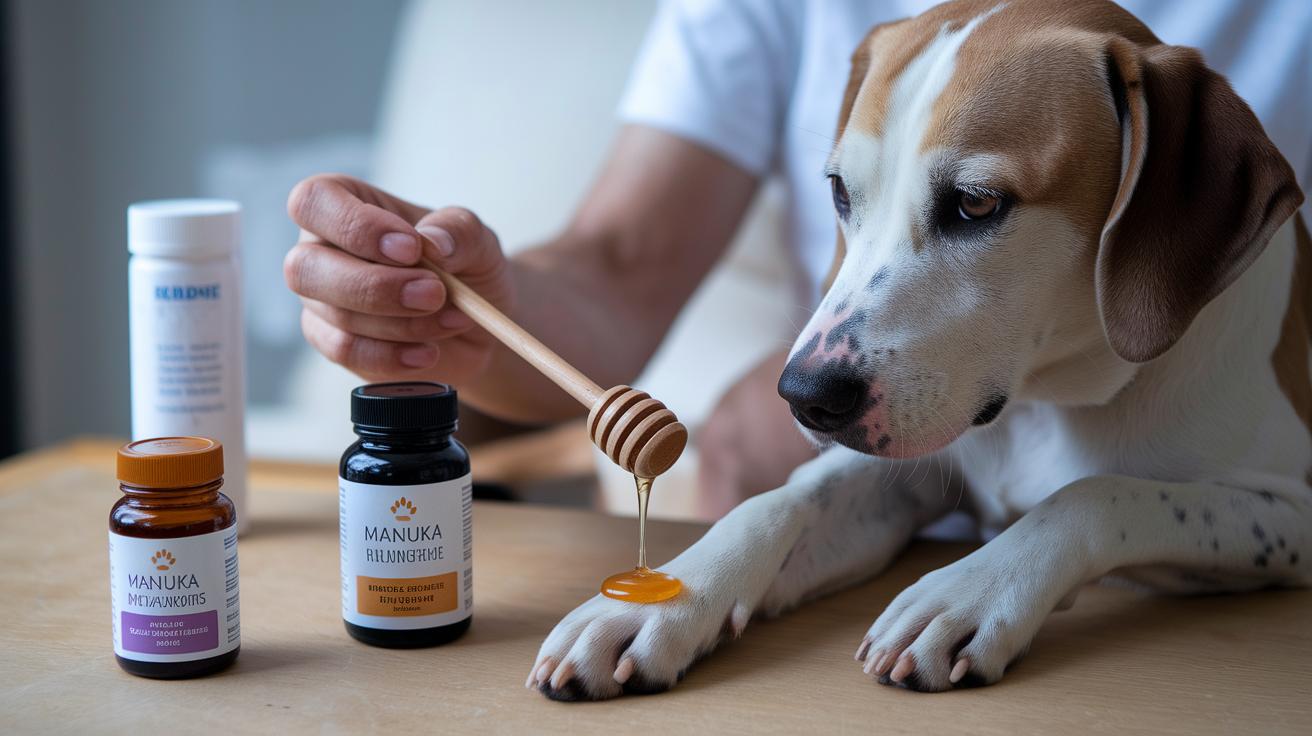
Many pet parents are finding comfort in natural ways to help their furry friends heal without relying on chemicals. Herbal remedies are becoming a favored choice because they work gently to fight bacteria and encourage healing naturally. When used alongside advice from a holistic vet, these treatments can be a safe part of your pet’s wellness routine. For more ideas on non-toxic care, check out How to prevent infectious diseases in pets.
Manuka Honey
Manuka honey comes from New Zealand and is truly special. It contains lots of MGO (a natural ingredient that helps fight germs and speed up healing) and is often used directly on cuts and skin issues. Many pet owners dab a little bit on the affected spot once or twice a day to help wounds mend and to keep infections at bay.
Olive Leaf Extract
Olive leaf extract is another friend in the world of natural remedies. Its key ingredient, oleuropein (a compound that helps battle bacteria, viruses, and fungi while keeping the good gut bacteria happy), makes it a gentle choice for mild infections. Given orally as directed, it not only targets infections but also boosts your pet’s overall immunity.
Oregano Oil
Oregano oil is celebrated for its broad germ-fighting powers, thanks to compounds like carvacrol and thymol. However, it needs to be diluted just right before use, whether you apply it on the skin or give it internally. Using oregano oil under the guidance of a holistic veterinarian ensures your pet gets the benefits safely.
| Remedy | Active Compound | Primary Uses | Dosage Guidelines |
|---|---|---|---|
| Manuka Honey | MGO | Fights germs, promotes healing | Apply topically once or twice a day |
| Olive Leaf Extract | Oleuropein | Combats bacteria, viruses, fungi | Give orally as directed |
| Oregano Oil | Carvacrol/Thymol | Broad germ-fighter | Dilute properly; use topically or internally |
Natural Parasite and Pest Control as Non-Toxic Pet Medications
Diatomaceous earth is a food-grade powder made from fossilized aquatic creatures. It works by drawing moisture out of pests like fleas and ticks. It’s a gentle and effective way to keep your pet safe from harsh chemicals. When these tiny bugs brush against the powder, its fine particles scratch their outer shells and pull out moisture, eventually drying them out. Think of it as nature’s own pest control, a light sprinkle that targets pesky intruders without harming your furry friend.
To use diatomaceous earth, lightly dust your pet’s coat, along with your carpets and bedding where pests might hide. Start by shaking a small amount over your pet, covering the spots where they spend most of their time. Then, treat the areas in your home where your pet loves to lounge. Just be sure to avoid breathing in the dust, working in a well-ventilated space or using a mask helps a lot. This simple, step-by-step process keeps your home toxin-free and safe, reducing pests while giving you peace of mind.
Safely Transitioning to Non-Toxic Medicinal Alternatives for Pets

Switching your pet to non-toxic supplements might seem a bit scary at first, but taking it step-by-step really helps. Start by talking with a holistic vet who knows about natural health care and safe plant remedies. Begin small, about 25% of the usual dose, and slowly mix these gentle natural options with your pet’s current routine. Keep a simple journal during this time to note any improvements or surprises. Mixing new, natural treatments with familiar methods is a great way to make the change smooth and safe, especially while avoiding risks from things like garlic or onions.
Watch your pet closely during the switch. Notice any shifts in appetite, energy, or mood, and give it about 2 to 4 weeks to see how things go. Writing down your observations each day can really help you and your vet see how well the new plan works. It’s a thoughtful way to build trust in alternative wellness while keeping your furry friend comfortable.
Key Steps for Transitioning
- Chat with a holistic veterinarian to craft a personalized plan.
- Set up a clear timeline with health-check milestones.
- Mix natural treatment options with your pet’s usual care when it makes sense.
Dosage and Monitoring
- Start with just 25% of the intended dose and adjust slowly.
- Keep a close eye on any changes in behavior or appetite.
- Maintain a daily record and work with your vet to fine-tune the plan.
Evaluating Efficacy and Safety: Comparing Non-Toxic Pet Medications With Conventional Drugs
Conventional meds like antibiotics and anti-parasitic drugs work fast to help our pets. They quickly clear up infections and pests, giving many pet parents a sense of relief. But sometimes, these quick fixes can upset your pet's tummy and even lead to resistance over time. Their chemical traces might linger in your pet’s body and around the home.
On the flip side, non-toxic choices like natural herbal or organic treatments are much gentler. They work slowly to support your pet’s overall health (that means keeping all the important vitamins and minerals balanced), so you might need a longer treatment or a mix of different methods. Have you ever noticed that a gentle, steady approach can sometimes make a big difference?
Sometimes, conventional drugs come with side effects such as upset stomachs, a disturbed gut balance, or even increased sensitivity in some pets. Plus, there’s the worry about these chemicals washing into the environment. Natural remedies, while slower in action, tend to be kinder on your pet and the planet. Many pet parents in Alachua County, Florida, have embraced these non-toxic methods because they see fewer unwanted reactions and a safer, happier home.
Deciding which method to choose for your pet isn’t always easy. Think back on how your pet has reacted in the past and have a chat with your veterinarian about your worries. Consider the seriousness of the condition, your pet’s sensitivity to medications, and the long-term benefits for overall health. Every pet is unique, and a thoughtful discussion can help lead you to the best, caring treatment for your furry friend.
Final Words
In the action, we covered how natural healing methods can support your pet's health, from herbal antibiotic remedies to safe parasite prevention. We broke down step-by-step ways to transition gently while keeping your furry friend’s well-being in focus. Our guide shows that non-toxic alternatives for pet medications offer a chance to choose gentler, chemical-free solutions. With a little care and expert input, you can celebrate simpler, nature-based healing for your beloved companion and feel confident every step of the way.
FAQ
Q: What are natural non-toxic alternatives for pet medications?
A: Natural non-toxic alternatives for pet medications include herbal remedies, essential oils, and organic supplements that avoid synthetic chemicals. They gently support your pet’s health without harsh side effects.
Q: What non-toxic alternatives are available for both dogs and cats?
A: Non-toxic alternatives for dogs and cats use natural ingredients like herbal extracts and organic compounds that reduce chemical exposure. They help maintain your pet’s overall well-being when part of a holistic care plan.
Q: What food works best to hide pills for dogs?
A: The best food to hide pills for dogs includes soft and flavorful options such as wet food, peanut butter, or liverwurst. These treats mask the medicine’s taste and make it easier for your pet to take their dose.
Q: What human medications can dogs take for pain safely?
A: Human pain medications for dogs must be used with extreme caution. Only veterinarian-approved options—like low-dose aspirin when guided by a vet—should be considered, as many human meds can be harmful to pets.
Q: What human medicine can I give my dog for vomiting?
A: Human medicine for dog vomiting isn’t usually safe without veterinary advice. Your vet can suggest a treatment plan or safe alternative that addresses your pet’s specific condition without risking dangerous side effects.
Q: How can I hide the bitter taste of medicine for dogs?
A: Hiding a bitter taste in dog medicine can be done by mixing it with a tasty treat such as peanut butter, cheese, or broth. These options mask the flavor, making it easier for your pet to swallow the dose.
Q: Can liverwurst be used to hide dog pills?
A: Liverwurst is a popular choice for concealing dog pills as its strong, savory flavor helps mask the taste of medicine. It’s a simple method to ensure your pet takes their medication without fuss.
Q: What medications are toxic to pets?
A: Medications such as ibuprofen, acetaminophen, and certain antidepressants are toxic to pets. It’s key to keep these items safely stored and to consult your vet immediately if you suspect your pet ingested a toxic substance.
Q: What is considered the safest anti-inflammatory for dogs?
A: The safest anti-inflammatory for dogs is one recommended by your vet. While some natural options may help mild inflammation, proper dosage determined by veterinary guidance is crucial for your pet’s safety.