

Have you ever thought about whether your pet’s favorite toy can withstand a crazy chewing session while still keeping your little buddy safe?
I bet you’ve seen toys fall apart and little pieces break off that could be dangerous. Manufacturers are working hard, checking every detail to make sure the materials stay strong and free of harmful stuff.
In this post, we’ll take a closer look at what makes pet products tough and safe, sharing smart tips every pet parent can use.
Assessing Durability and Safety in Pet Product Materials
Did you know that more than 70% of U.S. households call a pet family? In 2021, pet spending hit a whopping $124 billion. When you think about it, that means every chew toy, leash, or play accessory must not only handle all that fun but also keep your furry friend safe. Imagine your dog’s favorite toy starting to crumble as they chew on it, revealing hidden bits of harmful chemicals. It’s a reminder that good pet products need to be both tough and safe.
Quality control is like a safety net that catches problems before they become dangerous. Manufacturers now check every step of the process, from pre-production to the final container load, to make sure nothing slips through. These checks help prevent issues like small parts that break off and might be swallowed. Key areas of concern include:
| Caution Point | What It Means |
|---|---|
| Chemical hazards | Exposure to toxins such as lead or phthalates (harmful substances that can affect your pet’s health) |
| Mechanical failures | Problems like fraying or breakage that lead to weak spots |
| Compliance issues | Not meeting the strict safety testing guidelines every pet product should follow |
| Material degradation | Wear and tear over time that might reduce a product’s safety |
| Manufacturing defects | Flaws like small, detachable pieces that could pose a choking risk |
By putting these robust quality checks in place and testing material performance carefully, pet product makers lower the chance of recalls, help protect your pet’s health, and even cut down on waste. They also lean on chemical safety standards, like choosing non-toxic options for a safe pet environment, and sustainable practices to bring you products that just work. After all, isn’t it comforting to know that every item you buy is built to last and keep your pet happy and healthy?
Cutting-Edge Material Innovations for Enhanced Durability

When you’re playing with your pet, you want their toys to last. Today’s pet products use smart new materials that can handle lots of rough and tumble fun. Think of a chew toy that stands up to all those enthusiastic bites without breaking into little bits. For example, natural rubber (a stretchy, durable material from rubber trees) gives a strong base for lasting play.
It’s interesting to compare natural and man-made materials. Food-grade silicone is tough enough to resist big temperature changes, from freezing to really hot, while still being soft on your pet’s mouth. And then there’s braided hemp fibers, which are way stronger than regular cotton. HDPE, a type of plastic that skips harmful additives, helps keep things light and safe.
Imagine a toy built with a soft rubber core wrapped in a tough nylon cover. This combo can survive over 10,000 chews in lab tests, so everyday playtime keeps on going strong. These smart designs mix strength and lightness so your pet’s favorite items are both safe and long-lasting.
| Material | Tensile Strength | Chemical Resistance | Tested Chew Cycles |
|---|---|---|---|
| Natural rubber | 10–20 MPa | High | N/A |
| Food-grade silicone | N/A | High | N/A |
| Braided hemp | ~550 MPa | Moderate | N/A |
| HDPE | N/A | High | N/A |
Non-Toxic and Safety-Certified Materials in Pet Gear
Choosing the right materials for pet gear is a big deal. Even a tiny mistake might put our pets at risk from harmful chemicals. That’s why careful manufacturers skip dangerous substances like phthalates, BPA, lead, cadmium, and formaldehyde. Instead, they use ingredients that are both safe and built to last, always keeping our pets’ well-being in mind.
Here’s how some toxins are replaced:
- Phthalates – replaced with food-grade silicone (a type of safe, high-quality rubber)
- BPA – swapped for recycled polyester that meets zero-toxin standards
- Lead – avoided in favor of untreated cotton, keeping it natural
- Cadmium – replaced using FSC-certified wood (sourced from responsibly managed forests)
- Formaldehyde – again, recycled polyester with a zero-toxin label is used
- Arsenic – kept out by using untreated cotton
Certification is a key step in making sure each pet product meets strict safety standards. Manufacturers use well-known tests like ASTM F963 and ISO 8124 (these are tests that check how safe the product is for everyday use) to ensure every item is safe. Trusted third-party marks such as CE and ASTM act as proof that the gear is made with biocompatible materials, which means they help lower the chance of allergies or hormonal issues for our pets.
By sticking to strict rules from US and EU safety groups, pet gear makers give us products that are designed with safety front and center. This careful approach helps every pet parent choose gear that truly supports a healthy, safe, and happy pet environment.
Evaluating Longevity: Testing Protocols and Durability Assessments for Pet Materials
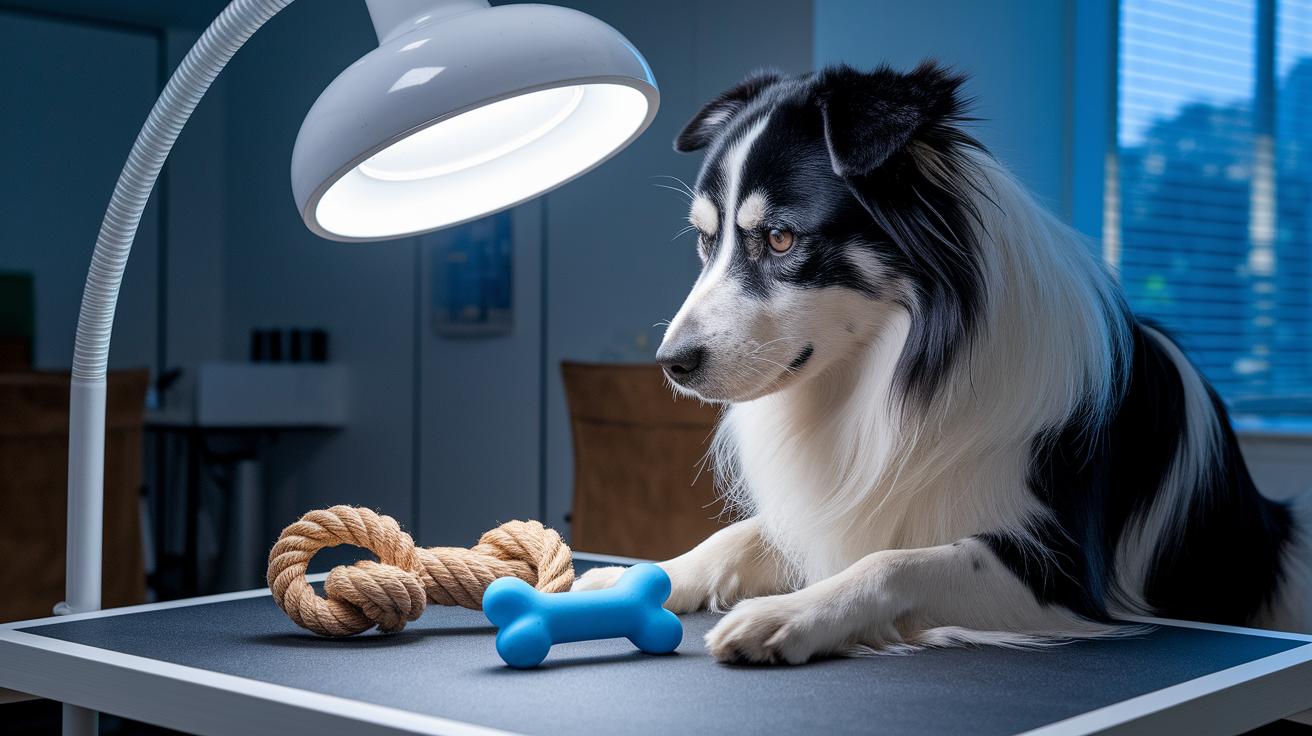
Every pet product is carefully put through its paces to handle everyday play. Manufacturers test items at many stages, before production, while making them, right before shipping, and even during container loading, to catch any issues early. They even run chewing simulations using forces of about 50 to 100 newtons (roughly the strength a playful pet might use) to ensure the item can survive over 10,000 rounds of play. This thorough testing helps pet parents feel confident that their chosen products are built to last through real-life adventures.
They also use several types of tests to mimic what the items face in the real world. Stress load tests check if products can stand up to repeated pressure, while shock absorption tests drop items from 2 meters to see how well they handle impacts. UV weathering tests (based on ASTM G154 standards) simulate about five years of outdoor sunlight and weather, and chemical resistance tests involve soaking items in a saliva-like liquid with a pH of 6.8 for 48 hours to see if the materials stay sturdy. All of this means you can trust that your pet’s gear is ready for anything.
Mechanical Stress Testing: load-cycle protocols, fatigue thresholds
This test focuses on repeated forces to make sure items keep up with nonstop chewing and rough play without showing early signs of wear.
Environmental Exposure Trials: UV, temperature, humidity cycling
By mimicking tough weather, like bright sun, hot or cold temperatures, and damp conditions, these trials help determine if products will fade, crack, or become brittle during outdoor adventures.
Chemical Resistance Testing: pH immersion, detergent soak methods
Here, products face tests that mimic everyday messes. Soaking in solutions similar to pet saliva or household cleaning agents ensures that a little drool or spill won’t weaken the products.
- Stress tests simulating chew forces
- Shock absorption drop tests
- UV weathering protocols
- Chemical immersion resistance assessments
Comparative Case Studies of Innovative Pet Materials Durability
When we look at real-world results, three examples show just how strong and long-lasting these pet gear products can be. Each item was tested in everyday play settings, and the results are pretty impressive. The braided hemp rope toy handled around 12,000 chew cycles without any fiber wear over six months. The food-grade silicone bone, which stays tough with a Shore A hardness of 85 (meaning it remains firm under use), withstood 8,500 cycles. And the ballistic-nylon collar with its sturdy stainless-steel buckle proved its strength by surviving 15,000 tensile cycles, with the buckle staying intact.
Pet owners rate these items a solid 4.7 out of 5 for durability. All of the products met strict safety standards like ASTM F963 and EU toy-safety tests, ensuring they’re as safe as they are robust for your furry friend.
| Product | Material | Durability Test Results | Safety Certification | User Rating |
|---|---|---|---|---|
| Braided Hemp Rope Toy | Braided Hemp | 12,000 chew cycles; no fiber separation | ASTM F963, EU | 4.7/5 |
| Food-Grade Silicone Bone | Food-Grade Silicone | 8,500 cycles; Shore A hardness 85 | ASTM F963, EU | 4.7/5 |
| Ballistic-Nylon Collar | Ballistic-Nylon with Stainless-Steel Buckle | 15,000 tensile cycles; buckle intact | ASTM F963, EU | 4.7/5 |
These case studies show that using new materials really does boost product performance and resist breakage. Pet parents can rest easy knowing these designs have been rigorously tested and stand up to daily, playful adventures.
Trends and Future Directions in Innovative Pet Product Materials Durability
New tech and green ideas are sparking a change in how long pet products last. Experts expect this market to grow about 15% every year until 2025. Because of this, makers are turning to natural ingredients like castor oil and bamboo fiber composites (materials made from plants) to build tougher, eco-friendly products.
Companies are also working on surfaces that fight germs using tiny silver or copper particles (these metals help stop bacteria). Plus, smart sensors are being built into products so you get a heads-up if the material is starting to wear out. And with lean manufacturing practices cutting waste by around 25%, pet products are becoming both sturdier and kinder to our planet.
- Bio-polymers made from natural sources
- Smart sensors for early detection of wear
- Antimicrobial technologies using advanced coatings
- Recycled composite materials for eco-friendly strength
- Lean production methods that reduce waste
All these innovations are set to blend durability with safety in pet care. It’s an exciting time that promises products as reliable as a friend’s advice and as gentle on the Earth as a soft pet cuddle.
Final Words
In the action, we unpacked how material performance, non-toxic ingredients, and extensive testing protect our furry friends. We explored safety measures and real-life case studies that highlight the strength and reliability pet products need.
Stepping forward, innovative pet product materials durability and safety insights truly shape a secure, fun-filled pet environment. Every tip and trend shared aims to guide you toward smart, safe choices, leaving you with confidence and optimism about your pet’s future.
FAQ
Q: What innovative pet product materials insights guide durability and safety standards in 2022?
A: The insights combine advanced composites, hybrid polymers, and strict quality checks that lower chemical risks and fight mechanical wear, making pet products safer and more durable.
Q: How do cutting-edge materials boost pet product durability?
A: Cutting-edge materials use innovative composites and natural fibers tested for high chew cycles and impact resistance, ensuring pet products last longer while keeping our furry friends safe.
Q: What testing protocols support durability assessments in pet products?
A: Testing protocols like load-cycle, UV exposure, and chemical resistance tests replicate everyday pet behavior, confirming products can withstand real-world conditions and maintain their safety over time.