
Ever stopped to think about whether your pet’s food is as healthy as you assume? Many of us stick with the same old feeding routines without really checking if they’re the best choice. Recent studies from UC Davis even suggest that some common ideas might not be so accurate after all.
In this article, we’re breaking down those pet diet myths into simple, science-backed facts you can trust. Our goal is to help you pick meals that keep your furry friend happy and healthy. Curious to learn what really goes into filling your pet’s bowl? Let’s dive into the real truths that make a difference in your pet’s well-being.
Evidence-Based Approach to Debunking Nutritional Myths in Pet Diets
Many pet owners stick to old stories and time-tested beliefs when it comes to feeding their furry pals. It’s easy to rely on familiar advice and personal anecdotes rather than digging into solid scientific research. But new research and expert guidance can help clear up the confusion between old habits and fresh facts.
When experts trained at UC Davis share their insights, they show how different diets really affect our pets, with clear, updated science that pushes us toward balanced and healthier meal options. Imagine choosing a diet that not only fills a bowl but also supports your pet’s overall well-being.
Here are some common myths:
- Myth: Cooking meals at home always means the food is the freshest and healthiest.
- Myth: Kibble is naturally superior just because it’s so popular.
- Myth: Pets don’t care about flavor since they have fewer taste buds.
- Myth: Table scraps are always safe and free of nutritional risks.
- Myth: One diet works perfectly for all stages of a pet’s life.
- Myth: Trendy grain-free and raw diets are always the best choice.
This article takes you through each myth with easy-to-understand explanations backed by science. We compare traditional options like kibble with newer, gentle-cook alternatives that keep nutrients intact, just like that perfect mix of vitamins and minerals (the kind that supports complete nutrition). You’ll also find practical tips on how to assess commercial diets, understand nutrient balance, and know when it’s time to get advice from a pet nutrition expert.
With clear steps and expert tips, you can make choices that ensure your pet enjoys a healthy, happy life.
Myth #1: Home Cooking Is the Only Path to Fresh Pet Food
Lots of pet parents believe that whipping up meals in their own kitchen is the best way to keep food fresh and healthy. But the reality is, homemade meals can sometimes miss the mark. One day, you might toss in a great mix of crunchy veggies and lean meats, and the next, the portions or ingredients might not give your pet the vitamins they really need. Even when you follow recipes that promise balanced diets (like those simple guides you might find online), it’s hard to control the quality in every single kitchen batch. Without professional nutrient checks, these homemade meals can vary in ways that might not boost your pet’s long-term health.
On the flip side, commercial options bring a steady choice. Take Freshpet for example, they gently steam-cook their meals to lock in all the good nutrients while sticking to strict safety standards similar to those in a high-tech lab. Picking brands with guaranteed nutrient tests gives you extra peace of mind that every meal meets your furry friend’s specific needs.
Myth #2: Kibble’s Popularity Equals Nutritional Superiority
Many pet parents think that just because so many choose kibble, it must be the best choice for our fur babies. This idea actually comes from age-old production methods that haven’t changed much since the 1800s. Even though kibble is popular, the heat-heavy process used can strip away some essential nutrients.
Today, newer, gentler cooking methods like steam-cooking are catching on. These use a low-temperature steam process that helps keep more proteins, vitamins (the good stuff for strength and health), and easier digestibility in the food.
| Characteristic | Kibble | Steam-Cooked Alternative |
|---|---|---|
| Nutrient Retention | Reduced by extrusion heat | Enhanced preservation |
| Production Process | High-heat extrusion since 1800s | Low-temperature steam |
| Digestibility | Variable, dependent on binders | Improved protein availability |
Instead of choosing food just because it’s well-known, consider how modern techniques can boost nutritional value. Taking time to compare options like these can lead to healthier, happier lifestyles for our pets.
Myth #3: Pets’ Limited Taste Buds Diminish Food Quality Concerns
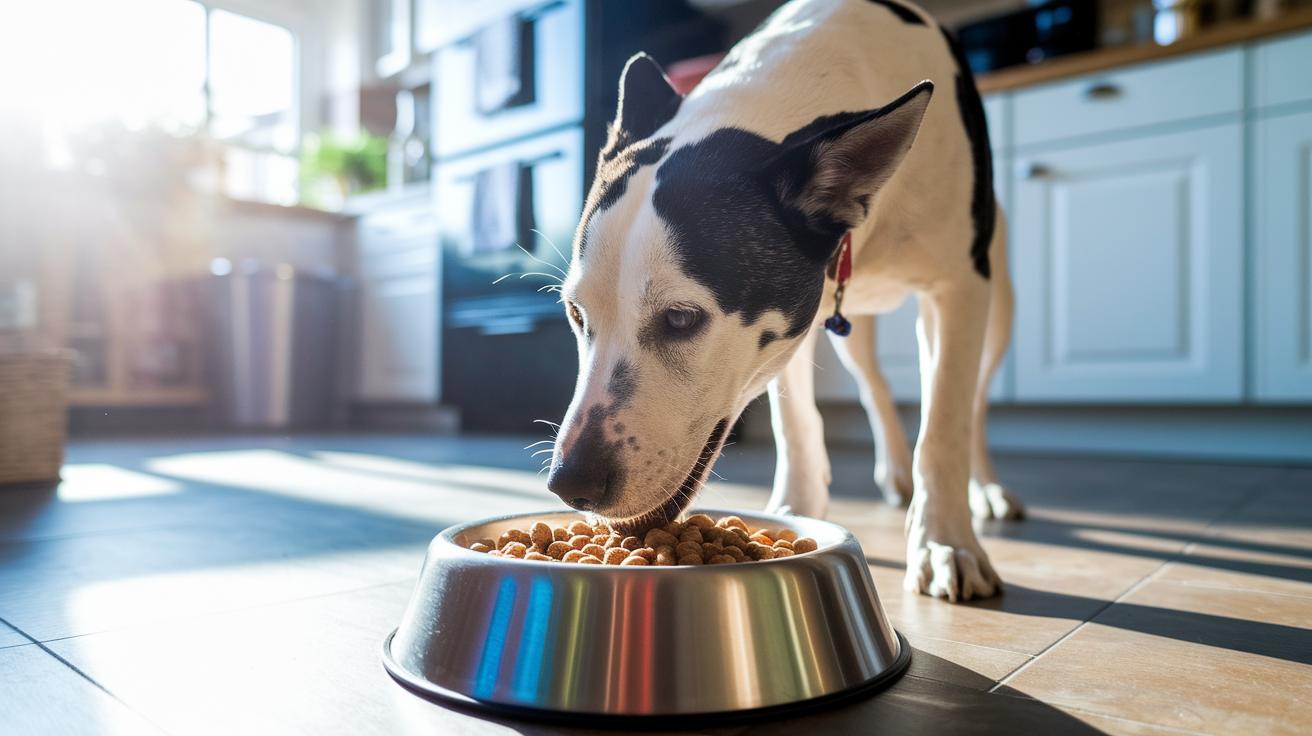
Some folks believe that since pets have fewer taste buds than humans, flavor doesn't really matter in their food. But even with a smaller number of taste buds, pets can develop strong food preferences. When they enjoy the taste, they're more likely to eat regularly, which helps them get all the nutrients they need to stay healthy.
For example, dogs have about 1,700 taste buds while cats have roughly 473.
When your pet loves the flavor of their food, meal times become happier and more predictable. A tasty meal not only makes eating fun for them but also helps ensure they get a balanced mix of nutrition for energy, growth, and overall well-being.
Myth #4: Table Scraps Pose No Nutritional Hazards
Many pet owners love to share a bit of what they're eating with their furry friends, but not all human food is safe. Foods like onions, garlic, chocolate, grapes, and anything with xylitol (a sugar substitute) can actually be dangerous to your pet.
Even if it seems like plain meat or a bit of starch might be harmless, remember that our pets' tummies work differently from ours. They lack the enzymes needed to break down many human foods, so what seems okay for us can lead to an upset stomach with vomiting or diarrhea for them. Imagine their little belly not coping with food that is easily digested by us, it can really throw them off balance.
Also, feeding table scraps too often can encourage habits like constant begging at mealtimes and, over time, might lead to nutritional gaps. Next time you’re enjoying a meal, think of your pet’s sensitive system and consider sticking to pet-approved treats to keep them healthy and happy.
Myth #5: One Diet Fits All Life Stages in Pet Nutrition

A lot of pet parents think one type of food can cover all life stages, from a playful puppy to a wise senior. But the truth is, as your furry friend grows up, their nutrition needs change.
Puppies need extra protein, fats, and calcium (think of it as a boost that helps build strong muscles and bones). Their meals are richer to support their fast growth and endless energy. Then there are the adult pets. They need a balanced blend to keep their weight in check and stay active without piling on unnecessary calories. And as pets get older, a lighter diet with extra joint support works wonders for easier movement and smooth digestion.
So, why not choose food that fits your pet's age? By reading nutritional labels and picking meals that match each stage, whether they’re a curious puppy, a steady adult, or a gentle senior, you help ensure your buddy stays happy, healthy, and full of life.
Myth #6: Trendy Diets Always Offer Healthier Pet Nutrition
Many pet parents get caught up in the buzz about new diets that promise extra freshness and well-being for their furry friends. You might have seen the chatter about these modern diets, which seem to offer special benefits over the tried-and-true options. Yet, sometimes all that excitement can make us overlook what our pets really need to stay safe and healthy. Let’s take a closer look at two popular trends, grain-free and raw diets, to see if their promises hold up.
Grain-Free Diets
Grain-free diets have become popular because they cut out common grains like rice, oats, and barley, which some people think might cause food sensitivities. But remember, those grains are packed with carbs (energy fuel), fiber to help with smooth digestion, and vital vitamins and minerals. Without these grains, your pet might miss out on important nutrients that help them stay balanced and healthy. And the research doesn’t really show that grains are harmful to your pet in the first place.
Raw Diets
Raw diets focus on serving up uncooked meats, bones, and vegetables, with a nod to nature’s way. But while the idea of a natural meal sounds appealing, it does come with some risks. For starters, raw foods can carry dangerous germs like Salmonella or E. coli, which can make your pet sick. Also, these diets might not provide a balanced mix of nutrients, leaving gaps in your pet’s overall health. And those bones? Sometimes they can splinter and create choking hazards or other issues. So even though raw diets may seem natural, they aren’t always the safest choice.
Building Science-Backed Feeding Plans to Counter Pet Diet Fallacies

Start by chatting with a veterinary nutrition expert. These pros, like those trained at UC Davis, can check your pet’s unique needs and offer advice that balances proteins (the building blocks), fats (energy boosters), and carbohydrates along with vitamins and minerals for every stage of your pet’s life.
They’ll walk you through comparing high-quality store-bought pet foods with meals made at home. Every ingredient is chosen to help your pet stay healthy for the long run. Their tips are clear, science-backed, and cut through all the confusing diet claims out there.
Adding safe supplements can also boost your pet’s overall well-being. Look for products that have been carefully tested and meet strict quality standards. When you pick supplements with clear, verified nutrient details, you can feel confident that you’re giving your pet a helpful boost.
For a complete guide to planning meals, check out the "optimal pet nutrition guide" at https://getpetsavvy.com?p=6191. This handy resource takes you through step-by-step methods to create diets that meet strict nutrition standards, whether you choose commercial pet foods or home-cooked recipes. Using this guide means you can clear up those popular diet myths and build a plan that is both smart and nourishing for your furry friend.
Final Words
In the action, we've taken on common pet diet myths, showing how scientific insight helps us sift through popular claims. We unraveled beliefs about home-cooked meals, kibble, taste bud limits, table scraps, all-life-stage diets, and trendy raw or grain-free plans.
This guide offers practical ideas grounded in expert advice and clear evidence about nutritional myths in pet diets debunked. Every pet parent can now feel more confident and ready to make choices that keep our furry friends happy and healthy.
FAQ
Q: What is the evidence-based approach to debunk nutritional myths in pet diets?
A: The evidence-based approach uses research and expert opinions to challenge common pet diet myths. It combines scientific studies with nutritional expertise to offer clear, actionable advice for making informed feeding choices.
Q: Why do myths like home cooking being the only way to serve fresh pet food persist?
A: The idea that only homemade meals are fresh persists despite inconsistent nutrient balance and quality control. Research shows that quality commercial options, like gentle steam-cooked foods, also deliver reliable nutrients.
Q: How does kibble’s popularity mislead pet nutrition decisions?
A: Kibble’s long history can create the impression of superiority, yet its high-heat production may reduce nutrient retention. Modern alternatives, like steam-cooked options, better preserve proteins and vitamins for improved digestibility.
Q: Do pets care about taste, and how does it affect their food quality?
A: Pets clearly show food preferences through their behavior, influenced by taste. Despite having fewer taste buds, their choices impact appetite and nutrient intake, making flavor an important part of overall diet satisfaction.
Q: Are table scraps safe for pets, or do they pose risks?
A: Table scraps can introduce dangerous toxins like onions and chocolate, and even safe leftovers might upset a pet’s digestive system. Limited, pet-specific diets are preferable to avoid nutritional and behavioral issues.
Q: Why isn’t one diet suitable for all pet life stages?
A: Pet dietary needs change with age, as puppies require more protein and seniors need lower calorie support. Different life stages demand adjusted nutrients to match developmental needs and ensure long-term health.
Q: Are grain-free and raw diets always healthier for pets?
A: Trendy diets like grain-free and raw options may seem appealing but can miss vital nutrients or introduce risks. Grains offer energy, fiber, and vitamins while raw diets carry contamination and nutrient imbalance concerns.
Q: What steps can I take to build a science-backed feeding plan for my pet?
A: Building a science-backed feeding plan means consulting veterinary nutrition experts, using research to select balanced diets, and considering controlled home preparations or high-quality commercial options. This approach ensures safe and effective nutrition.