

Ever wonder whether raw or cooked meals might be better for your pet? Both choices come with special perks that help keep your furry buddy healthy and happy.
Raw meals burst with vitamins and enzymes (tiny helpers for your pet's body), while lightly cooked foods make it easier for your pet to chew and digest. They both support strong muscles and overall energy.
Curious which option fits best with your family’s lifestyle? Let’s explore these feeding choices together and see which one could be the perfect match for your little companion.
Comparative Overview of Raw vs Cooked Pet Nutrition
Raw diets are made with ingredients that stay as close as possible to what our furry ancestors ate. Think of uncooked muscle meat, organs, and even bones. Cooked diets, on the other hand, use ingredients that have been lightly heated, like meat meals that get a boost in aroma and texture. Both approaches work hard to give your pet the balanced nutrition they need.
Raw meals can be a real win because they hold onto heat-sensitive vitamins, active enzymes, and full amino acids (the building blocks that help keep your pet strong). For example, a raw blend like Darwin’s raw dog food is made with about 75% meat and 25% veggies. This mix reminds us of nature’s original plan, and the natural enzymes in the food can help support smooth digestion and overall vitality.
Cooked meals, though, offer their own benefits. Heating the food makes it safer by reducing harmful bacteria like Listeria, Salmonella, and E. coli. It also makes the food easier to chew and digest. However, a little heat means some nutrients might be lost along the way. So, there’s a bit of a trade-off between keeping every nutrient intact and ensuring your pet’s meal is extra safe.
raw vs cooked pet nutrition comparisons: Stellar benefits

Raw pet meals are loved because they keep important vitamins like those in the B group and vitamin C, along with natural enzymes and full proteins (amino acids) that your pet really needs. On the flip side, heating food can change the proteins' natural shape and break down some vitamins. Even though a little cooking can make food easier to chew and digest, it still means a few key nutrients are lost. Plus, many raw diets use a process called HPP (high-pressure processing, a method to kill germs without using heat) so the food stays as natural as possible.
Protein and Amino Acid Bioavailability
When food is heated, proteins lose their natural shape, which means your pet might not get all the important building blocks for healthy muscle. Raw meals skip the heat altogether, keeping those proteins intact. This helps support muscle repair and growth, which is especially great for an active pet.
Vitamin and Mineral Retention
Some vitamins, especially those in the B-complex and vitamin C, are delicate and don’t do well with heat. That’s why raw meals do a better job keeping them intact. Minerals in raw diets also stay more available for your pet to use, giving them a stronger nutritional boost. Cooking, however, can lower these levels, so your pet might miss out on some of these benefits.
Enzyme Activity and Digestive Support
Enzymes in raw food are like little helpers that break down food, making it easier for your pet to digest. When you cook food, these natural enzymes lose their magic, which can slow down digestion. This is one big reason many pet parents choose raw diets for a smoother, more comfortable digesting experience.
| Nutrient | Raw Diet Profile | Cooked Diet Profile |
|---|---|---|
| Protein Availability | High | Moderate |
| Vitamin Retention | Excellent | Reduced |
| Enzyme Activity | Active | None |
| Mineral Bioavailability | High | Stable |
| Fat Composition | Unaltered | Some oxidation |
| Digestibility Index | 85–90% | 75–80% |
Safety and Contamination Risks in Raw vs Cooked Pet Foods
When feeding your furry friend a raw diet, you need to be extra careful. Raw foods are not cooked, which means they might carry harmful bacteria like Listeria, Salmonella, or E. coli (germs that can make your pet sick). Even when using high-pressure processing (HPP, a method that uses pressure to reduce bacteria), there remains a chance that dangerous microbes are still in the food. And if you don’t clean surfaces, utensils, or your hands properly during prep, cross-contamination can creep in.
On the other hand, cooked pet meals are prepared at safe temperatures (around 145–160°F), which helps kill off many harmful pathogens. Heating the food makes it safer to handle and serve at home. Keeping your work area tidy and storing food correctly further reduces the chances for bacteria to grow.
| Key Point |
|---|
| Raw diets can contain common pathogens like Listeria, Salmonella, and E. coli |
| High-pressure processing (HPP) helps lower bacteria but does not eliminate all risk |
| Cooking at 145–160°F effectively controls harmful germs |
| Cross-contamination can occur from unclean surfaces and utensils |
| Following proper sanitation protocols (wash, sanitize, dry) is essential |
| Storing food correctly and watching shelf-life limits further cut risks |
Balancing the choice between raw and cooked meals really comes down to careful handling, prep, and storage. Whether you decide on raw meals that mimic your pet’s ancestral diet or enjoy the added safety of cooked options, sticking to good hygiene practices will give you extra peace of mind at mealtime.
Digestibility and Health Outcomes in Raw vs Cooked Pet Diets

Raw pet meals often make a noticeable difference in how easily your fur baby digests their food. Many pet parents share that their pets produce smaller, firmer stools and seem to manage their calories more steadily when eating raw. Natural enzymes present in these meals break down food better, which can even help keep your pet's weight in check. On the other hand, cooked meals might be gentler on sensitive tummies but sometimes lose those extra digestibility benefits during heating.
Raw diets also bring balanced amino acids (the building blocks for muscles) and fatty acids that work together to help muscles repair and boost energy. Many owners notice their pets sporting a shinier coat and smoother skin, clear signs that these nutrients are working wonders. Proteins in raw foods seem to give muscles a quicker boost compared to some cooked alternatives.
A full range of nutrients is key for giving your pet a strong immune system. Raw meals often preserve delicate vitamins and natural enzymes that help your pet ward off minor illnesses. For more information on holistic pet diet formulations, check out the detailed explanation at GetPetsAvvy.com.
Meal Preparation Practices for Safe Raw and Cooked Pet Nutrition
When you’re getting started with raw ingredients, let your pet food thaw slowly in the fridge instead of leaving it out on the counter. Use different utensils and cutting boards for raw items to keep things safe and avoid any mix-ups. If you choose commercial raw patties, a special technique called high-pressure processing (think of it as a powerful way to zap harmful bacteria while keeping food natural) can add an extra layer of safety.
Cooking your pet’s meals is all about striking the right balance. Warm the food to between 145°F and 160°F. This gentle heat helps keep the vitamins and enzymes (the good stuff that supports your pet’s health) intact while taking out bad bacteria. The result is a meal that’s easier to digest and feels more natural than something cooked at super high temperatures.
Label what you prepare and store it the right way. Keep raw meals in the fridge for up to 3 days and cooked ones for 3 to 5 days. If you freeze raw food, it can stay fresh at around –4°F for up to 3 to 6 months. Regularly rotating your pet’s food and clearly marking the dates can make a world of difference in keeping mealtime safe and fresh.
Veterinary and Expert Perspectives on Raw vs Cooked Diets
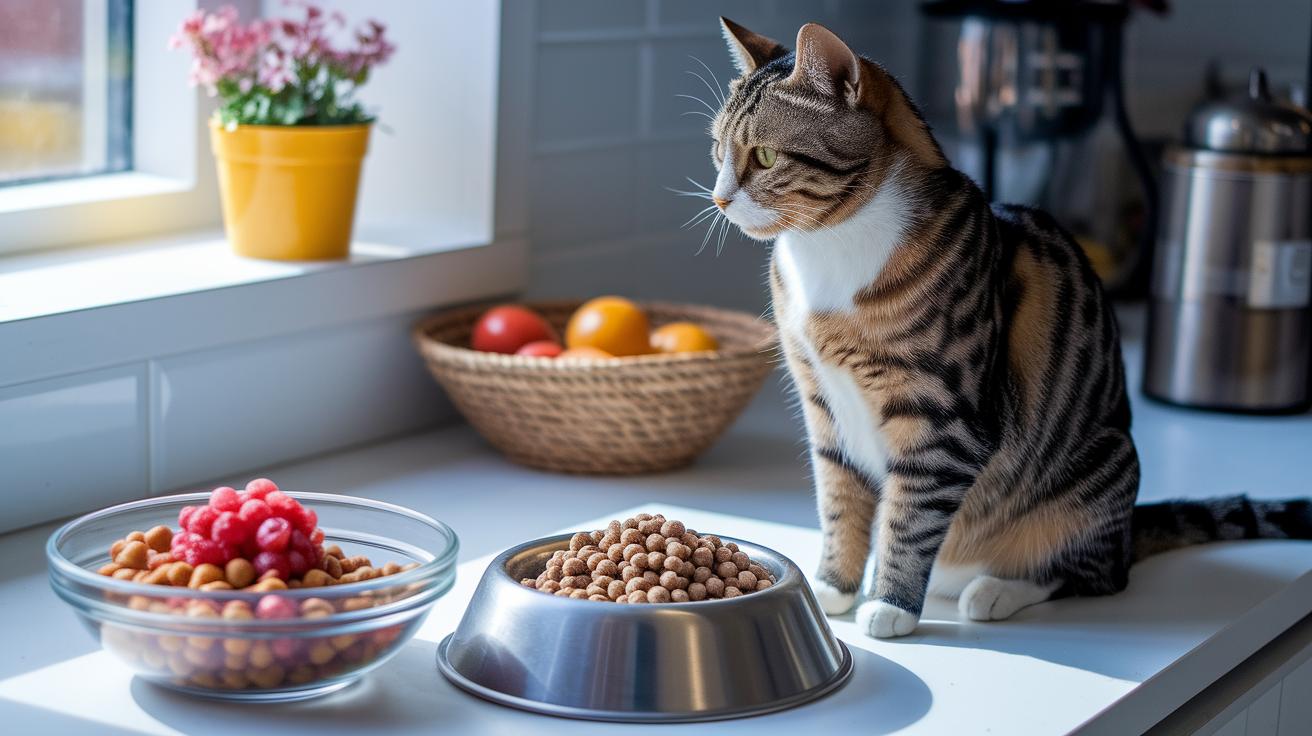
Many vets agree that a balanced pet formula is key, whether you choose a raw or cooked diet. They remind us to stick to AAFCO guidelines (the standards for having all the right nutrients at every life stage). A well-made raw diet can be as good as a cooked one, but be careful, small mistakes with raw food can upset your pet's health.
Experts say that any pet diet has to hit strict standards from AAFCO and the FDA (the agency that checks food safety). Some pros feel that raw diets, when treated with careful methods like high-pressure processing (a way to make food safer), can match these rules while keeping close to what nature intended. However, many nutritionists lean toward cooked or mixed diets for older pets or those with sensitive tummies because cooking helps lower germs and makes meals easier to digest. Both sides lean on careful nutritional facts and safety data to shape their advice.
Before you make a big change in your pet's diet, it's smart to chat with a veterinary nutritionist. They suggest a personalized feeding plan based on your pet's weight, age, and energy level to keep them thriving. Expert help makes sure that whether you go raw, cooked, or a mix of both, your pet gets a meal that's balanced and safe.
Transition Strategies and Balanced Feeding Plans for Raw and Cooked Pet Nutrition
Begin slowly by blending raw ingredients into your pet's meals. Increase the raw portion by about 10% each week to help your furry friend adjust without upsetting their tummy. Some pet parents find that using pre-measured patties, which are already balanced with essential nutrients, makes this change a lot easier. You might also want to add in supplements like omega-3s (good for a shiny coat), vitamins, and minerals to fill any gaps. And don’t forget to adjust the daily portions based on your pet’s weight, age, and activity level so that every meal stays perfectly balanced.
Keep an eye on how your pet is coping during this change. Notice any shifts in their stool, energy, or overall condition to see if the new diet is working well. Regular vet check-ups can offer extra peace of mind and help you tweak the plan to keep your companion happy and healthy.
Guidelines for Mixing Raw and Cooked Foods
When combining raw and cooked foods, aim for a careful balance. Start by adding small amounts of raw food and observe your pet's reaction over each 6-8 week period. Adjust the mix as needed and always consult with your vet to ensure a smooth transition for your pet.
Final Words
In the action, we explored raw and cooked diets, weighing nutrient retention, safety, and digestibility. The post broke down everything from whole-food benefits in raw meals to the gentle cooking that helps eliminate bacteria, while still balancing nutrition and palatability.
We also touched on meal preparation tips, vet perspectives, and smooth transition strategies. Raw vs cooked pet nutrition comparisons bring clarity to choosing a diet that supports your pet’s overall health. Keep embracing informed choices with warmth and care.
FAQ
What are the main differences between raw and cooked pet nutrition for dogs?
The main differences show that raw diets keep heat-sensitive vitamins and enzymes intact, while cooked meals improve safety and digestibility by reducing bacterial risks.
What reasons might lead a pet owner to stop feeding raw diets?
Many pet owners stop feeding raw due to concerns over bacterial contamination, nutrient inconsistency, and the extra care required for safe handling and storage.
What does scientific research say about the dog raw food diet?
Scientific research indicates that raw diets may enhance nutrient bioavailability and energy levels but can also increase pathogen risks if not handled with strict safety protocols.
Can I feed my dog raw meat from the supermarket?
Feeding supermarket raw meat can expose your dog to harmful bacteria; careful handling, proper storage, and thorough sanitation are essential to lower the contamination risk.
What are the risks of feeding raw food to dogs?
Raw food feeding carries risks such as bacterial exposure (like Salmonella or E. coli), nutrient imbalances, and potential cross-contamination during meal preparation.
Can a raw diet kill a dog?
Although rare, some cases link raw diets to severe illness or death when safety measures fail, making it crucial to balance nutrients and follow strict hygiene practices.
Is raw meat healthier than cooked meat for dogs?
Raw meat preserves more natural enzymes and vitamins, yet cooking helps eliminate harmful bacteria, so the healthiest choice depends on your dog’s specific needs and safe preparation practices.
Why might veterinarians not recommend a raw diet?
Vets often caution against raw diets because they may lack standardized nutritional balance and carry bacterial risks, urging proper formulation and supervision during diet changes.
Do you get more nutrients from cooked or raw meat?
Raw meat typically maintains more delicate vitamins and enzymes, while cooked meat improves digestibility and safety by reducing bacteria, making each method offer different nutrient benefits.
Are raw or cooked vegetables better for a dog’s diet?
Raw vegetables deliver natural fibers and vitamins, though lightly cooked ones are easier for dogs to digest, so the best option depends on your pet’s digestive needs.