

Ever wonder if your pet’s food could help them live longer? Think of it like putting quality fuel in your car, it keeps everything running smoothly.
Studies even suggest that pets eating fresh, high-quality food might live up to three years longer than those on regular meals.
Today, let’s chat about a few easy feeding tips and nutrition secrets that support your pet’s health. Each meal isn’t just food, it’s a small step toward a longer, happier life for your furry companion.
Foundational Principles of Pet Nutrition for Lifespan Extension
Feeding your pet fresh, human-grade food might help them live nearly three years longer. Studies even show that dogs on a fresh diet reach about 13 years, while those eating regular canned food live around 10 years. With so many homes filled with pet love, choosing the right food really makes a difference in your buddy's future.
Research tells us that high-quality, lightly processed ingredients keep natural enzymes and nutrients intact. In plain terms, even a small meal can pack a powerful health boost. Imagine setting out a meal knowing every bite supports a longer, healthier life for your furry friend.
And look at the numbers: in 2023, premium pet food sales jumped by 16% while Americans spent a whopping $89 billion on pet care. This trend shows that pet owners are really choosing nutrient-rich foods that help our companions thrive for years to come.
For balanced nutrition, it all comes down to getting the right mix of nutrients. A diet with about 25 to 30 percent protein and 10 to 15 percent fat, along with essential vitamins and minerals, lays the perfect foundation for your pet’s energy and longevity at every stage of life.
Tailoring Canine and Feline Nutrition for Long-Term Health

Canine Nourishment Balance
When it comes to feeding your pup, keeping a balanced diet in mind is key. For adult dogs, it helps to meet the AAFCO minimums (basic nutritional guidelines) by getting at least 18% protein. Puppies, who are growing fast, usually do best with around 22% protein. And don’t forget, the right amount of fat gives your dog the energy needed and helps them soak up important vitamins. For senior dogs, cutting back calories by about 20% can match their slower metabolism and keep them feeling spry.
Every breed has its own energy needs. Some dogs might even benefit from extra ingredients like glucosamine (a natural help for joint comfort), which can aid in keeping their joints flexible and reducing aches as they age. Working with your vet to plan meals means you can tailor the diet based on breed size, how active your dog is, and any special health considerations.
Feline Dietary Wellness
Feeding cats is a bit different since they are obligate carnivores, meaning they need high-quality animal proteins to stay healthy. Adult cats should have at least 26% protein, while kittens might need even more, up to 30%, to support their fast growth. There’s also taurine, a must-have at 250 mg per 1 kg of food, which keeps a cat’s heart and eyes in top shape and ensures a shiny, healthy coat.
Cats also thrive with enough moisture in their diet. They often don’t drink as much water on their own, so choosing food with extra moisture or foods that encourage drinking is a wise move. Working with your veterinarian on a meal plan can help make sure your cat gets everything they need at every stage of life.
Essential Nutrient Classes in Pet Nutrition for Longevity
When choosing food for your pet, every nutrient plays its part in helping them live a longer, happier life. Fresh diets help keep natural enzymes working, and even a few small changes in what your pet eats can lead to big health improvements. Research from the University of Illinois shows that a smart feeding plan supports overall well-being and keeps your pet active.
A mix of bigger nutrients like proteins, fats, and carbohydrates along with vitamins and minerals helps power vital body functions. Omega-3 fatty acids work to reduce inflammation, while antioxidants like Vitamins C and E protect cells from damage. Fiber gives a boost to the digestive system, and with prebiotics and probiotics (the good bacteria that balance the gut), your pet’s tummy gets extra care. These nutrients work together to help keep your pet strong and full of energy.
| Nutrient | Role | Recommended Amount | Notes |
|---|---|---|---|
| Protein | Helps build and repair tissues | 25–30% kcal | Changes with life stage |
| Fat (omega-3/6) | Provides energy and eases inflammation | 10–15% kcal | Focus on EPA/DHA |
| Carbohydrates | Supplies quick energy and fiber | 30–50% kcal | Complex grains are best |
| Fiber | Supports good digestion | 2–3% | Gives a prebiotic boost |
| Vitamins/Minerals | Assist enzymes in performing key tasks | AAFCO levels | Varies for each species |
| Antioxidants | Fight off cell damage | As formulated | Includes C, E, beta-carotene |
By including these essential nutrient groups in your pet’s diet, you’re setting them up for a life full of strength and play. This caring approach works to reduce inflammation, preserve important enzymes, and build a body that’s ready for many years of joy. Have you ever noticed how a balanced meal can make your pet’s tail wag a little faster? It’s all about letting them thrive, day in and day out.
Feeding Schedule Optimization in Pet Nutrition for Extended Lifespan

A steady feeding routine is key to keeping your pet happy, healthy, and full of energy for many years. For example, puppies often need three to four meals a day to power through their bursts of playful energy and growth spurts, while adult dogs do well with just two meals. And as our furry friends get older, one or two smaller meals can help them digest their food more easily since their metabolism starts to slow. Keeping a regular schedule not only brings consistency to their day but also helps manage their weight, which is super important since extra pounds can cut years off their lifespan.
Portion control matters just as much. Using the Body Condition Scoring (BCS) system (a simple tool on a 1-9 scale that helps you see if your pet is at a healthy size), a score of 4 or 5 usually means your pet is just right. If you notice a change in their BCS, try tweaking the food amount by about 10% to keep them feeling lively and energetic. By adjusting their meal times and servings, you're building a strong base for their long-term health and happiness.
- Stick to consistent feeding times every day.
- Measure and weigh portions accurately.
- Adjust meal sizes based on your pet’s activity levels.
- Regularly check your pet’s Body Condition Score (BCS).
- Avoid free-feeding to help keep their diet in check.
Selecting High-Quality Ingredients in Pet Nutrition for Lasting Health
Choosing the best ingredients for your pet's food is key to keeping them happy and healthy. Think of it like picking out human-grade meals that keep all the good vitamins and enzymes intact, so every bite is bursting with nutrients. Formats like freeze-dried, air-dried, and fresh meals are getting a boost in popularity while regular kibble is barely changing. It shows that more pet parents want to serve up real, balanced meals.
Quality matters, so look for products that skip the fake colors and preservatives. Instead, they use natural tocopherols (a simple form of vitamin E) and rosemary extract (a natural way to preserve food) to keep the food safe and strong. By choosing these top-notch options, you’re setting your pet up for a lively, active life.
If your pet needs something special, foods with hypoallergenic protein choices really can help. Sustainable options like venison or even insect protein (it might sound odd, but it's super nutritious) can reduce allergy risks for sensitive pets. Take a close look at the ingredient list and check for quality certifications. This little extra effort makes every meal a building block for a long, joyful life for your furry friend.
Comparing Raw, Cooked, and Commercial Pet Diets for Longevity
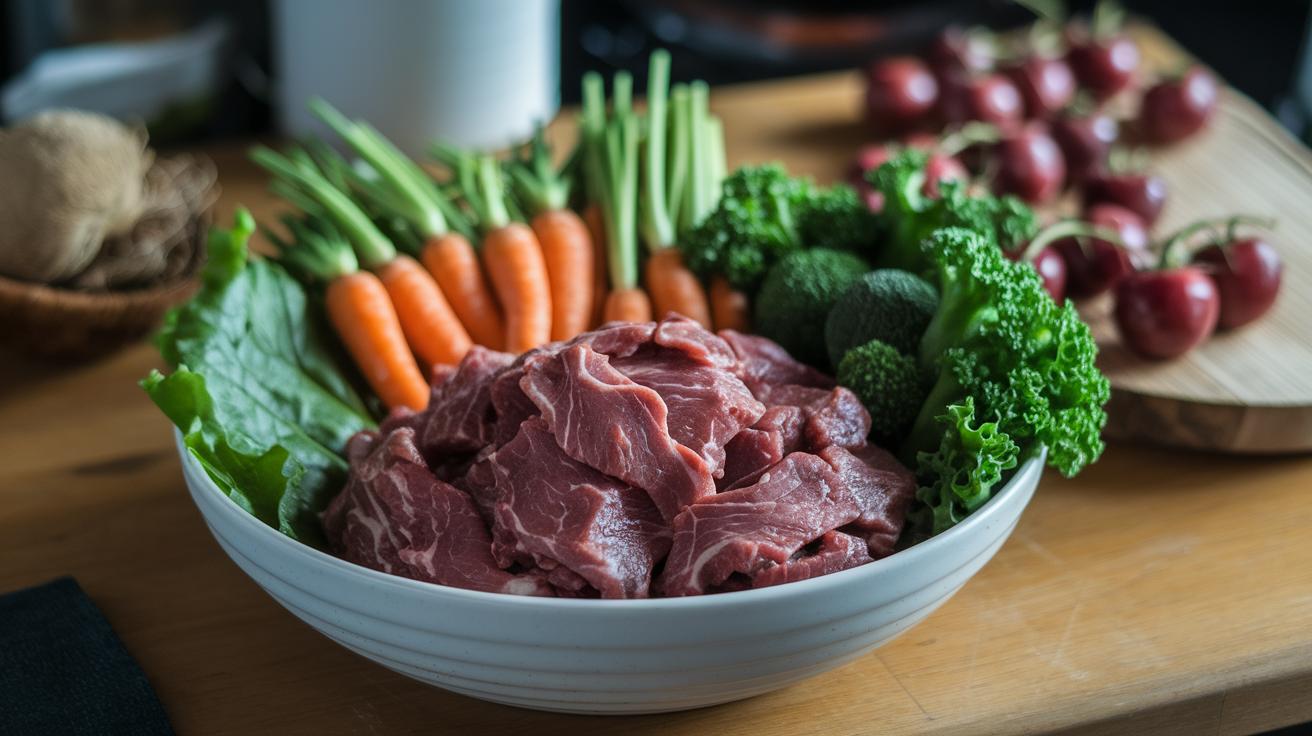
Raw diets let you serve up meals that keep most of nature's goodness. Feeding unprocessed meats and veggies means natural enzymes and vitamins stay intact, almost like giving your pet a taste of nature. But be careful, raw foods can sometimes carry bacteria like Salmonella or Listeria. That’s why it’s important to pick high-quality sources and handle the food with extra care. When switching your pet to a raw diet, start by replacing about 25% of their regular meal over 7 to 10 days. Imagine slowly mixing in a few raw carrot bits into their usual bowl until they get used to it.
Cooked homemade meals put you in the driver’s seat when it comes to ingredients. You know exactly what’s going into your pet’s food, with no extra additives. Cooking helps make the meal safer by getting rid of harmful bacteria, even if the heat might lower some of the vitamins. This approach is great if you’re aware of your pet’s unique needs. Just like with raw foods, slowly blend the new cooked meal into their current diet over several days. It’s a bit like adding a new spice to your favorite dish, gradual changes help avoid tummy troubles.
Commercial pet foods, whether kibbles or wet foods, are all about convenience and consistent nutrient levels. These foods meet standard nutritional guidelines, although some may include grains or additives that aren’t the easiest for all pets to digest. They might not pack the same nutrient punch as a well-made homemade meal. Remember, when shifting to any new food, a gentle, gradual transition is key to keeping your pet happy and healthy.
Strategic Supplementation in Pet Nutrition for Vitality
Adding a few special supplements to your pet’s meals can really boost their health and energy. A daily dose of probiotics (1–3 billion colony forming units) helps keep their tummy balanced, making each bite more nutritious.
For smooth joint movement and comfort, try mixing in fish oil, about 20 mg per kilogram of combined EPA and DHA, with glucosamine at roughly 15 mg per kilogram. This combo can ease stiffness from arthritis and keep your pet lively.
Enzyme blends like protease and amylase are great for helping digest home-cooked meals. They make it easier for your furry friend to soak up all the goodness in their food.
In addition, a bit of MCT oil (around 5% of daily calories) paired with antioxidants such as vitamins E and C can support brain health, especially in older pets. These ingredients aim to keep their mind as sharp as their playful spirit.
Each supplement has its own dosage rules to help maintain a healthy balance, and remember, every pet is unique. So, before you add anything new to your pet’s diet, it’s always smart to talk with your vet to ensure all the ingredients work well together.
Nutritional Management of Aging Conditions in Pets

As our furry friends grow older, even small changes to their meals can boost their health and help with age-related issues. It might sound simple, but a few tweaks, like a sprinkle of special nutrients here or a change in portion size there, can ease joint aches, support kidney and liver health, and even keep their minds sharp. I’ve seen it work wonders, and it might brighten your pet’s day, too.
-
Arthritis care – Try adding omega-3 fatty acids and glucosamine (both help ease joint stiffness) to your pet’s diet for smoother movement.
-
Kidney support – Offer foods with lower protein and phosphorus. This lessens the work your pet’s kidneys have to do.
-
Liver care – Consider mixing in medium-chain triglycerides and proteins that are easy to digest. This can take some pressure off their liver.
-
Brain boost – Adding antioxidants and a bit of MCT oil can support your pet’s brain function, helping them stay alert.
-
Weight control – Adjust calories and portion sizes to keep your pet at a healthy body weight.
-
Life-stage balance – Create a diet that fits your pet’s breed and age. It should cover all basic nutritional needs so they get what they need as they age.
Working alongside your veterinarian is a great idea. That way, you can tailor these suggestions to fit your pet’s unique needs, whether it’s a sensitive tummy or extra energy for play. Every pet is different, and a vet’s guidance ensures that any new meal plan works well with any other treatments they might be getting. With a little planning and care, each meal can be a step toward a happier, more comfortable later life for your cherished companion.
Safe Diet Transitions in Pet Nutrition for Longevity
Switching your pet’s food should be a slow, gentle process so you don’t end up with a fussy tummy. This gradual change helps your buddy’s body get used to a new, balanced meal that can keep them happy and healthy for years to come.
Here’s an easy, step-by-step guide to mixing in the new food with the old one:
- Start by mixing 25% new food with 75% of the food they’re used to.
- Stir the mix well so every bite is evenly blended.
- Keep this 25/75 mix for one day, and watch your pet closely.
- Next, change the mix to 50% new food and 50% old food over the next one or two days.
- If your pet stays comfy with no loose stools or tummy troubles, shift to 75% new food and only 25% of the old food.
- Use that ratio for another day or two and keep checking how they’re doing.
- Finally, complete the switch by feeding 100% new food.
Always keep an eye on your pet as you go through these steps. If you spot any signs like loose stools or discomfort, take it slow and check with your vet to make sure everything’s okay.
Monitoring and Adjusting Pet Nutrition for Lifespan Success

Imagine catching up with your pet about their health every month. You can start by weighing them and using a simple 1 to 9 body score (where 4 or 5 is just right) to see how they're doing. If their shape shifts, try adjusting their food by about 10%, small tweaks can go a long way.
Every six months, plan a visit with your vet to check important numbers like blood fats and sugars (these are key to keeping your pet in tip-top shape). This routine is a bit like tuning up a favorite instrument, keeping everything working smoothly for years to come.
Here are a few friendly reminders:
- Keep track with a 1 to 9 score and aim for a 4 to 5 rating.
- Weigh your pet every month.
- Notice how active they are each day.
- Watch their coat for a healthy shine.
- Check lab results during those vet visits.
Final Words
In the action, we've explored how a balanced, nutrient-rich diet can extend our pets' lifespans. We covered foundational feeding principles, species-specific needs for dogs and cats, and the benefits of vital supplements. We even broke down feeding schedules, ingredient quality, and smart transitions for a smooth, lasting change.
Every tip and strategy shared here supports pet nutrition for long-term health and longevity. With thoughtful meal planning, our furry friends can enjoy more vibrant, fulfilling lives. Here's to a future of happy, healthy pets!
FAQ
What is the best pet nutrition for long-term health and longevity?
The best pet nutrition for long-term health and longevity provides balanced macros and essential vitamins. It features fresh, nutrient-dense ingredients that support overall well-being and help extend your pet’s active years.
What does the Purina lifespan study reveal about pet nutrition?
The Purina lifespan study highlights that a balanced diet with quality nutrients can improve overall health and potentially extend a pet’s lifespan while keeping them active longer.
How do diet restrictions affect a dog’s lifespan and age-related changes?
The effects of diet restrictions show that controlled portions reduce obesity and age-related decline. A reduced-calorie diet supports healthy weight management and improved vitality in dogs.
What are the typical lifespans for Chihuahuas and cats?
Typical lifespans indicate that Chihuahuas often live around 14–16 years, while cats can live between 12–18 years when given proper nutrition and attentive care.
What insights does the Dog Aging Project offer on pet longevity?
The Dog Aging Project shows that careful meal planning and regular veterinary checkups, combined with a balanced diet, play key roles in extending a dog’s healthy, active years.
What diet helps a dog live longer and stay healthy?
A healthy dog diet includes balanced proteins, fats, and joint-support nutrients. Fresh ingredients and proper portioning boost energy levels, support mobility, and promote a longer life.
How much does a pet nutritionist cost?
A pet nutritionist typically charges between about $100 and $200 per consultation based on their expertise and local market rates, offering personalized advice for your pet’s needs.
What is the number one nutrient needed for senior pets?
For senior pets, high-quality protein is vital as it helps maintain muscle mass and strength while supporting overall immune function and daily energy levels.