

Ever wonder if strict discipline is the only way? Imagine a training session filled with kind words and delightful rewards. This gentle, loving method helps your pet feel safe as they learn to trust you. Instead of using force, you guide your furry friend with clear cues and treats that make them excited to listen (treats are little bites of joy, by the way). It’s a fun way to teach good manners while deepening that special bond between you two.
How Compassionate Pet Training Strategies Work
Reward-based training creates a warm, caring space where your pet learns through positive moments rather than fear. This method follows guidelines from the American Veterinary Society of Animal Behavior (experts who know pet behavior), making training sessions safe and fun. With gentle, no-force techniques, you can keep stress low while guiding your furry friend with steady rewards.
This approach skips punishment completely. It’s all about understanding your pet’s signals and teaching them with clear communication. When learning is fun and every little win is celebrated, your pet can truly thrive.
- Smart management that prevents unwanted habits from taking root
- Adjusting emotional responses to help your pet see triggers in a positive light
- Teaching key skills such as emergency turns, recall, and touch behaviors
- Providing mental and physical activities to keep your pet engaged and active
- Gradually introducing challenges to build confidence
Each of these steps comes together to form a balanced routine that boosts your pet’s well-being and strengthens your bond. Smart management keeps problems from happening again, and tweaking emotional responses makes tricky situations more comfortable. Teaching important skills gives your pet practical tools for both emergencies and everyday life. Fun activities keep their mind busy and body active, and gentle exposure to new challenges builds their self-assurance. In the end, these actions not only shape good behavior but also deepen the loving connection between you and your pet.
Building Trust with Positive Reinforcement in Compassionate Training

Building trust with your pet is at the core of compassionate training. When your pet feels safe and loved, they become excited to learn new tricks and behaviors. For instance, a happily wagging tail after a gentle command shows your pet feels secure and valued. This deep trust lets positive reinforcement work like magic.
Timing and consistency are key. Reward-based learning means you give a small treat or a kind word right after your pet does something good. Imagine a little pup's eyes lighting up the moment you offer a treat just after they listen to you. That quick praise helps your pet connect their action with your positive reaction. When you keep using the same cues and rewards, even the smallest victories build into a pattern of great behavior.
Giving rewards immediately and keeping a steady schedule of praise makes every training session fun and full of trust. It turns each moment into a shared, joyful experience between you and your furry friend.
Gentle Behavior Modification Techniques for Common Pet Issues
Caring behavior modification is all about giving your pet a calm, nurturing space where they can learn new behaviors without stress. This friendly method mixes small shifts in how your pet reacts with easy-to-follow steps to handle issues like overreaction, aggression, and worry. By adjusting the approach to fit your pet’s unique personality, you help them feel safe while picking up healthier habits.
Addressing Reactivity
If you notice your pet getting overly excited or reactive to everyday sights and sounds, start by managing their environment. A little control can go a long way in cutting down on those repeated reactions. One great trick is counterconditioning (a way to change how your pet feels by pairing an upsetting trigger with something positive). For example, if your dog starts barking when other dogs pass by, try guiding their attention with a soft, reassuring command before the trigger shows up.
Managing Aggression
Aggressive behavior can be challenging, but the first step is spotting what situations lead to these reactions. Once you know the triggers, you can work on teaching your pet a calmer, more gentle response. Gradually reward small moments of calm so they learn to choose better behaviors over lashing out. This steady approach not only cuts down on aggressive incidents but also grows the trust between you and your furry friend.
Reducing Anxiety
Pets often show anxiety with signs like nervousness or avoidance. One gentle way to help them is through desensitization (slowly and safely exposing your pet to what worries them so they can get used to it). Pair this process with fun mental and physical activities to keep them engaged and confident. Plus, creating a safe space, like a quiet corner or giving them a favorite toy, can really make your pet feel secure and at ease.
| Behavior Issue | Compassionate Technique |
|---|---|
| Reactivity | Adjusting the environment and using counterconditioning |
| Aggression | Spotting triggers, teaching calm alternatives, and rewarding gentle behavior |
| Anxiety | Using gentle desensitization, engaging activities, and creating a safe space |
Enrichment and Emotional Bonding Exercises in Compassionate Pet Training

Creating fun and engaging activities for your pet is key to a happy life. When your furry friend gets to play puzzles or run around, boredom fades away. This is especially helpful for energetic pets or those who spend long hours alone. Think of it like giving your pet a workout that makes their brain and body smile.
Interactive games add a special twist to daily routines. Puzzle feeders turn snack time into a mini adventure where your pet solves little challenges to find treats. Scent games let them follow tempting smells, sparking their natural curiosity. And playful sessions like a gentle game of fetch or hide and seek make exercise exciting. Ever seen your pup paw at a puzzle feeder, their eyes lighting up with joy at each tasty find? These moments not only boost fun but also help training go more smoothly.
Taking a few quiet minutes for gentle massages or careful brushing creates a deep bond with your pet. These tender touches build trust and invite calm, leaving your pet feeling cherished and secure.
Trust and Expertise: Selecting Compassionate Training Professionals and Resources
When it comes to pet training, having a caring expert on your side makes all the difference. Clear, written agreements between you and the trainer help build trust and keep everyone accountable. This way, you know your pet is cared for by someone who truly values gentle, reward-based methods.
Take your time to check a trainer’s background. Look for certifications like CCPDT, which show they are skilled in force-free training (methods that avoid any harsh or negative techniques). Reading client testimonials can also be helpful, as they offer a peek into how the trainer builds trust and helps pets learn happily.
It’s a good idea to see if the trainer’s way of working matches principles of gentle and ethical care. Websites like Pet Expertise (https://getpetsavvy.com?p=6361) offer great tips and extra guidance on choosing professionals who meet high care standards.
Finally, comparing different training programs is all about balancing credentials, reviews, and teaching styles. Watching a sample session or asking for references can give you confidence that you are choosing a trainer who not only meets but even exceeds your expectations.
Creating a Sustainable Compassionate Pet Training Routine
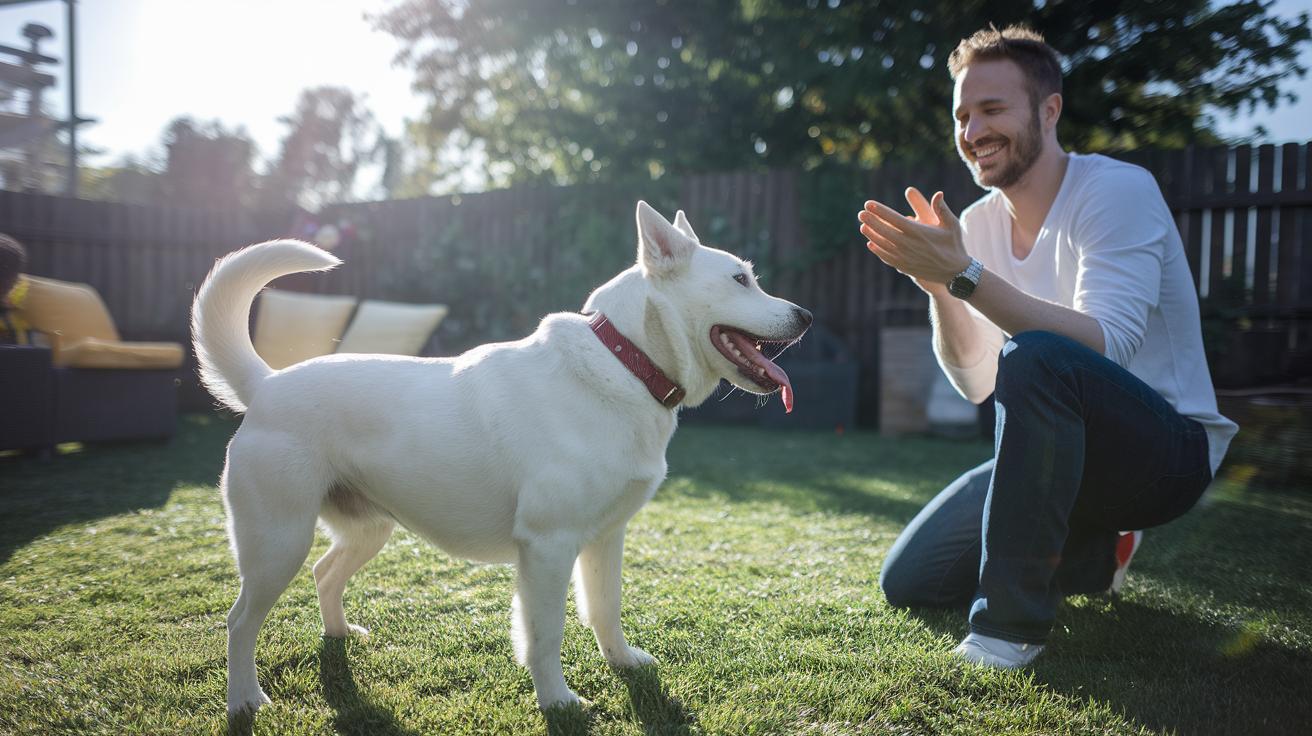
A steady routine makes training feel like a natural part of your day. When your pet knows what to expect, even small wins add up and create big improvements. It’s like having a gentle conversation with your furry friend where they learn when and how to shine.
Keep your sessions short and fun so your pet never feels tired or overwhelmed. Try doing quick 5-10 minute exercises a few times a day. This gives your pet plenty of chances to practice while keeping things light and playful. Over time, you can slowly add new, slightly more challenging steps to boost their confidence. Think of it as following a simple daily plan, much like a house training schedule, that makes the whole experience feel like a game rather than a chore.
When you notice your pet lighting up at a new trick or struggling with a step, it’s okay to switch things up. Take a moment to celebrate each little win and adjust your routine as needed. A few small changes here and there go a long way in keeping the training fun and effective for both of you.
Final Words
In the action, we explored reward-based methods, gentle corrections, and fun enrichment activities that build a strong bond between pet and owner. The guide shared easy steps for behavior change, trust building through positive reinforcement, and setting routines that make training stress-free.
These compassionate pet training strategies can help your pet thrive while making each session a joyful experience. Embrace small wins and keep the process playful, every moment spent together deepens your connection and brightens your pet's day.
FAQ
Compassionate pet training strategies for dogs
The compassionate pet training strategies for dogs emphasize reward-based learning and gentle, force-free methods. They build trust through positive reinforcement, clear cues, and consistent practice to help pets learn essential skills in a low-stress environment.
Pet Partners Handler’s Questionnaire
The Pet Partners Handler’s Questionnaire serves as a tool to assess a handler’s skills and views on compassionate training. It helps ensure that training professionals use humane, reward-based methods tailored to each pet’s needs.
Pet Partners evaluation
The Pet Partners evaluation reviews trainer credentials, client testimonials, and training methods to verify that compassionate, reward-based strategies are in place. This evaluation guarantees a safe, low-stress approach for pet training.