
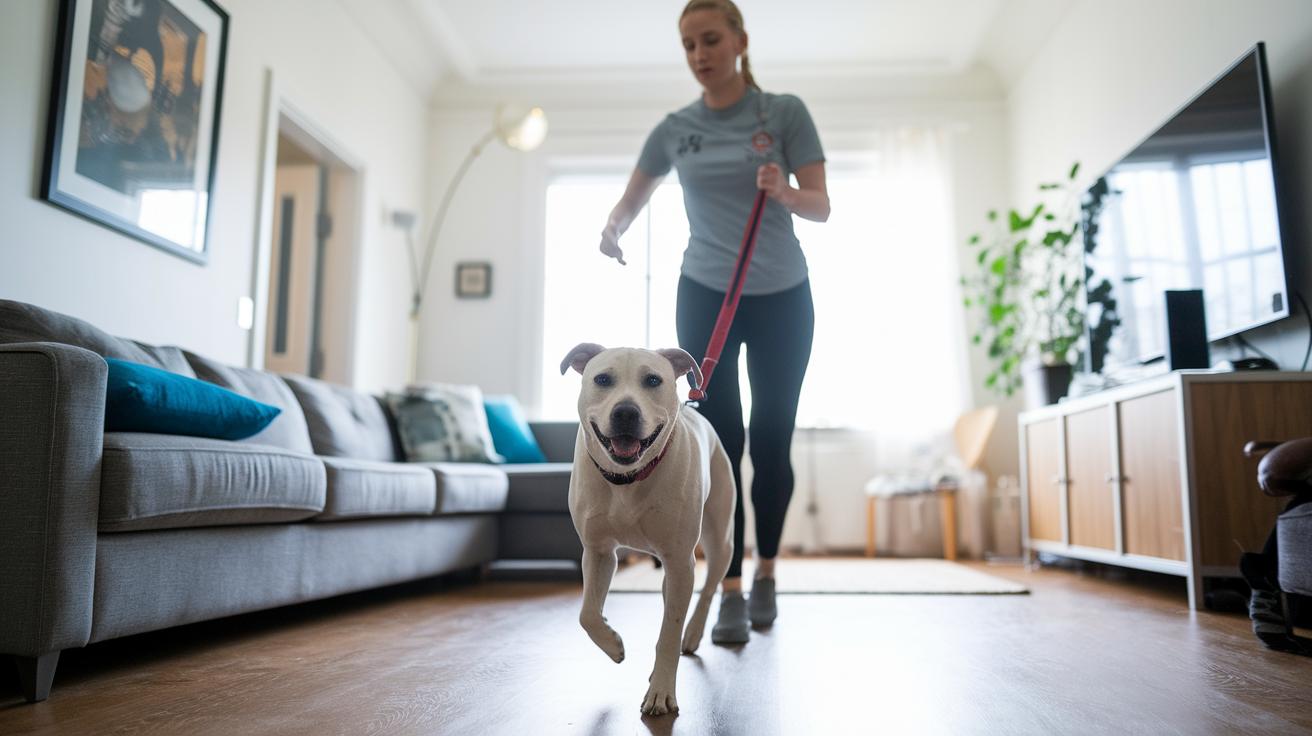
Have you ever wondered if being kind to your pet is just another myth in training? Lots of pet parents get confused by advice that pushes a strict, boss-like style even when science shows that gentle methods work best. Research and everyday stories tell us that pets really shine with clear rewards and calm cues.
In this post, we clear up some common mix-ups and show you how positive pet training brings out the happiest side of your furry friend. No stress, no harsh commands, just a supportive, reward-filled approach that truly works.
Positive Pet Training Myths Debunked: Evidence-Based Answers for Pet Owners
Positive pet training is all about using rewards to encourage good behavior instead of punishment. It means treating your pet with kindness while guiding them gently. Have you ever noticed how a wagging tail can light up a room after a treat? That’s because dogs learn best when they feel supported.
Research shows that dogs thrive when rewards replace harsh commands. In fact, studies have debunked ideas like the need for strict alpha dominance. Dogs respond better to a happy, reward-filled environment than to any forceful leadership.
When you use positive reinforcement, your pet feels less stressed and learns habits that stick without any fear. For example, the myth that treats make your dog too dependent has been busted by real-world examples and solid studies. This method not only works for puppies but also helps older dogs pick up new tricks with a little extra love and consistency.
Embracing evidence-based training leads to happier, well-behaved pets. Even the notion that some breeds can’t be trained is challenged by data that proves every dog can shine with supportive, clear guidance. By focusing on these kind methods, you’re setting up your furry friend for a life full of joy and trust.
Top 7 Positive Pet Training Myths Versus Facts

There's a lot of advice out there about pet training, and sometimes it can feel like there's more myth than fact. Let’s break down these common ideas and explore what research tells us, all while keeping things friendly and simple.
-
Myth: You must be the alpha.
Fact: Dogs do best when they understand clear cues and rewards rather than feeling forced into submission. Imagine your dog happily responding to a gentle command with a wagging tail, that trust built with kind rewards is far more effective than trying to be the boss. -
Myth: Shock or prong collars solve behavior.
Fact: Tools that cause discomfort only add stress and lead to brief responses. When you use praise and steady rewards, your dog learns in a calm, positive way. Have you ever noticed how a kind word can brighten your pet’s day? -
Myth: Crate training is cruel.
Fact: When introduced slowly, a crate can feel like a private, safe retreat for your dog. Think of it as a little haven where they can relax and feel secure, much like a cozy nook in your home. -
Myth: Rewards cause treat dependency.
Fact: With smart training that mixes treat rewards with other forms of praise and play, dogs learn to rely on various signals. Soon enough, it’s not just about the treats but also the encouraging words and fun activities. -
Myth: Some dogs aren’t food motivated.
Fact: Even if treats aren’t the main draw, many dogs respond well to playtime, cheerful words, or a favorite toy as a reward for a job well done. It’s all about finding what makes your pet’s eyes light up. -
Myth: Tug-of-war triggers aggression.
Fact: A well-played tug game teaches dogs impulse control while strengthening the bond between you two. It turns playtime into a chance for focused learning and cooperative fun. -
Myth: Large breeds need dominance.
Fact: A dog’s size doesn’t change what works best in training. All dogs flourish with consistent, positive reinforcement that values kindness and builds trust over force. Remember, a gentle approach goes a long way no matter how big they are.
Each of these facts shows how positive training reshapes control into a joyful, trust-building journey for you and your pet.
Clarifying Common Errors in Positive Pet Training Myths
Positive pet training sometimes gets mixed up with common myths, slowing down your pup's progress. Many pet parents think a puppy's short attention span means early training won't work. But really, even a tiny pup can start learning basic cues that help prevent behavior issues later on. This shows how important it is to use clear, proven training techniques.
| Myth | Why People Believe It | What the Evidence Shows |
|---|---|---|
| It's too early to start puppy training | They think puppies can't focus | Early socialization and learning simple cues can stop behavior problems before they start. |
| It's too late to train older dogs | They believe adult habits are set in stone | Dogs can learn new things at any age when you use steady, positive reinforcement. |
| Positive trainers never say “No” | Some think that means they lack boundaries | In reality, they guide your pet using redirection and alternative behaviors instead of punishment. |
These points remind us that early training isn't about expecting your puppy to be perfectly focused all the time. In truth, friendly and consistent training at any stage helps your pet shine. And honestly, a warm “no,” combined with a cue and a reward, can really set your furry friend on the right path.
Veterinarian Insights on Debunking Positive Pet Training Fallacies

Recent studies by veterinarians show that using punishment in training can really stress out your dog and slow down how quickly they learn. When a dog is corrected harshly, its body releases stress chemicals (hormones that signal anxiety), which only makes it tougher for them to pick up new behaviors. Instead, many veterinary behaviorists recommend positive methods like differential reinforcement (that means rewarding the right behavior) because they guide our furry friends in a gentle way without causing fear. Imagine your dog happily responding to a kind command, excited to earn a treat rather than dreading a scolding.
Experts also say that counterconditioning and desensitization techniques can really help when your pet is scared or acting out aggressively. These approaches work by pairing a potentially scary trigger with something pleasant, which helps your dog feel safer over time. For example, if your pup gets frightened by loud noises, a slow, steady introduction to the sound paired with tasty rewards can teach them to stay calm. And if you’re ever in need of professional guidance, check out the Dog Training Classes offered by certified experts who use these tried-and-true, gentle methods: https://goodkaws.com?p=90.
Veterinarians keep stressing that training should always make your pet’s heart feel safe and happy. They believe that using clear, evidence-based techniques is the best way to encourage lasting, positive change in your pet’s behavior.
Case Studies Illustrating Positive Pet Training Myth Busting
Imagine a 6-month-old rescue puppy that used to shy away from being held. With a steady rhythm of gentle counterconditioning over four weeks, this little furry friend cut its avoidance by about 80%. It’s amazing how a mix of kindness and consistency can change behavior, and science backs it up.
Then there’s the story of an adult dog with leash reactivity. After just three weeks of special reward strategies and gradual exposure, this pup learned to enjoy calm walks instead of dreading every step. Picture each gentle stride earning praise instead of fear. It really shows how the right rewards can swap out anxiety for confidence.
Both stories remind us that even the toughest habits can be gently reshaped. With structured, reward-based techniques, these pets not only became better behaved, they also grew more self-assured. It’s a great nudge to bust the myth that some dogs are beyond help.
Real-life examples like these show that with steady, loving care, fear and reactivity can turn into trust and calm. Have you ever seen a pet blossom with a little extra patience and warmth?
Next Steps: Applying Debunked Positive Pet Training Practices

Begin by using differential reinforcement to guide your pet. That means you give praise or a little treat when they do something right (DRA) and simply ignore small mistakes (DRO). Picture your dog sitting nicely, waiting patiently, and then getting a kind word and a gentle pat. These small moments build trust and help your pet feel confident.
Next, if your furry friend gets scared by certain sounds or situations, try counterconditioning and desensitization. In plain language, pair that trigger with something your pet loves, like a tasty treat. Imagine a dog that once backed away from a loud sound now eagerly wagging its tail after hearing a soft noise and getting a morsel. This gentle approach helps turn fear into a calm, positive experience.
Finally, start to gradually phase out constant food rewards by mixing praise with treats here and there. Use simple words and clear signals to show what you want from your pet. Over time, your buddy will begin to respond on cue, enjoying a training routine that replaces old myths with kind, proven methods.
Final Words
In the action, we unraveled the science behind common training myths. Evidence-based methods, like positive reinforcement and counterconditioning, win over outdated ideas every time. We shared real-life case studies, clear vet insights, and step-by-step tips to guide you in rethinking pet instruction. This journey through positive pet training myths debunked builds a foundation for happier, more confident pets. Here’s to making informed choices and enjoying every rewarding moment with your furry friend.
FAQ
FAQ
What does positive pet training involve?
Positive pet training involves using reward‐based methods to teach pets by reinforcing good behavior without fear. Learn more about positive pet training at What is Positive Pet Training.
When is it best to start training a pet?
Training works at every stage. Early socialization helps puppies, and adult dogs can learn through consistent, reward‐based methods that build lasting behaviors.
Is crate training truly harmful to pets?
Crate training isn’t cruel when introduced gradually. It creates a safe space that pets can learn to trust as a comfort zone.
Can using treats lead to treat dependency in pet training?
Careful use of treats with varied reinforcement and cue fades prevents dependency, allowing pets to respond well to both rewards and verbal praise.
How do veterinarian insights support positive pet training methods?
Veterinarians support reward‐based training as it reduces stress hormones and builds positive behaviors without causing fear in pets.