
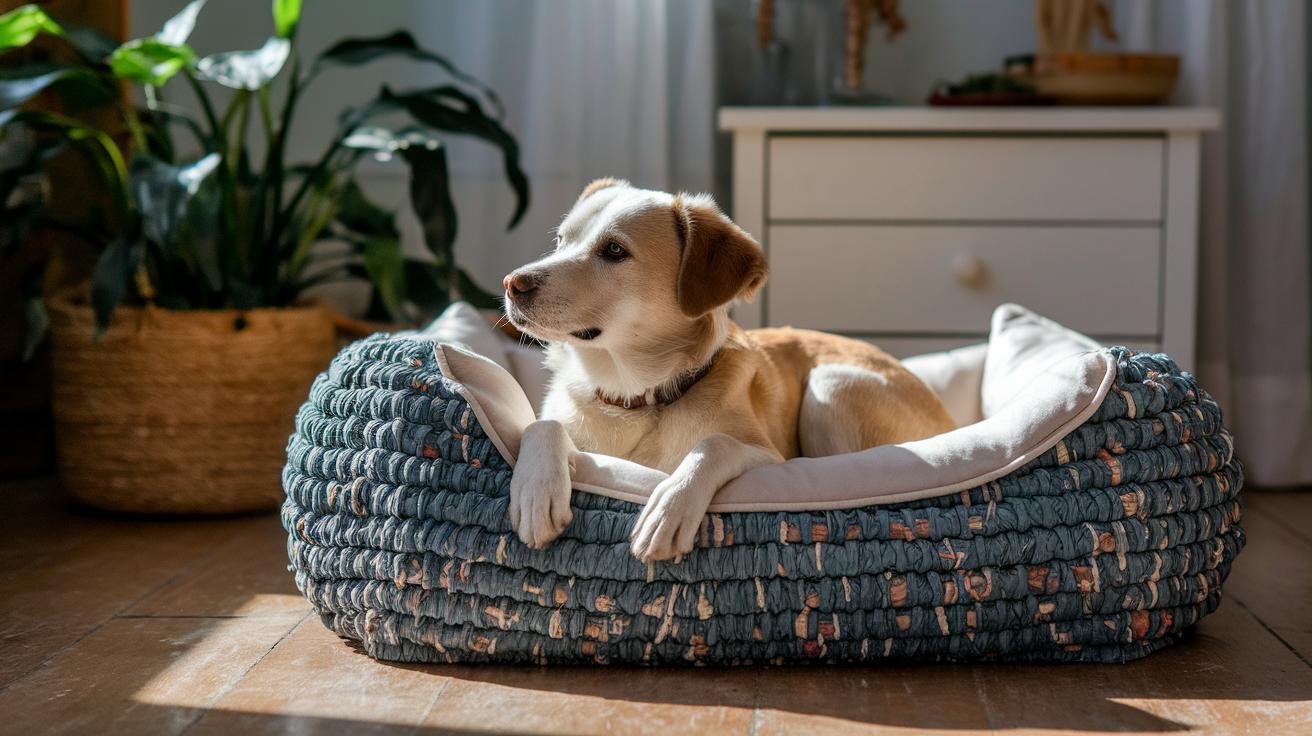
Have you ever thought that your pet's bed could help the environment? Beds made from recycled materials might be the surprising answer you never expected.
People reuse old t-shirts, cozy sweaters, and even cardboard boxes to create these snug beds. This simple idea helps reduce waste and save energy. Research even shows that using them can slash carbon emissions by almost half.
Your furry friend gets a comfy place to snooze, and our planet gets a break from excess pollution. In the end, choosing recycled pet bedding is a smart way to care for your pet while caring for the Earth.
Recycled Pet Bed Materials: Environmental and Performance Benefits
Recycled bedding brings extra comfort for your pet and good care for our planet. It uses old items, like a few worn t-shirts, cozy sweaters, blankets, and even cardboard boxes, to create a snug bed that feels nearly new. This clever method cuts waste by giving new life to things that might otherwise end up in a landfill. In fact, recycled cotton and fleece can feel just as soft as new fabrics while cutting carbon emissions by roughly 40 to 60 percent. Plus, it saves water and energy compared to making new textiles, so it stands up well to your pet’s everyday play.
Next, let’s take a look at some of the wins recycled pet bedding offers:
• It reduces waste by reusing old materials.
• It has a lower carbon footprint than completely new fibers.
• It lasts as long, or even longer, than many new beds.
• It conserves valuable resources like water and energy.
Did you know recycled pet bedding can last more than 5 years? That’s much longer than the typical 3-year lifespan of many conventional beds. Fewer replacements over time mean you save money and help reduce waste even more.
When you choose eco-friendly dog bedding options (check out sustainable pet supplies here: https://getpetsavvy.com?p=7577), you’re not only giving your pet a soft, supportive place to rest, you’re also sticking to your green values. Every seam and stitch of a recycled pet bed shows a little promise to take care of our environment, all while keeping your furry friend safe and happy in a chemical-free zone.
Enhanced Durability with Recycled Pet Bed Materials

Have you ever noticed how some pet beds seem to last forever, even after all the bouncing and washing? These recycled fiber beds are built tough enough to handle everyday pet adventures. They easily manage all that running, jumping, and even frequent washes, keeping your pet's cozy spot reliable and inviting.
What's really cool is that these beds are made with recycled cotton and fleece. That means they’re as strong as new fabrics, keeping their comfy feel wash after wash.
| Feature | Conventional Material | Recycled Material |
|---|---|---|
| Lifespan | About 3 years | Over 5 years |
| Replacement Frequency | Every 18–24 months | Every 36–60 months |
| Warranty | 1 year | 2–3 years |
With fewer replacements needed, maybe 30–50% less often over five years, these recycled pet beds cut down on waste and can save you money in the long run. The materials also resist matting and hold their fluffiness longer, meaning your pet gets a supportive, comfy bed without constant care. Isn't it nice knowing you're making a choice that's kind to both your pet and the planet?
Recycled pet bed materials benefits: Boosting Eco Comfort
Recycled pet beds crafted with organic cotton and plant fibers offer our furry friends a safe, chemical-free place to snooze. They steer clear of harsh chemicals and flame retardants, giving your pet a gentle surface to relax on. Plus, these beds skip the synthetic additives found in most regular fabrics, which is great for pets with sensitive skin.
Recycled fleece is really breathable, letting fresh air mix with your pet's natural warmth to keep them comfortable in any season. Its hypoallergenic traits (meaning it is less likely to trigger allergies) help lower skin irritations, creating a cozy spot for even the most delicate coats. Imagine wrapping your pet in a soft, secure blanket that also lets their skin breathe easily.
Many recycled pet bed designs proudly carry the OEKO-Tex Standard 100 mark, a trusted certification that shows no harmful substances were used. With this reliable badge, pet owners can feel confident knowing they are choosing an eco-friendly sleep spot that is safe, supportive, and filled with natural comfort.
Cost and Long-Term Value of Recycled Pet Bed Materials

If you're setting up a cozy corner for your pet, you can even make a bed out of 3 or 4 old T-shirts for under $10. It's a huge saving compared to spending $50 to $80 on a store-bought one. When you craft your own bed, you get to reuse what you already have, plus you can design it just the way you like. On the other hand, branded recycled beds, usually between $60 and $90, can be a clever choice since they last longer and handle wear really well.
One of the best parts about recycled pet beds is that you don’t have to replace them as often. Regular beds might need an update every 18 to 24 months, but a good recycled option can stay strong for 3 to 5 years. That means you could save over a hundred dollars in five years. Many of these eco-friendly beds even offer warranties of 2 to 3 years, so you feel secure about your choice. Plus, buying fewer new beds helps reduce waste, which is a win for everyone.
Some companies also sweeten the deal with extras like free returns and friendly shipping. Every little cost-saving detail, from a low initial price to fewer replacements, adds up, making it an affordable, smart choice. In the end, you get a comfy bed for your pet without stretching your budget too far.
Recycled pet bed materials benefits: Boosting Eco Comfort
Many pet owners are excited by recycled pet beds. About 72% say they love both the look and the ease these beds bring. The eco-friendly pet accessory market is growing by around 8% every year. Imagine a product that pampers your pet while being kind to the planet – that’s a win-win!
Veterinarians often recommend these beds if your buddy has sensitive skin or allergies. They’re hypoallergenic, free from harsh chemicals, and carry OEKO-Tex certification (a seal showing the materials are safe and non-toxic). Experts explain that these recycled materials let air flow naturally and offer a calming spot to relax. Plus, manufacturers who use ethical practices build even more trust.
There’s now a wide range of sizes, shapes, and designs to choose from – crafted to meet the needs of both dogs and cats. Think about a sleek recycled pet bed that fits your cat’s playful energy – modern, stylish, and sustainable.
- Unique sizes and shapes
- Design diversity for different pet needs
- Eco-friendly safety combined with lasting comfort
Final Words
In the action, we explored how recycled pet bed materials not only boost durability and safety but also trim costs while keeping our pets comfy. We broke down environmental perks like waste reduction, lower carbon footprints, extended lifespans, and resource conservation. Each section highlighted innovative eco-friendly insights, from chemical-free fabrics to strong market trends. These recycled pet bed materials benefits paint a bright picture for pet comfort and sustainability. Enjoy the added peace of mind knowing you’re caring for your pet and the planet.
FAQ
What are the benefits of rPET?
The benefits of rPET include waste reduction, lower carbon emissions, improved durability, and resource conservation. This recycled material helps create pet beds that are eco-friendly and long-lasting, enhancing both sustainability and comfort.
What is the safest material for dog beds?
The safest material for dog beds is recycled organic cotton and plant-based fibers. These materials are free of harsh chemicals, meet strict non-toxicity standards, and offer breathability while minimizing the risk of skin irritation.
What is recycled pet material?
Recycled pet material refers to textiles repurposed from items like old t-shirts, sweaters, or recycled cotton and fleece. These materials reduce waste while maintaining durability and comfort in pet bedding products.
How to recycle PET bedding?
To recycle PET bedding, clean and separate the recyclable parts following your local recycling guidelines. Some programs also offer trade-in options to help divert used bedding away from landfills and support eco-friendly practices.