
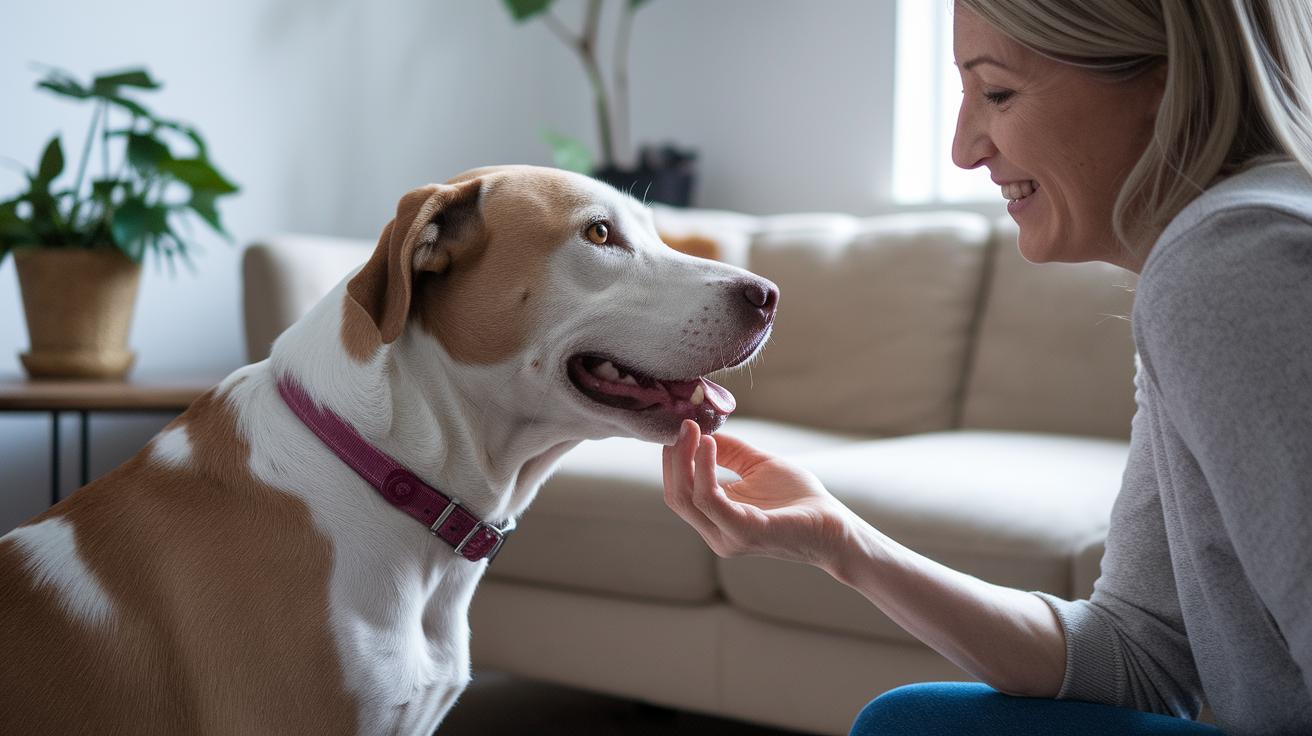
Ever wonder if your older pet can still learn something new? Positive reinforcement training is more than just saying "sit" or "stay." It brings a little sparkle back to their day.
When you praise your pet with a kind word and offer a tasty treat, you help them feel brave and ready to learn. It turns training into a fun game that you both enjoy.
This gentle method not only helps with obedience but also fills their day with extra joy and a bit of brain exercise. Remember, it’s never too late for your furry friend to shine.
How Positive Reinforcement Training Empowers Senior Pets
Senior pets can learn new tricks, even when they're older. Gentle training that rewards them with a treat or a kind word builds trust and makes them excited to join in. Instead of scolding, this method swaps harsh words for soft cues that feel friendly and reassuring. Clear commands like "come," "paw," and "go outside" help reduce confusion and build steady responses. Many older pets once shied away from loud, harsh commands because they remembered tough times. But when gentle praise comes into play, you can really see the spark return in their eyes. Learn more about the benefits of positive training!
Rewarding our furry friends not only boosts obedience but also offers them a fun mental workout. When you quickly praise your pet or hand over a treat, the training time turns into a joyful game for both of you. Imagine saying "paw" and instantly giving a treat, it’s a little moment of magic that makes them eager to learn more. This approach builds a healthy, confident mindset and deepens the bond you share.
Keeping your older pet mentally active is key to helping them stay sharp. Short, regular training sessions act like brain exercises while a steady routine with consistent cues makes their day feel secure. It really is never too late to teach an old dog new tricks, because every small win adds up to a happier, healthier buddy. For a step-by-step guide on these techniques, check out a tutorial on using positive reinforcement.
Age-Adapted Behavioral Techniques in Senior Pet Training

As our older pets change with age, it's important to adjust how we train them. Their bodies may not move as easily, and sometimes their senses aren't as sharp as before. This means you might need a gentler approach when teaching them new tricks. By using nonaversive methods (which avoid stress or punishment), you create a calm space that lets them learn at their own pace.
For example, if your pet has joint stiffness, try shorter training sessions on soft surfaces. If they have trouble hearing, use visual cues or gentle taps instead of sounds. For a pet with vision decline, high-contrast targets can be very helpful. When learning seems slower, break the behavior into smaller, manageable steps. If dental issues make chewing difficult, opt for soft, easy-to-chew rewards. And if mobility is a challenge, consider using belly slings or low obstacles to support them.
These tailored tips help meet your senior pet’s specific needs while keeping training fun and stress-free. Imagine offering a soft treat for each small win or guiding them with clear signals, each step can boost their confidence and mental alertness. In truth, these simple tweaks can make a big difference, keeping your older companion active, engaged, and happy every day.
Step-by-Step Positive Reinforcement Training Guide for Aging Pets
Before you start training, take a few moments to check on your pet’s health and how they move. Watch for any hints of stiffness or slow steps, little clues that they might not be feeling 100% comfortable. This gentle check helps your pet feel safe and cared for right from the start.
Next, set small, clear goals for each session. Focus on one behavior at a time so your pet isn’t overwhelmed. For instance, if you’re working on getting your pet to sit, celebrate even the briefest sit. Each small win builds confidence and makes training a fun, shared adventure.
Keep your verbal cues consistent. Use the same friendly tones and words like “come” or “paw” every time you train. This makes sure your pet clearly understands what you mean, turning training into a warm conversation instead of a confusing game.
When your pet gets it right, reward them immediately with praise or a treat. Think of it like giving a little round of applause for an awesome performance. Quick rewards show your furry friend that their efforts are appreciated.
Try to keep training sessions short to match your pet’s energy level. A few focused, relaxed moments work better than a long, tiring session. This way, your pet stays alert and enjoys every minute of learning.
Finally, be ready to adjust if you notice signs of stress, like deep sighs or avoidance behavior. If your pet seems uneasy, take a step back and modify the session. This flexible approach ensures that training remains a positive and joyful experience for both of you.
Customized Reward Systems for Positive Reinforcement Training in Senior Pets

Whenever your older pet picks up a new trick, a quality reward makes all the difference. Try treats like cooked lean meats (plain and unseasoned) or a dash of peanut butter, and watch your furry friend light up. Always check the ingredients, so you know you're giving something gentle on their tummy. You can also mix things up with nonfood rewards like a gentle pet or a fun puzzle, which add variety without extra calories. Pick rewards that fit your pet's unique needs and make every training session a joyful experience.
Plus, timing matters a lot. When you praise your pet within a second of doing the right thing, they quickly connect the behavior with the reward. That speedy acknowledgment makes training fun and clear. Every little moment turns into a celebration of progress. Keep these tips in mind, and you’ll create plenty of happy, rewarding moments with your loyal friend.
| Treat Type | Benefits | Cautions |
|---|---|---|
| Cooked Lean Meats | Boosts motivation and offers good nutrition | Ensure it’s free of added seasonings |
| Peanut Butter | A tasty treat that entices | Check for harmful additives |
| Gentle Petting | Strengthens your bond | May not be enough for complex tricks |
| Interactive Puzzles | Encourages mental engagement | Keep an eye out to avoid any frustration |
Creating Enriching Routines and Safe Environments for Senior Pets Training
When your senior pet starts training, set up a safe, slip-free spot. Lay down non-slip mats or textured rugs that give a good grip and prevent any accidental slips. This not only keeps your pet steady but also eases their mind so they can focus on learning.
Next, pick gentle enrichment tools that keep your pet's brain busy without putting too much strain on their body. Instead of vigorous games like fetch with tennis balls, try using interactive puzzles or soft, engaging toys. This way, you’re mixing fun with safety, and your pet stays both mentally and physically comfortable.
Finally, create a regular training schedule that matches your pet’s natural energy. Plan sessions during calm times when distractions are few and your pet is alert. A consistent routine builds confidence and keeps your senior pet feeling balanced and happy throughout each training session.
Measuring Progress and Success Stories in Positive Reinforcement Training for Senior Pets
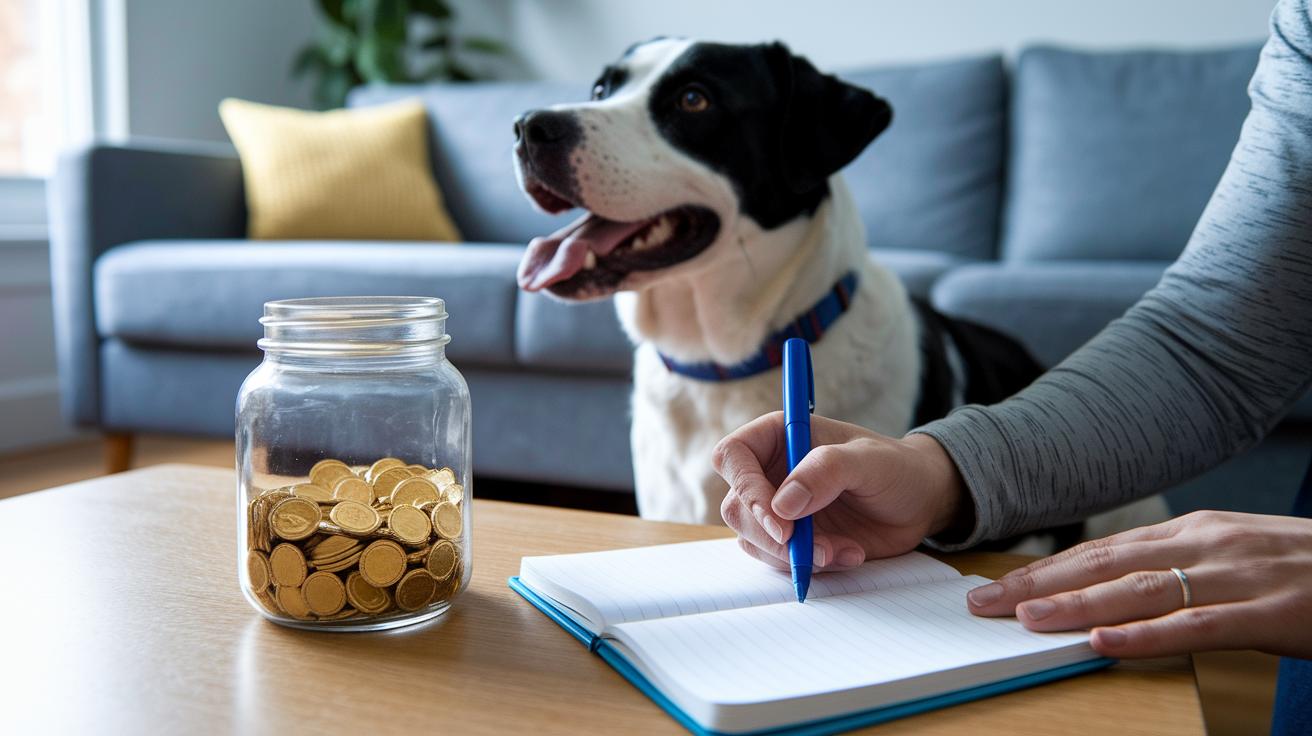
It might help to use a simple log or chart to track your pet’s training journey. Write down when your pet follows commands like "come" or "paw." Every small win builds confidence over time, and it feels great to mark each little step.
Take a moment every few days to review your notes. If you see repeated successes or areas that need extra practice, you can adjust the rewards. It’s like getting a boost every time you spot a tiny victory that keeps the training engaging and fun.
There are real stories from pet parents that show just how rewarding this approach can be. One trainer celebrated even the smallest improvement, from a quiet "sit" to a joyful "come." Another pet owner noticed gentle changes that not only deepened their bond but also kept their senior pet’s mind sharp. By keeping track and tweaking rewards based on what you see, you help your furry friend shine with joy and confidence, no matter their age.
Final Words
In the action, we explored practical ways to help our older companions learn fresh behaviors using reward-based methods. We reviewed gentle techniques tailored for aging dogs and cats, detailed a clear six-step guide, and highlighted how to make training sessions safe and fun. We also looked at choosing smart rewards and setting up cozy routines that match energy levels.
Positive reinforcement training for senior pets can light up everyday moments and bring joy to both pets and their families.
FAQ
What is negative reinforcement dog training?
Negative reinforcement dog training is a method that removes a mild discomfort when your dog responds correctly. This approach encourages behavior by taking away a negative stimulus but is less common than reward-based techniques.
How does dog training with positive reinforcement compare with correction methods?
Dog training with positive reinforcement builds behavior through rewards like treats or praise, while correction methods focus on scolding or punishment. Positive techniques often create a kinder, more trusting learning environment.
What are some examples of positive reinforcement in animal training?
Positive reinforcement in animal training involves rewarding good behavior with treats, verbal praise, or extra playtime. These rewards motivate pets to repeat desired actions consistently and joyfully.
Where can I find a positive reinforcement dog training PDF?
A positive reinforcement dog training PDF can be discovered on trusted pet care websites. These guides provide clear, step-by-step instructions to help you apply gentle training techniques at home.
How can I train an older dog basic commands, and what is the best training for older dogs?
Training an older dog means using consistent commands paired with rewards, keeping sessions short and calm. The best approach for older dogs focuses on clear cues, gentle praise, and adapting to their pace.
How can I find positive reinforcement dog training near me?
Finding positive reinforcement dog training near you typically involves searching local directories, asking fellow pet owners, or checking community centers offering classes that use reward-based methods.
What does positive reinforcement dog training psychology involve?
Positive reinforcement dog training psychology centers on rewarding positive behavior to build confidence and trust. It uses immediate, kind rewards to encourage repeat behavior while nurturing your dog’s emotional well-being.
What is the 1 2 3 method for dog training?
The 1 2 3 method breaks training into three clear steps that teach commands in a gradual way. This structured approach helps your dog associate each step with a reward, making learning smooth and effective.
What are the 5 D’s of dog training?
The 5 D’s of dog training outline key elements to adjust in training sessions—distance, duration, distraction, difficulty, and determination. These factors help refine methods to fit your dog’s learning needs.