

Have you ever thought about how pet packaging might help our planet? More brands are choosing earth-friendly options that reduce plastic and offer our pets safe, fresh products. Almost 70% of pet parents now support labels that care about nature, proving that smart, eco-friendly changes really do work.
In this post, we’re chatting about cool new materials and clever designs that are changing pet packaging. These changes help protect the environment and bring pet brands and devoted pet parents even closer together.
Key sustainable pet packaging innovations for eco-conscious brands
Pet supply packaging is changing fast as eco-friendly ideas steer the way brands care for our furry friends. By 2025, companies embracing these green solutions could really stand out. After all, almost 70% of U.S. pet owners now choose brands that care about the environment. This shift not only helps our planet but also builds stronger bonds with devoted pet parents.
Innovators are swapping out old materials for new ones that keep products fresh and useful while cutting down on waste. For example, the pet food industry tosses out about 300 million pounds of plastic each year. Now, many brands are turning to recyclable and compostable options. Picture a pet food company moving from plastic-lined packaging to paper-based designs with protective layers that keep food fresh. It’s a smart change that benefits both your pet and the earth.
New eco-friendly choices like plant-based bioplastics, recycled paperboard, and natural fibers are taking center stage. Along with these materials, minimalist, modular designs show a true commitment to nature by cutting out extra parts. These clever, sustainable packaging ideas let brands mix great performance with genuine care for animals and our environment.
Emerging eco materials in sustainable pet supply packaging

New eco materials are changing how we pack pet supplies in a way that both works great and helps the planet. It’s like giving your pet the best care while still being kind to nature. BIO-PAK + MVTR 4140 is a perfect example. This smart choice uses a 100% bio-based coating (think of it as a green shield) that keeps oxygen and moisture at bay, and you can recycle or compost it when you're done. It cuts down on plastic waste and skips harmful PFAS, so your pet products stay safe and eco-friendly.
Other options are equally exciting. Plant-based bioplastics offer a renewable twist to everyday plastics, and natural fibers like hemp bring durability while breaking down naturally. Recycled cardboard, made from post-consumer waste, helps cut back on landfill clutter without losing its protective qualities. Meanwhile, compostable packaging from renewable resources gently returns to nature after its job is done, promoting a smoother, circular economy.
| Material | Type | Key Benefit | End-of-Life |
|---|---|---|---|
| BIO-PAK + MVTR 4140 | Bio-based coating | Blocks oxygen and moisture | Recyclable, compostable |
| Plant-based bioplastic | Bioplastic | Renewable resource | Recyclable |
| Hemp fiber | Natural fiber | Tough and breaks down naturally | Compostable |
| Recycled cardboard | Recycled material | Reduces plastic use | Recyclable |
| Renewable compostable unit | Compostable packaging | Supports a circular economy | Biodegradable |
When brands switch to these earth-friendly materials, they boost how well their products work and take a big step toward caring for our environment.
Design innovations transforming sustainable pet supply packaging
Today, pet supply packaging is getting a fresh makeover that cuts down on waste without skimping on protection. Instead of using old-fashioned, waxed paper, companies are switching to modern paper-based options that keep pet food safe and sound. Simple, clean designs focus on using only what’s needed, making recycling easier than ever. Imagine opening a package that proudly says, "Eco-friendly inside, care outside", it’s like a little nod to nature every time you feed your pet.
Refillable pouches and reusable containers are also stepping into the spotlight. These smart choices mean that pet supplies last longer while producing less waste. Pet owners benefit from high-quality products that stand the test of time and the environment. And with clear, straightforward labels featuring easy-to-recognize icons, it’s simple to see how each package helps the planet. In short, these innovations blend functionality and simplicity with a clear commitment to sustainability, giving eco-minded pet lovers something to smile about.
Case studies on sustainable pet supply packaging implementations
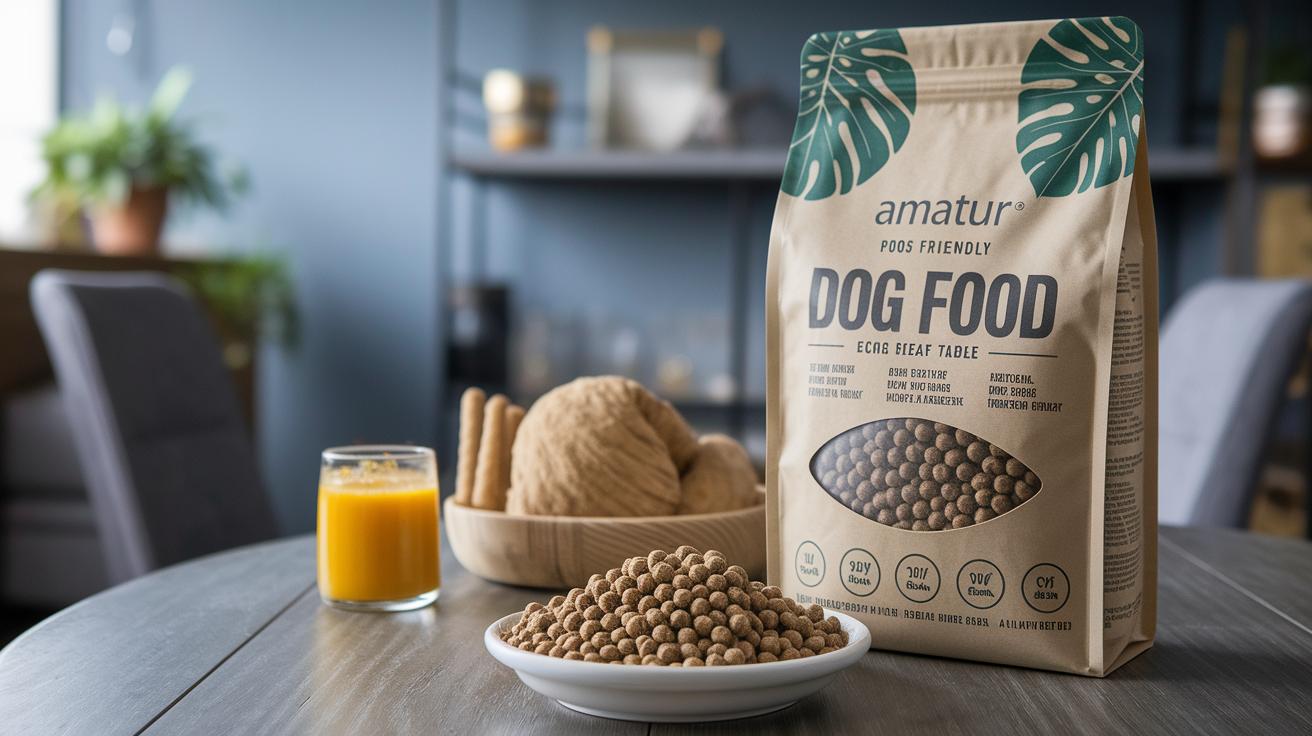
Real experiences show how companies are giving pet packaging a green twist that benefits our planet and our furry friends. They’re using smart, eco-friendly ideas that cut waste and boost performance. Let's dive into three heartwarming examples.
-
Impermea Materials rethought dog food packaging by ditching plastic. They now use BIO-PAK + MVTR 4140, a bio-based coating that stops oxygen and moisture (these elements can spoil food) without harmful chemicals. Their new design works just like the old one while tripling production capacity in North Carolina. Many pet parents and industry experts are cheering this change, proudly featured under the Sustainable pet supplies for dogs project. Imagine a dog food bag that feels like a small victory for the environment!
-
One popular brand switched to recycled cardboard boxes for cat litter packaging. The change led to a 25% sales boost among eco-conscious buyers. With every box, consumers feel they are part of a positive, recyclable change that tells a real story of green progress. It’s like getting a package that shares its recycled journey as soon as you open it.
-
Another company introduced natural fiber containers for pet treats that are 100% compostable. By choosing materials that break down completely, they set a new standard for sustainability. Pet owners felt even more confident about their treats because the packaging goes back to nature without leaving any waste behind.
These stories show clear benefits for both brands and pet lovers, sparking hope with every innovative, green solution in pet supply packaging.
Production and supply chain strategies for zero-waste pet supply packaging
Begin by taking a good look at every step of your packaging journey, from the first time you get raw materials until the product reaches its end-of-life. Imagine a pet food company that maps out each tiny step, making sure every part is truly needed. This detailed check lets you spot any extra bits you can trim and switch out for packaging that can be used again or recycled.
Work closely with suppliers who offer materials that come from nature. One brand once switched to a renewable agreement that dramatically helped reduce its carbon footprint. By choosing these renewable options, you not only cut down on harmful emissions but also set up a supply chain that cares about our planet.
Here are some helpful pointers:
- Regularly check all material use and waste to see what can be improved.
- Get rid of any packaging extras that just overcomplicate things.
- Choose packaging designs that you can reuse and recycle, giving your product a longer life.
Big moves, like Impermea’s ramp-up for eco-friendly coatings, show us that scaling up production can perfectly support a zero-waste vision. Their smart decision brought in a steady stream of green materials that keep pet supplies fresh and waste low.
By rethinking every link in the chain, brands can tweak how they make and move products to hit zero-waste targets. Every small fix in sourcing, production, and shipping adds up to a future where pet packaging is both smart and sustainable.
Regulatory standards and certifications for sustainable pet supply packaging
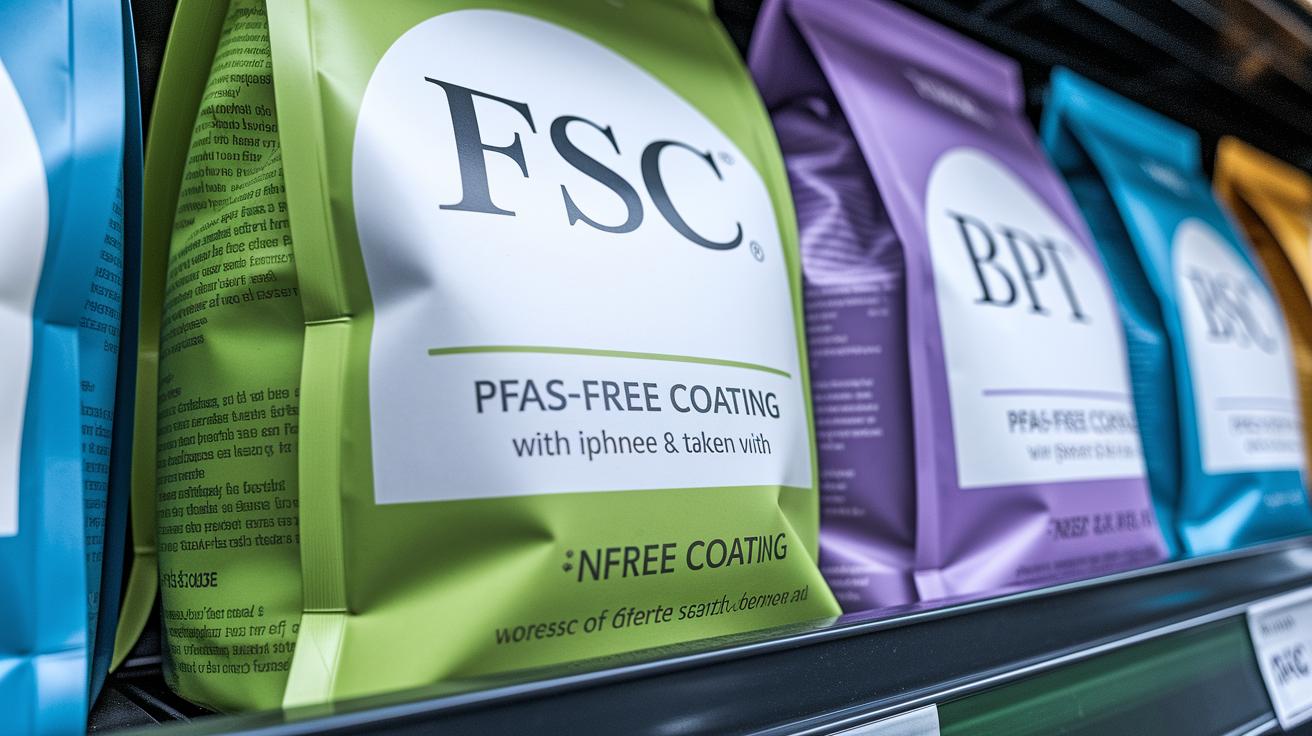
When companies work hard to earn our trust, they follow strict rules to keep packaging safe and kind to the earth. For example, pet food packaging has to stick to FDA food-contact rules (ensuring the materials that touch our pet’s treats are safe). Many brands also proudly display certifications like FSC, TUV Austria OK Compost, and standards from the Biodegradable Products Institute. These marks let pet owners know that the packaging not only works well but also helps protect our environment.
Lifecycle analysis tools take a look at every step, from the raw materials right up to disposal. This full view helps point out where changes can reduce waste and lower the impact on nature. And using PFAS-free coatings takes it a step further by keeping harmful chemicals at bay while still making sure the packaging stays strong.
- Check that your materials have trusted certifications
- Use lifecycle assessments to see the full environmental impact
- Choose labels and coatings that follow safety and sustainability rules
Every standard and certification builds extra trust for the pet industry and for pet-loving families who just want the best for their furry friends.
Cost analysis and business benefits of eco-friendly pet supply packaging innovations
Switching to eco-friendly packaging might feel pricey at first, but it really pays off over time. Using energy-saving production methods cuts long-term costs, especially as your business grows. For example, when Impermea tripled its output, each unit cost a lot less. That boost not only saved money but also made everyone feel confident that every product met the same high standard.
Businesses that go green with their packaging find themselves connecting better with pet parents. Around 70% of pet owners prefer brands that care about our environment. It means that investing in green packaging helps build trust and loyalty over time. When pet lovers see a brand making true efforts to reduce its environmental impact, they stick around and tell other pet owners, too.
Innovations like carbon-neutral shipping and more efficient production methods bring extra savings along with smoother day-to-day operations. These approaches not only make production more efficient but also boost your brand’s image. Today, saving money while lowering carbon emissions go hand in hand. Every dollar saved and every emission cut helps your brand stand out in the competitive world of Green pet supplies. Embracing these smart practices benefits the planet and keeps you ahead in the pet supply market.
Final Words
In the action, we covered key strategies that are transforming packaging for our furry friends, from emerging eco materials and smart design to real-life case studies and lean production methods.
We explored how sustainable pet supply packaging innovations not only reduce waste but also keep your pet’s favorite treats fresh and secure.
Every little effort helps create a healthier planet and happier pets, so let’s keep moving forward with these eco-friendly ideas.