
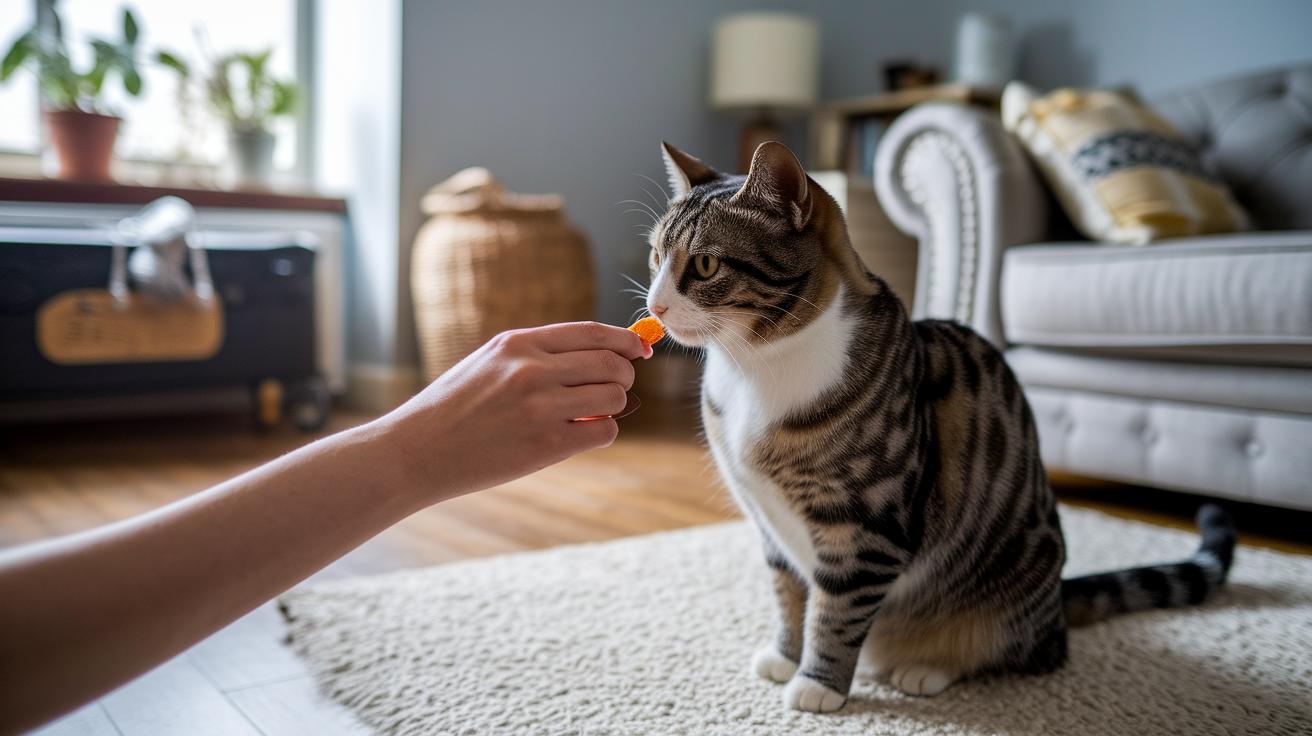
Have you ever noticed your cat sometimes doesn't come when you call? Maybe the secret is reward-based training. In this method, you give your kitty a treat, toy, or extra cuddle (a little bonus for doing well) right after they behave the way you want.
This quick reward lights up their day and builds a stronger bond between you. Each little positive moment turns a simple command into something fun and stress-free. Imagine the joy in those moments, a happy kitty and a deeper connection with your furry friend.
reward-based cat training techniques: Spark kitty joy
Reward-based cat training is all about linking those fun treats, a favorite toy, or some extra cuddles with the behaviors you love to see. When your kitty does something right, you give a reward immediately, a principle based on classical conditioning (that fancy idea which means tying a behavior to a happy outcome). This method helps your cat quickly learn that good actions bring pleasant surprises.
Picture this: you say "Good kitty" in a friendly tone, then quickly hand over a soft treat. Soon enough, your furry friend starts behaving just to hear that cue and snag a tasty reward. This approach gently replaces any harsh or scary methods with treats that everyone in the family can enjoy, turning training into a fun, shared activity.
Here are some simple tips to keep in mind:
- Use high-value rewards like freeze-dried meat or that special toy your cat loves.
- Pair a clear word or a clicker sound with every good behavior.
- Keep training sessions short, about five to ten minutes, to suit your cat’s attention span.
And remember, treat-based training isn’t just for the basics. Over time, you can encourage your kitty to learn more complex tricks and routines. Experts even showcased at the 2019 train4Rewards event how repeated, positive pairings pave the way for learning in a stress-free, playful environment.
In the end, this method not only makes training joyful but also strengthens the special bond you share with your feline friend. Every session becomes a warm, engaging moment that both of you look forward to, turning each new command into a shared adventure.
Preparing for Reward-Based Training Sessions

Take five to ten minutes to bond with your cat during training sessions. This short time frame fits right in with your kitty’s natural focus and keeps them interested. Start by choosing a quiet space where your cat feels relaxed, a room free of noisy appliances or bustling family chatter.
Before you begin, gather your treats. Keep a small bag of bite-sized freeze-dried meat or their favorite snack nearby. That way, you can offer a reward right when your cat shows a good behavior. Picture it: having the treats at arm’s reach means the praise is instant, making each reward feel even more special.
Find out what your cat loves most early on. Maybe it’s a cheerful “Good kitty,” a little click from a clicker, or those tasty treats we mentioned. Using the same words or sound every time helps your cat connect the dots between their action and the reward. For example, keep the same cue when your kitty locks eyes with the treat.
As your cat gets comfortable with the basics, gradually bump up the challenge. Start with simple commands and slowly move on to trickier behaviors.
- Keep sessions short
- Reward immediately
- Use the same cues each time
This thoughtful setup, a calm spot, ready treats, and clear motivators, creates the perfect recipe for reward-based training. Your cat will not only learn new tricks but also enjoy every small success along the way.
Selecting and Using the Best Rewards for Your Cat
Reward-based cat training works best when you mix up the motivators. Using yummy snacks like soft treats, freeze-dried meat (a delicious, high-value option), fun toys, or a bit of extra cuddle time really makes your kitty feel appreciated when given right away.
Keep your rewards close by, picture a bowl of treats right next to your training spot, so your cat gets instant praise that feels as warm as a sunny day.
Mixing food treats with moments of play or petting keeps training lively. Switching between a tasty bite and a playful cuddle not only helps your cat learn faster but also makes every session feel engaging and fun.
Here are a few simple tips to keep things balanced:
| Tip | Why It Works |
|---|---|
| Choose rewards your cat loves | It makes training extra special |
| Alternate between treats and play | Keeps sessions exciting and varied |
| Keep rewards at hand | Quick responses boost learning |
Ever notice how a sudden treat can make your cat’s eyes light up? A little variety in rewards might just be the secret to faster training and a happier pet.
Timing and Consistency in Treat-Based Behavior Modification

Giving your cat a treat right after they do something right helps them connect the dots. A neat trick is to slowly ease off on extra hints. For example, if you use a click and then a treat, start showing the physical lure a little less each time so that eventually, the click alone gets the job done.
We’ve already talked about why quick rewards, consistent signals, and a regular routine work so well.
Clicker Methodology and Advanced Incentive-Driven Obedience Methods
Clicker training is a fun and clear way to help your kitty learn new tricks using rewards. When you press the clicker, your cat hears a signal that they did something just right. Start by pairing that click with a tasty treat so your pet understands that a reward is on its way.
This method is great for teaching little tricks like sitting or giving a high five. Begin by celebrating even the smallest movement, then gradually work up to the full trick. For example, you might reward a tiny shift in posture first, then a complete command response, all marked by that familiar click.
As your kitty gets the hang of it, you can switch from rewarding every attempt to mixing in rewards occasionally. This change keeps your cat interested and helps the new habit stick over time. Soon, training turns into a playful, interactive journey that fills your day with joy and keeps your furry friend excited to learn.
Troubleshooting Common Training Challenges with Rewards

If your kitty seems to ignore cues, try giving a treat for even the tiniest bit of effort. Instead of waiting for the perfect move, reward small actions so your cat begins to link any positive behavior with a reward. For instance, if your cat just glances at the treat bag, offer a little snack right away. This gentle boost can really build confidence.
If you notice your cat losing interest, switch things up with a more enticing treat or even a favorite toy. Sometimes a fresh incentive is just what your furry friend needs to get excited about training again.
Distractions can make training tougher. Find a quiet spot where loud noises or other pets won’t interrupt. A calm space helps your cat focus and makes training sessions feel enjoyable.
It also helps when everyone in the family uses the same cues and rewards. Consistent treatment makes your cat feel secure and keeps the training on track.
| Tip | Action |
|---|---|
| Reward Small Efforts | Lower the criteria for rewards and praise even small actions. |
| Switch It Up | Use a higher-value treat or favorite toy when interest dips. |
| Minimize Distractions | Choose a quiet, peaceful area for training sessions. |
| Be Consistent | Have all family members use the same cues and rewards. |
Evaluating Progress and Adapting Your Reward Systems Strategy
Keep a simple log during each training session. Write down how often your cat responds correctly. For example, you might note, "Today, Kitty sat on cue five times." This way, you can see clear progress over time.
As your cat starts nailing a new trick, slowly cut back on treats and add more praise or play sessions. This helps prevent your cat from depending too much on food rewards. I remember switching from treats to extra petting and a quick chase game when my kitty got the hang of "sit."
Take short breaks as little rewards. After a set of correct responses, pause for a moment to play. This not only resets your cat’s focus but also keeps the training fun and exciting.
Regularly check if the rewards are still sparking your cat’s enthusiasm. Ask yourself, "Is my cat still excited about these rewards?" Keep a small list of backup rewards to try out if needed:
| Treat Variety | Extra Playtime |
|---|---|
| Change up flavors | Add a new toy session |
| Healthy morsels | Fun, verbal cheer |
By tweaking your approach as you go, you build a custom reward plan that keeps training effective, enjoyable, and perfectly tailored to your cat’s needs.
Final Words
In the action, reward-based cat training techniques guide you with treats, clickers, and steady cues. You learn to structure short sessions, choose high-value motivators, and adjust rewards to shape your cat’s behavior in a fun way.
Each step builds clearer communication between you and your furry friend. Your cat discovers joy in each treat and praise moment, making training enjoyable and truly heartwarming.