

Have you ever wondered if nature might hold a simple remedy for your pet's inflammation? Inflammation can slow your furry friend down and make them feel uncomfortable. But there are natural tips that may help reduce that swelling and ease their discomfort.
Imagine adding a pinch of turmeric (a spice known for its anti-inflammatory benefits) or mixing in some antioxidant-rich blueberries (little fruits full of power) to their meal. These ingredients are easy to find and can bring a soothing change to mealtime.
It’s like turning dinner into a small act of love. Every spoonful you serve can help support your pet’s comfort and overall well-being. Have you ever noticed how a little tweak in their diet can brighten their day?
Give these simple ideas a try and enjoy watching your pet feel better with every wag, purr, or happy glance.
Essential Natural Remedies to Reduce Pet Inflammation
If you're looking for a gentle way to ease your pet's inflammation, nature offers some comforting remedies. Turmeric, for instance, is loved for its curcumin content (a natural antioxidant that helps calm swelling) and can be mixed right into your pet's meal. Imagine stirring a pinch of turmeric with a little olive oil into a soothing Golden Paste, your dog might just love it!
Polyphenols, found in apples, spinach, and even olive oil, help keep joints happy and reduce swelling. Meanwhile, probiotics and prebiotics work together to keep your pet’s gut healthy (and a healthy tummy means a happier pet). Omega-3 fatty acids, sourced from fish oil or organic chicken fats, also help balance those inflammatory responses while supporting cell health. Add supplements like glucosamine and chondroitin to help repair cartilage, and you might even consider CBD oil for its gentle anti-inflammatory effects.
Diet choices matter a lot too. Foods like ginger (great for easing joint pain), blueberries (packed with antioxidants), coconut oil, fish, and leafy greens add an extra boost. Picture freezing a batch of blueberries for a refreshing treat on a warm day; it’s a fun way to nourish your furry friend.
Always work with your veterinarian to mix these natural options with any current medications, ensuring your pet stays comfy and lively.
Diet Strategies for Pet Inflammation Relief
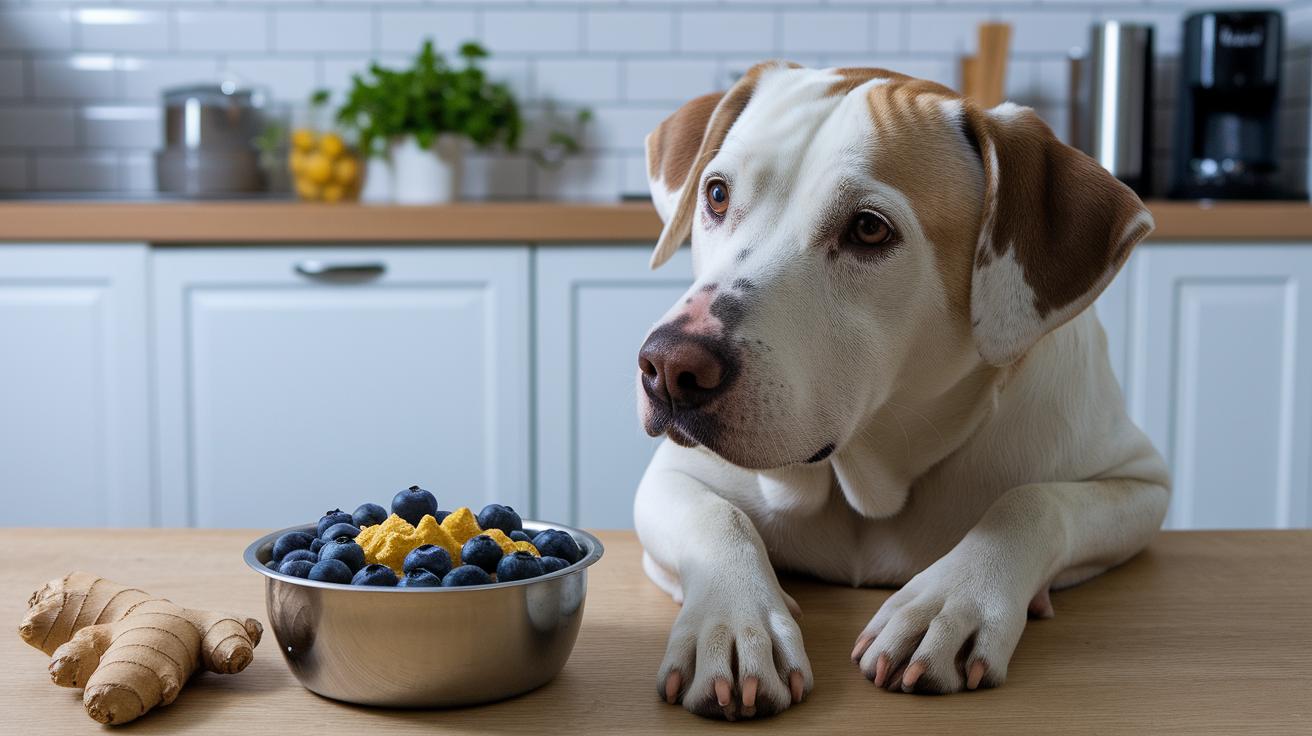
A natural anti-inflammatory diet can really help soothe your pet's aches and ease joint movement. Ginger is a star ingredient that gently reduces swelling and adds a little zest, just a pinch tossed into meals can make a difference. Frozen blueberries, cool and bursting with antioxidants and vitamins, not only pack a punch for health but also make a refreshing treat. A tiny spoonful of fractionated coconut oil provides healthy fats (medium-chain triglycerides that support gut and brain function), while fatty fish deliver omega-3s, which help calm inflammation. Leafy greens bring in extra fiber and antioxidants, rounding out this balanced meal plan.
Take your time and introduce each superfood gradually, keeping an eye on how your furry friend reacts. If you're looking for more meal ideas or tips on tweaking your pet's diet, check out the Role of Diet in Preventive Pet Care article. Options like Fresh Dog Food or Natural Wet Dog Food can make mixing these nutritious ingredients into your pet’s daily routine both fun and easy.
Herbal and Botanical Treatments for Pet Inflammation
Turmeric is a big favorite among pet parents because it contains curcumin (a natural antioxidant that helps ease inflammation). You might consider mixing it into a Golden Paste, a simple blend with olive oil that helps your pet absorb it better. Just about 1/4 teaspoon per 10 pounds of pet weight is usually enough to offer gentle relief without upsetting their tummy. Lately, boswellia has been turning heads too, thanks to boswellic acids that may help keep those active, playful joints feeling comfortable.
Ever notice how a balanced meal can brighten your pet’s day? Natural compounds like polyphenols, found in apples, spinach, and olive oil, play a big role in supporting joint health and boosting the immune system. Plus, boswellia works as a natural herbal remedy that might help reduce discomfort linked to inflammation. It’s all about these natural ingredients teaming up to keep your furry friend happy and healthy.
| Herb/Extract | Active Compound | Primary Benefit |
|---|---|---|
| Turmeric | Curcumin | Helps ease inflammation and supports joint comfort |
| Polyphenol Sources | Polyphenols | Boosts joint health and immune response |
| Boswellia | Boswellic acids | May reduce discomfort in active joints |
Homeopathic and Alternative Therapies for Pet Inflammation

Physiotherapy and Massage
Gentle physiotherapy and massage can really help your pet feel more at ease. These sessions mix careful stretches, soft massage techniques, and even some light movement exercises to ease stiff joints and soothe muscle tension. They’re usually set up about twice a week, so your furry friend might soon enjoy a smoother, more comfortable stride. Imagine your pet feeling less discomfort with each relaxing, guided session, a little boost for their day.
Hydrotherapy
Hydrotherapy is a refreshing way to support your pet’s mobility. Think of an underwater treadmill workout or a supervised swim class where water takes the strain off the joints. This low-impact exercise is done a couple of times a week under watchful care, and the calming water helps reduce inflammation while gently strengthening muscles. It’s like giving your pet a soothing, buoyant hug in every session.
Hot and Cold Treatments
A simple hot or cold compress can be a game-changer for sore spots. When applied safely for about 10 to 15 minutes, either warmth or coolness can ease swelling and relax tight muscles. The trick is knowing when to alternate: heat to loosen up those stiff muscles and cold to calm the swelling. It’s a quick, effective way to bring your pet some immediate comfort.
Acupuncture
Acupuncture offers a unique, drug-free way to ease your pet’s chronic discomfort. Tiny needles are placed at specific points (areas that trigger natural endorphin release) to help reduce pain naturally. Sessions typically last 20 to 30 minutes, giving your pet a chance to gain relief and improve mobility in a gentle, non-invasive way.
Pet-Friendly Supplements to Support Inflammation Recovery
Probiotics and prebiotics work hand in hand to keep your pet’s tummy happy and help ease inflammation. For example, you can stir a liquid probiotic into your pet’s food, small dogs might need half a teaspoon, while larger ones could require a full teaspoon per meal. Research suggests that a balanced gut might ease discomfort and boost overall well-being.
Omega-3 fatty acids from fish oil help calm inflammatory responses and support your pet’s skin, coat, and joints. Studies show these healthy fats can lower inflammation markers, around 20 mg per pound of body weight. Just a few drops mixed into your pet’s meal can offer some targeted relief during everyday stress.
Glucosamine paired with chondroitin is often chosen for joint support, especially in pets dealing with inflammation. A common recommendation for medium-sized pets is about 250 mg of glucosamine along with 200 mg of chondroitin each day. You can find these in powder or chew form, and they can nicely complement your pet’s regular meals when joint discomfort is a concern.
CBD oil is emerging as a natural helper for inflammation. Some recent case studies note that even a small dose, around 1 mg per 10 pounds of body weight, might reduce joint stiffness and discomfort. It’s wise to start slowly by mixing a few drops into food and keeping a close eye on any changes in behavior or appetite.
| Supplement | Dosage Guideline | Administration Method |
|---|---|---|
| Probiotics/Prebiotics | 1/2 – 1 tsp per meal (depends on pet size) | Mixed into meals |
| Omega-3 Fatty Acids | About 20 mg per lb body weight | Added drop-by-drop into food |
| Glucosamine with Chondroitin | Approx. 250 mg glucosamine + 200 mg chondroitin (medium pets) | Powder, chew, or liquid formulation |
| CBD Oil | Start with 1 mg per 10 lbs body weight | Mixed in food with careful observation |
If you notice your pet showing ongoing signs of inflammation, a focused supplement plan might be more helpful than just tweaking their regular diet. For customized joint health support, you might want to explore preventive care options for pet joints. And of course, always check in with your veterinarian to adjust the dosages and methods to best suit your furry friend's unique needs.
Safe Home Remedies and Application Guidelines for Pet Inflammation

When your pet is feeling under the weather, a gentle, time-tested remedy might just help. Start with the Golden Paste method; use 1/4 teaspoon for every 10 lbs of your pet's weight. Mix this with a safe carrier like plain pumpkin, which many pet parents swear by, or unsweetened applesauce if pumpkin isn’t a hit. This mix makes it easier for your pet to digest the remedy smoothly.
To ease your pet into the new addition, stir a little of this mix into a small portion of their regular meal. This slow introduction helps them feel comfortable with the new flavor and texture. Gradually, you can mix a bit more over time.
Follow these steps:
- Use 1/4 teaspoon of Golden Paste per 10 lbs of body weight.
- Mix it with a safe carrier: plain pumpkin or unsweetened applesauce.
- Stir the mixture into a small amount of your pet's regular meal.
- Watch for any signs of allergic reactions like itching, vomiting, or changes in behavior.
- Over about two weeks, slowly increase the new ingredient so it blends well with their current diet.
Extra safety measures: Keep a close eye on your furry friend during this trial period. If you notice any discomfort or changes, stop using the remedy right away and have a chat with your veterinarian.
Integrating Natural Remedies with Veterinary Care for Pet Inflammation
Working with your vet is a smart way to mix natural treatments with regular care. Always chat with your veterinarian before adding things like turmeric Golden Paste or foods rich in polyphenols (natural compounds that help ease inflammation) into your pet’s routine. Your vet can catch any possible issues between these natural fixes and medicines like NSAIDs (drugs that help with pain and swelling) and can offer easy tweaks to the plan.
Start by sharing your pet’s current care routine and ask if there’s any cause for concern before trying something new. I once heard that even a tiny change could really help ease discomfort, don’t you think that’s comforting to know?
Regular check-ups are key. They let you see if your pet’s joint movement or weight is changing, giving your vet a chance to adjust the natural plan as needed. Working together like this makes sure natural remedies provide gentle relief while keeping the professional care you trust.
Final Words
In the action, we explored natural remedies for pet inflammation, from anti-inflammatory foods and herbal treatments to simple home remedies and alternative therapies. We broke down how each method works and why teaming up with your vet is key to safe experimentation. These natural remedies for pet inflammation offer a hands-on way to boost your pet's comfort and overall well-being. Keep enjoying the process as you discover practical, gentle options that help your furry friend live a happier, healthier life.
FAQ
How can natural remedies help reduce pet inflammation?
The natural remedies help reduce pet inflammation by combining herbal treatments and anti-inflammatory foods like turmeric, omega-3 fatty acids, and ginger. They support pet joint comfort under careful guidance.
What is the strongest natural anti-inflammatory option for dogs, including alternatives to prednisone?
The strongest natural anti-inflammatory option for dogs is often turmeric because its curcumin content delivers robust relief. It can serve as an alternative to prednisone when used with veterinary oversight.
What natural remedy can you use for immediate pain relief in dogs?
The natural remedy for immediate pain relief may include CBD oil or a gentle homeopathic treatment designed to ease discomfort quickly. Vet guidance is key to tailoring rapid care.
How can you safely treat a dog’s skin infection and inflammation at home?
The safe approach to treating a dog’s skin infection and inflammation at home involves mild cleansing with diluted solutions and anti-inflammatory foods. Veterinary advice is essential before starting any plan.
Can you give your dog turmeric for inflammation?
The use of turmeric for inflammation is common because it works as an anti-inflammatory agent when made into Golden Paste. Proper dosing and vet consultation help keep your pet safe.
How do you cure a sick dog at home using natural remedies?
The natural cure for a sick dog at home involves a balanced diet, herbal supplements, proper hydration, and rest. Consulting your veterinarian ensures the right combination of remedies for recovery.