
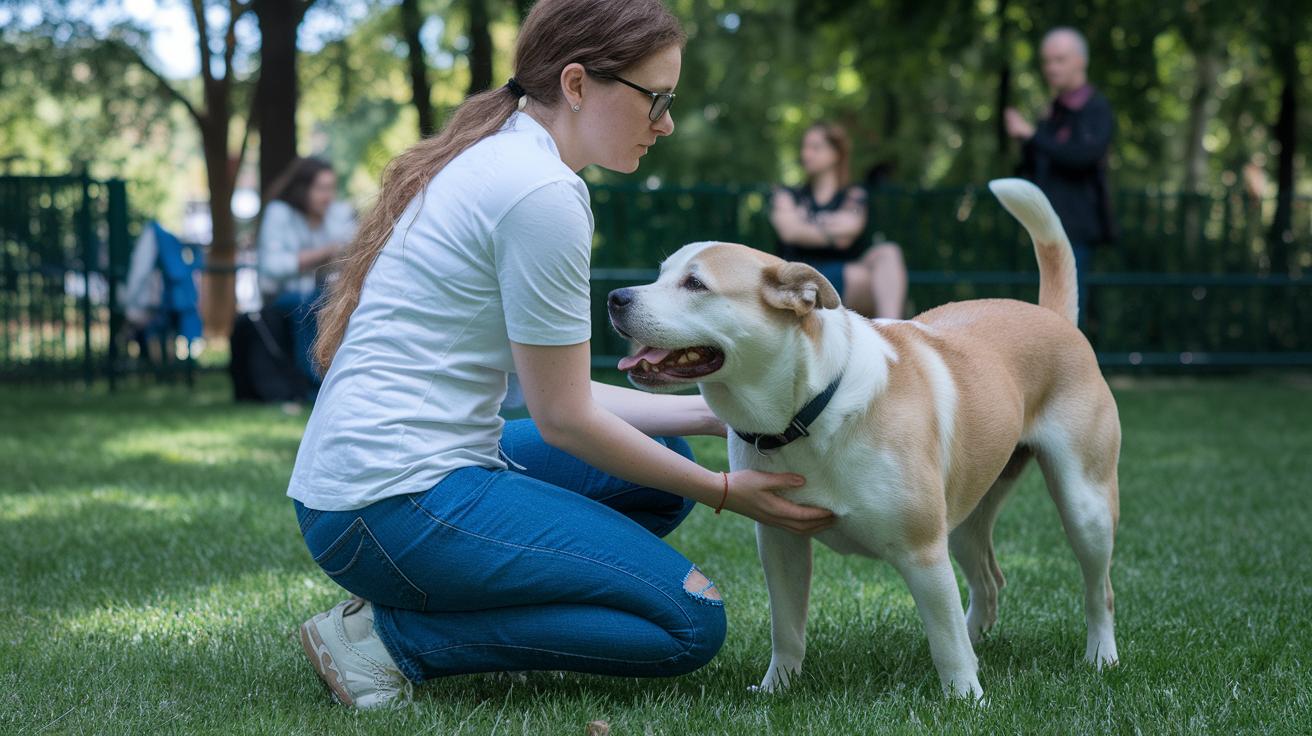
Ever feel a bit overwhelmed when your dog reacts suddenly? Try using kind rewards instead of punishment. Imagine your pup pausing because something caught their attention and then hearing a warm word or enjoying a tasty treat. In this article, we’ll show you how these positive methods can help your dog stay calm and build trust with you. Using gentle, reward-based techniques turns uncertain moments into little chances for learning and connection, making training a warm experience that boosts your furry friend’s confidence.
How Positive Methods Transform Reactive Dog Training
Positive methods turn training a reactive dog into a warm, trust-building journey. Instead of relying on harsh corrections, this approach uses gentle rewards to encourage calm behaviors. Imagine your dog pausing when faced with a trigger, and you rewarding that calm reaction with a kind word or treat. It’s like hearing a friendly "good choice" right when your pet does something great.
This method moves away from the old, forceful techniques many pet parents used before. With positive reinforcement, your dog learns to choose calm responses because they come with delightful rewards, not painful corrections. Think high-value treats and fun play sessions that create a safe spot for your pup to relax and learn. In other words, training becomes more about encouraging smart choices rather than scolding missteps.
Using these reward-based techniques helps build a strong foundation for your dog’s problem-solving skills and independent thinking. Have you ever noticed how a bit of praise can brighten a moment? If you’re curious to learn more, you can check out “What Is Positive Pet Training” at GetPetsAvvy.com. This approach replaces reactive impulses with calm, thoughtful actions, making the whole training experience both effective and a joy for you and your furry friend.
Recognizing Reactive Dog Behavior and Reactivity Zones

Often, dogs act out not to show dominance but because they're feeling stressed, uncomfortable, or scared. When your furry friend turns reactive, it's usually a sign that anxiety is building up inside. One handy way to understand these changes is by looking at a simple reactivity chart divided into three parts.
The first part is the green zone. This is when your dog feels safe and relaxed, ready to enjoy their surroundings with calm behavior. Next is the yellow zone. Here, your pet becomes more alert and may start to show small signs of tension – like giving a cautious look around when something feels off. Then comes the orange zone. At this point, your dog appears very reactive, signaling that they're overwhelmed and need you to step in right away. Imagine your dog suddenly tightening up and tugging on the leash – that's when it's time to gently remove them from the trigger.
By using behavior techniques to modify reaction habits, you can learn to spot these signs early during walks or playtime. It helps to watch for any hints of stress and back off as soon as things start getting too intense. This approach not only eases your pet's anxiety in the moment but also gradually teaches them how to stay calm under pressure.
Core Positive Reinforcement Techniques for Reactive Dogs
When you catch your dog staying calm, celebrate that moment right away. A tasty treat offered immediately can turn a stormy moment into one of pride and peace. Imagine this: after a stressful event, a dog stays still, gets a delicious snack, and suddenly the tension melts away.
As soon as your pup shows calm behavior, reward him with kind words, a treat, or a quick ear scratch. This simple gesture tells your furry friend that staying relaxed is something to be proud of.
Another neat trick is taking him on a sniff walk. Let your dog wander at his own pace so he can enjoy fresh scents that ease his worry. Even if he chews on his favorite toy, it often soothes him naturally, turning a potentially stressful moment into one of comfort.
Sometimes, a fun distraction like throwing a ball or a frisbee can really help. When your dog focuses on the game and stays calm, reward him right then. This helps build a habit of making positive choices even when excitement might take over.
Behavior Modification Plan for a Reactive Dog

Let’s break down a friendly plan to help your dog feel more at ease. These easy, step-by-step tips can add a little extra magic to your regular training routine.
Environmental Desensitization Process
• First, notice what little things upset your dog. For example, let your furry friend hear a quiet sound from far away while you stand at a safe distance.
• When your pet stays calm, give a treat or a soothing “good job” to celebrate that calm moment.
• Over time, bring your dog a bit closer to the sound to help build confidence.
For example, start with a soft sound by the window. When your pet relaxes, say “nice and easy” and offer a favorite treat.
Non-Punitive Obedience Routines
• Begin with a simple command like “sit” in a quiet spot with few distractions.
• Right after your dog obeys, celebrate with a reward and kind words to keep the mood light.
• Slowly add little distractions to help your pet feel steady and secure in different places.
For example, practice “sit” in your calm living room before trying the same in a spot where you might hear a softly chirping bird.
These new steps build on your guide and bring fresh, friendly insights without repeating what you already know.
Exercises to Build Confidence in Reactive Dogs
This section offers a simple, friendly way to help your pup feel braver. Instead of rehashing the same commands, it highlights the little calm cues your dog shows that you might easily miss.
When you notice a small sign of calm, like a gentle eye glance or a relaxed yawn, give a quiet reward. For example, if your dog gives a soft yawn, say "nice and calm" and offer a tiny treat, like a bite of carrot.
Other neat tips include:
| Tip | Description |
|---|---|
| Spot Calm Cues | Pay attention to those subtle signs of relaxation. |
| Enrich the Environment | Create a soothing space that helps your dog stay centered. |
| Reward Interactively | Mix gentle activities with well-timed treats to boost confidence. |
Together, these ideas form a warm, clear plan to build your reactive dog's confidence without redoing what you already know.
Managing Setbacks in Positive Reactive Dog Training

Sometimes training your reactive dog feels like a bumpy ride. You might hit a plateau or even see some old habits come flooding back when things get intense, but that's completely normal. Changing long-held behaviors can take time, so be gentle with yourself and your furry friend.
Here are a few tips to keep you both moving forward:
Every setback is really an opportunity to tweak your approach and strengthen your dog's confidence. With a little patience and a lot of love, those challenging moments can transform into valuable chances for growth.
Safety and Environmental Management for Reactive Dog Training
Creating a safe space is the first step in handling your reactive dog. Start every session by picking a leash and harness that keeps your pup both secure and comfy. This little detail really helps you stay in control and stops any sudden lunges. Try to choose a spot that’s free of stressful distractions, a quiet room or a peaceful outdoor area works great.
Take a few moments to plan each session. A well-thought-out setup not only keeps your dog safe but also protects those around you. And if you notice your dog getting uneasy, gently move away from the trigger to keep the mood positive. It’s all about making the experience calm and encouraging.
Slowly ease any distractions to create a soothing environment. By using gentle, positive methods (ones that steer clear of harsh punishments), you help build confidence in both you and your furry friend. Have you ever noticed how a quiet room can feel like a safe haven for your pet? Keep things relaxed, and soon training will feel fun and rewarding for everyone involved.
Case Study: Sadie’s Success with Positive Reactive Dog Training

Meet Sadie, the friendly Labrador who shows us just how well positive training can work. One day, when she noticed another dog in the distance, her trainer simply said "look." As soon as Sadie shifted her gaze away from the distraction and focused on her trainer, she earned a delicious treat. Just picture that moment, the quick switch in focus rewarded with something tasty!
During her sessions, Sadie started with the basics in calm, low-stress spots. Her trainer began with simple commands like “sit” and “watch me.” As Sadie got comfortable, more challenging settings crept in, gently building her confidence. Step by step, she learned to replace her anxious reactions with calm, steady responses.
One key trick was quickly removing Sadie from situations that felt too overwhelming. This helped keep her stress levels low, and now she meets other dogs without lunging or barking. Her progress is a true show of how a little patience and a lot of positive reinforcement can transform even the most reactive pup into a relaxed and happy companion.
Final Words
In the action, we've covered how to transform everyday walks with practical, reward-based canine strategies and a clear behavior modification plan. We looked at reactive dog behavior, used a reactivity chart, and explored exercises to boost confidence and calmness. We've also touched on safety measures and managing setbacks along the way. With each tip, training a reactive dog with positive methods becomes a real, rewarding process that promotes well-being for your pet. Keep things steady, and trust that progress, no matter how small, makes all the difference.
FAQ
How can I train a reactive dog using positive methods?
Training a reactive dog with positive methods means using rewards and gentle encouragement to reinforce calm behavior. This approach uses high-value treats and consistent praise, making training engaging and stress-free for both of you.
How do I socialize a reactive dog?
Socializing a reactive dog involves gradual exposure to new people and environments while rewarding calm behavior. Keep sessions short and positive, giving treats for relaxed responses to slowly build their confidence.
How can I calm a reactive dog on a walk?
Calming a reactive dog on a walk means redirecting their focus with immediate rewards and gentle cues. Use a favorite treat or a soothing cue when triggers appear to help your dog stay relaxed.
What should I avoid when training a reactive dog?
Avoid using punishment, forceful corrections, or sudden movements with a reactive dog. These actions can heighten anxiety and reactivity, making it harder for your dog to learn calm behaviors.
Can I train a dog with positive reinforcement only?
Training with positive reinforcement only means teaching your dog using rewards without any punishment. This method builds trust and encourages your reactive dog to make better choices over time.
What are the 5 D’s of dog training?
The 5 D’s of dog training refer to strategies like distract, distance, defuse, redirect, and de-escalate. They are practical steps for managing reactive behavior, helping your dog cope during stressful moments.
Is it ever too late to train a reactive dog?
It’s never too late to train a reactive dog. With patient, consistent positive methods, your dog can learn new responses and overcome reactivity, regardless of their age or past experiences.