
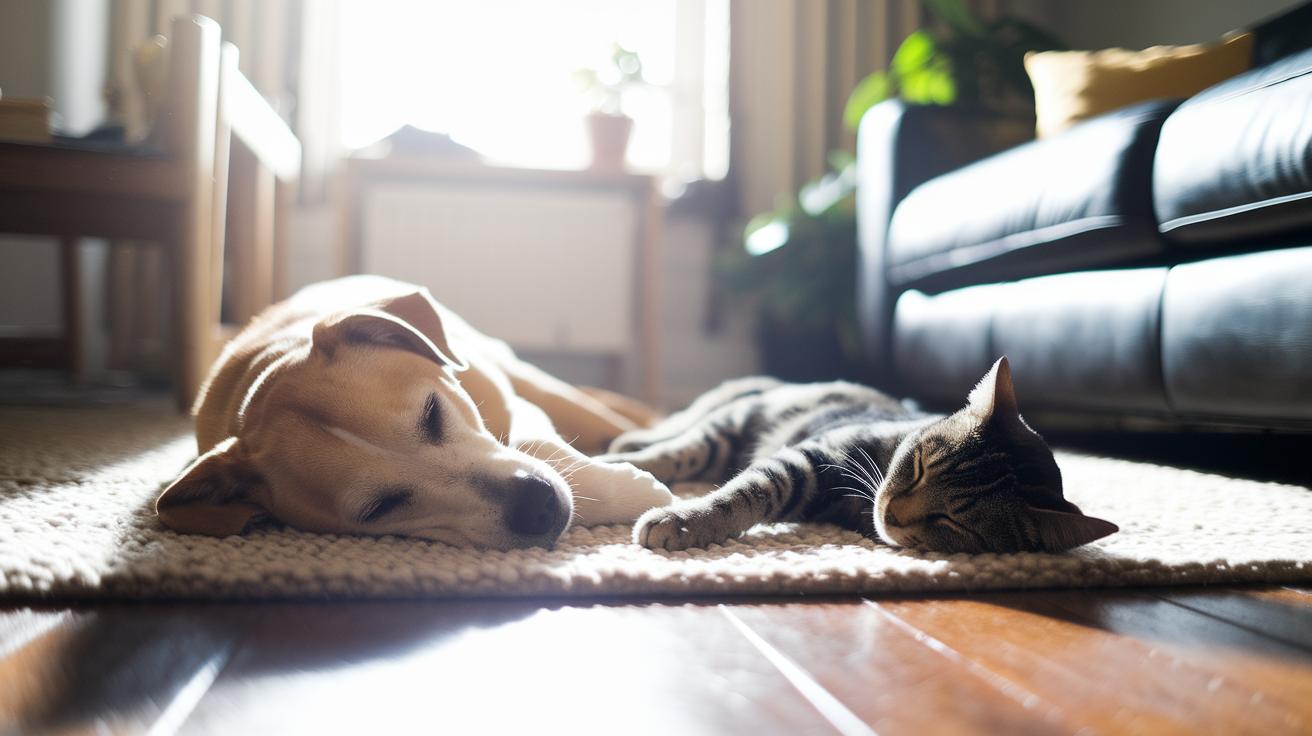
Have you ever watched your pet restless in bed at night? It might seem like just a little tossing and turning, but good sleep is as important for your furry friend as it is for you. A solid night’s sleep can lift their mood, help keep them healthy, and even give them that energy to play the next day.
In this guide, we'll share simple, natural ideas to help your pet settle for a peaceful night. Imagine a cozy bed that feels just right, a calm background sound like soft music or nature sounds, and a gentle routine before bed to soothe away any bothersome noise. Perhaps these little changes are all your pet needs to enjoy a truly restful night.
holistic pet sleep improvement techniques: Peaceful nights
Getting enough sleep is key to keeping our furry friends healthy and happy. Most adult dogs need about 12–14 hours of cozy rest each day. This sleep helps them recharge, keeps their brains sharp, and improves their moods. But sometimes factors like too much noise, harsh lighting, or even an uncomfortable bed can disturb their slumber.
A gentle, all-natural approach can really help your pet sleep better. First, think about their sleeping spot. Choose a supportive bed that meets their needs, maybe an orthopedic version for older dogs or a plush one for younger pups. Keep the room cool, around 65–75°F, and try to reduce disturbing sounds with a soft white noise or calm music. Some pet parents even use a simple phrase, like “Light tonight, calm mood,” to signal that it’s bedtime.
What you feed your pet matters too. Stick with balanced, nutrient-rich meals at the same times each day. This steady schedule helps manage their energy for a good night’s sleep. You can also add a touch of natural sleep aid like chamomile (a herb that helps relax the body) or even try CBD+CBDA supplements to ease any joint discomfort.
Before bed, a little extra care goes a long way. A soothing massage or a gentle cuddle can calm your pet’s nerves and set the stage for a deep, uninterrupted sleep. All these little steps work together to create the calm, peaceful nights your companion deserves.
Designing serene pet bedtime routines for restful sleep
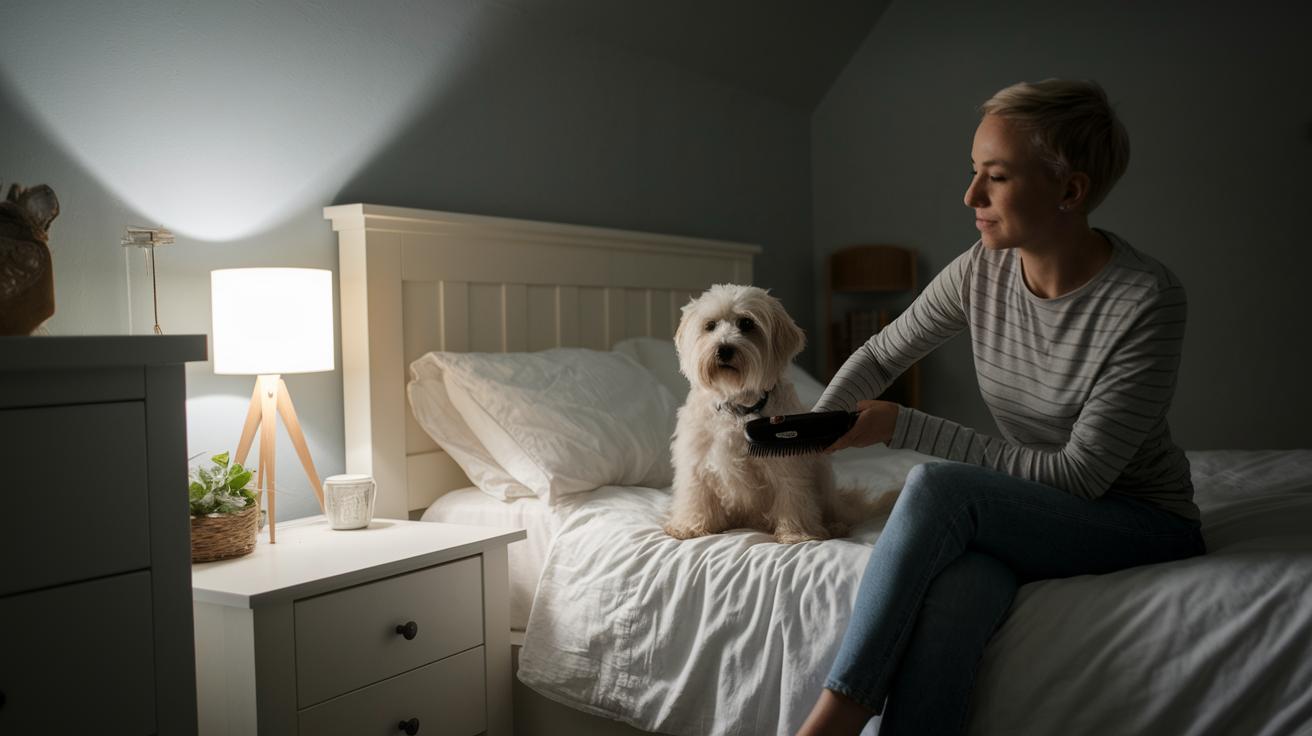
A consistent nighttime routine gently tells your pet it’s time to relax and get ready for sleep. When you set a steady schedule, your furry companion feels safe and at ease. This calm approach can even help stop behaviors like pacing or whining, making it much simpler for your pet to settle down. It all comes down to a few simple, thoughtful steps.
Imagine winding down with your pet while the day turns quiet. This cozy routine creates a serene space and builds trust between you. By adding calming activities to the evening, you help your pet transition smoothly from playtime to a peaceful sleep. It’s like a little ritual that speaks directly to their heart.
Here’s how you can create the ideal evening routine:
- Begin with a 30-minute quiet walk or some gentle play.
- Offer the last meal about 2 hours before bedtime.
- Enjoy a relaxing grooming or brushing session.
- Give your pet one final potty break.
- End with a sleep cue like dimming the lights or saying a specific calming phrase.
Each of these steps works together to nudge your pet toward bedtime. With regular practice, this gentle routine helps lower stress and supports a restorative, peaceful sleep for your beloved companion.
Environmental sleep enhancers for pets: creating a vibration-free, cozy rest space
Start by creating a sleep space that oozes comfort for your pet. Pick a bed that suits your furry friend’s age and needs, a soft, cushy spot for a playful pup or a supportive, orthopedic option for an older pet needing extra care. Set the bed in a quiet, dim corner where there are no bothersome drafts or constant hustle.
Keep the room at a steady 65 to 75°F to make it inviting for a cozy nap. Consider using blackout curtains or a gentle night light that gives off a soft glow. Picture a calm, shadowy room that helps your pet feel safe and ready to snooze.
To help muffle any unexpected noises, try playing white noise or soft music. This soothing sound mix works like a gentle lullaby, masking sudden clatters from outside or household commotion. Also, try positioning the bed away from busy hallways. Using pet gates or keeping doors closed can add an extra layer of peace, so your pet can enjoy uninterrupted rest.
Pay attention to the little sensory details too, a mild, fresh scent in the air and a soft rug underfoot can make the area even more relaxing. Together, these simple choices in bed, light, temperature, and sound help build a vibration-free sleep zone where your pet can easily drift off to a deep, refreshing sleep.
Nutrition and organic nighttime supplements for restorative sleep

A hearty, nutrient-packed meal helps your pet enjoy calm sleep and steady energy throughout the day. Switching up proteins, like fish or lamb along with more common favorites, keeps your pet’s metabolism happy. Imagine serving a dinner of lean protein, veggies, and healthy fats at the same time every day; it naturally invites a peaceful rest.
You can also add organic supplements to your pet’s feeding routine to ease nighttime rest. Try using natural remedies like chamomile, served warm as a tea or in a handy capsule, to soothe nerves before bedtime. A little chamomile (as your vet advises) might just calm those bedtime jitters, without taking away from a balanced meal.
Some pet parents even add a drop or a chewable treat with CBD and CBDA to help reduce stress and support joint comfort. Since dosages can vary with your pet’s size and metabolism, it’s smart to start with around 5 mg for a small pet and 10 mg for a larger one, always check with your vet first.
Holistic relaxation strategies for pet sleep enhancement: massage, aromatherapy, and mindful techniques
Imagine giving your pet a gentle massage. Using methods like Tellington TTouch, a soft rub on the shoulders and a light stroke along the back can ease muscle tension and melt away stress. These soothing touches help improve circulation and make it easier for your furry friend to slip into a deep, cozy sleep.
Aromatherapy is another simple way to create a calming bedtime routine. Try using a few drops of diluted lavender or chamomile essential oil (both known for their calming properties) in a diffuser about 15 to 30 minutes before sleeping time. Picture your pet’s room filling with a mellow scent that eases anxiety and sets a peaceful tone for the night.
You can also try a little guided meditation with your pet. With a gentle, quiet voice, offer soft prompts like “Breathe slowly, relax deeply” and pause to let them feel the calm energy. Even if your pet doesn’t catch every word, they really do sense the warmth and care behind your tone.
Lastly, mindful breathing can work wonders alongside these techniques. Use slow, rhythmic strokes that mimic deep, steady breaths to help your pet feel safe and relaxed. This blend of massage, aromatherapy, and mindful breathing is a wonderful way to create a nurturing, tranquil bedtime routine for your beloved companion.
Tracking pet sleep: evaluation methods and ensuring long-term improvement

Start by simply watching when your pet drifts off to dreamland. Notice how long it takes them to fall asleep and keep an eye out for any midnight wake-ups. A nightly sleep diary, jotting down things like restless pacing or sudden crying, can really shine a light on any patterns. In time, you may spot that smoother, calmer routines mean the pet is enjoying better sleep.
Another handy tool is an activity monitor on your pet’s collar. This little gadget tracks movement around the clock, so during normal sleep hours you might see very little motion while the day shows a relaxed vibe. And if you set up a pet camera to watch the nighttime scene, you can catch any moments of discomfort. As improvements take hold, you’ll likely see a happier and more alert pet throughout the day.
| Method | Description | Frequency | Tools Needed |
|---|---|---|---|
| Sleep Diary | Keep a daily log of sleep and wake times along with behaviors observed | Daily | Notebook or app |
| Activity Monitor | A wearable sensor that tracks your pet’s movement day and night | 24/7 | Pet collar tracker and app |
| Video Observation | A camera that records your pet’s behavior at night to catch any issues | Weekly review | Pet camera |
Final Words
In the action of improving pet care, our guide showed how a steady routine, cozy sleeping spaces, balanced meals, and calming relaxation methods can make all the difference. We discussed using natural supplements and gentle practices that combine to support holistic pet sleep improvement techniques. Small, thoughtful changes create a peaceful sleep environment that benefits both pets and their families. Adopting these steps can lead to more restful nights, brighter mornings, and a happier, healthier companion.
FAQ
How do holistic pet sleep improvement techniques naturally enhance animal rest?
These techniques boost pet sleep by combining environmental adjustments, natural dietary changes, and calming therapies. They help mitigate disruptions from noise, stress, and discomfort to foster deep, restorative sleep.
How can I design a serene pet bedtime routine for restful sleep?
A serene bedtime routine might include a calm 30-minute walk, a final meal two hours before bed, a quiet grooming session, a last potty break, and a sleep cue like dimmed lights or a gentle phrase.
What environmental changes can help improve my pet’s sleep quality?
A quiet, cozy spot with supportive bedding, controlled temperatures between 65–75°F, blackout curtains or soft lighting, and gentle background sounds sets a perfect stage for better pet sleep.
How do nutrition and organic nighttime supplements support restorative pet sleep?
A balanced, nutrient-rich diet along with organic supplements like chamomile tea or vet-approved CBD+CBDA helps reduce stress and discomfort, promoting a more peaceful and restorative sleep.
What holistic relaxation techniques can help soothe my pet before bedtime?
Gentle massage, diluted aromatherapy using lavender or chamomile, soothing music, and mindful breathing exercises can ease tension and encourage your pet to unwind and drift off peacefully.
How can I track my pet’s sleep quality over time?
Tracking methods such as sleep diaries, wearable activity monitors, and occasional video observation help you notice changes in sleep patterns, allowing you to make adjustments for improved rest.
| Method | Description | Frequency | Tools Needed |
|---|---|---|---|
| Sleep Diary | Log sleep/wake times and behaviors | Daily | Notebook or app |
| Activity Monitor | Wearable sensor tracks movement | 24/7 | Pet collar tracker & app |
| Video Observation | Camera records nighttime behaviors | Weekly review | Pet camera |