
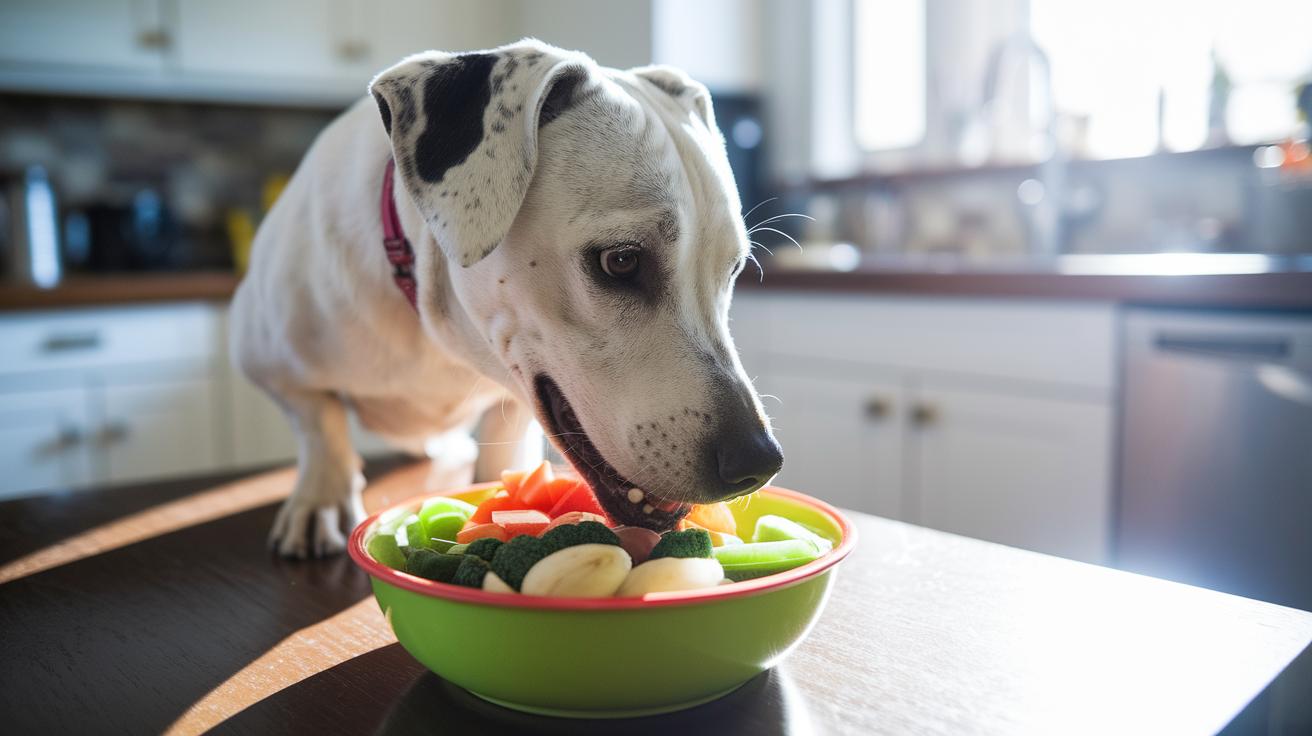
Have you noticed your pet acting a bit off after meals? Sometimes, a little swelling (inflammation) might be the culprit. When your furry friend isn’t bouncing around like usual, it’s a hint to check what’s in their bowl.
A diet full of healthy, inflammation-fighting foods could be the answer. Adding natural omega-3 fatty acids (good for joints and fur) and antioxidants (they help keep cells healthy) may give your pet a gentle boost. With a few simple tweaks, you might just see them moving easier and feeling happier every day.
Isn’t it amazing how small changes can bring a burst of energy back to your best bud?
Anti-inflammatory pet nutrition strategies: Boost pet vitality
Sometimes, our furry pals can get inflamed from a scraped paw, dirty air, or even the wrong treat. A little inflammation can help heal a cut, but if it sticks around, it might hurt their joints and upset their stomachs. Have you ever noticed your pet feeling off after a meal? Spotting these warning signs early means you can tweak their diet just in time.
Doctors usually turn to NSAIDs, steroids, or antihistamines for pet inflammation. NSAIDs can ease pain quickly, but always chat with your vet first because they might mix with other meds. Steroids can calm allergy flares and arthritis, yet they must be watched carefully. Antihistamines can soften mild allergic reactions. Each of these drugs works, but they might bring their own set of risks. Some pet parents even prefer to explore gentler methods for long-lasting care.
Switching to a nutrient-packed, anti-inflammatory diet might be a great natural option. Feeding your pet foods rich in omega-3s (healthy fats), antioxidants (help fight free radicals), and natural herbs can soothe joint aches and ease their tummy troubles. Start with small steps, like a pinch of turmeric, to see how they do. It’s all about blending gradual changes with lots of love to keep your furry friend feeling strong and cozy every day.
Key Nutrients and Anti-Inflammatory Foods for Pets
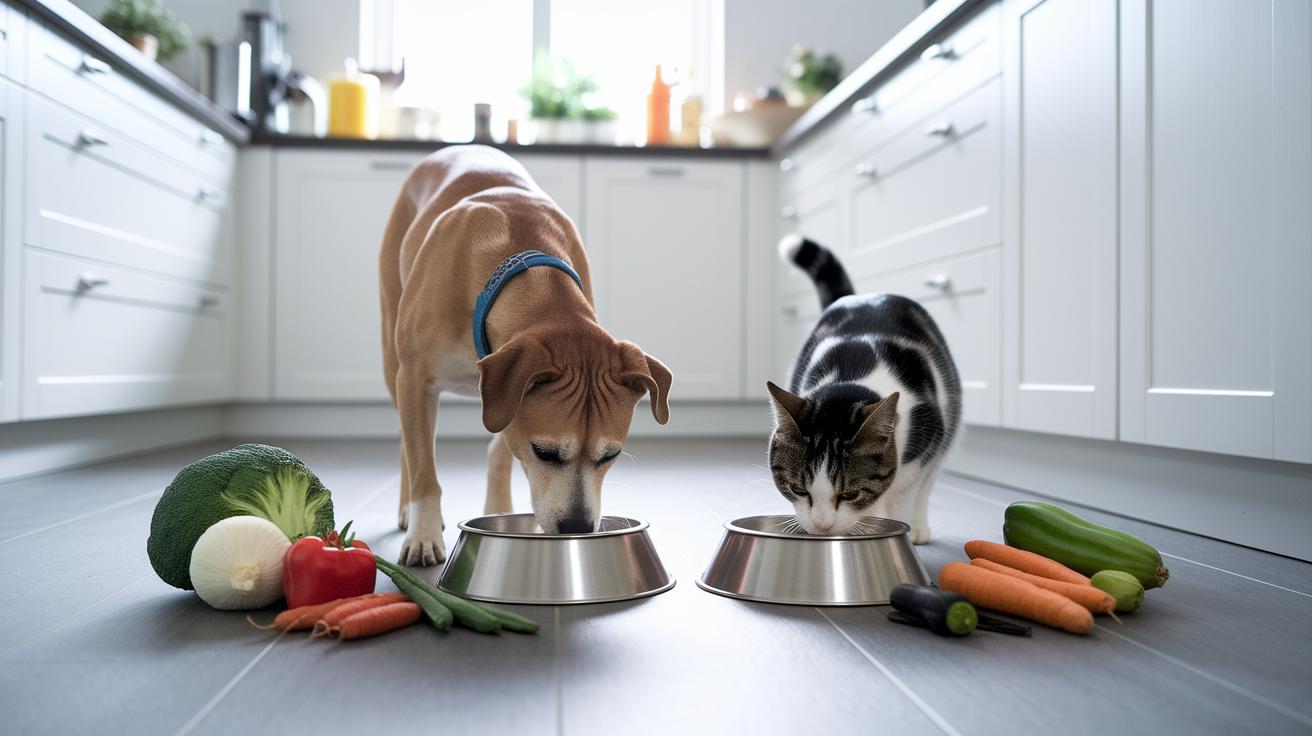
When you choose the right foods for your pet, you're giving them a natural boost to fight swelling and feel great. Good nutrients not only lower inflammation but also help their joints and tummy work better. By adding these ingredients into your pet's diet, you’re using nature’s own way to help them heal and stay active. For example, one balanced meal can ease stiff joints and keep your furry friend playful and comfy.
| Nutrient | Food Source | Anti-Inflammatory Benefit |
|---|---|---|
| Omega-3 fatty acids | Fish oil, algae, seaweed | Helps lower joint swelling and aids in cell repair |
| Curcumin | Turmeric | Acts as a strong antioxidant (fights harmful molecules) and calms gut inflammation |
| β-Glucans & Selenium | Reishi mushrooms | Helps balance the immune system while fighting inflammation |
| Olive oil polyphenols | Extra virgin olive oil | Works like mild pain relievers by soothing inflammation |
| Probiotics | Kefir, low-fat yogurt | Keeps the gut healthy and helps balance immune function |
Wondering how to mix these into your pet’s meals? Start with simple steps. Imagine stirring a spoonful of kefir into breakfast or drizzling a bit of fish oil over lightly steamed veggies. A pinch of turmeric on warm food can provide that extra anti-inflammatory boost. You can even blend reishi mushrooms into a soothing broth or mix extra virgin olive oil with other ingredients to create a tasty dressing. These small changes can really help ease discomfort and keep your pet feeling their best.
Designing Anti-Inflammatory Diet Plans for Dogs and Cats
When you're planning a new diet for your furry friend, it's important to take your time and make changes slowly. Start by adding one new food at a time so their tummy stays happy. Focus on ditching artificial additives and common allergens while keeping their age, weight, and health in mind. Adjusting the mix of proteins (the building blocks for muscles), fats (energy sources), and carbs (fuel) for each pet helps create a balanced meal. And always watch how your pet reacts, note changes in energy and even in their stool, to tweak their meals for the best comfort.
Meal Planning for Dogs:
For our dog pals, it all starts with choosing quality proteins. Lean meats like chicken or turkey give gentle, effective nutrition that builds strong muscles. Adding a small amount of fish oil brings in omega-3 fatty acids (good fats that help ease joint pain and promote healthy cells), which is a bonus. Keeping portions just right means their stomach stays at ease, and tossing in some natural veggies ups their fiber intake. This balanced approach can even help ease arthritis symptoms, making for a pup that's eager to run and play.
Meal Planning for Cats:
Our feline friends have their own special needs. They do best on a diet that has the right balance of fats (which provide energy) and important nutrients. Soft, high-quality proteins like boiled white fish are perfect for meeting their protein needs, along with maintaining enough taurine (a key nutrient for heart and eye health). Serving small meals several times a day helps keep their digestion on track, so they stay calm and content.
Keep an eye on your pet’s activity, behavior, and even their poop. Write down any changes you see when trying new foods so you can adjust portions and ingredients bit by bit. This careful tracking makes sure your furry companion enjoys a diet that is as balanced as it is full of life.
Sample Anti-Inflammatory Pet Meal Recipes and Plans
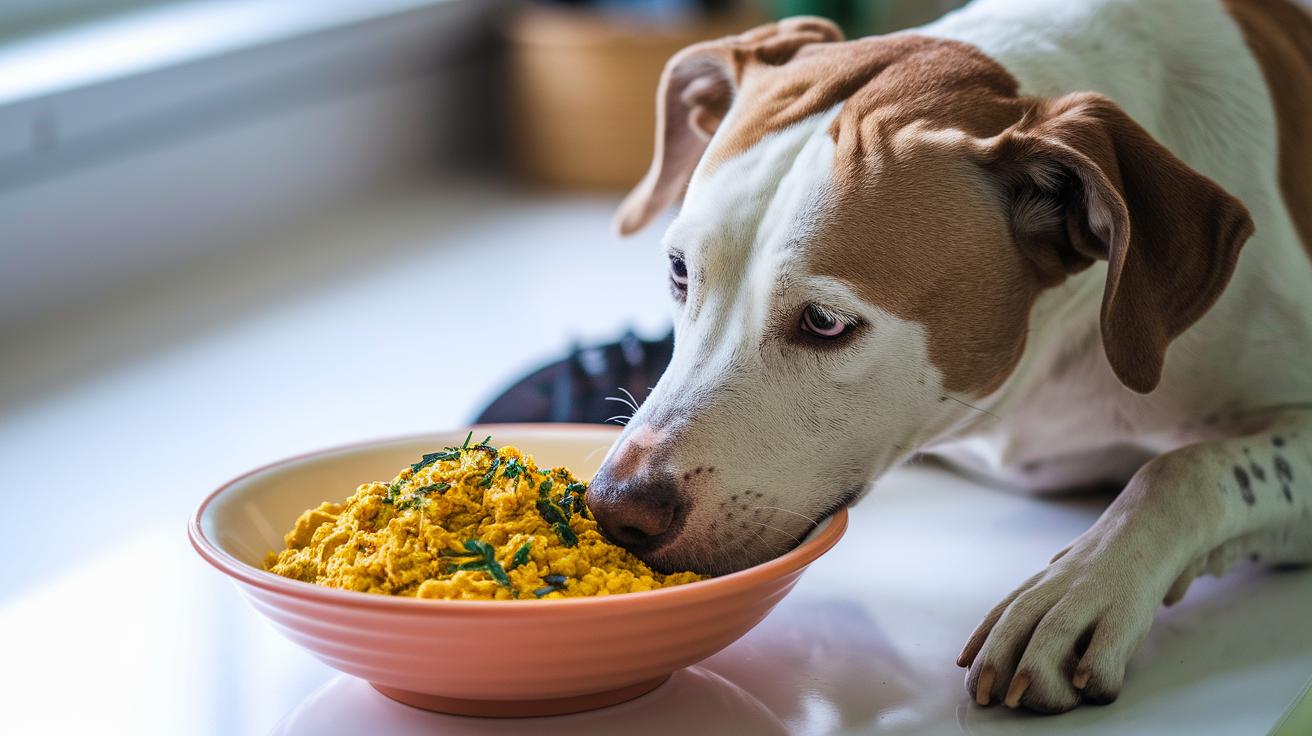
Give your pet a gentle boost with meals designed to soothe swelling and promote wellness. Try these inviting ideas:
- GLM & sweet potato stew – a hearty dish that mixes green-lipped mussels (packed with omega-3 for joint health and glucosamine to ease discomfort) with nutrient-rich sweet potatoes.
- Golden turmeric turkey blend – lean turkey teamed with a pinch of turmeric, which provides a natural antioxidant boost (thanks to curcumin) to help reduce inflammation.
- Ginger-infused bone broth kibble topper – a savory topper that blends warm bone broth and a hint of ginger to support easy digestion and calm your pet’s tummy.
- Marshmallow-root pumpkin pâté – a soft, comforting blend of pumpkin and marshmallow root designed to soothe the gut lining.
- Chia-seed fruit snack – bite-sized treats that mix chia seeds (loaded with omega-3 and fiber) with pet-safe fruits for a burst of natural flavor.
Imagine a week of varied meals that keeps your furry friend both excited and comfortable. You can rotate these recipes over a 7-day schedule, balancing lean animal proteins with plant-based ingredients. For example, one day might feature the GLM & sweet potato stew with a side of lightly steamed greens, while another day brings the golden turmeric turkey blend paired with a few pieces of raw, pet-friendly fruit. Small, gradual changes let you notice how your pet reacts and adjust portions as needed. This rotating menu not only makes mealtime fun but also helps ensure your pet enjoys a range of natural ingredients that support joint health and lively vitality.
Integrating Anti-Inflammatory Supplements and Probiotics
When you want to help your pet’s joints feel better, vet-approved supplements can really make a difference. Glucosamine and chondroitin team up (they support cartilage) to keep those joints strong and smooth for everyday play. And adding a small dose of omega-3 capsules from quality fish oils gives a natural calm against inflammation while keeping cell membranes happy.
Mixing these supplements into a balanced diet is like giving your pet that extra bit of joint care they deserve. It’s a simple, steady addition that can help ease discomfort over time.
Probiotics from foods like kefir and plain yogurt are good for a healthy gut. These friendly bacteria help support proper digestion and even boost immunity. Meanwhile, vitamin E from rapeseed oil works as a natural antioxidant (it protects your pet’s cells). Together, they create a complete approach for easing arthritis discomfort and promoting overall well-being. This vet-approved method, blended with nutritious food choices, is a gentle way to reduce inflammation and boost your pet’s energy.
Veterinary-Endorsed Anti-Inflammatory Feeding Protocols
Veterinary experts often use a mix of regular medicines and special diets to help ease your pet's inflammation. For example, your vet might suggest NSAIDs for quick help or use steroids to calm allergy flare-ups, always keeping an eye on any side effects. They often design prescription diets to be rich in omega-3 fatty acids, antioxidants, and the right balance of nutrients (that’s your pet’s fuel for strong joints and overall energy). This plan, sometimes known as a holistic pet diet (a balanced mix that works with your pet’s body), is meant to work hand in hand with medicines like antihistamines for mild allergies. By pairing medical treatments with a nourishing diet, you can help reduce swelling while keeping drug-diet interactions safe under your vet’s care.
Keeping track of your pet’s progress is a key part of this feeding plan. Regular check-ups catch little changes in how your pet moves, behaves, or digests food, ensuring the routine stays on track. Adjustments to medications or food are made slowly, based on what you observe and simple lab tests. This steady watch helps balance quick symptom relief with long-term nutritional support. With this combined approach, your vet helps you create a plan that not only targets inflammation but also helps your pet live a more active and comfy life, all under the caring guidance of a trusted veterinary team.
Final Words
In the action, we explored how tailored meal plans, nutrient-packed foods, and safe supplements can support our pets’ well-being. Our guide highlighted key ingredients and simple recipes that work hand in hand with veterinary care.
Thanks to anti-inflammatory pet nutrition strategies, everyday feeding can help reduce inflammation and boost overall comfort.
Every tip shared here is a step toward a happier, healthier pet. Enjoy making mealtime both fun and nourishing.
FAQ
What are the best anti-inflammatory pet nutrition strategies for dogs and cats?
Anti-inflammatory pet nutrition strategies focus on whole foods rich in omega-3 fatty acids, turmeric, and antioxidants. These ingredients help ease chronic inflammation in both dogs and cats while supporting overall health.
What is the best anti-inflammatory dog food or non-prescription option?
The best anti-inflammatory dog foods feature high-quality proteins and omega-3 sources like fish oil. These options help soothe joint inflammation naturally and avoid prescription drugs when used with vet guidance.
How can I make homemade anti-inflammatory dog food?
Homemade anti-inflammatory dog food typically combines lean proteins, omega-3-rich fish or flaxseed oil, and antioxidant vegetables. Gradually introducing new recipes helps keep your dog’s digestion steady and happy.
What can I feed my cat to reduce inflammation?
To reduce inflammation in cats, opt for diets featuring fish or algae that provide omega-3 fatty acids along with antioxidant-rich ingredients. These meals help calm inflammation and support a strong immune system.
Which animal-based diet reduces inflammation?
An animal-based diet that reduces inflammation emphasizes lean proteins like fish or chicken paired with omega-3 fats. This combination supports joint comfort and overall pet vitality naturally.
What is the strongest natural anti-inflammatory for dogs?
Fish oil, which is loaded with omega-3 fatty acids, is often regarded as one of the strongest natural anti-inflammatories for dogs. It helps reduce joint discomfort and boosts overall well-being.
How can I reduce inflammation with nutrition?
Reducing inflammation with nutrition involves choosing foods rich in omega-3s, turmeric, and antioxidants. This nutrient-dense approach helps soothe joint issues and promotes whole-body health in your pet.