

Ever think your pet’s belly is just a food pit? Well, think again. Probiotics are tiny helpers that work quietly in the background, turning everyday meals into a boost for your pet’s gut health. Studies show that pets given these friendly bacteria often have fewer tummy troubles and get more out of every bite. In simple terms, these little allies help make meals more than just filling, they fuel a healthier digestive system. Curious how? Let’s dive in and see why your furry friend’s belly deserves that extra bit of care.
How Probiotics Enhance Pet Nutrition & Digestive Health
Probiotics are friendly little bacteria that settle in your pet’s tummy to help keep things balanced. They include types like L. acidophilus and Bifidobacterium (think of them as tiny helpers). Research shows that giving your pet between 1 to 10 billion of these good guys each day can ward off diarrhea from antibiotics and help them soak up more nutrients from their meals. This means every bite counts toward a healthier gut.
These helpful microbes work on many levels. They boost the strength of tight seals between cells in the gut and support the mucosal layer, a protective barrier in your pet’s stomach. Doing this lowers certain chemicals linked to inflammation (like TNF-alpha) and ramps up both natural and learned immune defenses. Fun fact: one study found that dogs given a well-timed dose of probiotics had smoother digestion and more regular poop.
On top of that, pets on regular probiotic supplements often experience less gas and fewer tummy troubles during stressful times, such as sudden diet changes. Imagine your pet enjoying a meal without the discomfort of an upset stomach or the usual runny stool after antibiotics.
In short, these beneficial microorganisms not only help with nutrient absorption but also keep your pet’s digestive system steady. Every meal then becomes a step toward a balanced gut, more energy from food, and a stronger immune system, essential ingredients for a lively, happy pet.
Scientific Benefits of Probiotics for Pet Digestive Health
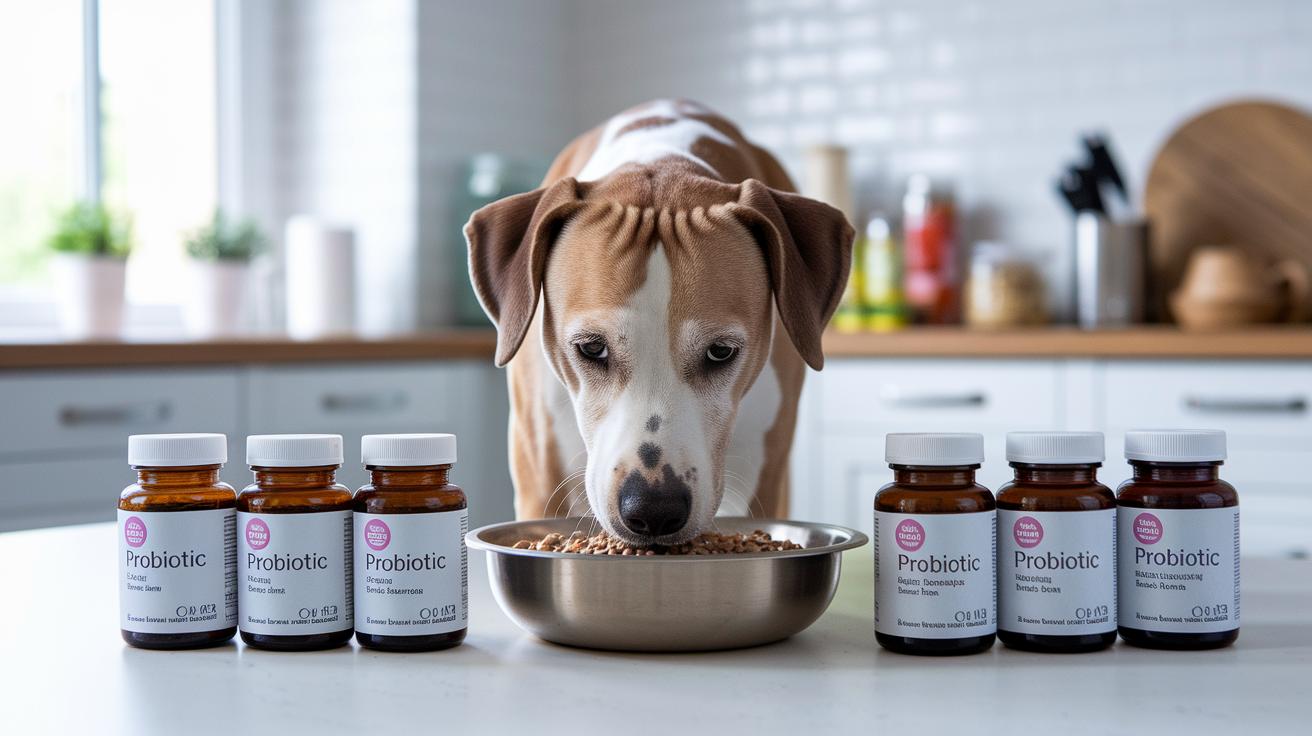
Recent studies with dogs have shown that adding probiotic strains like L. acidophilus and B. rhamnosus to their diet can help prevent diarrhea caused by antibiotics in about 65% of cases compared to a placebo. These friendly germs work by helping boost the enzymes that break down proteins, fats, and fibers, making it easier for your pet to get the nutrients they need.
One study even discovered that dogs given these probiotics had a 30% rise in a protein called IgG (which helps fight off sickness) and a 25% increase in IgA found in their stool (which protects the gut). Plus, markers of inflammation like TNF-alpha went down, hinting that these probiotics may also help strengthen your pet’s immune defenses and protect their gut barrier.
Research also suggests that using Bifidobacterium may help balance out the mix of healthy bacteria in your dog’s gut. For example, Firmicutes made up about 46.4% of the bacterial gene sequences in a dog’s gut in one study, and this change might help your pet extract more energy from their food while also supporting weight control.
Below are some of the key perks:
| Benefit | Description |
|---|---|
| Prevents diarrhea | Helps avoid antibiotic-related upset |
| Strengthens gut barrier | Makes the gut lining more resilient |
| Boosts the immune system | Increases helpful antibodies while lowering inflammation |
| Enhances enzyme activity | Supports better breakdown of food |
| Improves nutrient absorption | Helps get more energy from every bite |
| Reduces gas and loose stool | Makes digestion smoother and easier |
These findings show that probiotics can be a friendly boost to your pet’s digestion, immune system, and overall well-being. Have you noticed a wagging tail after a balanced meal? It might just be your pet thanking you for the care!
Selecting Probiotic Strains for Optimal Pet Nutrition
When it comes to picking the best probiotics for your pet, choosing evidence-based options really counts. For dogs, strains such as L. acidophilus and B. coagulans work well because they flourish in a dog's colon and help keep digestion running smoothly. And for your cat, L. rhamnosus has shown great promise in supporting a balanced tummy.
It’s a smart idea to use blends made just for pets. Human formulas often miss the mark because our furry friends have their own unique digestive needs. Using a mix of strains is like giving your pet a team of helpers, one break down proteins while another boosts the immune system (helps fend off potential bugs). This variety builds a strong, resilient gut that keeps your pet feeling their best.
Consider these simple tips when choosing a probiotic:
| Tip | Why It Matters |
|---|---|
| Pet-Specific Formulas | They’re designed to match your pet’s unique digestion. |
| Mixed Strains | Different strains support various digestive processes. |
| Avoid Human Formulas | Human blends might not meet your pet’s special needs. |
Trying out these probiotics that are specially designed for dogs or cats can make a noticeable difference in your pet’s energy and overall well-being. Have you ever seen how a happy tummy can brighten your pet’s day?
Probiotic Dosage Guidelines for Pet Digestive Health
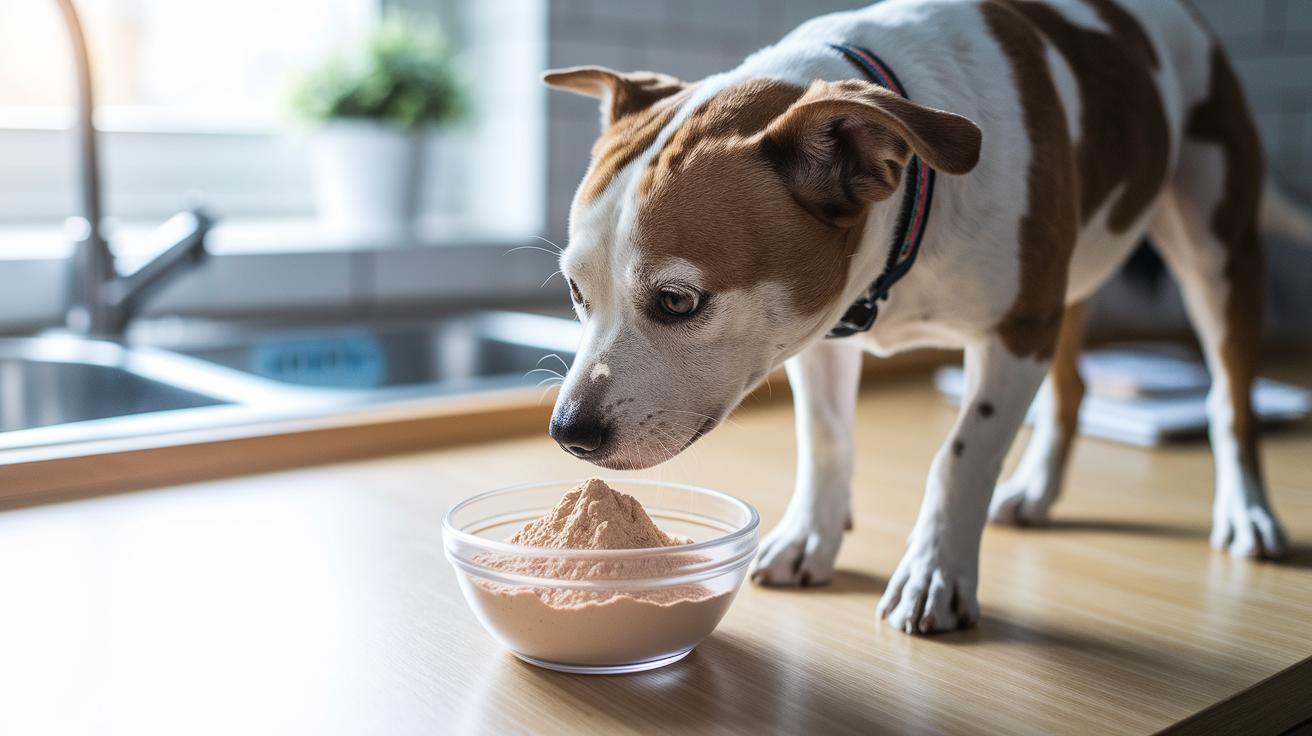
For dogs, giving a daily dose of 1 to 10 billion CFUs (a measure of living bacteria) can help keep their tummy balanced. Cats usually do best with 0.5 to 5 billion CFUs daily. The idea is to make your pet feel comfortable by sharing enough good bacteria without overdoing it.
There are a few easy ways to add probiotics to your pet's meal. Some pet parents love using little powder sticks from a 30-stick pack because it's super simple. Others mix the supplement into their pet's kibble or choose capsules instead. You can pick the method that fits best into your daily routine, whether it's a light sprinkle over their food or a quick treat.
Mixing probiotics with prebiotics like fruit pectin or inulin (a natural fiber that feeds good bacteria) helps the healthy bacteria set up shop in your pet's tummy. Think of it like a team effort, where prebiotics give the probiotics the fuel they need to flourish.
A quick chat with your veterinarian can help you find the best dose and form for your pet. They know your pet's needs best and can point out the right product while making sure it doesn't cause any issues. Regular check-ups keep your pet’s digestive system happy and on track.
Comparing Top Probiotic Products for Dog and Cat Nutrition
When picking a probiotic supplement for your pet, you want something safe and packed with pet-specific benefits. Each option here brings its own charm. For example, Honest Paws Probiotic Powder offers 5 billion CFUs per serving and even comes in a tasty chicken flavor that dogs tend to love. It also has FOS prebiotic (a type of food that helps good bacteria grow) to support healthy gut flora.
Then there's Gut Guardian. Created by nutrition experts and veterinarians, this supplement uses a mix of Lacto and Bifido strains and delivers 10 billion CFUs per serving. It’s an excellent choice if your pet needs extra digestive support. For those who like a fun approach, Brand X Chewables provide 3 billion CFUs per serving in a chewable tablet that includes digestive enzymes. Finally, Brand Y Liquid Drops offer a milder option with 2 billion CFUs, perfect for small breeds needing a more precise dose.
Each product has been designed to meet your pet's nutritional needs while keeping their digestion in mind. Consider your pet’s age, size, and any specific digestive issues when making a decision. The table below gives you a simple look at each product:
| Product | Pet Type | CFUs/Serving | Formulation | Avg Price |
|---|---|---|---|---|
| Honest Paws Probiotic Powder | Dog | 5 billion | Powder, chicken flavor, FOS prebiotic | $XX.XX |
| Gut Guardian by Nutritionists | Dog & Cat | 10 billion | Multi-strain (Lacto + Bifido), vet-formulated | $XX.XX |
| Brand X Chewables | Dog | 3 billion | Chewable tablet with digestive enzymes | $XX.XX |
| Brand Y Liquid Drops | Small Breeds | 2 billion | Liquid drops, easy dosing | $XX.XX |
These products show how pet-specific probiotics can easily fit into your pet's daily routine while keeping their tummy happy. Have you ever noticed how a well-chosen supplement can make your pet's day a little brighter?
Natural Probiotic Sources & Fermented Foods for Pet Digestive Health
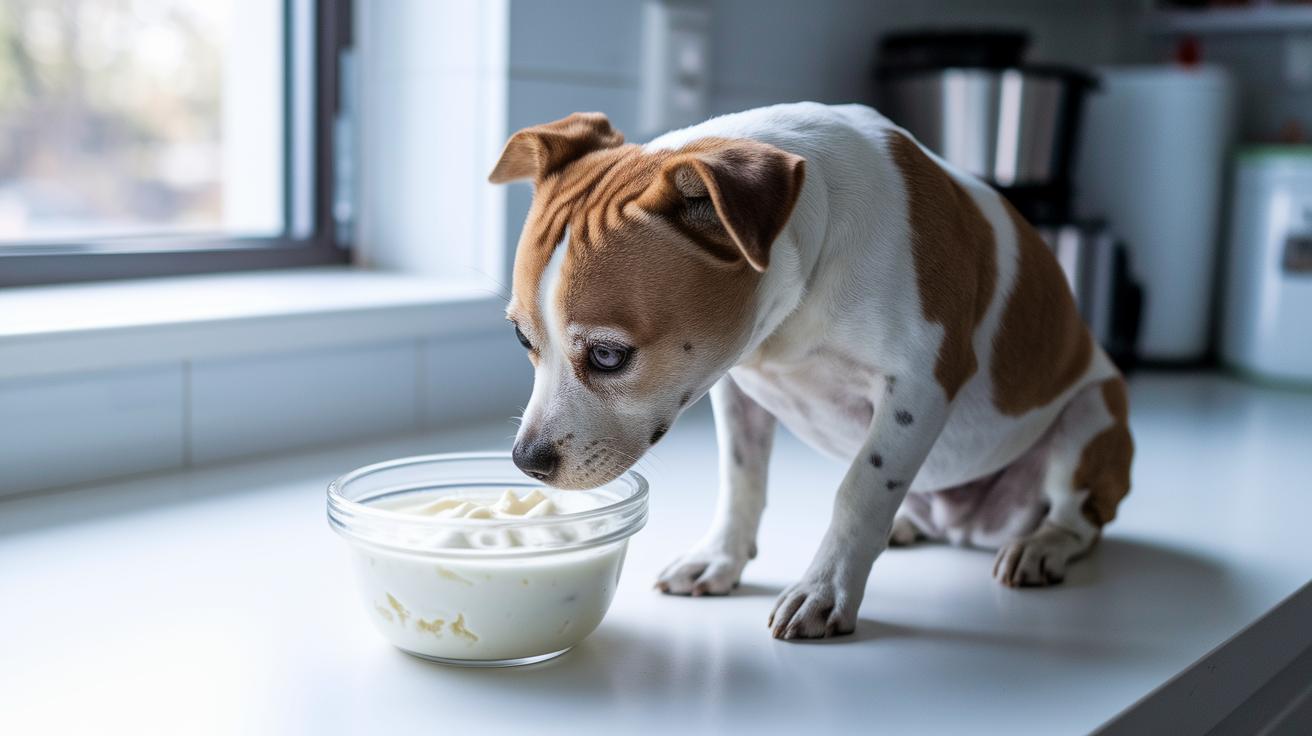
Fermented foods are a natural way to help boost your pet's tummy health. A little spoonful of yogurt, loaded with friendly L. acidophilus (a helpful type of bacteria), can be a smooth start. It works to balance the tiny critters living in their belly. Kefir also shines here. It’s packed with several kinds of Lactobacillus strains that work together like a team to support good bacteria.
Sauerkraut is another fun option. It brings in special strains like B. coagulans and can be a yummy treat when slowly mixed into your pet’s meal. These whole-food choices are tasty and work hand-in-hand with fibers found in fruits and seaweed. Think of those fibers as a cozy meal for the good bacteria, keeping their little world full and happy.
Remember, when you introduce these fermented treats, always watch how your pet reacts. Start small and then gradually add a bit more. That way, you reduce any tummy troubles while letting those natural probiotics weave their magic into your pet’s daily diet.
Probiotic Safety Considerations in Pet Nutrition
When you add probiotics to your pet's meals, safety comes first. Your pet might experience a bit of bloating or even loose stools sometimes, so keep an eye on them, especially after switching things up in their diet. If your furry friend already deals with tummy problems, it's smart to chat with your vet before trying a new supplement.
Some probiotic blends can include ingredients that might make your pet scratch or develop skin irritations. Just be sure to watch for any signs of discomfort when you introduce a new product.
It's also really important to store these supplements just as the maker recommends. That way, the helpful bacteria (the good bugs that aid digestion) stay alive and ready to work their magic. And remember, products meant for humans often don't have the right kinds or amounts of bacteria for our pets. Opting for a vet-formulated supplement means you're giving your companion a product that's just right for boosting their digestion and keeping them feeling their best.
Integrating Probiotics into Holistic Pet Nutrition Plans
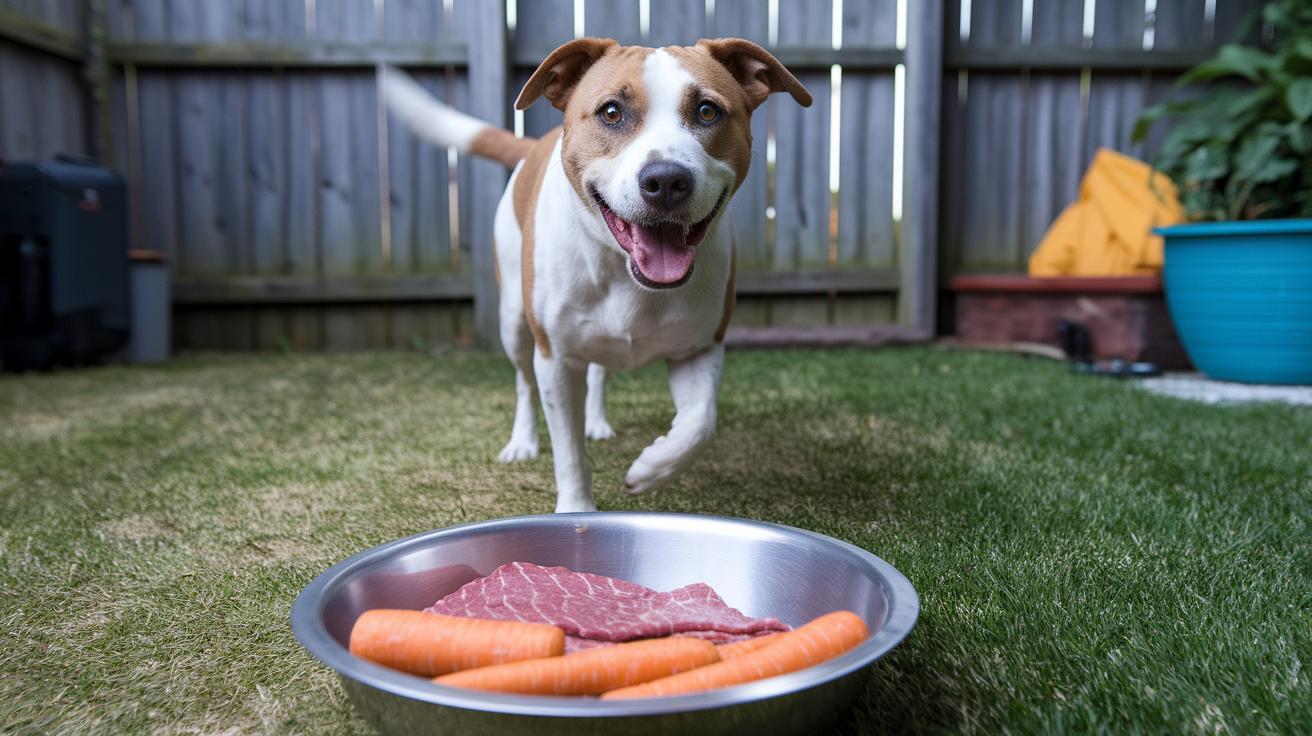
You can add probiotics to a balanced meal plan full of lean proteins, fiber-packed veggies, and just the right touch of fats. Think of these good bacteria as a secret helper that makes digestion smoother. For example, stir a probiotic supplement into a meal of lean meat and steamed carrots. It’s more than just food, it’s a little digestive boost that your pet will love.
Getting the timing right is really important. Give your pet their probiotic supplement around mealtime so it mixes naturally with the food. And after dinner, a short walk or a bit of play can help keep their tummy happy. Picture your pet trotting along after a meal, their digestive system gently waking up thanks to both the movement and balanced nutrition.
Lately, many pet parents have been trying custom gut formulas that blend probiotics, prebiotics (which help the good bacteria work better), and digestive enzymes (that help break down food). This tailored mix means you can choose a supplement that meets your pet’s unique needs. It’s a smart way to make sure all the ingredients work together for a harmonious digestive system.
And don’t forget to chat with your veterinarian before making any changes. They can help you pick the perfect blend for your pet. For more ideas, check out our holistic pet diet lifestyle integration tips and get inspired to create a meal plan that fuels both nutrition and great digestion.
Final Words
In the action, this article walked through how probiotics support your pet’s gut balance. We reviewed research, explored pet-specific strains, and explained dosage tips along with natural sources like yogurt and kefir.
We also shared safety considerations so you can feel confident when blending probiotics into your pet’s daily diet. Give pet nutrition and digestive health: probiotics benefits a try and enjoy the rewarding days ahead with a happy, healthy companion.
FAQ
Q: What are the benefits and potential side effects of probiotics in pet nutrition?
A: The probiotic supports improved gut balance, better nutrient absorption, and enhanced immunity in pets while occasional mild bloating or diarrhea might appear initially if introduced too quickly.
Q: How do probiotics benefit dogs and other animals overall?
A: The probiotic aids dogs and pets by promoting digestive stability, reducing flatulence and loose stools, and supporting energy extraction and immune strength through a healthy gut flora balance.
Q: What are the benefits of probiotics for cats?
A: The probiotic for cats helps stabilize digestion, promoting firmer stool and reducing upset, with specific strains like L. rhamnosus supporting a harmonious gut environment.
Q: What signs indicate that my dog might need probiotics?
A: The probiotic need reveals itself when your dog shows inconsistent stool, increased gas, or digestive discomfort, hinting that their gut flora might need extra support.
Q: Can I safely make homemade probiotics for dogs?
A: The probiotic option from home, such as plain yogurt with active cultures, may help support digestion when introduced gradually and under a veterinarian’s guidance.
Q: How long does it typically take for pet probiotics to work?
A: The probiotic generally begins showing benefits in one to two weeks as improvements in digestion and overall gastrointestinal comfort gradually emerge.
Q: What have online communities like Reddit said about pet probiotics?
A: The probiotic feedback shared online reflects many pet owners’ experiences of improved digestion and reduced stool issues, highlighting positive results when used as part of a pet’s health plan.