
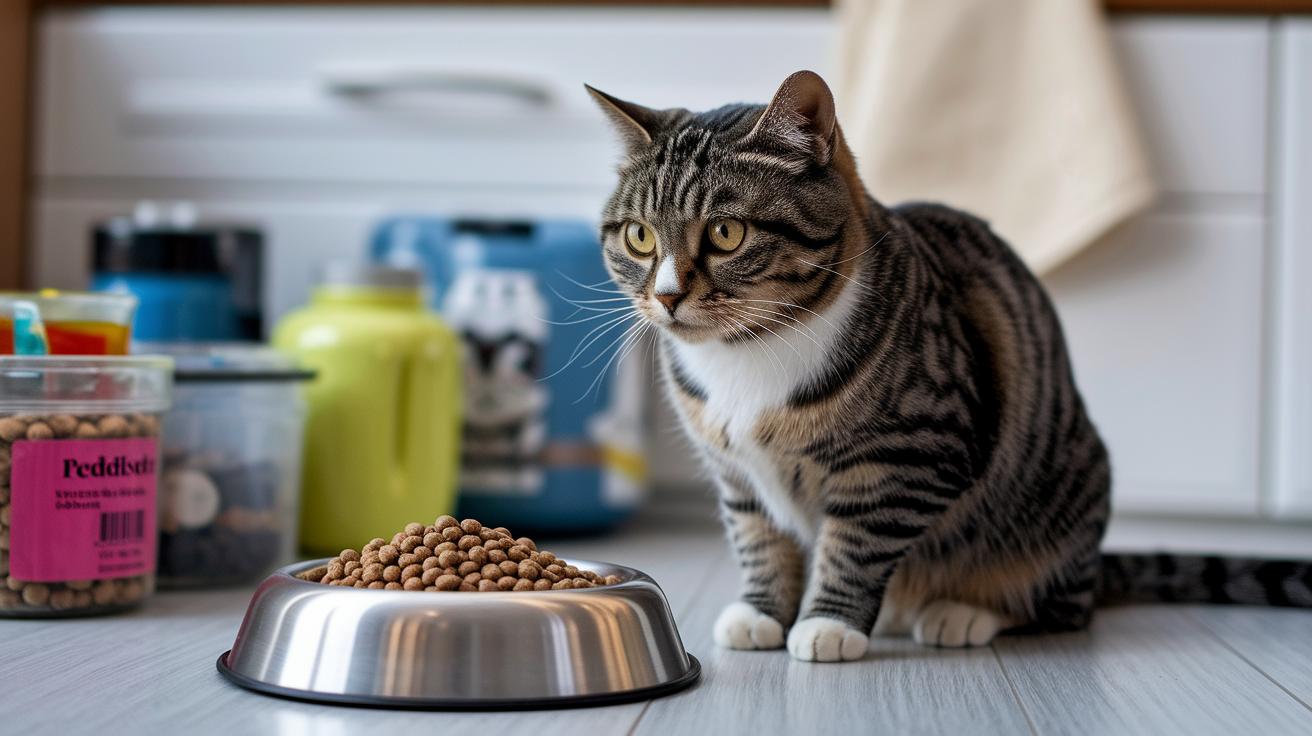
Have you ever thought that little slip-ups in your pet’s diet might be affecting their well-being? Even small errors, like overfeeding or giving too many treats, can create health problems later on.
In this chat, we look at common pet nutrition mistakes that might be stopping your furry friend from feeling their best. Have you noticed how a little extra treat can sometimes tip the balance?
By spotting these issues early and choosing smarter feeding habits, you can help your pet stay playful, comfy, and full of energy for years to come.
Critical Pet Nutrition Mistakes to Avoid for Healthier Companions
Skipping these mistakes can help your pet stay lively and strong for many years. Every mistake in feeding adds up over time and can lead to issues like arthritis, heart troubles, or even diabetes. Think about it, a pet eating more than needed might lose energy throughout the day and shorten its happy lifespan.
Changing your pet's diet the right way can really prevent unnecessary health issues. For example, one-size-fits-all diets ignore the special needs that depend on your pet's breed or age. Imagine a large dog that needs food with lower fat and extra goodies for joint support. Nearly 59% of dogs in the U.S. have a bit too much weight to carry around, and overfeeding can even cut a dog's life short by about 2.5 years.
- Overfeeding
- Inaccurate portion control
- Too many treats
- Wrong diet type
- Misreading labels
- Sudden diet changes
Each of these points marks a common slip-up that can hurt your pet’s well-being. Overfeeding or not measuring portions right usually leads to extra pounds, which means more strain on joints and organs. Too many treats sneak in extra calories that throw off a balanced meal. Picking the wrong type of diet means your pet might not get enough energy or vital nutrients, and misreading labels can lead to foods full of fillers and artificial bits. Finally, switching diets too fast can upset your pet’s tummy and make digestion tricky. All these missteps together can really impact your furry friend’s overall health, so keeping a close eye and making slow changes is key. For more tips on planning balanced meals, check out the optimal pet nutrition guide.
Pet Nutrition Overfeeding and Portion Control Mistakes
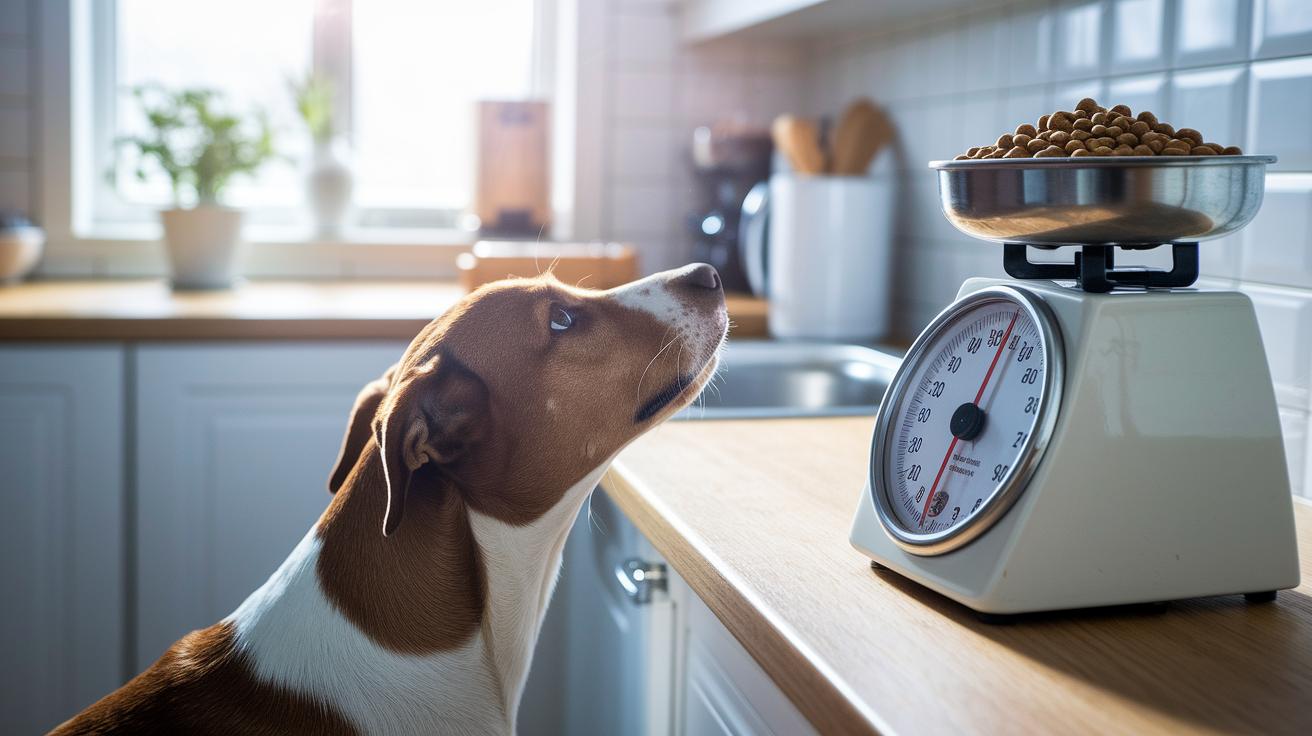
Overfeeding
Feeding your pet too much can lead to big health problems like arthritis, heart issues, and diabetes. Nearly 6 in 10 dogs in the U.S. are overweight or obese. Even a few extra calories each day could cut a dog's life by almost 2.5 years. Imagine this: some pet owners started watching every calorie before their vet visits and found that small changes in daily portions could add years to their furry friend’s life.
Relying only on commercial feeding guidelines might miss your pet’s unique energy needs. Experts now say it's a good idea to check your pet's weight often and talk with your vet to adjust feeding times. One study even showed that using a small digital scale to measure food helped pets stay more energetic and kept their weight in check.
Inaccurate Portion Control
Not measuring food correctly can hurt your pet’s health too. Instead of just guessing, try weighing your pet’s food to fit their age, activity level, and overall health. Many professionals suggest checking your pet’s body condition regularly. If you see them getting a bit chubby, it might be time to tweak their portions. One pet owner switched to using a kitchen scale and noticed that tiny, measured changes in portion size made their dog more energetic and agile over just one month.
Using the right tools to measure food can really make a difference. Adjust meal sizes based on how active your pet seems and any changes in their growth. Keeping a food log can help you spot trends and keep calorie overload at bay while supporting a happy, active life for your pet.
Excessive Treat Intake Problems in Pet Nutrition
Treats can sneak in extra calories without you even realizing it. Sometimes even those “healthy” treats have hidden fats and sugars that quickly add up. Picture your pet eagerly waiting for another treat while you might miss the small details, it's a gentle reminder that balance is key.
Too many treats can lead to real health issues like obesity. When your pet gobbles up more calories than it burns, weight gain becomes a real worry. This extra weight can cause joint aches and lower energy levels. In fact, experts say that more than half of dog owners give treats more than once a day, and before you know it, the numbers add up.
To help keep your pet’s diet on track, try setting treat limits and switching some treats for healthier options such as carrot sticks or apple slices. And remember, fresh water is always important to keep your pet feeling good. Adjusting feeding routines and keeping an eye on treat habits can make all the difference in keeping your furry friend active and happy.
Pet Nutrition Mistakes with Diet Type and Ingredient Selection
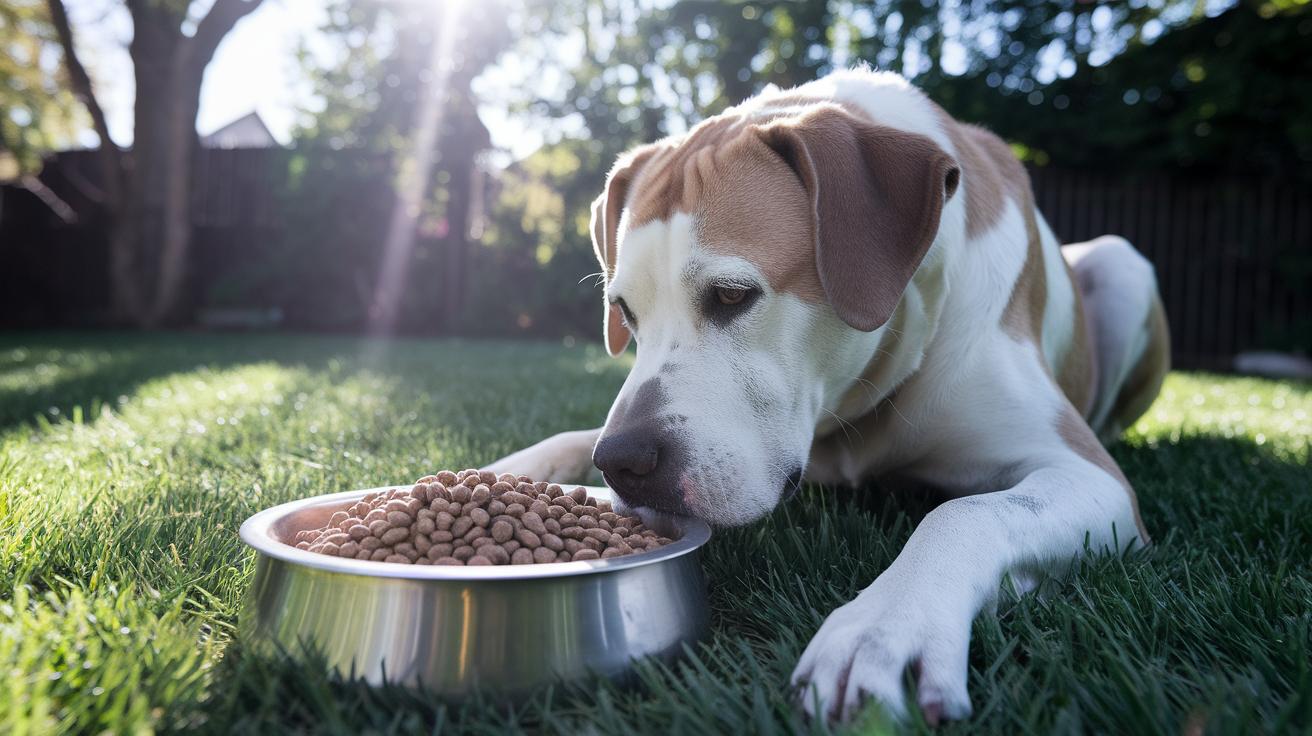
When your pet eats the wrong kind of food, they might miss out on the nutrients they really need. Many commercial diets use a one-size-fits-all approach without thinking about a pet’s size, breed, or stage in life. This can leave your furry friend with an unbalanced diet that doesn’t match their unique needs, which might lead to problems down the road and make them feel less energetic.
For example, large breeds often need a special kind of diet. I’ve seen many big dogs do better on meals that are lower in fat and have extra nutrients for joint support, like glucosamine (a natural supplement that helps keep joints healthy). Feeding a generic diet to a large dog might not give them the needed support for strong joints and an active lifestyle, which can speed up wear on their bodies.
It’s also really important to read pet food labels. Look out for low-quality ingredients, fillers, and fake preservatives that could cause tummy troubles or even lead to diabetes. By learning to spot these red flags, you can choose the right food that meets your pet’s unique needs and avoid common errors found in mass-produced pet meals.
Risks of Unverified Homemade and Raw Pet Nutrition Mistakes
Raw pet diets often spark plenty of chat among pet parents. There’s a real worry they might expose your furry friend to germs like Salmonella or E. coli (bugs that can upset your pet’s tummy or lead to bigger health issues). And if your pet is already a little vulnerable, those pesky parasites can be an added risk.
Cooking meals at home might seem like a safer bet since heating food can cut down on some bacteria. But homemade recipes often miss out on the perfect mix of nutrients (the essential vitamins and minerals that keep your pet thriving over time). It can be tricky to match the complete nutrition you’d get from a commercial diet, and leaving out key nutrients might sap your pet’s energy and immune strength.
| Diet Type | Main Risk | Mitigation Tip |
|---|---|---|
| Raw diet | Exposure to bacteria and parasites | Practice safe handling and proper storage |
| DIY cooked diet | Nutrient imbalances | Ask a pet nutrition specialist for recipe tips |
| Commercial balanced home-style | Variations in quality | Read reviews and research brands |
If you’re ever in doubt, have a chat with a pet nutrition expert. Checking out guides, like one that explains a holistic pet diet (a balanced approach to feeding your pet), can help you create recipes that meet your pet’s unique needs. And remember, it’s best to slowly introduce any new meal so you can watch how your furry friend responds.
Neglecting Life Stage, Breed, and Allergy Considerations in Pet Nutrition
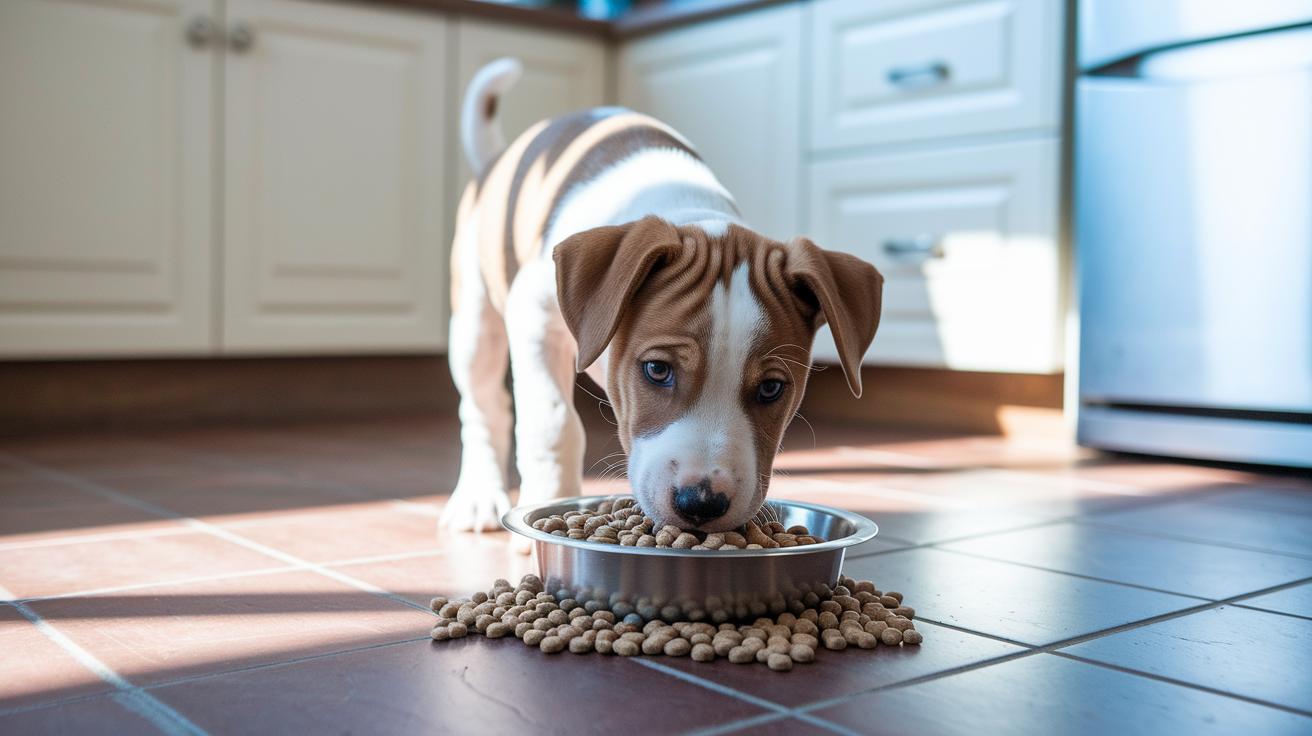
Different stages in life mean different food needs. Puppies and kittens, for example, need meals packed with protein and calories to fuel their playful energy and growing bodies. Older pets, on the other hand, do best with lower-calorie meals enriched with fiber (which helps with smooth digestion). Using the same food for every stage can mean a growing pet misses out on vital nutrients or an older pet struggles with unwanted weight and slow digestion. It really pays off to adjust your pet’s meals to match their life stage.
Every breed has its own special food needs too. Some dogs need a lot more energy, while others really thrive on food that supports healthy joints and bones. Picture a large breed dog, this friend might need extra vitamins and minerals to keep those joints strong, while a small breed could benefit from nutrient-packed meals that support their fast metabolism. Recognizing these differences early on can help avoid health issues that might come from a one-size-fits-all diet.
Food allergies are another important piece of the puzzle. When your pet starts showing signs like itchy skin, tummy troubles, or even changes in behavior, it might be time to reconsider what’s in their bowl. Keeping a close eye on these reactions and chatting with your vet can lead to quick tests and the right diet tweaks. This simple, watchful approach not only sidesteps bigger problems but also turns a potential hiccup into a win for your pet’s overall well-being.
Pet Nutrition Imbalances and Supplement Mishaps to Avoid
Overlooking Essential Nutrients
Many of our furry friends aren’t getting all the little vitamins and minerals they need, like vitamins A and D (important for keeping energy up and the immune system strong). This can make them feel more tired and even lower their natural defenses, especially our older buddies. When a pet’s diet is missing key nutrients, it might start to affect how well its organs work and its overall happiness. Checking your pet’s food choices and scheduling regular vet visits can really help catch these issues early.
As pets grow older, their tummies don’t absorb nutrients as well as before. So even if you’re feeding them a balanced diet, their body might not make full use of the goodness in their food. In these cases, adding more easily absorbed (bioavailable) sources or the right supplements, with advice from your vet, can really help them get what they need.
Improper Supplement Use
It’s easy to think more vitamins might be better, but giving supplements without a vet’s guidance can actually be risky. Too much vitamin A or D can be toxic and put extra strain on your pet’s organs. Instead of boosting their overall nutrition, over-supplementing can throw off their entire diet balance.
That’s why it’s super important to work with your vet when you’re thinking about adding supplements. A good vet can help you pick safe products and get the dosages just right so that everything works together harmoniously with your pet’s regular meals. Keeping a balanced approach really sets your pet up for a happy, healthy life.
Mistakes in Dietary Transitions and Feeding Schedule Consistency
Abrupt Dietary Transitions
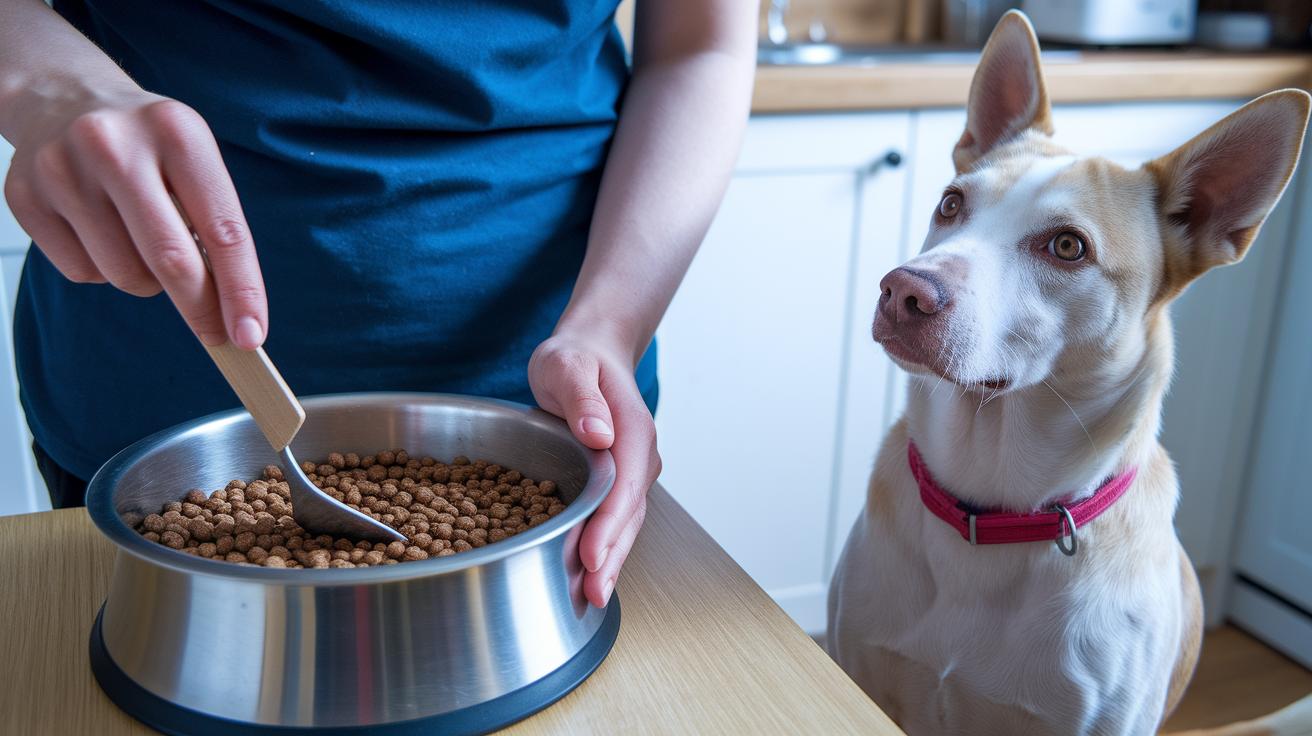
Changing your pet's food too fast can really upset their tummy. A sudden switch might cause them to vomit or have diarrhea, and no one wants that messy situation. Instead, try a slow change over 7 to 10 days. Mix a little new food with their regular meal each day so that their stomach can adjust gradually. This careful mix helps keep your pet feeling comfortable and avoids any unexpected tummy troubles.
Consistent Feeding Schedules
Keeping a regular mealtime routine is super important for your pet’s overall well-being. When you serve meals at the same time every day, it’s easier to notice any changes in how much or little they eat, and it helps keep their energy steady throughout the day. Simple tools like timers or feeding charts can really help you stick to the schedule. A consistent routine makes your pet feel secure and supported.
Planning meals based on your pet’s age and energy level means you’re preventing overeating or those irritating hunger pangs between meals. When feeding stays regular, your furry friend experiences less stress and enjoys a smoother daily rhythm. This steady routine supports a balanced energy level and a happy, healthy pet.
Final Words
In the action, this post tackled pet nutrition mistakes to avoid that may hamper your pet's wellness. We covered topics like overfeeding, excessive treats, diet mismatches, raw food risks, overlooked breed needs, and abrupt feeding changes.
Each misstep can subtly impact your companion's overall health. Small adjustments in portion control, proper treat management, and thoughtful diet changes can brighten your pet’s life. Keep experimenting with care and curiosity as you plan balanced meals for a happier, healthier friend.
FAQ
What are common pet nutrition mistakes to avoid for dogs?
The pet nutrition mistakes to avoid for dogs include overfeeding, poor portion control, and relying on one-size-fits-all diets. These errors can lead to weight issues and shorten your dog’s lifespan.
What should dog owners avoid in dog food for proper nutrition?
The pet nutrition mistakes to avoid in dog food involve accepting foods with fillers, artificial preservatives, and low-quality proteins. Reading labels and choosing better ingredients helps support your pet’s health.
What role does a dog nutritionist play?
The dog nutritionist plays a role in assessing your pet’s dietary needs, customizing meals based on age and breed, and helping you avoid common nutritional missteps for a balanced diet.
How do AKC diet recommendations influence pet nutrition?
The AKC diet recommendations influence pet nutrition by providing clear feeding plans and portion guidelines that help pet owners manage weight and meet the unique needs of their furry companions.
Is there a free Animal Diet Formulator available, and how does it help?
The free Animal Diet Formulator tool helps pet owners design balanced meals by suggesting appropriate ingredients and portion sizes, reducing the risk of nutrition mistakes without extra costs.
How does an animal nutrition calculator support pet care?
The animal nutrition calculator supports pet care by providing precise estimates of calorie and nutrient needs based on your pet’s weight and activity level, streamlining meal planning and health management.
What insights does veterinary nutrition offer pet owners?
Veterinary nutrition offers insights into how proper feeding habits prevent dietary mistakes, manage chronic conditions, and create individualized meal plans that support overall pet wellness.
What benefits does an online dog nutritionist provide?
The online dog nutritionist provides accessible, expert advice on meal planning and ingredient selection, guiding you to optimize your pet’s diet through customized recommendations.
What is the one food you should never feed a dog?
The one food you should never feed a dog is chocolate because it contains toxic substances that can harm their heart and nervous system, even in small quantities.
What should the top three ingredients in dog food be?
The top three ingredients in dog food should include a quality, lean protein source, digestible carbohydrates or vegetables, and healthy fats, all of which work together for balanced nutrition.
What is the most common nutritional disorder in pets?
The most common nutritional disorder in pets is obesity, typically caused by overeating and frequent high-calorie treats, which can lead to further health complications.
What is considered the healthiest dog food brand?
The healthiest dog food brand varies by your pet’s needs, but brands with high-quality proteins, minimal fillers, and carefully selected ingredients are often considered excellent choices for optimal nutrition.