
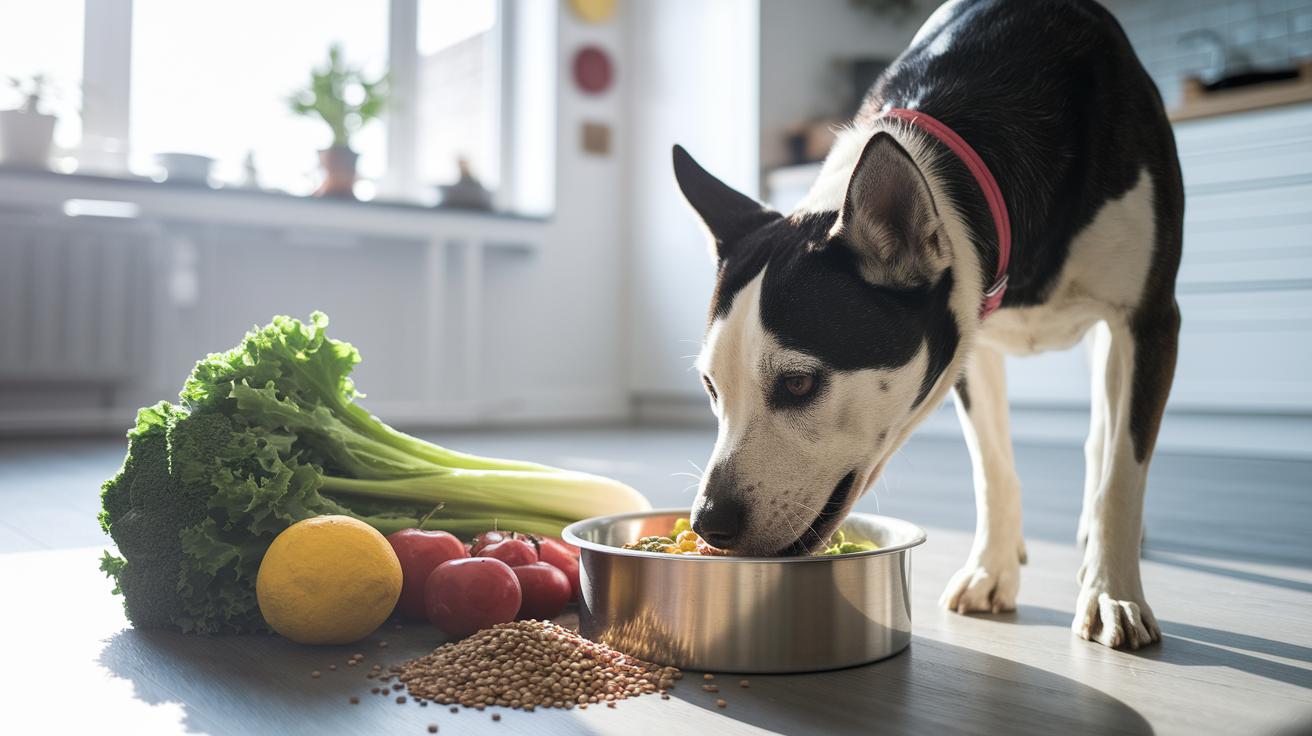
Have you ever wondered if your pet’s meals could be as natural as they were meant to be? Organic pet food means you’re offering your furry friend meals grown without any chemical additives (like synthetic pesticides).
Many pet parents have seen wonderful signs, shiny, healthy coats and strong, happy joints, after switching to these wholesome foods. In this guide, we’ll chat about how organic nutrition works, share easy tips for reading labels, and offer simple ideas for planning balanced meals.
It’s amazing how small changes in every bite can brighten your pet’s overall health.
Organic Pet Nutrition Guide Overview: Essential Benefits & Principles
When we talk about organic pet nutrition, it means feeding your furry family with foods grown, raised, and processed without chemical additives like synthetic fertilizers, pesticides, GMOs, antibiotics, hormones, irradiation, or artificial preservatives. When you see USDA/NOP certification on a label, you can trust that every meal is free of these chemicals and as natural as Mother Nature intended.
Research shows that nutrient-rich meals can make your pet’s coat shine, help their joints stay strong, and even boost their immune system. You might even be surprised, some dogs on organic diets have shown improved mobility and a shinier coat in just a few weeks!
A balanced diet is the first step to keeping your pet healthy overall. For both dogs and cats, organic pet food means fewer unwanted chemicals in every bite, just the way nature planned. In this guide, you’ll learn about important topics like reading certification labels, choosing quality ingredients, and even planning species-specific meal plans with both homemade recipes and trusted commercial options.
We’ve also included simple tips on how to slowly transition your pet’s diet to organic foods. One of the best parts of organic nutrition is that every ingredient works together to support both your pet’s body and mind. Plus, we explore eco-friendly ways to source ingredients responsibly and offer advice on managing your budget while keeping meals completely chemical-free.
By the end of this guide, you’ll have all the information you need, from picking the right ingredients to handling transition steps, to naturally nurture your pet’s health. Enjoy crafting delicious meals that boost your pet’s energy and help them feel their very best every day.
Understanding USDA Organic Standards for Pet Food
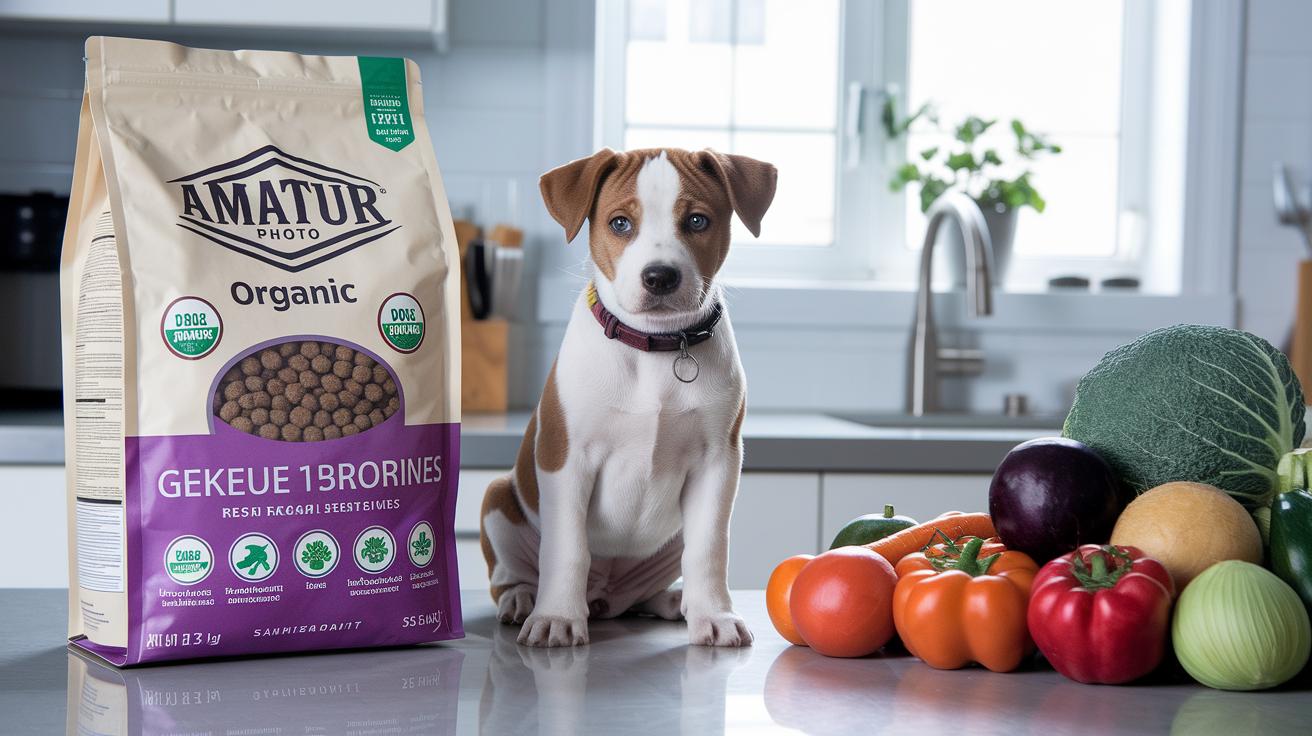
When you’re picking up organic pet food, it really makes sense to know what those labels mean. There are three levels of USDA/NOP certification that help you see just how organic your pet’s food is. First up, there’s "100% Organic" where every ingredient is certified organic. Next, "Organic" means more than 95% of the food is organic. And then there’s "Made with Organic Ingredients," which tells you between 70% and 95% of the product is organic. It’s a simple guide to help you decide exactly what you’re feeding your furry buddy.
Manufacturers have to follow some pretty strict rules. They can’t use any synthetic pesticides, fertilizers, antibiotics, hormones, irradiation, or GMOs (genetically modified organisms) in food that’s labeled as organic. Every product must clearly show the percentage of organic ingredients and name the certifying agency. These claims are backed up by independent checks, so when you see a label like "Organic (95%+)," you instantly know you’re giving your pet something special.
| Requirement | Description |
|---|---|
| 100% Organic | All ingredients are certified organic. |
| Organic | At least 95% of ingredients are organic. |
| Made with Organic Ingredients | Contains between 70% and 95% organic ingredients. |
| Prohibited Substances | No synthetic pesticides, fertilizers, hormones, or GMOs. |
| Labeling & Audits | Product labels show the organic percentage and the certifying agency with third-party verification. |
Knowing these details helps you pick pet food that’s safe and free from GMOs, all while meeting strict organic standards for your pet’s diet. Have you ever noticed how a clear label can give you that extra peace of mind? It’s all about making sure your pet gets the best care with food you can truly trust.
Key Organic Ingredients & Nutrient Profiles for Pets
When it comes to feeding our pets, starting with fresh, organic ingredients makes a world of difference. We kick things off with high-quality proteins like cage-free poultry and grass-fed beef (foods that help build strong muscles and promote overall health). Picture serving a meal where these proteins mingle with crisp, flavorful vegetables, it’s like a natural, energizing boost for your best friend.
Organic veggies and fruits, such as carrots, pumpkin, and blueberries, do more than add a pop of color. They’re packed with vitamins A and C and antioxidants that support a strong immune system and lively spirit. It’s a bit like giving your pet a little snack of nature’s multivitamin, with every crunch helping to keep their coat shiny and senses sharp.
Whole grains like brown rice come in with plenty of fiber to make digestion smooth and ensure every nutrient is absorbed well. And let’s not overlook Omega-3 sources like flaxseed or fish oil; these are key for keeping skin supple and joints strong. Even a dash of supplements, say, a bit of CoQ-10 for heart support or glucosamine with chondroitin for joint care, can make a big difference.
Imagine putting together a bowl where every ingredient works in harmony. It becomes a raw, natural pet diet bursting with taste and benefits that help your pet stay active and joyful every day.
Organic vs Conventional Pet Diets: A Comparison
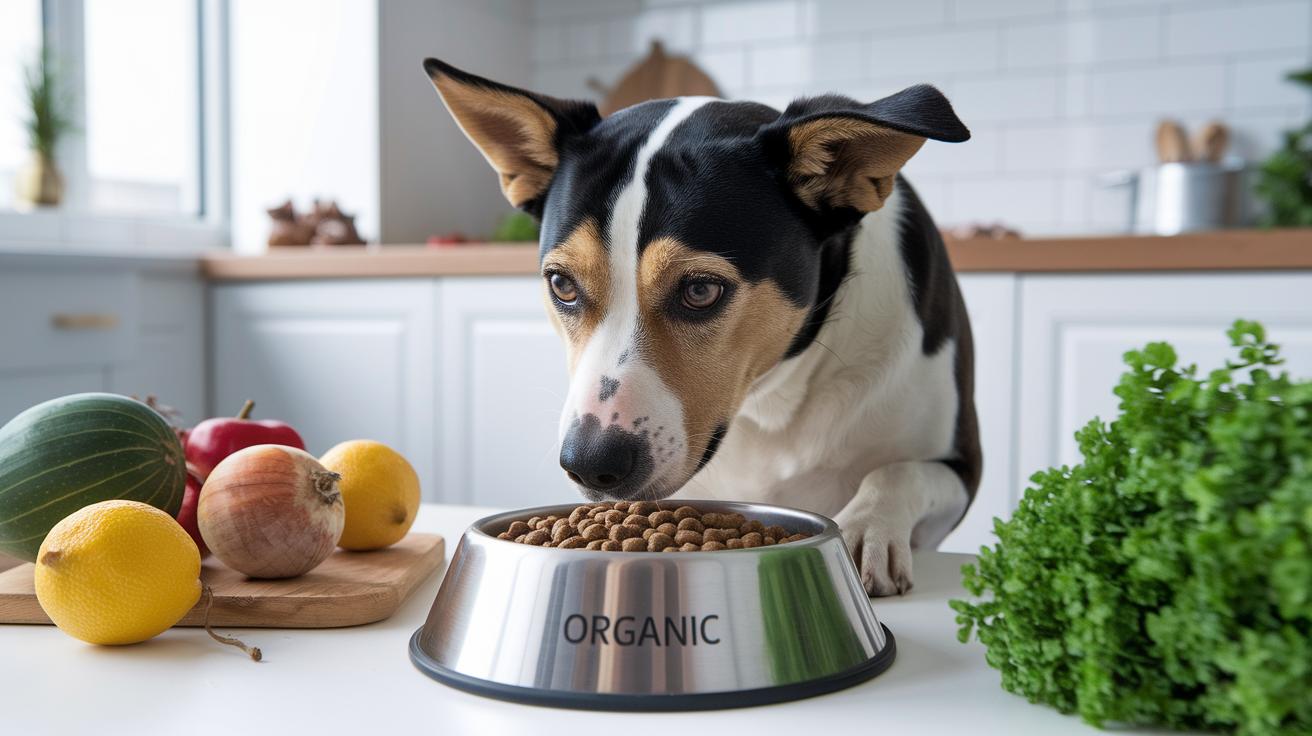
When you look at organic pet diets versus conventional ones, the differences pop out right away. Organic options have much fewer pesticide residues on lab tests, which means your pet enjoys a cleaner, more natural meal. Conventional feeds might contain traces of antibiotics or artificial colorings that aren’t as gentle on your pet or our planet.
Organic pet food also comes with up to a 20% boost in antioxidants, giving your furry friend extra protection against everyday stresses, like a little shield. Plus, organic production avoids synthetic inputs that can hurt our soil and water, making it a friendlier choice for the earth. On the flip side, you might notice that organic foods often cost about 25–40% more per pound. Many pet parents feel that extra cost is worth the peace of mind knowing their pal is getting top-notch nutrition.
| Feature | Organic Diet | Conventional Diet |
|---|---|---|
| Pesticide Residues | Significantly lower | Higher risk |
| Additives | No artificial additives | May contain residues |
| Antioxidant Levels | Up to 20% higher | Lower levels |
| Environmental Impact | Eco-friendly production | Synthetic inputs used |
| Cost per Pound | 25–40% higher | More affordable |
Organic Diet Recommendations for Dogs & Cats
Dogs: protein ratios, recommended fat sources, key supplements
Feeding your dog an organic diet starts with getting the right protein balance. For example, puppies need about 22-26% protein from organic meat to support their fast growth and lively energy bursts. Adult dogs are happy with around 18-22% protein, and adding a bit of healthy fat like flax or fish oil helps keep their skin smooth and joints moving freely. Older dogs might do better on lower-calorie meals and a few extra joint support supplements to ease stiffness. It’s like designing a special, nutrient-packed meal just for your dog at every stage. Have you ever seen how a tasty meal makes a dog’s eyes sparkle?
As your furry buddy grows, their nutrition needs change. Many pet owners love taking a holistic approach by using cage-free poultry and organic veggies to gently transition to raw food diets. This way, meals stay as natural and wholesome as possible while supporting your dog’s overall well-being.
Cats: taurine requirements, moisture balance, feline-specific supplements
Cats have their own unique needs. They require meals with a higher amount of animal protein, about 30-40%, to match their natural metabolism. Taurine, an essential amino acid for heart and eye health, is especially important for them, which makes organic options like cage-free poultry a great choice. For adult cats, keeping carbohydrates in check and adding some moisture to their food, maybe a splash of water or broth with dry food, ensures they stay well-hydrated. And sometimes, a touch of feline-specific supplements like antioxidants is the extra boost they need for a happy tummy and playful energy. Tailoring each meal to your cat’s needs not only enhances the flavor but also helps support their overall vitality.
Homemade Organic Pet Meals: Recipes & Safety Guidelines
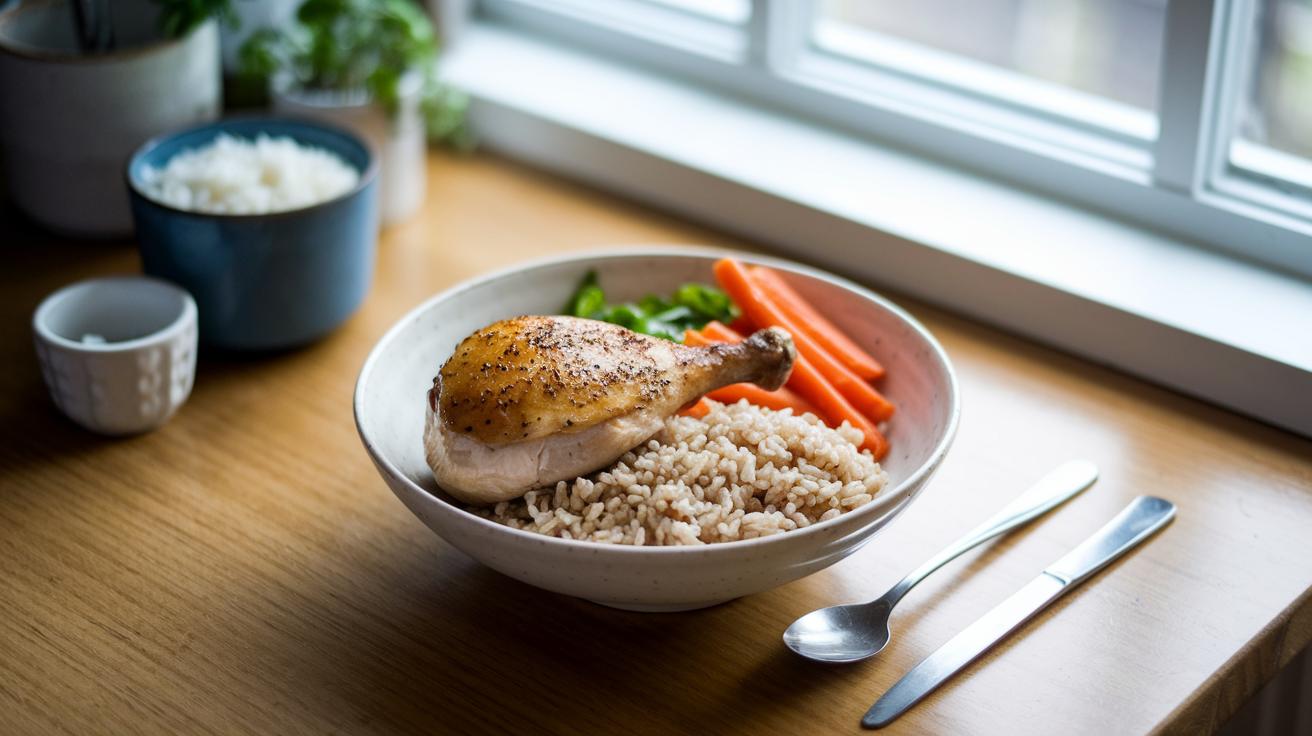
When whipping up a meal at home for your furry friend, start with quality proteins like fresh meat. For example, consider a mix of chicken, brown rice, and steamed carrots, a hearty blend that packs in the nutrition and meets AAFCO guidelines (standards set for balanced pet diets).
Keep these simple safety tips in mind:
- Choose fresh, organic meat and wash your veggies thoroughly.
- Skip onions, garlic, and artificial colors since they can upset your pet's tummy.
- Cook proteins until they hit 165°F (this helps kill any harmful germs). Let them cool quickly, then store at 40°F or below.
- Rotate proteins, try chicken, beef, and fish, to give your pet a variety of essential nutrients.
- Mix in a little plain yogurt for a boost of probiotics (good bacteria that aid digestion).
For our feline pals, a blend of fish, pumpkin, and peas is a great choice. Fresh, organic fish provides the needed protein, while pumpkin and peas add fiber and vitamins to keep their digestion smooth and their overall health in check.
When planning your recipes, compare the ingredients with AAFCO’s guidelines to ensure each serving is balanced. This approach guarantees a meal that nourishes both body and mind.
Imagine each meal coming together like a puzzle, every ingredient plays its part in building a healthier, happier life for your pet.
7-Step Plan to Transition Pets to Organic Nutrition
-
Start off by mixing about 25% organic food with 75% of your pet's usual meal. This gentle blend gives your furry friend a chance to explore new flavors and textures without upsetting their tummy.
-
Every three days, bump up the organic portion by about 10 to 15%. Taking it step by step helps your pet get used to the change naturally, keeping them comfortable throughout.
-
Keep a close watch on their poop and energy levels. A healthy stool and a lively pet are great signs that the new diet is working. If you notice any odd changes, it might be a cue to slow things down a bit.
-
Notice more than just digestion. Look at your pet's skin, coat, and overall behavior. A shinier coat or a burst of energy can signal that they’re enjoying the new meal, while any unusual changes might mean they need extra care.
-
Around the 10th day, try adding some raw food, like cage-free poultry, into the mix. This not only introduces a new texture and flavor but also provides extra nutrients (think essential vitamins and minerals) that support your pet’s well-being.
-
Gradually increase the amount of organic food with each meal. This slow, steady shift makes the change feel natural and less overwhelming for your pet.
-
By the 14th day, your pet should be fully transitioned to an organic diet. If you spot any signs of discomfort, it’s perfectly fine to adjust the pace. Every pet is different, and taking your time helps ensure they feel their best.
Potential Risks & Considerations in Organic Pet Diets

Organic pet diets may seem like a perfect, natural choice, but they do come with some unique challenges. For example, giving too many supplements, such as extra vitamin D or calcium (which helps with healthy bones), can be harmful, sometimes leading to kidney or liver issues if the doses aren’t just right.
If you’re tempted by raw food diets because of their fresh feel, remember there’s a catch: without careful, strict hygiene during prep, your pet might be at risk for infections like Salmonella or E. coli. Plus, the cost and availability of organic ingredients can be higher, which might put a strain on your budget or routine.
Even products labeled as certified organic, like eggs or grains, can sometimes cause allergies in pets that are sensitive. And sometimes, label claims can be misleading, resulting in meals that don’t meet all of your pet’s nutritional needs.
It’s always a smart move to stick to natural dietary guidelines and consult a trusted guide for organic pet supplements to steer clear of common pitfalls. Using a well-prepared organic pet nutrition fact sheet can help you serve meals that are balanced, safe, and beneficial, ensuring every bite is as tasty as it is healthy.
Always check labels carefully and remember: a little extra care goes a long way in keeping your furry friend happy and thriving.
Sustainable & Eco-Friendly Organic Pet Nutrition Practices
Switching your pet to an organic diet can be a kind way to care for the planet at the same time. Start by checking out local organic farms. When you choose ingredients grown nearby, you help cut down on the miles food travels and ease the strain on our environment. Want to learn more? Explore environmentally sustainable practices for outdoor pet care to see easy tips for protecting local resources.
Plan your pet’s meals around seasonal produce, too. Seasonal fruits and veggies are bursting with vitamins and antioxidants (the good stuff that helps keep your pet healthy) while also keeping your carbon footprint low. Plus, opting for bulk or compostable packaging is a smart way to reduce waste. This little change can help lower the trash pile and keep our surroundings cleaner.
Try rotating proteins, like chicken, beef, or fish, in your pet’s meals. Doing so not only gives your pet a mix of nutrients but also supports varied, sustainable farming practices. You might even think about a community-supported agriculture (CSA) pet food subscription. It’s like having fresh, local meals delivered right to your door, giving your pet the best and benefiting the earth.
Every small choice in how you source and package food can add up to a more eco-friendly life for your furry friend and a healthier planet for all of us.
Final Words
In the action, we explored the ins and outs of switching to an organic pet nutrition guide. We broke down USDA standards, key ingredients, and compared organic diets with conventional ones. You learned about species-specific recommendations, homemade recipe tips, and a simple 7-step plan to help your pet transition smoothly. We even touched on potential risks and sustainable practices. This quick recap shows that well-informed choices can lead to healthier, happier pets. Enjoy every step as you make your pet’s diet a natural, joyful experience!