

Ever wonder what's really in your pet's bowl? Instead of grabbing food straight off the shelf, many pet parents are turning to meals made with non-GMO ingredients. This means no weird lab tweaks and fewer synthetic additives, just food that's closer to nature, like a home-cooked meal for your furry friend. More and more pet lovers, looking for clear labels and pure nutrition, are finding that non-GMO pet food is a safe and smart choice you can trust.
How Non-GMO Ingredients Elevate Pet Nutrition
Most of the food you see on grocery shelves has GMOs. This trend even shows up in pet food. Many pet parents now search for the Butterfly symbol to be sure no genetic tweaks were made. With around 86.9 million homes in the U.S. having pets, many of us want food that avoids unnecessary genetic changes for our furry friends.
Choosing pet food made without GMOs comes with a lot of benefits. Not only do these diets lower the chance of exposure to synthetic chemicals and modified ingredients (those are changes made in food), they also support a more natural, eco-friendly way to care for our pets. It feels good knowing your pet’s bowl is free of extra changes, which might help boost their energy and general well-being.
Opting for non-GMO ingredients also means you get high-quality meals that you can trust. More pet owners are asking for clear, honest information about where their pet food comes from. In truth, choosing GMO-free shows you care about sticking to clean, natural ingredients while meeting your pet's unique needs.
Defining Non-GMO Ingredients in Pet Nutrition
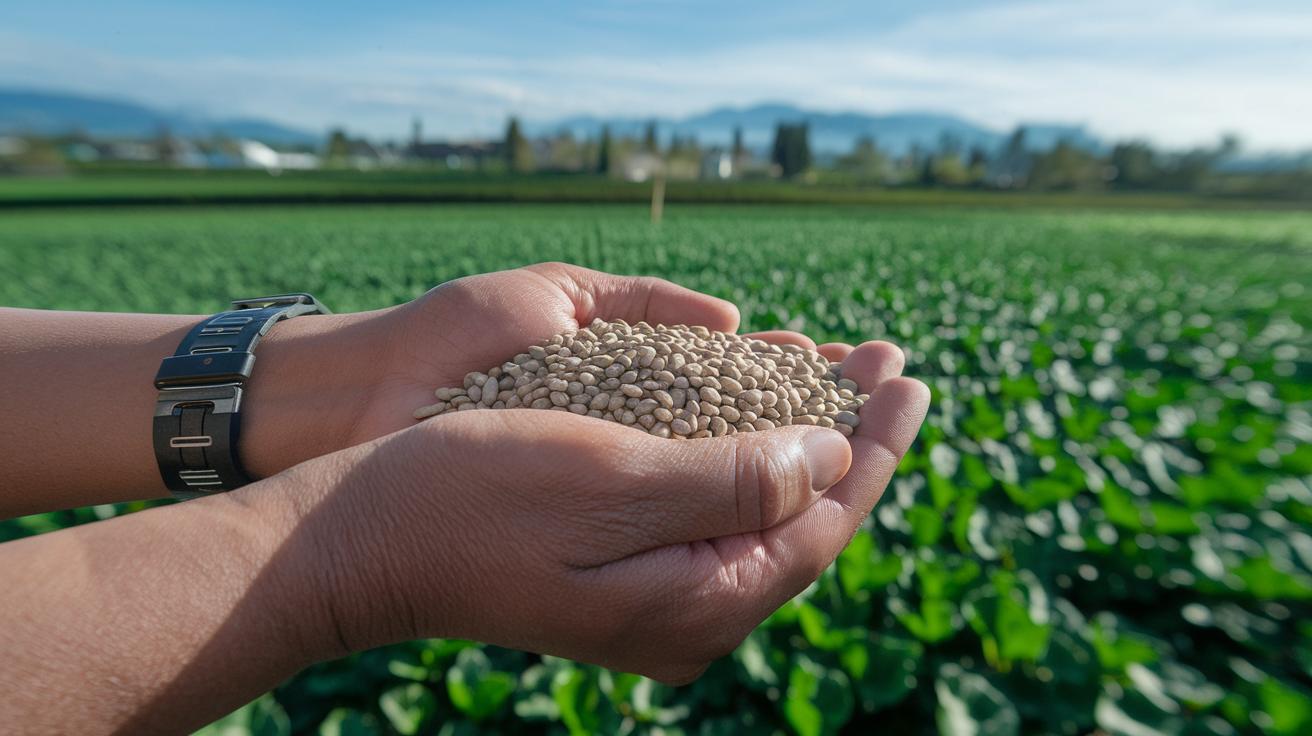
GMOs are living organisms with genes changed in a lab to produce traits that regular breeding just can’t match. When you see a non-GMO label, it means the pet food doesn’t include any of these lab-altered ingredients. Your pet’s meal comes straight from nature without any engineered tweaks.
It’s important to remember that non-GMO doesn’t automatically mean organic. Organic pet food skips not only GMOs but also synthetic pesticides, fertilizers, and hormones, which usually bumps up the price. Non-GMO pet food, on the other hand, avoids only the genetically modified parts, making it a friendly choice for pet parents who want natural nutrition without the extra cost.
Clear labels listing every ingredient give you peace of mind by showing exactly what’s in your pet’s bowl. This full ingredient disclosure lets you confirm that only natural, non-modified options are used, building trust in the quality and safety of the food.
Sourcing and Production of Non-GMO Pet Nutrition Ingredients
Farmers start by handpicking seeds with care. They choose seeds that skip GMOs and synthetic chemicals so nature can do its work. Using sustainable methods, these growers help the seeds thrive naturally without any lab tweaks. This keeps the soil and water clean, a win for both the crops and the furry friends who eventually enjoy them. Every step respects the pure, natural ingredients our pets deserve.
After harvest, processing is just as carefully handled. Facilities stick to strict guidelines that match Non-GMO Project standards, with clear rules and even public feedback at each step. Brands also check their supply chains using ethical practices like regular audits and easy-to-follow FAQs. These measures build a trusted journey from the field right to your pet’s bowl, giving pet parents the confidence they need. For more on this pure sourcing approach, see holistic pet diet formulation explained.
Comparing GMO vs. Non-GMO Ingredients: Health and Safety Insights

Many studies show that lots of pet foods include ingredients that have been changed in labs. Some pet owners worry these lab-made ingredients might work differently in a pet’s tummy, possibly causing digestion changes or other issues. Experts say to be cautious, as early tests hint that these ingredients could sometimes lead to reactions that natural ingredients don’t usually cause.
Research on non-GMO pet foods looks really promising. Foods made without lab-altered parts stick closer to what nature intended, which means they tend to preserve the natural structure of key nutrients (the building blocks pets need). This natural approach makes meals safer and more predictable for our furry friends. Many pet care experts agree that a clear list of natural ingredients can help reduce your pet's exposure to any unwelcome surprises.
Choosing between GMO and non-GMO options often comes down to balancing costs with health benefits. While non-GMO foods might be a bit pricier, many professionals believe that the long-term wins for your pet’s health make it worth the extra expense. By taking a good look at labels and chatting with trusted pet nutrition experts, you can decide on the best food to keep your pet happy and healthy.
Navigating Labels for Non-GMO Ingredients in Pet Food
When you're picking pet food, checking the labels can really make a difference for your furry friend. These labels share not only what’s inside but also a bit about where the ingredients come from, a little peek into the food’s journey. Many pet parents now look for the Butterfly symbol to know the food is non-GMO (made without genetically modified ingredients), which can feel like a reassuring nod. Taking a careful look means you can spot the natural stuff and avoid ingredients that might have been altered in a lab. Honest, clear labels build trust and help you serve meals that you know are good for your pet.
Here are a few tips for your next label check:
- Look for the Non-GMO Project butterfly logo.
- Verify the full ingredient list for common GMO crops like corn and soy.
- Notice if there’s no mention of synthetic fertilizers or additives.
- Check for clear source details (like the farm or region).
- Review the certification body and the date of verification.
Checking labels regularly keeps you in the loop as pet foods continue to evolve. Next time you're shopping, take an extra moment to read the fine print. You'll feel good knowing that every meal you serve comes with a little extra care and confidence.
Practical Tips for Selecting Quality Non-GMO Pet Diets

When you're juggling pet health with your budget, it’s important to pick a food that truly stands out in quality. Think of it like choosing the perfect snack that’s both nutritious and affordable. Tools like the optimal pet nutrition guide can help you find that sweet spot where cost meets expert-approved care.
Here are some friendly tips to guide you:
- Choose brands that are clear about where their ingredients come from.
- Make sure the food has been checked by a trusted third party for non-GMO promises.
- Compare the sources of protein and carbohydrates to see which is best for your pet.
- Look for extra perks like natural vitamins and antioxidants (they help support your pet’s overall health).
- Weigh the cost against the quality of each ingredient.
- Chat with a veterinary nutritionist for advice that fits your pet’s unique needs.
Keep an eye on ingredient labels and lean on expert insight every once in a while. This way, you’ll confidently choose a diet that not only nurtures your pet’s body but also keeps your wallet happy.
Certification Standards for Non-GMO Ingredients in Pet Nutrition
Have you ever wondered how Non-GMO certification really happens? It’s more than a one-time check. Products need to pass tough tests, and brands must reapply every year to keep that trusted butterfly logo. Imagine a brand busy collecting test results, filing in the right paperwork, and then being recertified so they can proudly display the logo.
Clear guidelines set the rules for non-GMO standards so everyone understands what is expected. Pet owners even lend a hand by sharing their thoughts on product performance. And independent audits step in to check that every standard is met without any shortcuts. Think about an auditor carefully reviewing each product to ensure it meets the high-quality mark you depend on for your furry friend.
Future Trends in GMO-Free Pet Nutrition
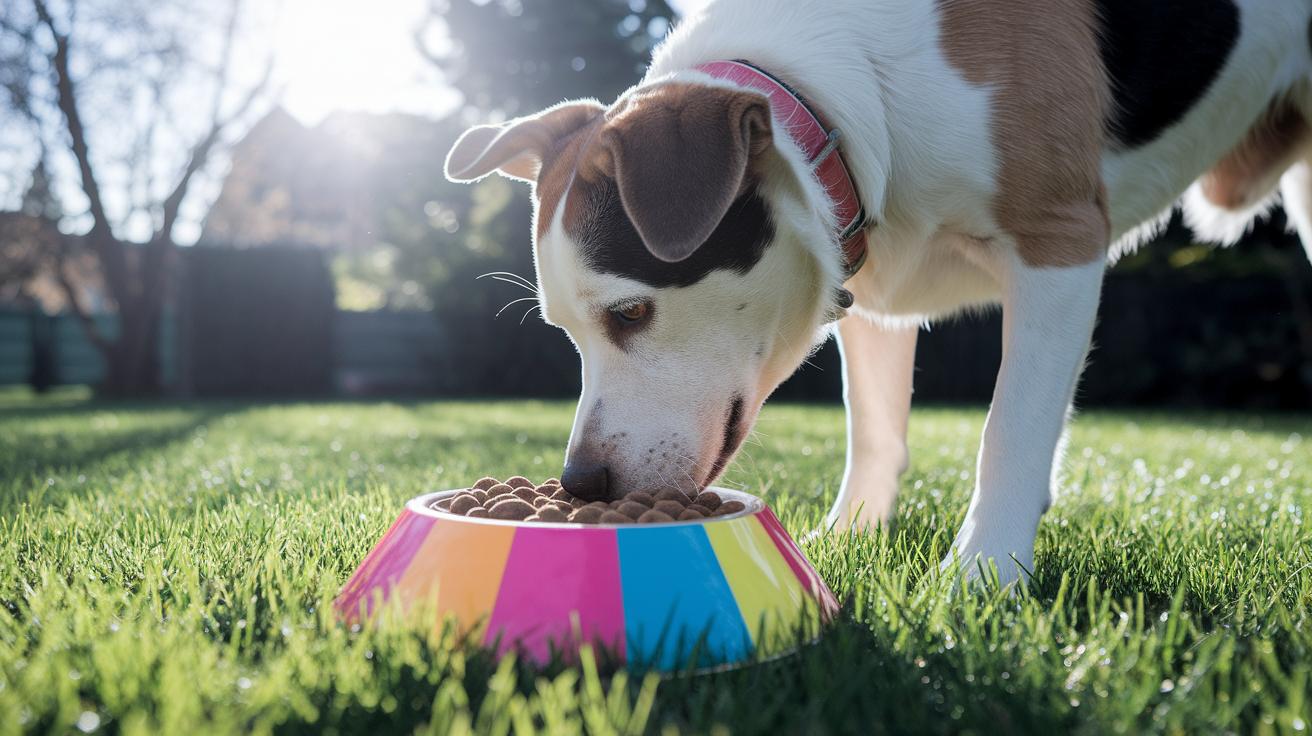
The market for GMO-free pet food is definitely growing. More pet parents are choosing these products because they want the purest, most natural options for their furry companions. New GMO-free snacks and supplements are popping up everywhere, letting you feel like you're giving your pet a meal as fresh as a garden breeze. It's like turning feeding time into a little celebration for both you and your pet.
Looking ahead, experts are excited about some upcoming breakthroughs. Researchers are busy perfecting these clean, clear ingredients (what we like to call keeping things honest), which might even lead to some new guidelines for pet food. In simple terms, your pet is set to have even more high-quality, GMO-free treats available down the road. Isn't it great to know that our pets will continue enjoying foods that match the natural lifestyle we dream of?
Final Words
In the action of exploring pet nutrition, we uncovered how clear labeling and transparent sourcing help you choose non-GMO ingredients in pet nutrition that support your pet’s well-being.
Short recaps remind us that understanding ingredient details makes a real difference. Quality meal choices and clean sourcing are within reach when facts are at your fingertips.
Moving forward, let your pet care decisions shine bright with trustworthy, expert-backed advice and practical tips.
FAQ
Q: What are the best non GMO ingredients in pet nutrition?
A: The best non-GMO ingredients in pet nutrition include whole foods like real meats, organic grains, and fresh vegetables. They provide balanced nutrition while avoiding genetically altered components for a cleaner, healthier diet.
Q: What does non-GMO mean in dog food and what is a non-GMO ingredient?
A: The term non-GMO in dog food signifies that no ingredient has been genetically modified, meaning each component is grown naturally without lab alteration. It offers a purer choice for your pet’s meal.
Q: What should the top 3 ingredients be in dog food?
A: The top three ingredients in dog food typically include high-quality protein sources like real meat, whole grains or vegetables for carbohydrates, and naturally derived fibers to support your pet’s digestion and overall health.
Q: What is GMO in pet food?
A: GMO in pet food means the food contains ingredients whose genetic makeup has been altered using modern lab techniques, rather than traditional breeding methods, which may lead to concerns regarding natural nutrition and safety for pets.
Q: Where can I find Gentle Giants Dog Food, its ingredients, reviews, and feeding guide?
A: The search for Gentle Giants Dog Food often leads to local pet retailers and major outlets like Walmart. Its ingredients emphasize non-GMO, quality nutrition, with reviewers praising balanced recipes and clear feeding guides on packaging.