
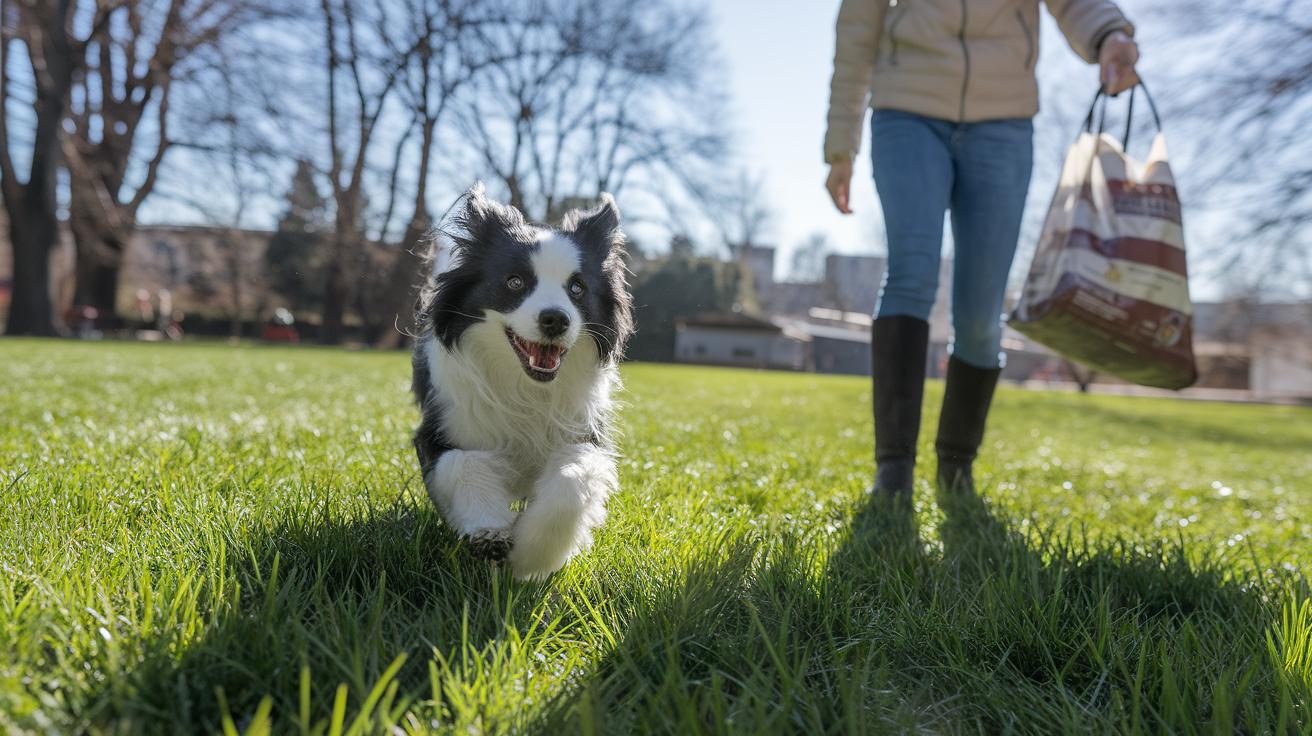
Have you ever noticed how some pets seem to have endless energy while others get tired quickly? Active pets need a little extra fuel to keep up with their busy days. Giving them about 20 to 30 percent more calories is like offering a mini power-up before playtime and a recovery boost afterward. This guide shares easy meal planning tips to help your furry friend stay lively and ready for their next playful burst.
Fueling Active Pets: Caloric Needs and Nutrient Foundations
Active pets need a bit more fuel, about 20 to 30% extra calories, especially when they’re out on long runs, busy with agility training, or diving into extended play sessions. According to the latest AAFCO guidelines, pets get energy from fat (the most calorie-packed source), carbohydrates, and protein. So if your furry friend is always on the go, boosting their usual calories is key to keeping up with their boundless energy.
A handy tip is to break up their daily meals. For instance, offer a small snack 30 to 60 minutes before a lively play burst to give them a quick boost. Then, within an hour after exercise, serve up a larger recovery meal to help restore energy and support muscle repair. Start with the feeding directions on your pet food package, then gradually increase by 10 to 20% based on your pet’s activity level and body condition. Ever noticed how a quick pre-run treat makes their tail wag even faster? It’s like giving them a mini power-up right when they need it most.
A balanced mix of high-quality proteins, complex carbohydrates, and healthy fats is the perfect recipe for fueling an active lifestyle. Keep an eye on your pet by checking that you can see a gentle waistline from above and a slight tuck in their tummy from the side. This way, you can adjust meals as needed. Using a pet-specific calorie calculator or chatting with your vet can also help fine-tune the right balance for your energetic companion.
Macronutrient Essentials for Active Lifestyles in Pet Nutrition
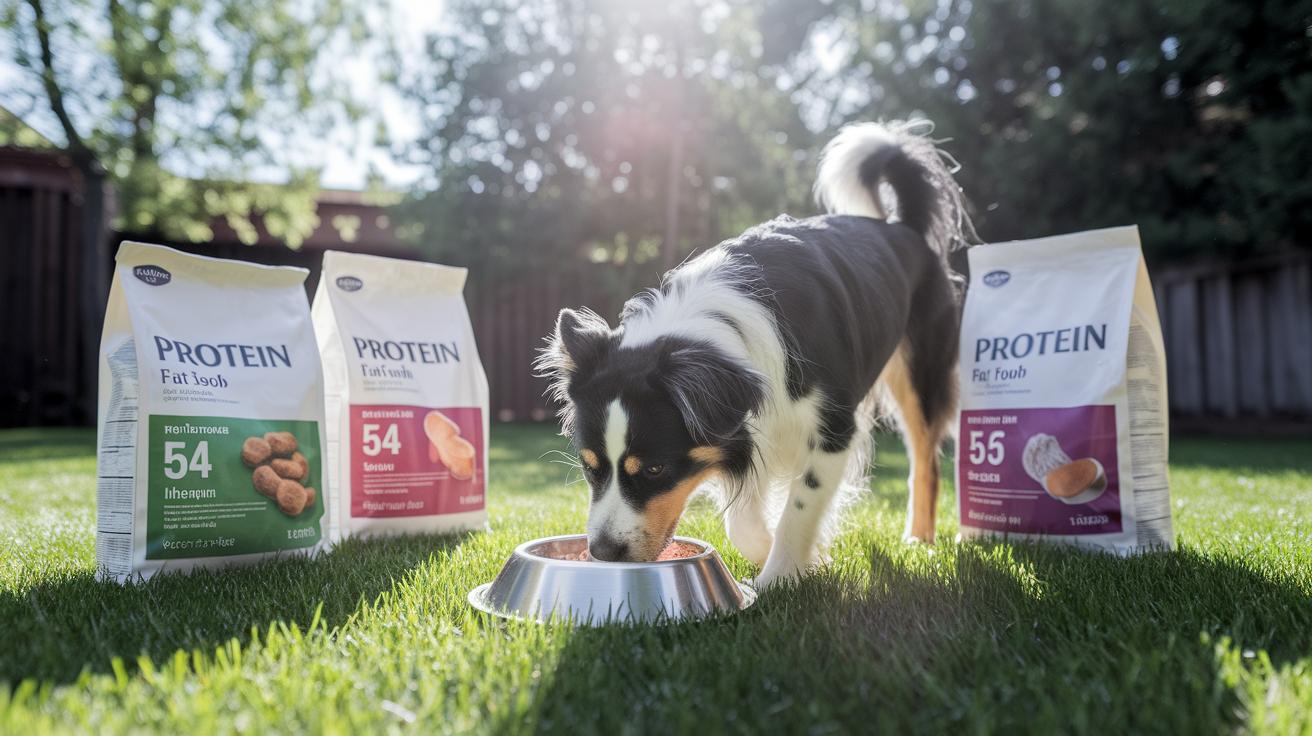
Active pets need meals that really work for them. Their food should include a good mix of protein, fats, and carbs to keep them energized and strong. Think of protein as a little repair crew that helps fix tired muscles after a long play session. Imagine your pup dashing around the park, each joyful jump powered by these protein-packed bites.
Healthy fats are also a star player, making up about 20 to 40% of their calories. These fats help power through long, fun-filled days and keep energy levels steady. Picture a graceful cat moving effortlessly, fueled by the right amount of fats to keep its energy on point. The remaining calories usually come from complex carbs, which help keep blood sugar steady and offer lasting energy for all of your pet’s adventures.
Along with these macronutrients, vitamins and minerals play an important role. Ingredients like omega-3 fatty acids (commonly found in fish oil supplements) quietly work behind the scenes to ease inflammation and support healthy joints. This means your pet stays nimble and ready for action. Adjust these ratios based on how much energy your pet uses during the day, and you’ll be well on your way to the perfect pet nutrition plan.
Meal Timing and Portion Strategies for Sustained Energy in Active Lifestyles
Breaking your pet's daily meals into several smaller ones can help keep their energy steady all day long. Consider giving a little snack about 30 to 60 minutes before playtime, it's like a mini boost that gets them ready to dash around, just like a sprinter off the line.
After a good bout of exercise, try feeding them a bigger meal within an hour. This helps their muscles recover and refuels their energy. Research with active dogs and cats suggests that tweaking portion sizes based on your pet’s shape can really improve performance. Imagine your furry friend eating eagerly after play, recharging like a sportsperson after a hard workout.
If you notice your pet seems a bit leaner or less energetic, try increasing their portions by 10 to 20 percent. It helps to make changes gradually, add a little extra, watch them, and see what works best.
- Pre-activity snack: A small treat to jumpstart energy levels.
- Post-activity meal: A heartier serving to rebuild muscles and restore energy.
And remember, using a pet-specific calorie calculator or having a chat with your vet can help fine-tune these adjustments to perfectly match your pet’s unique needs.
Hydration Strategies in Pet Nutrition for Active Lifestyles
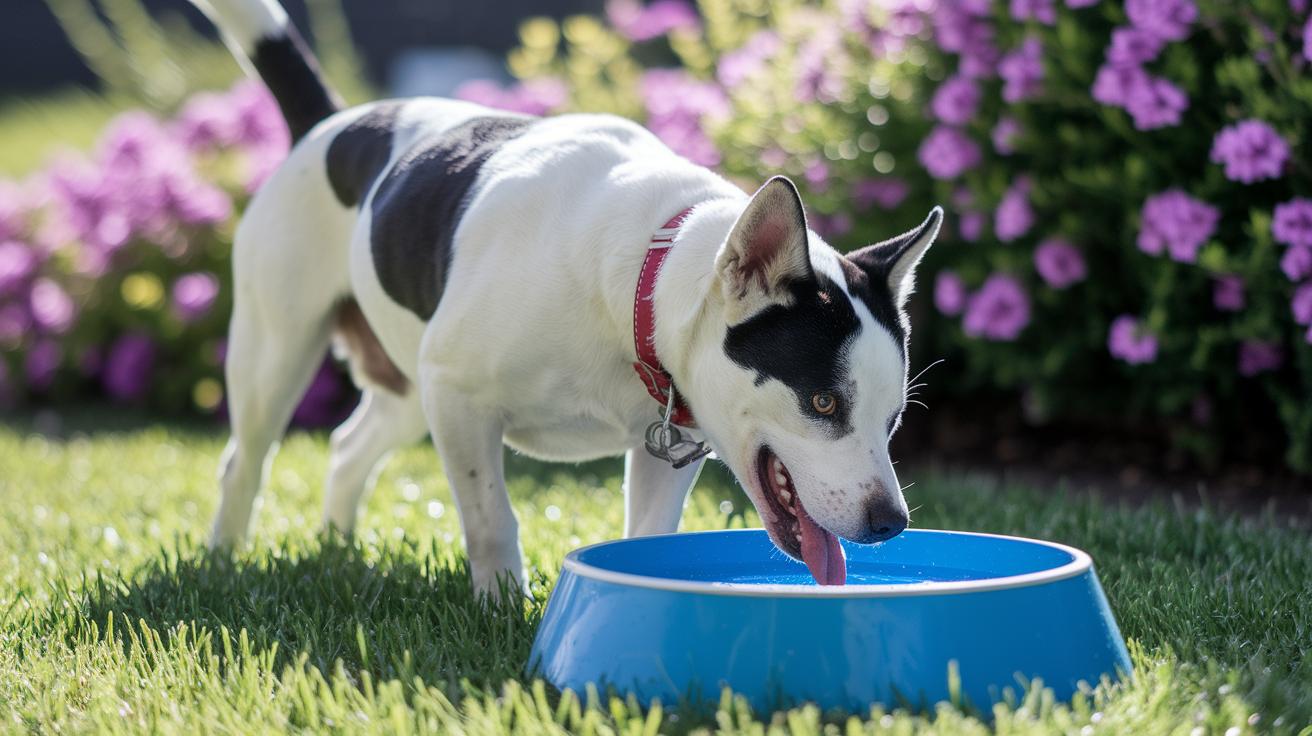
Active pets need fresh, clean water all the time. Picture your pup happily panting after a long, energetic play session. When your furry friend exercises hard for more than 30 minutes, a little bit of electrolyte water (water with extra salts to help with energy) can be a real lifesaver by keeping dehydration at bay and muscles strong.
Keep an eye out for signs your pet is well-hydrated. When you see soft, moist gums and regular bathroom breaks, you're on the right track. But if their gums seem dry or they're taking fewer trips outside, it might be time to check if they’re drinking enough. Hot and sticky days call for extra vigilance, so watch their water intake to help them stay cool and comfy.
Here are some quick tips for keeping your pet hydrated:
- Always place water bowls in spots that are easy to reach.
- During long play sessions, mix in a bit of electrolyte-enhanced water.
- Notice if your pet’s energy dips; it could be a sign they need more water.
| Hydration Tip | Indicator |
|---|---|
| Fresh water always available | Soft, moist gums and regular breaks |
| Electrolyte water for extended activity | Steady energy and lively playtime |
Supplemental and Recovery Nutrition for Active Lifestyles
After an energetic play session, your pet’s muscles could use a little extra help to recover. A meal with about 20–30% protein works like a tiny repair squad, mending muscles so your furry friend stays ready for the next burst of fun. Think of it as a warm, hearty snack that rebuilds strength, much like that satisfying treat after their favorite game.
Healthy fats play a vital role too. Adding 5–8% fats gives your pet slow-burning energy while they rest and repair. Imagine their tail wagging happily as they enjoy a cool drink mixed with a hint of recovery power, it’s like a gentle high-five after a playful day.
Sometimes, extra support can make all the difference. Supplements such as omega-3 fatty acids (good fats for joints and a healthy heart), glucosamine-chondroitin (which helps keep joints moving smoothly), and BCAAs (amino acids that assist in muscle repair) can boost recovery. Start by introducing these new supplements gradually, and always opt for formulas that your vet has given the thumbs up. For example, after an agility session, try offering a small serving and see how your pet responds before increasing the amount.
- Ease into any new supplements gradually.
- Always choose formulas approved by your vet.
- Keep an eye on your pet’s energy and joint comfort post-meal.
Customizing Pet Nutrition for Active Lifestyles by Breed, Age, and Activity

When it comes to your pet’s food, tweaking their diet to match their breed, age, and daily activity can really make a difference. For busy, athletic pets, think herding dogs or energetic retrievers, a diet with about 30 to 40 percent fat gives them the boost they need for playtime and exercise. These hearty meals help repair muscles, keep energy levels up, and support overall strength.
For older pets who are still on the move, small changes like reducing calorie portions and including joint-friendly ingredients can help them stay active and comfortable. Keep an eye on your pet by checking for signs such as a clear waistline from above or a slightly tucked belly, which are simple clues that they’re in shape and happy.
Here are a few tips for personalizing your pet’s meals:
- Keep an eye on specific dietary needs for each breed.
- Adjust food portions as your pet grows and changes in energy.
- Regularly check your pet’s body condition and tweak meals as needed.
If you need more detailed guidance, check out resources like the Holistic Pet Diet and Exercise Synergy. Their advice can help ensure your furry friend enjoys peak performance and a happy, healthy life, one delicious bite at a time.
Comparing Homemade and Commercial Options in Pet Nutrition for Active Lifestyles
When choosing between cooking your pet's meals and buying commercial food, both can keep your furry friend full of energy. Homemade meals let you mix lean meats, whole grains, and fresh veggies into a meal that’s just right for your pet. Imagine stirring up a bowl of turkey, brown rice, and carrots, each spoonful brimming with the goodness needed for a busy day.
Commercial diets like Nature’s Fresh®, Homestyle Creations™, and Fresh Treats are designed to give a balanced mix of nutrients (that means the right vitamins, minerals, and protein for your pet). These foods come with clear instructions on the label. You want to pick ones that list a specific protein at the top of the ingredients and include a nutrient breakdown. Steer clear of meals filled with unnecessary fillers that might not keep up with an active pet.
Here are a few things to think about:
| Homemade Options | Commercial Options |
|---|---|
| You control every ingredient. | Easy meal planning with tested nutrient profiles. |
| Great for customization. | Some even offer travel-friendly packs. |
Both methods have their perks. Adjust the portions to match your pet’s activity, weight, and overall health. Even a small change, like switching between a homemade meal and a commercial treat, might just boost your pet’s energy and playfulness.
Final Words
In the action, we traced each step of feeding active pets, from adjusting calories and balancing proteins, fats, and carbs to smart meal timing and proper hydration. We looked at supplemental options and how individual needs vary by breed, age, and activity levels.
We also compared homemade recipes with quality commercial products, all aimed at boosting pet nutrition for active lifestyles. It’s all about making every feeding moment count for your furry friend’s energy and overall well-being. Enjoy watching your pet thrive!
FAQ
What is best pet nutrition for active lifestyles dog food?
The best nutrition for active pet dog food is a balanced mix of extra calories, protein, healthy fats, and carbohydrates that fuels energetic activities and assists muscle recovery.
What does a dog nutrition chart show?
The dog nutrition chart details recommended calorie intake and macronutrient splits for different sizes, breeds, and activity levels, helping you tailor feeding for optimal performance and health.
How can I create a healthy homemade diet for my dog?
A healthy homemade diet for your dog combines lean meats, whole grains, and veggies in the right portions to meet energy needs and promote a balanced, nutrient-rich meal plan.
What do dog nutrition supplements do?
Dog nutrition supplements support muscle repair, joint health, and overall recovery, especially for active pets, by filling nutrient gaps and boosting performance following intense physical activity.
How do dog nutritional requirements percentages help in planning meals?
Dog nutritional requirements percentages guide you in balancing proteins, fats, and carbohydrates—ensuring your active pet receives the energy for exercise, recovery, and sustained overall health.