
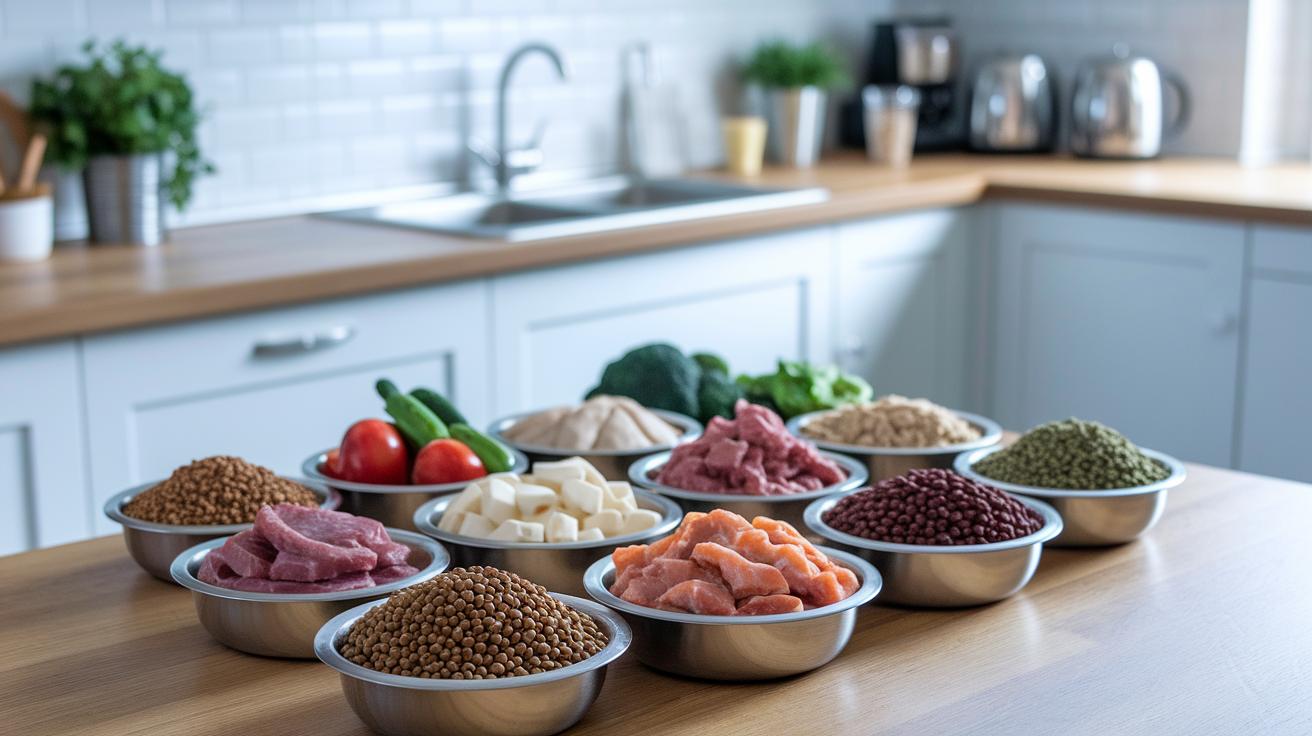
Ever wonder if serving homemade raw meals could put your fur baby at risk? It’s important to handle raw food with care, just like you would with your own meals. A few simple cleaning steps can make a big difference, helping your pet thrive without any unwanted tummy troubles.
Start by washing the food prep area carefully, then wipe down surfaces so harmful germs stay away. And don’t forget proper storage to keep everything fresh and safe. Let’s work together to ensure each meal is a wholesome, safe treat your pet will love.
Essential homemade raw pet food safety tips for contamination prevention
Making raw pet food at home is a bit like handling raw meat for your own dinner. You need to be extra careful to keep any nasty bacteria from causing harm to your loved ones, whether they're people or pets. Treating your pet’s food with the same care sets the stage for a safe, happy, and healthy feeding experience.
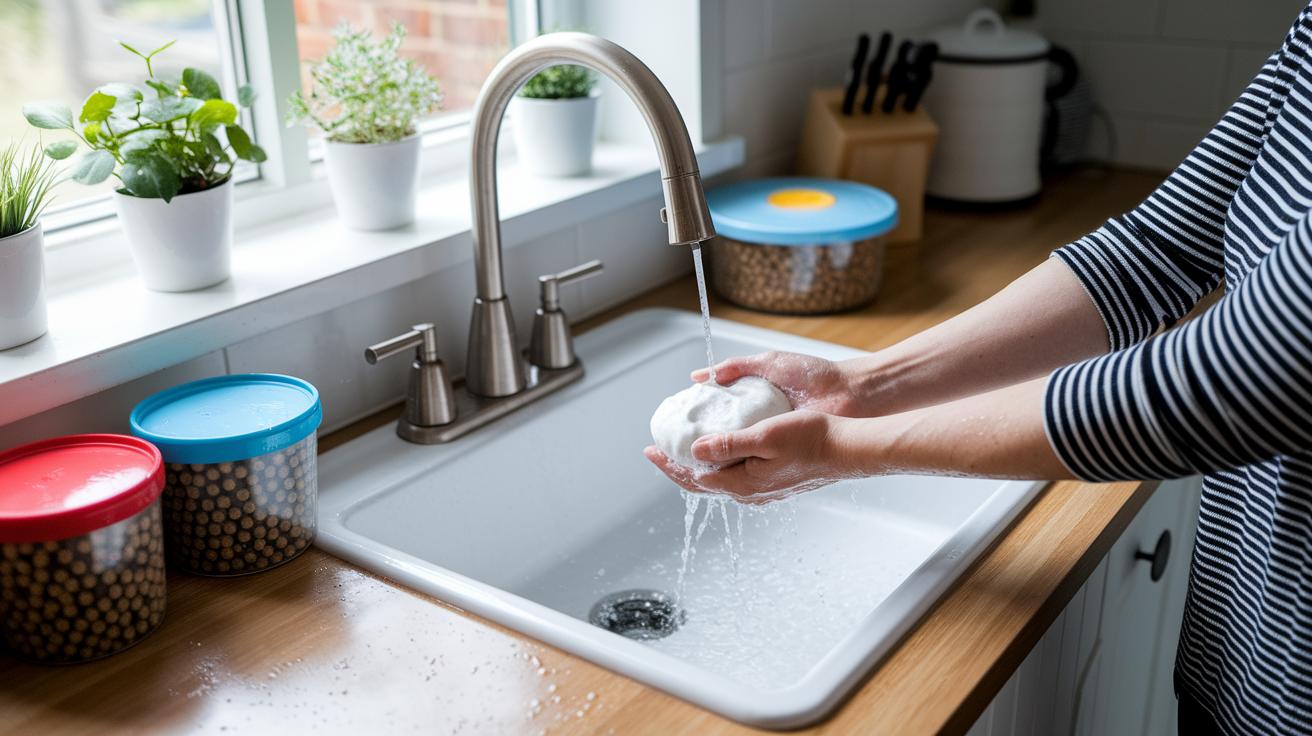
Always start by washing your hands with warm water and soap for at least 20 seconds before and after you handle the food. Imagine scooping out your pet’s meal; take a moment to scrub your hands just as you would before preparing your own food. It really makes a difference.
Next, wash your pet’s dishes every time with hot, soapy water to clear away any leftover food bits. It might sound like a small step, but it keeps things clean and safe.
Dry your surfaces and tools with paper towels. If you’re using cloth towels, switch them out frequently to stop bacteria from building up. This simple habit can help maintain a clean kitchen.
Any food left over should go straight into the fridge at 40°F or lower. This cool environment stops harmful germs from growing. Similarly, keep your freezer at 0°F or below to ensure your pet’s food stays fresh and free from dangerous bacteria.
Following these friendly tips minimizes the risk of contamination from bugs like Salmonella, E. coli, and Listeria. By keeping your kitchen routine simple and consistent, each meal becomes a safe, delicious step toward your pet’s overall wellbeing.
homemade raw pet food hygiene: handwashing and surface sanitation
Handwashing protocol
Before you handle raw pet food, always scrub your hands with warm water and soap for at least 20 seconds. A fun tip is to hum your favorite song to keep track of time. And even if you’re wearing disposable gloves, remember that they’re just an extra barrier, they aren’t a substitute for washing. Once you remove them, wash your hands immediately, just like you’d do after preparing a meal for a close friend.
Surface and utensil sanitation
Clean your kitchen surfaces, like countertops, cutting boards, knives, and pet dishes, with warm, soapy water both before and after use. It’s a good idea to use different cutting boards for raw meat and other foods, keeping the germs from mixing. Dishwashers work well for sanitizing utensils, but when it comes to drying, use paper towels instead of fabric ones, much like drying off a fresh salad quickly and safely.
storage and temperature control in homemade raw pet food safety tips
When you're making raw meals for your pet, storing it right is super important for their health. Keep the food in the fridge at 40°F (4.5°C) or lower because germs can double in just 20 minutes if it gets too warm. Think of it like keeping a crunchy, fresh salad cool so it stays delicious.
Your freezer needs attention too. It should stay at 0°F (-18°C) or below to stop bacteria from growing. Always put your pet's food in its own containers away from our kitchen food. This not only helps prevent cross-contamination but also keeps your pet's meals organized and safe.
Once you thaw the raw food, try to use it up in 48 hours if it's kept in the fridge. If the food is still cool, you can safely refreeze it. It's a lot like handling your leftovers: quick and careful. Also, use a fridge thermometer to keep an eye on the temperature and arrange your containers so it's easy to check.
| Storage Method | Temperature Range | Safe Duration |
|---|---|---|
| Refrigeration | 40°F (4.5°C) or below | Up to 48 hours |
| Freezing | 0°F (-18°C) or below | Long-term storage |
| Thawed Storage | 40°F (4.5°C) or below | Use within 48 hours |
If you follow these steps, your pet's meals will be stored just right, keeping them happy and free from nasty germs.
safe thawing methods for homemade raw pet food safety tips

Refrigerator Thawing
When you’re ready to prepare your pet’s meal, try thawing the raw food in the refrigerator. It’s one of the safest ways to get it ready. Just pop the sealed package on a plate or in a container to catch any drips. This keeps the food cool and steady, well below 40°F (that’s a cool 4.5°C). Remember, food thawed this way should be used within 48 hours, just like how you’d safely defrost something for yourself. It’s a simple method that helps prevent any harmful germs from growing.
Cold Water Thawing
If you’re in a bit of a hurry, you can use the cold water method. First, seal your pet food in a leak-proof bag. Then, place it in a bowl filled with cold water. Make sure to replace the water every 30 minutes so it stays chilly and the temperature doesn’t sneak above 40°F (or slip into the 40°F–140°F danger zone). This steady change keeps the food safe by keeping bacteria in check. And if you notice the food is just slightly thawed but still cold, feel free to tuck it back in the freezer until it’s time for the next meal.
sanitation of utensils and prep areas in homemade raw pet food safety tips
Before you start prepping your pet’s meal, give your kitchen a good, warm clean. Wipe down your countertops, cutting boards, bowls, and utensils with hot, soapy water, or simply use your dishwasher. Think of it like giving your cat’s favorite toy a quick scrub before playtime, making sure everything is fresh and ready.
If you want an extra-deep clean, mix one tablespoon of bleach in a gallon of water. Use this sanitizing solution on surfaces that have touched raw food and let it work its magic. Then, rinse the area thoroughly to wash away any bleach residue. Imagine cleaning a small cutting board: rinse well and dry it with a disposable towel so no traces are left behind.
Once all your surfaces and utensils are cleaned and dried, store your pet prep tools in a special spot away from human food items. Just like keeping a beloved pet toy in its own basket, this little step helps prevent cross-contamination and keeps your kitchen safe and hygienic.
balancing nutrition and safety in homemade raw pet food safety tips

Making raw pet meals at home can be fun and healthy. Start by picking fresh, quality ingredients. Think muscle meat, organ meat, and bone in the right mix for your pet (for example, about 80% muscle, 10% organs, and 10% bone for dogs). Check each ingredient like you would at a local market, look at the color, give it a sniff, and feel its texture.
Using only human-grade protein helps lower the chance of germs. Taking a few extra minutes to choose the best ingredients is like giving your pet a little gift of health. Have you ever noticed how a fresh ingredient can brighten your cooking?
Next, mix your food well so every bite gets the perfect balance of nutrients. You can add a commercial premix or follow guidelines like those from AAFCO (the group that sets basic pet food standards) to meet all vitamin and mineral needs. Stirring the mixture thoroughly makes sure that nothing is missed and every batch is just right.
Finally, keep an eye on the temperature as you prepare each meal. Staying out of that warm danger zone helps prevent bacteria from growing. This careful approach makes sure your pet enjoys meals that are both delicious and safe.
veterinarian-recommended guidelines for homemade raw pet food safety tips
Before you let your pet try a raw food diet, have a chat with your vet. Your veterinarian will look over your pet’s health, diet needs, and any underlying issues before you jump in. This step isn’t just about gathering info; it’s about feeling reassured that your pet’s food is just right for them. Plus, your vet can offer extra suggestions if your pet has allergies or sensitivities, making sure everything stays safe.
When it comes time to switch over, do it slowly, over about 7 to 10 days. Begin by mixing a little raw food into their regular meal and gradually increase the portion. This gradual shift helps your pet’s digestive system adjust while you keep an eye on how they react, noting any changes in their stool or behavior. It’s all about making the change as smooth as possible.
Keep monitoring your pet’s progress closely for a safe and healthy raw diet. It helps to jot down details like ingredient sources and batch dates so you can check the food’s freshness. Regular vet checkups are a great idea too, as they can spot any tummy troubles or nutrient gaps early on. Some vets might even suggest testing for things like Salmonella (a bacteria that can cause illness) to ensure your meals remain safe. Listening to your vet’s tips on managing allergies, adding extra nutrients, and following specific precautions will guide you in keeping your pet’s diet balanced and secure.
Final Words
In the action of putting together safe raw pet food, every step matters. We covered proper handwashing, surface cleaning, careful temperature control, approved thawing methods, and the importance of balanced nutrition with input from a vet.
Taking these homemade raw pet food safety tips to heart means a healthier, happier pet. These guidelines remind us that every detail counts when preparing meals at home. Let’s keep our kitchens clean and our pets safe.
FAQ
What are some homemade raw pet food safety tips for cats and puppies?
Homemade raw food safety for cats and puppies means washing your hands and pet dishware, using separate prep tools, refrigerating leftovers immediately, and keeping cold foods at safe temperatures to reduce bacterial risks.
Why did some pet owners decide to stop feeding raw diets?
Some pet owners stopped feeding raw because they saw risks from bacterial contamination and inconsistent nutritional balance, leading to health concerns for their pets based on personal experience and observed issues.
What scientific research supports a dog raw food diet?
Scientific research on raw dog diets looks at nutrient balance, digestion, and contamination risks. Studies show mixed outcomes, so many experts suggest discussing research findings with your veterinarian for tailored advice.
What do the CDC and FDA say about raw pet food?
The CDC and FDA stress that handling raw pet food requires strict hygiene, proper sanitation, and temperature control. Their guidelines help reduce contamination risks and safeguard both pet and human health.
What are the risks of feeding raw food to dogs, and can it be dangerous?
Raw diets for dogs may expose them to bacteria like Salmonella and E. coli, which can cause serious illness. Strict hygiene and temperature control practices are essential to lower these risks.
What is the 80-10-10 rule for raw dog food?
The 80-10-10 rule means that a balanced raw dog diet should consist of 80% muscle meat, 10% organ meat, and 10% bone, which is designed to provide a balanced mix of nutrients.
How can I make raw food safe for dogs?
To make raw food safe for dogs, wash your hands and utensils, use separate cutting boards, refrigerate leftovers immediately, and follow proper thawing methods to keep bacterial growth in check.
Why do some veterinarians advise against feeding raw?
Some veterinarians recommend caution with raw diets because of the potential for bacterial contamination, nutrient imbalances, and digestive issues. They often suggest gradual transitions and careful hygiene.
What ingredients should be avoided in homemade dog food?
Avoid ingredients that are toxic to dogs such as onions, garlic, grapes, and chocolate. Steering clear of these items helps prevent digestive upset and other health issues in your pet.