
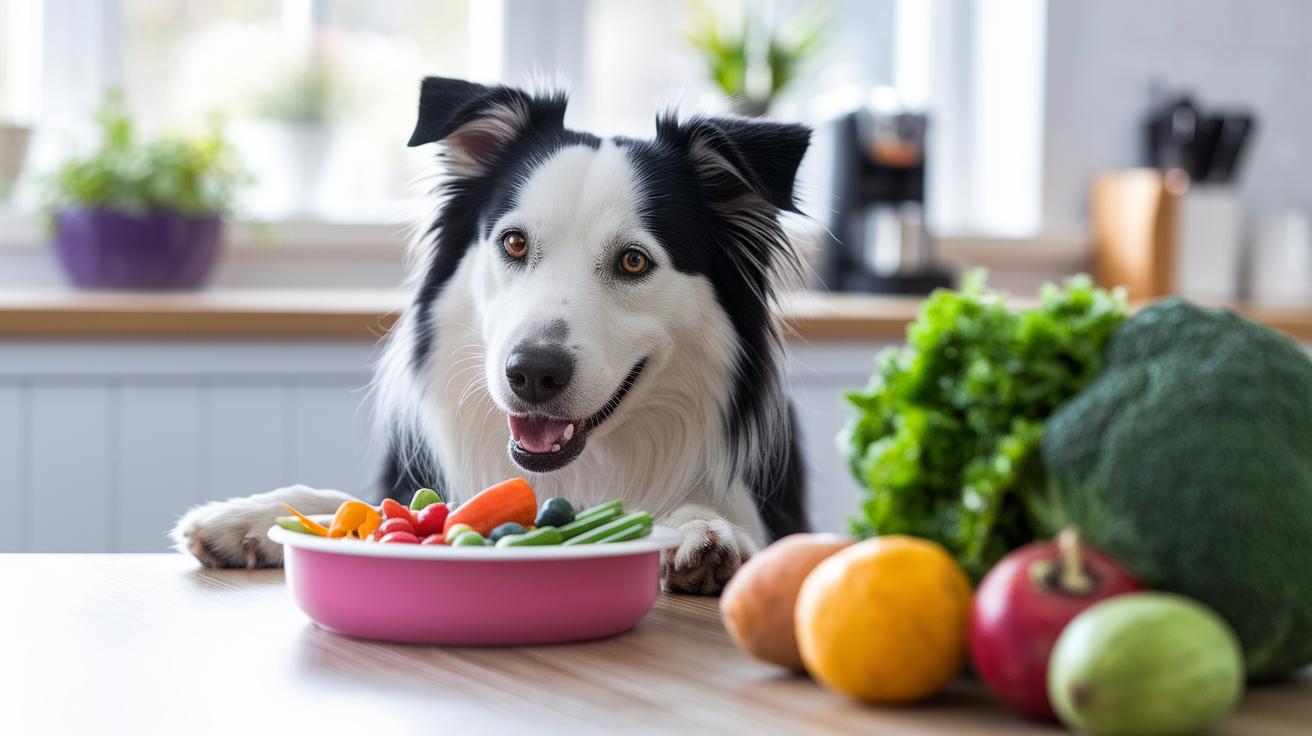
Ever notice your pet’s coat looking a bit dull and its tummy feeling off? It might be a sign that their diet could use a little makeover. Clean eating for pets means serving whole, familiar foods that are simple and nourishing. Picture swapping out those artificial additives for fresh ingredients that help brighten your pet’s coat and soothe an upset stomach. This post shows how a thoughtful, nutritious approach can lift your pet’s health, reminding us that a few mindful changes in meal choices can make a world of difference for your furry friend.
Clean Eating Fundamentals for Pets
Clean eating for pets means serving them real, whole foods that feel familiar to you. It’s like taking the fresh, natural meals you enjoy and sharing that goodness with your furry friends. Instead of offering low-quality proteins, overly processed grains, and foods packed with artificial additives, you pick fresh ingredients that are gentle on their tummies and bursting with nutrients. Imagine preparing a meal using lean meats, crisp vegetables, and whole grains, just like cooking for yourself.
A February 11, 2019 article pointed out how cleaning up a pet’s diet can bring a brighter, shinier coat, healthier skin, and smoother digestion. This approach works for every pet, whether they have special dietary needs or not. In simple terms, using quality ingredients means saying no to fillers and artificial additives that might upset your pet’s stomach or skin.
Here’s a surprising thought: one pet owner shared that before switching to a clean diet, their pet was constantly shedding. But once they made the change, even the dullest coat became vibrant and healthy. Have you ever noticed a simple diet change make a big difference?
Clean Eating for Pets: A Nutritional Approach Uplifts
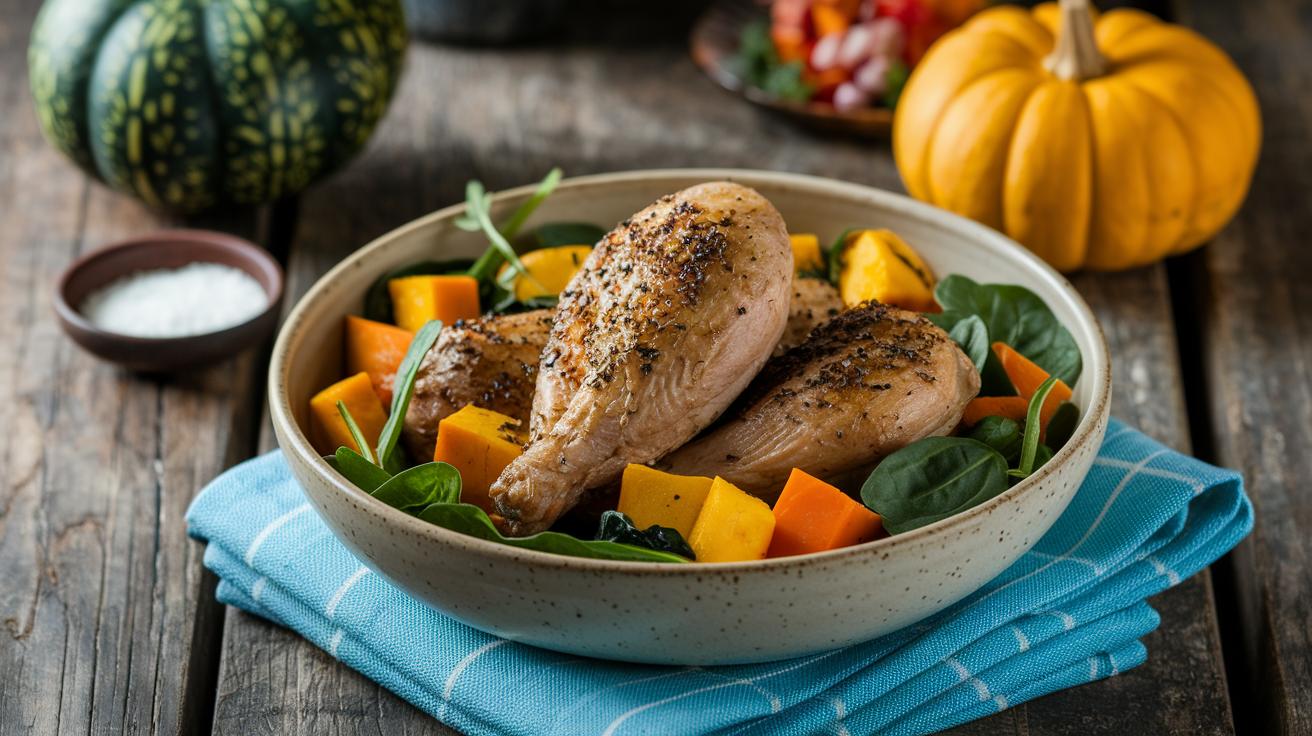
If you're looking to give your pet a clean, healthy diet, start by choosing nature's best ingredients. You want foods that are free of toxins and packed with nutrients to keep your furry friend's tummy happy. Think of it as handpicking items for a special grocery list, each food is chosen for its flavor, health perks, and how easy it is to digest. For example, lean proteins like chicken, turkey, or salmon help build strong muscles while satisfying those natural meat cravings. Imagine the smell of freshly cooked chicken mingling with colorful vegetables, it’s a treat for your senses!
Farm-fresh produce like pumpkin and spinach adds essential vitamins and fiber. You can also boost your pet’s energy with complex carbs such as brown rice or sweet potato. And don’t forget the superfoods, blueberries and turmeric bring natural antioxidants (good for fighting off damage in the body) and help ease inflammation. Just be sure to pick items that are chemical-free and avoid artificial preservatives.
If you decide to include raw foods, simple steps like grinding them up and watching the portion sizes can make a big difference in how well your pet digests and absorbs the nutrients. These little serving tips ensure you’re giving just the right amount based on your pet’s size and needs.
Here’s a quick list of seven essential clean ingredients:
- Lean proteins: chicken, turkey, salmon
- Farm-fresh veggies: pumpkin, spinach
- Complex carbs: brown rice, sweet potato
- Superfoods: blueberries, turmeric
- Probiotic sources: plain yogurt, kefir
- Safe fats: olive oil, fish oil
- Raw feeder tips: grinding and portion control
Trying these wholesome ingredients thoughtfully can really boost your pet’s overall health and happiness.
Balancing Nutrients in a Clean Pet Diet
A clean, balanced pet diet means you’re giving your furry friend everything they need to stay lively and healthy. Think of it like building a foundation with roughly 40-50% protein, 20-30% fat, and 20-30% carbohydrates. This mix helps build strong muscles, keeps energy levels high well into playtime, and supports smooth digestion. In other words, it’s like serving up a bowl full of goodness where bioavailable protein and key vitamins, think vitamin A for bright eyes, B-complex for that extra pep in their step, and omega-3 for a shiny coat, come together to brighten their day.
When it comes to making meals, explore all the options available. Your pet might be a fan of dry kibble, enjoy the texture of wet food, or love a tasty topper mixed in. Imagine stirring in a spoonful of a nutrient-rich topper to add a burst of flavor and a new texture for your pet to savor. And of course, have a friendly chat with your vet to tweak these ratios based on your pet’s breed, age, and overall well-being, kind of like having your very own pet dietician helping tailor meals to make every bite count.
| Pet Type | Protein % | Fat % | Carb % |
|---|---|---|---|
| 20 lb Dog | 45% | 25% | 30% |
| 10 lb Cat | 50% | 20% | 30% |
For more detailed tips on balancing macronutrients, check out the optimal pet nutrition guide. Adjusting each meal with these targets not only boosts overall health but also turns mealtime into a delightful experience that keeps that tail wagging and those purrs coming.
Treating Clean Eating: Clean Treats and Chews for Pets
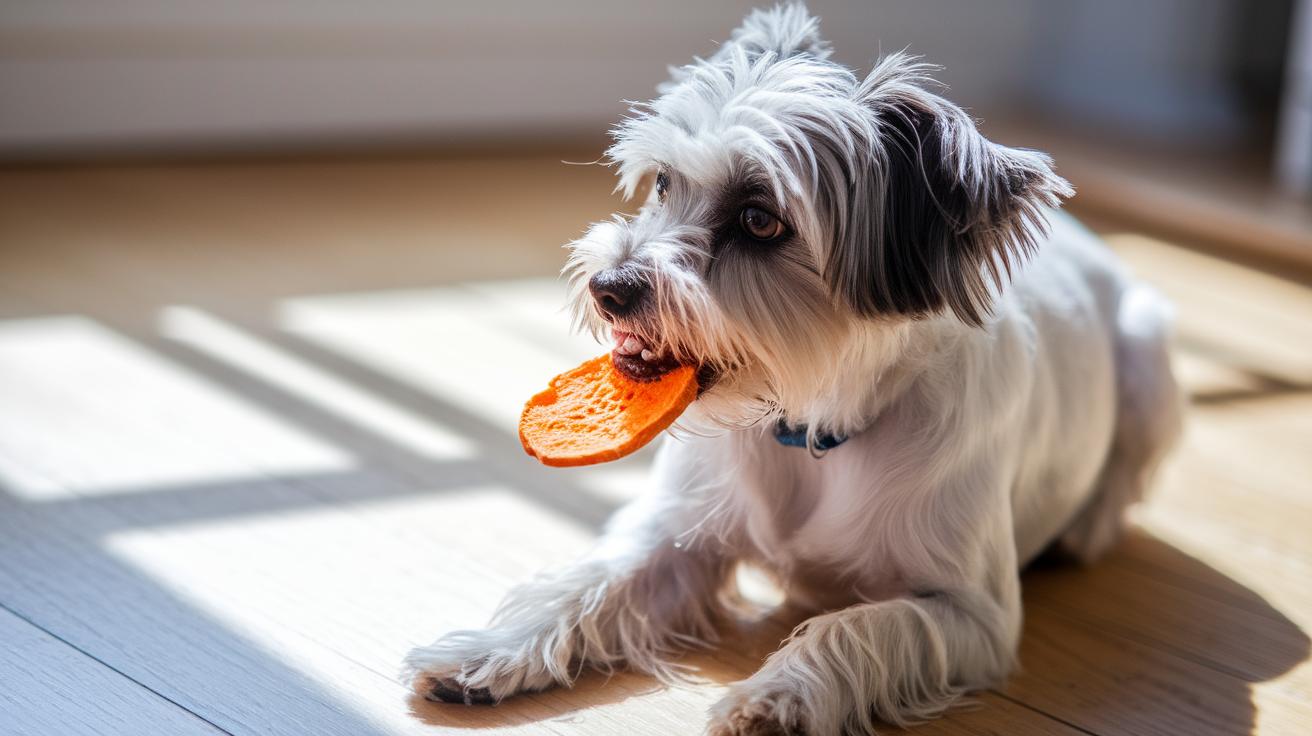
Clean treats do more than just satisfy a little craving. They also give your pet’s diet a healthy boost while keeping things natural and simple. Imagine serving your furry friend dehydrated sweet potato slices, freeze-dried liver bits, or plain yogurt bites that are gentle on their tummy because they lack any artificial additives. These snacks bring out natural flavors and pack in the nutrients your pet needs.
Healthy chews make a big difference too. Options like antler chews or rawhide alternatives help clean teeth and strengthen the jaw. Chewing isn’t just about the taste, it also provides fun mental stimulation that keeps your pet engaged. Think of it as a playful workout for their mouth!
Here’s a quick list of clean snack ideas:
- Dehydrated sweet potato slices for a naturally sweet crunch.
- Freeze-dried liver pieces with a rich, savory flavor.
- Plain yogurt bites that offer a touch of tang and extra protein.
I once heard a pet parent share, "Switching to these clean treats brightened my dog’s coat and boosted his energy during play." Using clean treats like these can turn snack time into an essential part of your pet’s healthy eating routine.
Transitioning Pets to a Clean Eating Regimen
Begin by gently mixing the clean diet into your pet's usual meals. From days 1 to 3, add just a small amount, about 25% clean food with 75% of their regular meal. This soft introduction helps their little tummies adjust, almost like easing into a new TV show without a sudden switch.
Between days 4 and 6, blend it evenly: half clean food and half the old meal. This mix gives your pet a taste of the better ingredients without feeling too overwhelming. It’s a bit like trying a new ice cream flavor gradually to see if it’s a match.
For days 7 to 9, increase the clean food to 75% while letting the familiar meal take just a 25% portion. By now, you’re likely to see them enjoying the new flavors, a sign that their system is getting used to the change.
On day 10, it’s time for 100% clean meals. Keep an eye on their stool, energy, and shiny coat. If you notice any changes or if something feels off, don’t hesitate to have a chat with your vet to adjust the plan.
A slow and steady change makes mealtime a stress-free bonding time for you and your pet. Enjoy the journey together!
Meal Planning and Recipe Guide for Clean Eating Pets
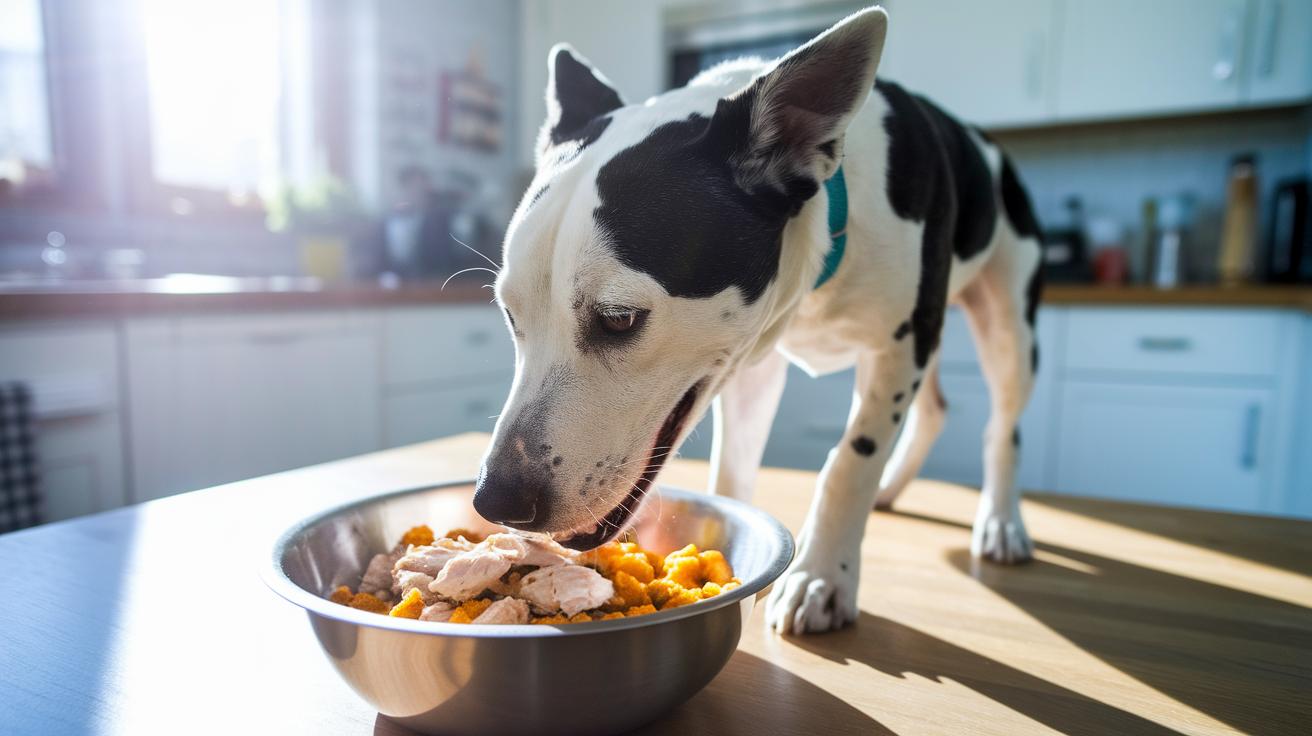
If you enjoy meals that highlight fresh, natural ingredients, you might love planning your pet's weekly menu. Start your week with dishes that are both healthy and fun to prepare. For example, on Monday, mix tender chicken with sweet pumpkin. Use about half a cup for every 10 pounds of your pet’s weight. Chicken gives lean protein, while pumpkin brings fiber and vitamins, making it feel like a little treat.
Come Wednesday, keep things interesting with salmon and spinach. Serve about a third of a cup for every 10 pounds. Salmon is full of healthy fats (omega-3 fatty acids) that help keep your pet's coat shiny, and spinach offers antioxidants to support their well-being. It’s a light yet nutrient-packed option that brightens up the midweek routine.
By Friday, try a hearty blend of beef and carrot. Again, use roughly half a cup per 10 pounds. Beef is rich in protein and brings a robust flavor, while carrots add a satisfying crunch and important vitamins to help keep your pet healthy.
Here’s a simple guide:
- Monday: Chicken and pumpkin at half a cup per 10 lb
- Wednesday: Salmon and spinach at a third cup per 10 lb
- Friday: Beef and carrot at half a cup per 10 lb
On a quiet day, cook these meals in batches and divide them into small trays for freezing. Freezing locks in the freshness and saves you from cooking every day. Rotating proteins keeps mealtime exciting and gives your pet a variety of nutrients, making every bite both tasty and cost-efficient. Enjoy creating these homemade dishes and feel free to mix in seasonal produce to keep things fun and flexible.
Final Words
In the action of choosing a healthier path for our pets, this article covered essential tips, from selecting wholesome ingredients like lean proteins and farm-fresh veggies to balancing nutrients for tailored pet diets. We walked through safe treat choices, gradual transitioning methods, and practical meal planning ideas. All these steps work together for clean eating for pets: a nutritional approach that nurtures their health, energy, and happiness. Embracing these practices can brighten your pet's day and lead to a thriving, joyful life.
FAQ
What does VCA dog nutrition mean?
VCA dog nutrition refers to dietary guidelines promoted by VCA Animal Hospitals, focusing on balanced nutrients from quality ingredients that support a dog’s overall health and well-being.
What are VCA dog food recommendations?
VCA dog food recommendations emphasize feeding balanced meals that include lean proteins, fresh produce, and natural, whole foods to keep your pet healthy and satisfied.
What is the 80 20 rule for clean eating?
The 80 20 rule for clean eating means feeding your pet about 80% of their diet with whole, minimally processed foods while allowing roughly 20% for additional variety or treats.
What is the healthiest diet to feed your dog?
The healthiest diet to feed your dog combines lean proteins, farm-fresh vegetables, and simple whole grains, avoiding low-quality ingredients and additives to support strong skin, coat, and digestion.
Are potatoes part of clean eating?
Including potatoes in clean eating is acceptable when they’re served plain and in moderation as a natural source of carbohydrates, avoiding processed flavors or excess additives.
Do vets recommend JustFoodForDogs?
Many vets appreciate JustFoodForDogs for its commitment to preparing meals from whole, natural ingredients, though they suggest discussing your pet’s unique needs with your veterinarian for the best diet choice.