
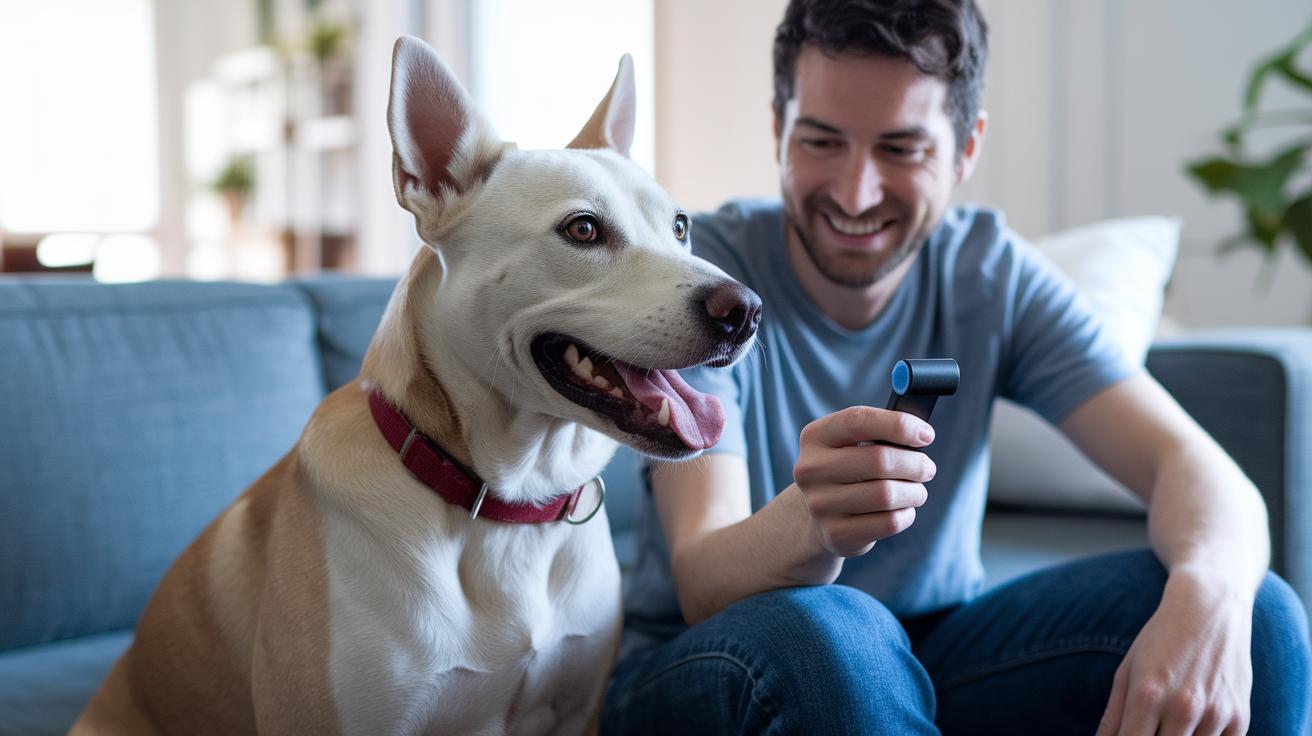
Have you ever wondered how one little click can change your pet's behavior? Imagine your furry friend getting excited at that happy sound, almost like a little burst of fun. Clicker training uses that clear signal paired with a tasty treat (that’s a reward your pet loves) to make learning feel more like a game. It helps build your pet's confidence and creates a special bond between you two. In this chat, we'll look at how a few quick clicks can boost your pet's learning and communication, making every training session a joyful celebration.
advantages of clicker training for pets: Spark Joy
Clicker training is a fun, simple way to teach your pet. When your furry friend does something right, you make a click sound and follow it up with a treat, a little reward that tells them, "Great job!" It’s like a secret code that shows your pet exactly what you’re looking for, without any guessing. Think of the happy buzz when a pup hears that little click and eagerly waits for their treat.
This method turns every training session into a boost of confidence for your pet. Whether you’re working with a playful puppy, a curious cat, or even a small critter, the click paired with a treat makes the idea of learning feel safe and fun. As your pet starts to see that link between their action and the reward, they grow more self-assured and excited about learning.
Plus, clicker training makes your time together interactive and full of joy. Imagine your pet tuning in, happily anticipating that familiar click because they know something good is coming next. It's not just about teaching tricks; it builds a warm, clear connection between you and your pet, turning daily training into a really rewarding part of your day.
How clicker training accelerates pet learning and communication
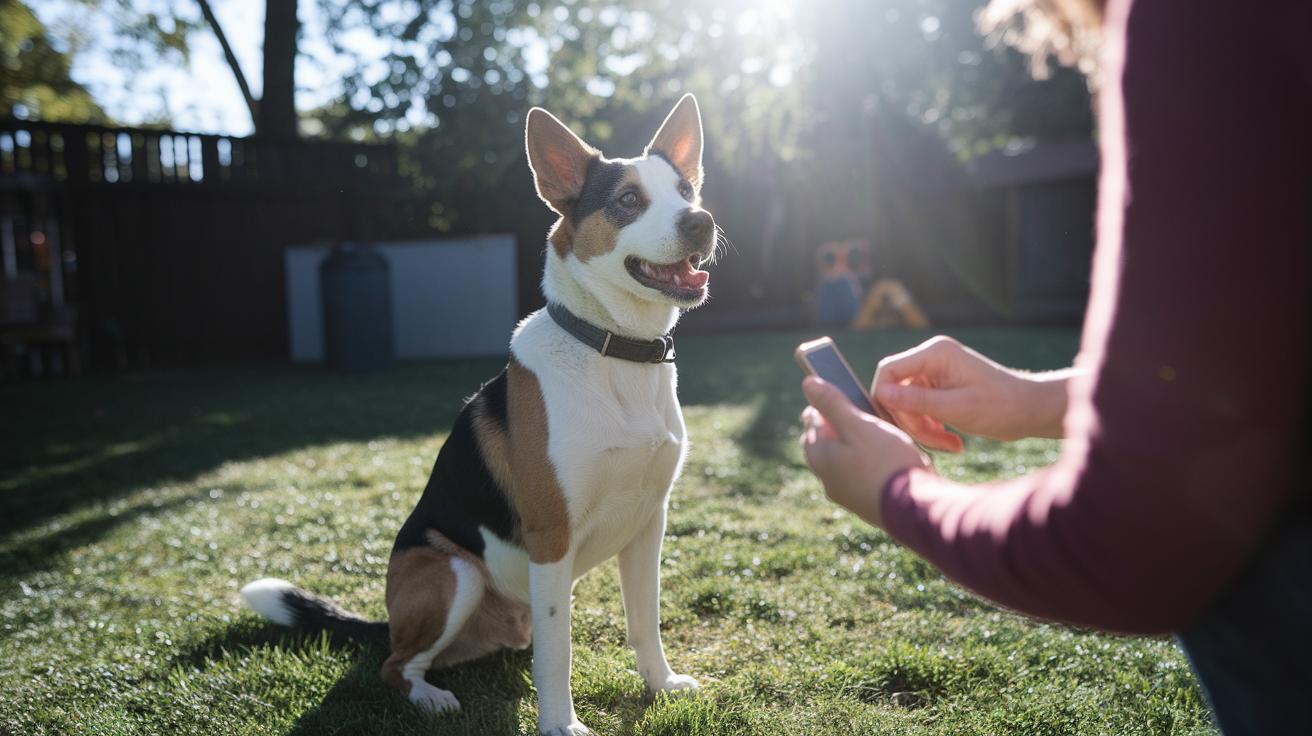
Clicker training builds a clear link between a sound and a treat, so your pet quickly learns which action brings a reward. In just a few minutes a day, your furry friend starts to understand that the click means something good is coming. This kind of clear communication gets your pet responding faster and makes training sessions fun.
Start by holding the clicker and a treat in hand. Then, click when your pet does what you like. Right away, give a treat. Next, slowly ask a bit more before clicking and rewarding. Finally, ease out the clicker and switch to simple verbal commands.
This method helps your pet pick up on cues without any guesswork. Each short and lively session builds a stronger bond and boosts your pet's confidence. Have you ever noticed how that friendly click can brighten your pet's day? It's a small sound that creates a big connection between you and your companion.
Research-backed advantages of clicker training for pets
Dog Smart: Evidence-based Training with The Science Dog, published in 2018, gives us a friendly look into the science behind clicker training. This study used trusted, peer-reviewed research to show that pairing a clear, crisp click with a pet's good behavior helps create a strong memory link. Researchers found that animals remember these click-marked moments more clearly than when they only hear verbal praise. For example, one study showed that a steady click can reinforce timing, making training more reliable and fun.
Science Dog Courses build on this solid research by offering a Master Class Certificate in Canine Nutrition that blends practical training with scientific know-how (the science behind healthy pet nutrition). Their courses mix hands-on learning with research-backed techniques to show that using devices and clear signals really helps pets learn and stay engaged. In everyday training, a simple click followed by a treat not only boosts your pet's problem-solving skills but also brings you two closer together. Have you ever seen a pup's ears perk up at that familiar sound? It’s a straightforward and proven way to make learning and communication more enjoyable.
Positive reinforcement: practical advantages of clicker training for pets
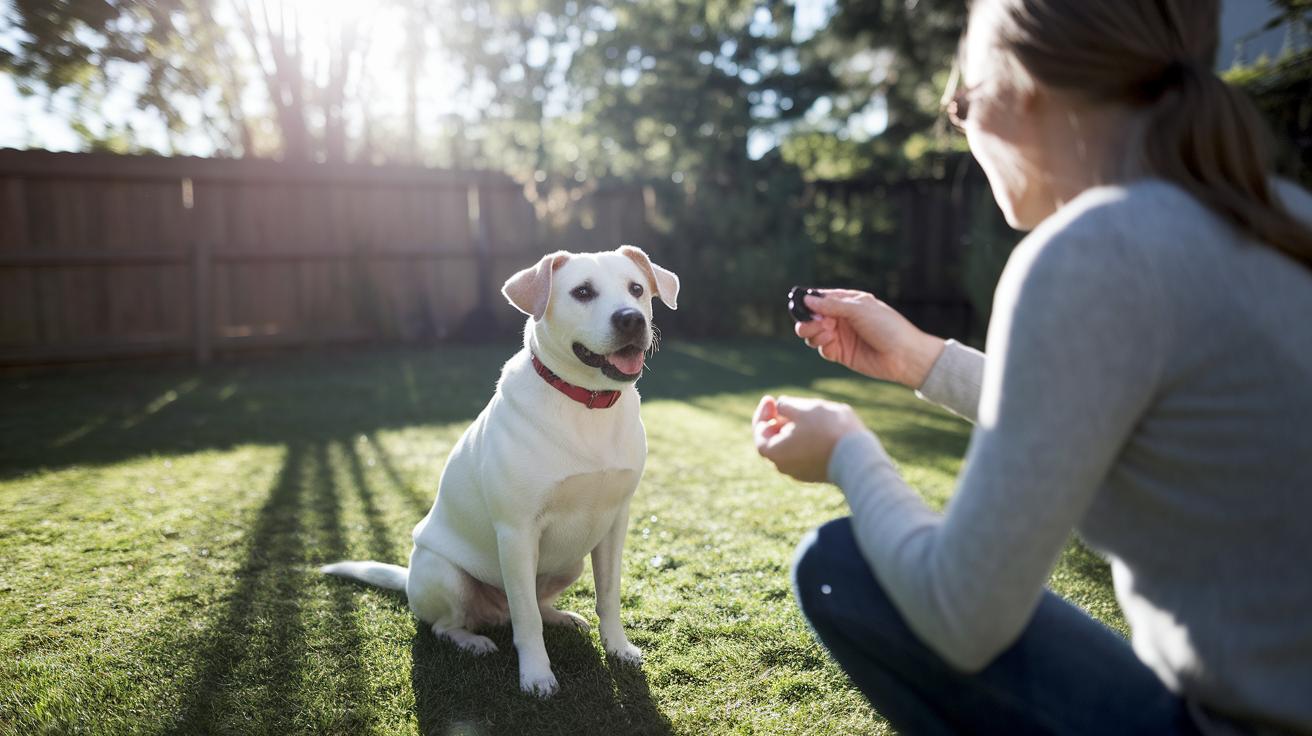
Clicker training is all about using a special sound that tells your pet they did something right, creating a peaceful, no-pressure learning moment. For example, when your pet hears that crisp click, a simple, clear cue that something good just happened, they immediately relax and gear up for a treat.
Regular clicker sessions turn into little bonding breaks that build trust between you and your companion. That familiar click paired with a tasty reward can brighten both your days and deepen your mutual understanding.
By providing consistent rewards, you encourage your pet to try new behaviors and form positive habits. Imagine watching your dog repeat a fun trick, motivated by that distinct sound and a well-deserved treat, all while boosting its confidence and problem-solving skills.
Advantages of clicker training for pets versus conventional training methods
Clicker training uses a small, clear sound as a friendly signal to mark good behavior. This simple click helps pets know exactly when they do something right, making it easier for them to learn. I’ve seen how a positive sound can calm a pet’s nerves and bring a smile to your face.
Traditional training methods often use punishment or verbal corrections. When timing isn’t perfect, these can leave pets confused or stressed. Clicker training, on the other hand, focuses on clear, positive markers that gently guide your pet toward good behavior.
Take a look at this table to see the difference:
| Training Method | Marker Type | Stress Level | Learning Speed | Bond Impact |
|---|---|---|---|---|
| Clicker Training | Clear, positive click | Low | Fast | Strong |
| Traditional Methods | Corrective measures | High | Slow | Weaker |
This table makes it clear that a precise click not only lowers stress levels and speeds up learning but also strengthens the bond between pet and owner. With consistent, upbeat signals, your pet gets an easy-to-follow message that makes training a rewarding experience for you both.
Maximizing advantages of clicker training for pets: tips and best practices
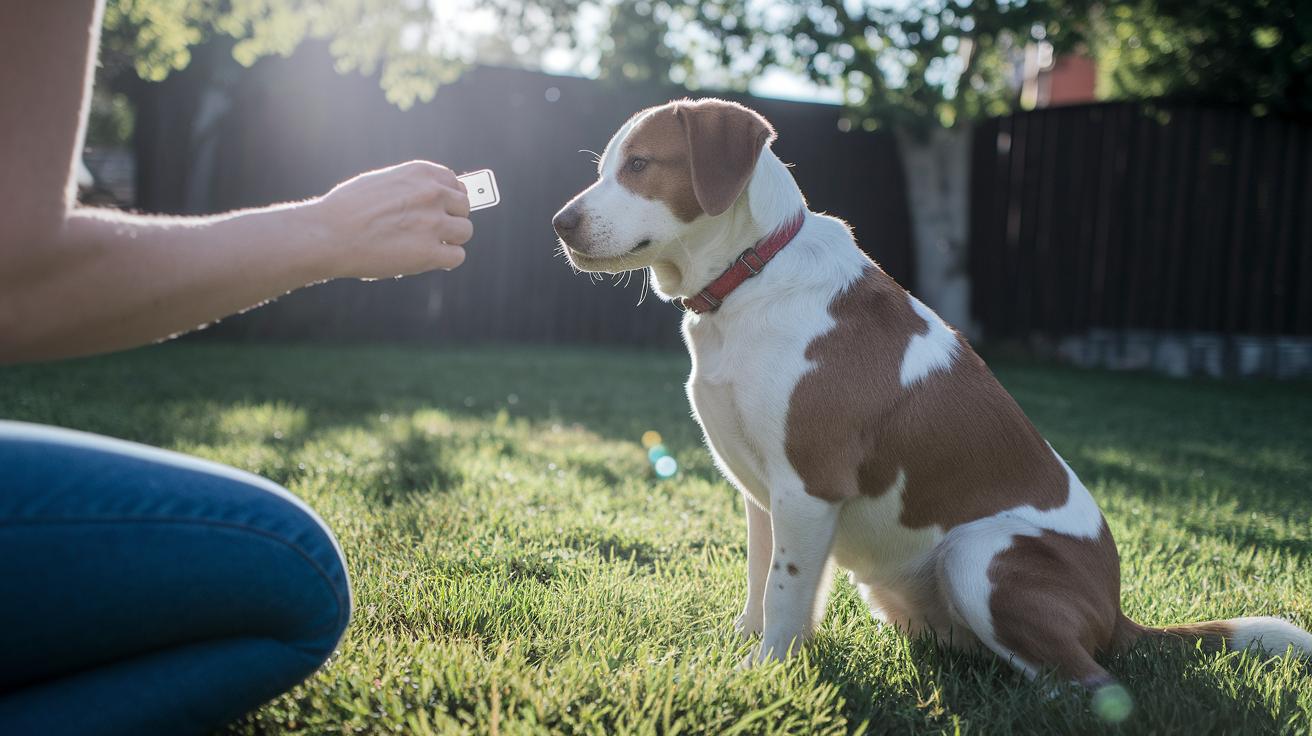
Timing is everything when you're clicker training your pet. Click right after your pet does something you like, ideally within half a second, so they quickly connect the sound with the action. Always follow up the click with a treat. This clear pairing helps your furry friend understand that their good behavior earns a reward.
Starting out can feel a bit tricky. You might find yourself clicking at the wrong moment or getting distracted. Try keeping sessions short and at regular times to hold your pet's attention. If you're feeling uneasy, consider asking a professional trainer or checking out local pet classes. Their guidance can really boost your confidence and make home training much more fun.
Plan each session with a simple step-by-step routine. Begin with three- to five-minute sessions daily. As your pet masters a command, you can slowly extend the training time. Start with easy behaviors and then add more challenging ones as your pet improves. This steady approach not only keeps your pet engaged but also builds lasting skills with every click.
Final Words
In the action of exploring clicker training, the article highlighted its core benefits, like aiding clear communication and building confidence.
We recapped how this method adapts to diverse pets and creates fun, engaging, and stress-free sessions for both pet and owner.
The discussion, along with research-backed results and practical tips, shows that the advantages of clicker training for pets really shine in promoting faster learning and a happy pet life.
FAQ
What are the benefits and advantages of clicker training for pets?
The benefits of clicker training for pets include clear communication, fast learning, and boosted confidence. The method uses a distinct click sound to mark desired behaviors immediately followed by rewards.
Why do some people say clicker training is bad or have downsides?
Concerns arise when the click and treat timing is off, which can confuse pets. Some trainers also find handling the click-treat sequence more challenging than traditional methods.
What is clicker training for humans?
Clicker training for humans involves using a sound marker to reinforce positive actions. Although inspired by pet training techniques, it is not commonly accepted as a mainstream training method for people.
What is a dog clicker, and how do you use one for dog training?
A dog clicker is a small device that emits a clear sound to signal correct actions in training. Use it immediately when your dog performs a desired behavior, then offer a reward. Select a durable clicker that feels easy to press.
Is it better to train a dog with a clicker?
Using a clicker helps deliver clear, consistent cues that many pet owners appreciate for speeding up learning and enhancing focus during training sessions.
What is the science behind clicker training?
Research shows that pairing a click with a treat creates a strong cause-and-effect bond. This clear signal reinforces pet behavior, improving memory retention and speeding up the learning process.