

Have you ever wondered if your pet might be happier than just after routine vet visits? Integrative pet mental health care mixes modern treatments with gentle, natural remedies to ease stress and bring on a calm feeling. It pairs regular check-ups with ideas like acupuncture, herbal remedies, and food therapy (using food to boost overall health) that help both body and mind. It’s like giving your pet an extra dose of tender care to make them feel peaceful and strong. Even when life gets busy, this caring blend helps your furry friend really thrive.
Understanding Integrative Pet Mental Health Care
Integrative pet mental health care mixes regular vet care with natural therapies to keep your pet happy and healthy in both body and mind. It blends the usual check-ups and medicines with gentle options like acupuncture, herbal remedies (using herbs to support natural healing) and food therapy (adding extra nutrition in fun ways). All these treatments work together to ease anxiety, reduce pain and bring on a soothing calm.
This caring approach helps you lower your pet's stress while boosting their energy. It often uses natural calming techniques and gentle treatments alongside modern vet practices. When these methods join forces, they don’t just ease discomfort, they help strengthen your pet's mental resilience too. Ultimately, this balanced care gives your furry friend the support they need to live a joyful, well-rounded life every day.
Core Physical and Mind-Body Therapies for Pet Mental Health Care
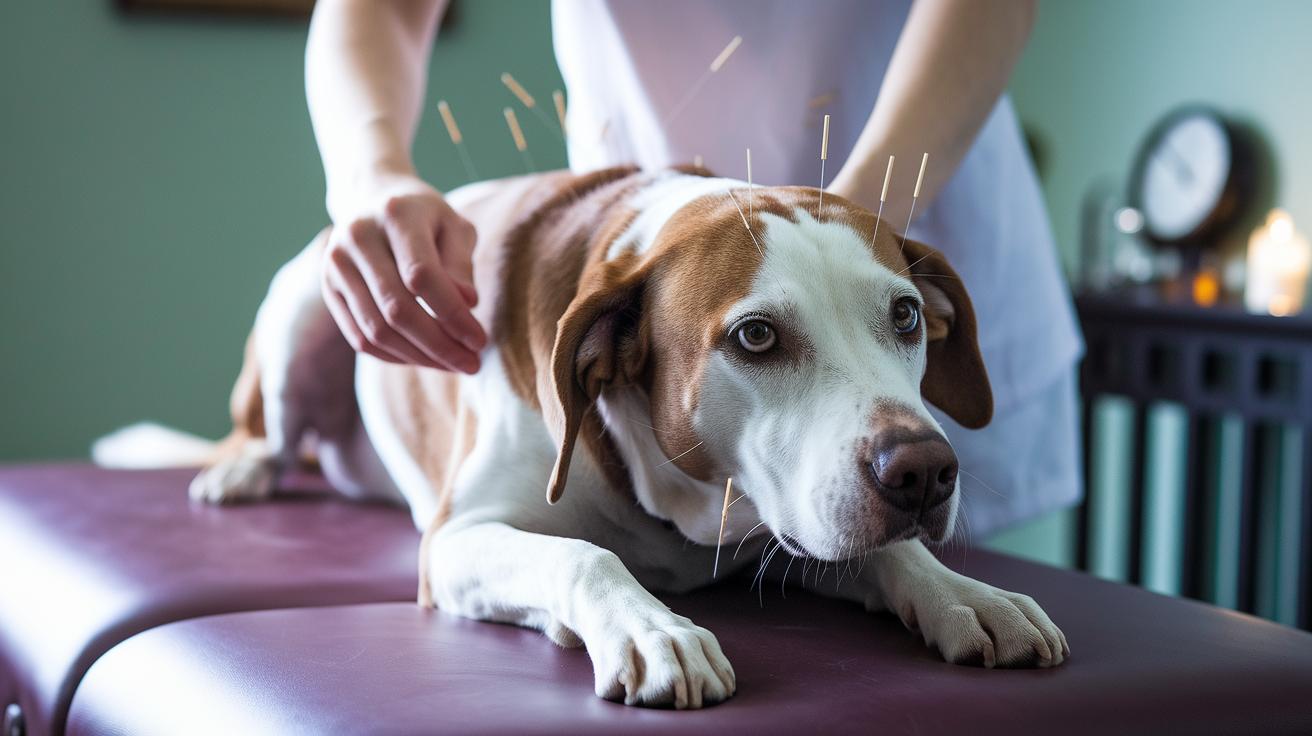
When it comes to helping your pet feel their best, a mix of gentle, hands-on therapies can work wonders. You're not just easing stress; you're sparking a natural lift in your furry friend's mood. Acupuncture uses tiny needles placed at just the right spots to trigger feel-good chemicals. This simple touch can help relax an anxious pet and bring a sense of calm. And then there's electroacupuncture, which adds a soft electrical current to those needles, imagine a little spark of relief, kind of like a cool breeze on a hot day.
Laser therapy is another kind, using low-level lasers to target specific areas. This gentle method speeds up healing and prompts your pet's body to release endorphins (natural chemicals that ease pain and boost mood), much like hearing the soft purr of a content cat on a lazy afternoon. Herbal medicine also plays its part. With ingredients like turmeric, echinacea, and milk thistle, these botanicals support the immune system and help ease inflammation, quietly boosting your pet's overall vitality.
Nutritional therapies round out this caring approach. Food therapy involves crafting a balanced meal plan (think of it as a recipe packed with exactly what your pet needs) based on lab data. It’s a thoughtful meal that nourishes both the body and mind. And don’t forget the healing power of touch, a gentle massage paired with aromatherapy can reduce muscle tension and improve circulation. Picture a warm, comforting hug; that’s the kind of relief this combo offers, letting both body and mind relax and rejuvenate.
Mindfulness Training and Behavior Modification Exercises
Mindfulness training and behavior modification are all about helping your pet build mental strength through calm, focused activities. These exercises gently guide your pet to notice and manage stress, like taking a quiet break during a busy day.
- Focused breathing routines: Encourage slow, deep breaths while gently petting your furry friend.
- Tactile enrichment: Introduce a variety of textures for your pet to explore with their paws.
- Guided play: Engage in structured games that mix movement with fun mental challenges.
- Scent-tracking games: Let your pet use their amazing sense of smell to find hidden treats.
- Calm-cue training: Teach a specific cue word that signals it’s time to relax and unwind.
These practices help soothe anxious pets while building a strong, balanced mental outlook. By combining physical therapies with mindfulness exercises, you create a nurturing environment where your pet can grow resilient and joyful every single day.
Animal Behavior Therapy Methods in Integrative Pet Mental Health Care
When you begin behavior therapy with your pet, take it slow and add one gentle step at a time. Start by honing in on one method, say, counter-conditioning. With counter-conditioning, your pet learns to build happy associations when faced with stress. Imagine a nervous dog hearing a doorbell and soon feeling calm and relaxed instead of scared.
Another helpful method is desensitization. This means exposing your pet to a very gentle version of something that upsets them, like a soft sound, and then gradually making it a little stronger as your pet adjusts. Think of it like slowly easing into a cool bath on a hot day.
Reward-based training is all about using treats and kind words to encourage calm and positive actions. Picture a cat getting a treat and some praise just for sitting quietly during a gentle petting session. This kind of positive feedback builds trust and helps your pet repeat those good behaviors naturally.
These behavioral techniques work especially well for pets dealing with ongoing anxiety, past trauma, or regular behavior challenges. When you combine these therapies with ordinary veterinary care, you create a safe and balanced mix that helps both body and mind. Working hand in hand with your vet ensures the therapy is tailored to your pet’s unique needs, paving the way to long-lasting well-being.
Natural Supplements and Nutrition in Integrative Pet Mental Health Care

When it comes to caring for your pet’s mental health, a mix of natural supplements and a balanced diet can really make a difference. Simple herbs like turmeric, echinacea, and milk thistle (which help reduce inflammation and support liver health) work well with fresh, lightly processed foods to boost your pet’s immune system and steady their mood. Imagine adding a pinch of turmeric to your pet’s meal, it might ease discomfort and bring back that playful spark. One pet parent even said that before changing the diet, Max felt anxious, but soon his lively spirit returned.
This easy, all-around approach blends everyday foods with a few targeted supplements to support brain balance and smooth digestion. In fact, almost 60% of pet owners notice that their companions get calmer after switching to this kind of plan. It’s a way to merge natural care with good nutrition, creating a full-circle strategy for better pet wellness.
Picture feeding time as more than just a routine, it’s a moment of care that not only fills your pet’s belly but also nourishes their mind. A meal packed with quality proteins, essential fatty acids, and just the right herbs can boost both mood and energy levels, helping your furry friend enjoy life even more.
Finding Qualified Professionals for Integrative Pet Mental Health Care
When you’re looking for someone to help with your pet’s mental health, start by checking out veterinarians who have strong credentials and a real passion for mixing regular methods with natural therapies (like herbal remedies or massage). Pick a clinic where the team is skilled in both everyday vet care and holistic treatments because they look after your pet’s body and mind. A good vet will review your pet’s health history, spot any risks, and create a therapy plan that fits your pet perfectly.
It helps to double-check their certificates from trusted organizations and read what other pet parents have to say. Don’t be shy about asking questions to see if they really know their stuff. For example, you might ask:
- What certificates or training have you completed in integrative pet care?
- How do you create therapy plans that mix regular methods with natural treatments?
- Can you share a story about a pet who did well with a mixed therapy plan for anxiety or long-term issues?
Also, take a look at the clinic itself. Is it calm and welcoming? Do they use up-to-date tools to check on your pet’s health? A great clinic will share clear treatment plans, keep records of how pets are doing, and be open about their methods. This careful, friendly approach makes sure your pet gets care that balances both their body and mind in a safe way.
Case Studies in Integrative Pet Mental Health Care

Real-life examples show that integrative pet mental health care can really brighten a pet's day. In one story, a senior dog facing joint pain and stress went through a 6-week plan that combined acupuncture, herbal supplements (natural products that support health), and gentle behavior therapy. The dog soon exhibited noticeably less anxiety-driven pacing, about 60% less. This tells us that mixing different therapies can help ease both mood and physical discomfort.
Another tale shares the journey of a middle-aged cat dealing with constant anxiety and low energy. With regular sessions of light laser therapy, soothing herbal remedies, and playful interactive time, the cat slowly became more lively and calm. Its owners noticed the change as the cat started to play more and relax, proving that a balanced care plan can help build mental strength.
These stories show that thoughtful emotional wellness programs for pets can boost both physical comfort and mental resilience. They remind us that blending traditional approaches with natural therapies offers a unique way to help our furry friends feel better, live freely, and enjoy life with less stress.
Monitoring and Assessing Progress in Integrative Pet Mental Health Care
Regular check-ups are where it all begins. Your pet’s first visit usually comes with a full health exam, some lab tests, and a look at their everyday behaviors. It’s a bit like checking your car’s performance before a long road trip, you need to know where you’re starting from.
Next, you track progress with simple tools that catch even tiny changes. For example, a stress log lets you note each time your pet feels anxious or excited. And tracking how much your pet moves during the day gives extra hints about their overall well-being. Some vets even check markers like cortisol (a hormone that can show stress levels) to see how they’re really doing.
| Tool | What It Shows |
|---|---|
| Stress-behavior logs | How often your pet shows signs of anxiety or excitement |
| Activity-level measurements | How much your pet moves during the day |
| Lab tests & markers | Things like cortisol levels that hint at stress |
Regular chats with your vet help decide if it’s time to adjust the therapy plan. By keeping an eye on these details over time, both you and your vet can fine-tune treatments to help your furry friend thrive mentally and physically.
Final Words
In the action, we explored integrative pet mental health care by blending classic veterinary methods with gentle complementary therapies. We talked about physical treatments like acupuncture and massage, calming behavior exercises, and even the impact of natural supplements. We shared tips on finding skilled professionals and looked at real-life case examples that prove these methods work. Every step helps brighten your pet’s overall well-being. Embracing a holistic approach keeps tails wagging and spirits high.
FAQ
What do integrative pet mental health care reviews say?
Integrative pet mental health care reviews reveal that mixing conventional treatments with complementary therapies helps improve your pet’s mood and overall wellness. Many pet parents appreciate the personalized, holistic approach that reduces anxiety.
How can I find integrative pet mental health care providers near me?
Finding integrative pet mental health care providers near you involves searching local directories or asking your regular vet for referrals. These specialists blend standard veterinary methods with natural therapies to support your pet’s well-being.
How does integrative pet mental health care cost compare?
Integrative pet mental health care cost varies by treatment type and clinic location. Many pet owners find that investing in a comprehensive, personalized care plan leads to lasting benefits in both emotional balance and physical comfort.
What is an Integrative Pet Wellness Center?
An Integrative Pet Wellness Center is a facility combining traditional veterinary care with natural, complementary therapies. It offers a balanced approach to help support your pet’s physical health and emotional stability in one convenient location.
What does an Integrative Veterinary Service provide?
An Integrative Veterinary Service provides a blend of standard veterinary practices and complementary therapies like acupuncture and herbal treatments. This approach works to ease anxiety and promote overall wellness across both mind and body.
Where can I locate an integrative vet near me?
To locate an integrative vet near you, use local resources or online searches. These vets focus on a mix of conventional and natural therapies, offering care that addresses both physical needs and mental balance for your pet.
What services does an Integrative Veterinary Health Center offer?
An Integrative Veterinary Health Center offers services that combine standard medical treatments with holistic therapies. This comprehensive care model addresses both physical health and emotional well-being through customized treatment plans for your pet.
How can I find a functional medicine veterinarian near me?
Finding a functional medicine veterinarian near you means searching for professionals who use a holistic approach to diagnose and treat underlying health issues in pets. Local online reviews and referrals from your veterinarian are great starting points.