
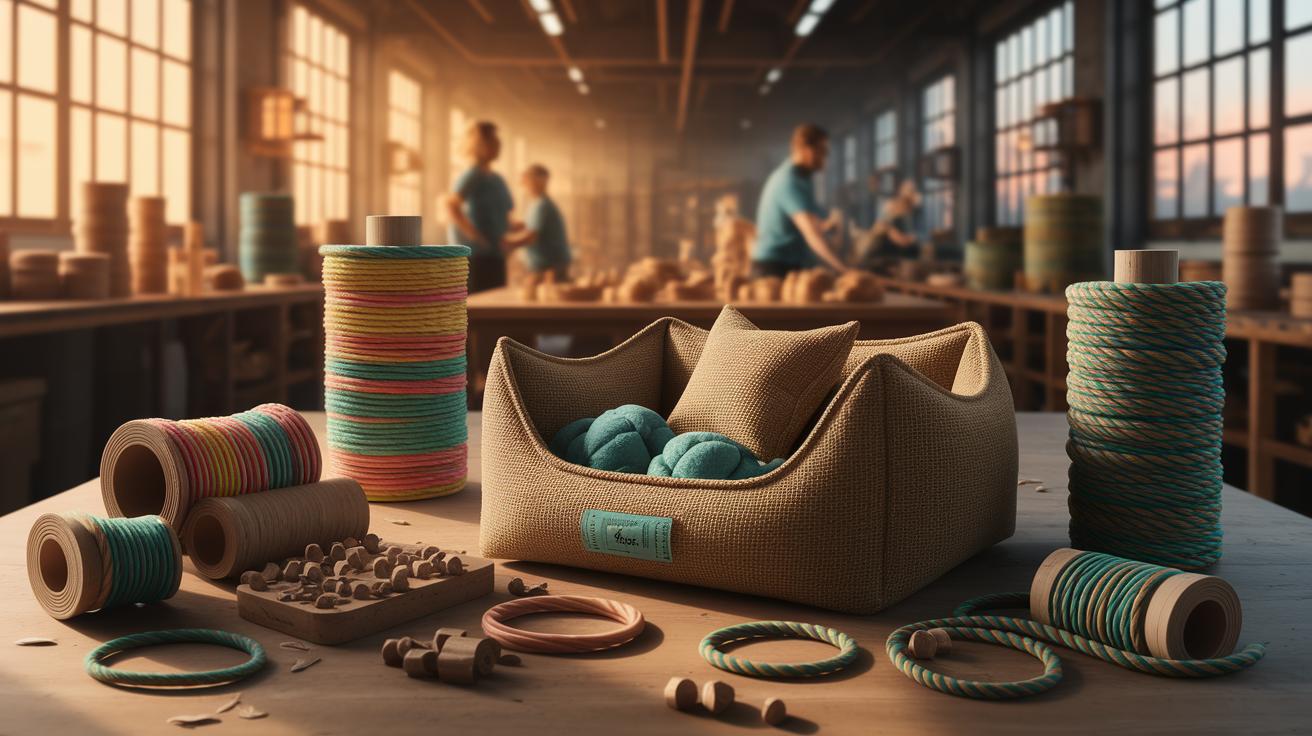
Have you ever wondered if the stuff you buy for your pet could be kind to our planet too? Nowadays, smart pet makers are choosing materials like bamboo, recycled plastic, and hemp (a natural, eco-friendly fiber) when they design their products.
These choices help cut down on waste and lessen pollution while still keeping our pets happy and healthy. In fact, some of these practices can reduce a company’s carbon footprint by almost 30%.
Isn’t it neat to see quality and safety go hand in hand with caring for the Earth? By using green methods, pet products become not only safer for our furry friends but also kinder to our world.
How sustainable pet product manufacturing practices reduce environmental impact
Today, pet product makers are turning to eco-friendly materials like bamboo, recycled plastics, hemp, and organic fabrics. These choices protect our planet by using renewable resources and reduce the dangerous waste that comes from oil-based processes. Plus, sourcing materials locally means shorter trips, which cuts down on pollution from transport.
The pet industry is expected to hit about $365 billion by 2030, so using green methods is more important than ever to keep up with demand while caring for our world. Switching to packaging that breaks down, can be composted, or recycled helps keep our landfills smaller. In fact, these eco-friendly methods can lower a product's carbon footprint by 15–30%, making a real difference.
Here are some key practices in sustainable manufacturing:
- Sustainable raw materials choice
- Energy-efficient production processes
- Smart waste reduction and management
- Fair labor and supplier sourcing
- Circular packaging and distribution models
- Meeting sustainability standards
Using renewable energy and modern, efficient machines also helps shrink emissions even more. These changes not only clear up the supply chain, making it more open and honest, but they also spark fresh ideas in pet product design. For example, local sourcing of ingredients not only cuts down on transport emissions but also boosts local economies. It’s a win-win for pet owners and our beautiful planet.
Sustainable raw materials for pet product manufacturing
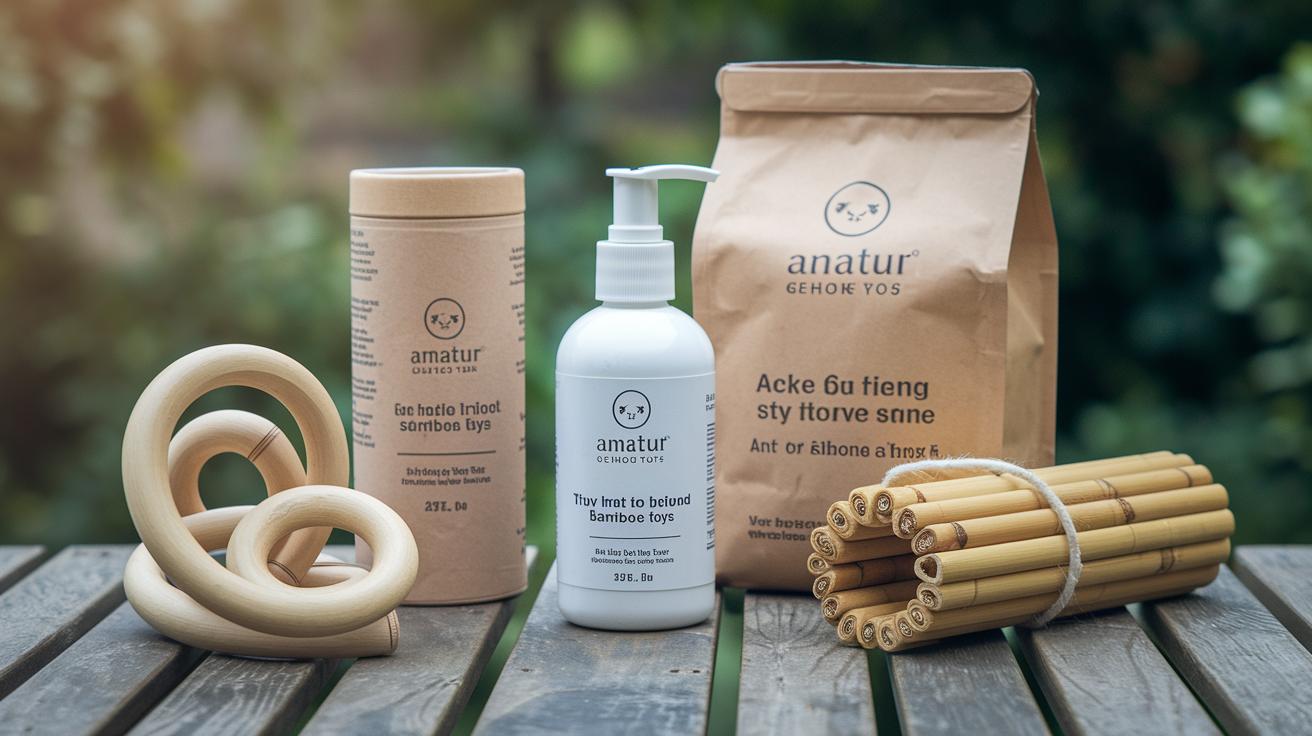
Eco-friendly pet products begin with smart, sustainable materials that look out for our planet and support green practices. Pet product makers are now switching to renewable options that are gentle on the Earth while still offering strong, long-lasting performance.
Natural Fibers: Bamboo, Hemp, and Organic Textiles
Natural fibers like bamboo, hemp, and organic textiles make great pets items such as toys, beds, and accessories. They come from renewable sources and break down naturally over time, which means they're kind to the environment and tough enough for your furry friend. Plus, their durability means your pet can enjoy them for a long while, and you get the added benefit of supporting sustainable practices.
Recycled Plastics and Repurposed Polymers
Recycled plastics and repurposed polymers take old, post-consumer waste and give it a new life in products like chew toys and cozy beds. By transforming waste into something useful, manufacturers reduce the need for fresh petrochemical production. This smart recycling method helps lower landfill waste and shows how practical green pet product production can be.
Bio-based Polymers: PLA and Alternatives
Bio-based polymers, such as PLA (a compostable plastic made from corn starch), offer a neat alternative for items like pet bowls or feeders. These materials break down naturally under the right conditions, reducing overall waste impact. They provide a renewable option that fits perfectly with the move toward greener pet products, proving that eco-friendly choices can be both effective and versatile.
All these sustainable raw materials are at the heart of greener pet product manufacturing. By choosing natural fibers, recycled plastics, and bio-based polymers, manufacturers are paving the way for a cleaner, brighter future in pet care.
Energy-efficient production and carbon footprint reduction in pet manufacturing
More and more manufacturers are turning to on-site renewable energy like solar and wind power to trim emissions by up to 40%. When factories switch to these green energy sources, they use less fossil fuel and help keep our air cleaner. Plus, it shows eco-friendly pet owners that caring for the Earth can start right at the production line.
High-efficiency machinery and smarter tweaks in the production process can cut electricity use by about 20-30%. Upgraded equipment means factories run smoother while still keeping up with the growing needs of pet lovers. Every step in the process becomes a bit more energy-wise, benefiting both the makers and our planet.
Also, local production makes a big difference. By setting up plants closer to raw materials and to where pet owners live, fewer miles are traveled. This means less CO2 from shipping and a boost for local economies. It’s a win-win situation that leaves each pet product a little greener and the environment a little happier.
Waste reduction strategies and closed-loop manufacturing systems
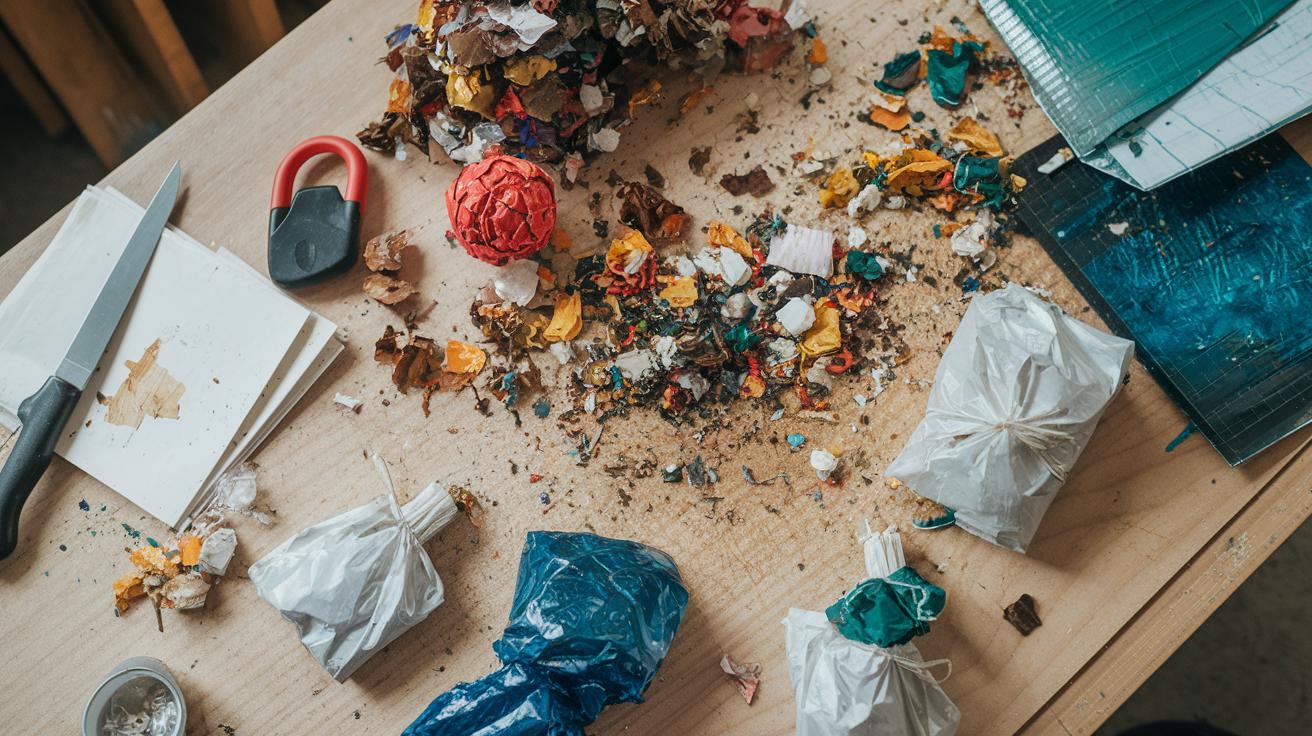
Manufacturers are rethinking their designs right from the start to cut down on waste. They’re adjusting cutting patterns so that extra pieces from recycled fabrics or composite materials in pet beds don’t end up in the trash. It’s really inspiring to see how a bit of creative planning can transform scraps into cool, eco-friendly accessories for our furry friends.
Another big focus is setting up smooth recycling systems for leftover byproducts. Picture fabric remnants or tiny plastic shavings being collected and reused. Some pet brands even manage to recycle cleaning solvents to reuse almost 90% of their water! This method helps lessen the need for new resources while making sure every bit of material gets a new purpose.
Switching entirely to recyclable or compostable packaging is another smart step. By using bulk buying and biodegradable options, some companies slash single-use plastics by up to 80%. This careful approach means pets get great products with a much smaller environmental footprint, keeping sustainable pet care on track for the future.
Ethical labor practices and compliance in sustainable pet production
Pet product makers are now keeping fair labor and ethical sourcing right at the center of what they do. They pick every supplier based on fair trade principles and humane working conditions that you can see in their factories and farms. When brands team up with partners who treat their workers with respect and ensure safe workplaces, pet parents can feel more confident knowing their products come from sources that care. It’s all about clear, honest relationships that protect worker rights and uphold dignity.
On top of that, companies follow strict testing standards to keep things safe and ethical. They have to meet guidelines from groups like CPSIA, FDA, and California Proposition 65. In real life, this means products are closely checked for harmful substances like lead, BPA, or phthalates. Regular audits also happen in factories to ensure not only high quality but also a safe spot for workers. All this careful oversight makes sure that every pet product you buy meets top ethical standards, giving you a little extra peace of mind with every purchase.
Certifications, supply chain management, and eco-friendly packaging in pet manufacturing
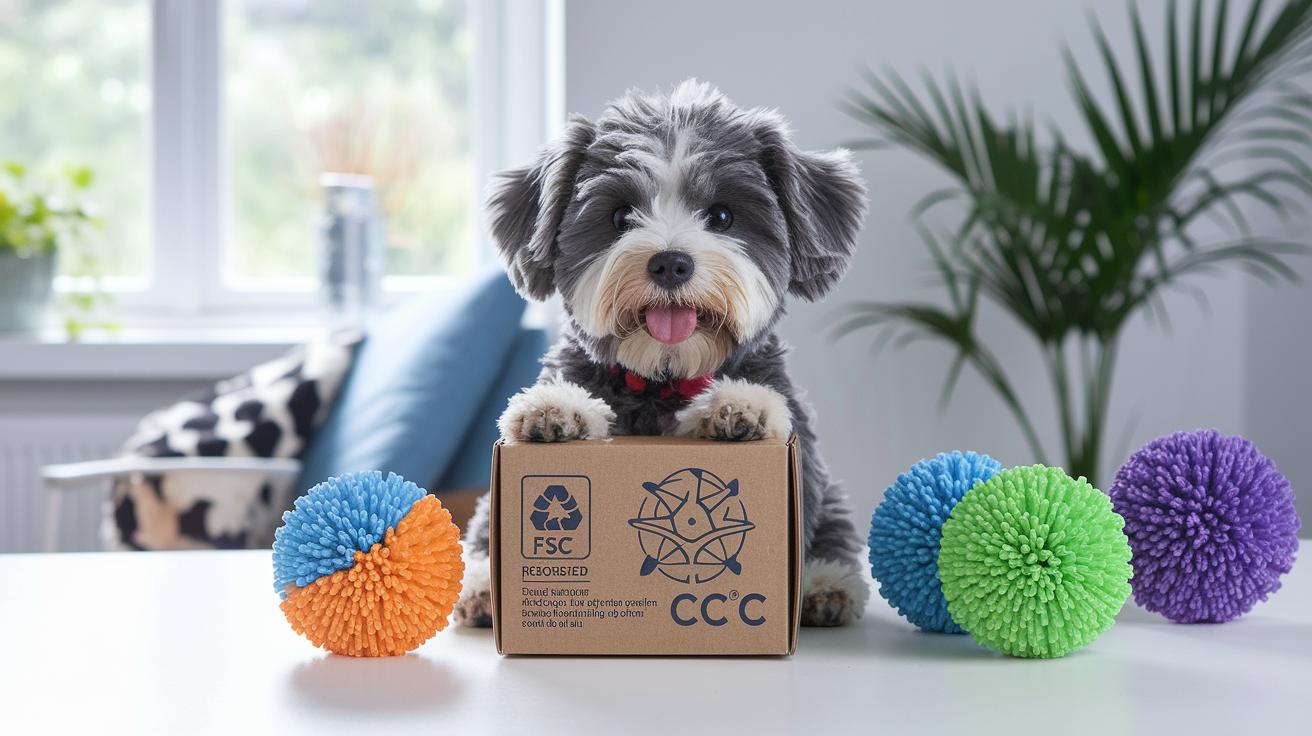
Manufacturers today blend eco-certifications, smart supply chain methods, and innovative packaging to make pet products that are kind to our planet. This approach not only backs up a brand’s green claims but also gives pet parents real peace of mind when choosing what’s best for their furry friends. With clear, honest logistics, these companies meet big retailer demands while keeping waste to a minimum.
Sustainability Certifications and Ethical Standards
Programs like FSC, Cradle to Cradle, and GOTS show that the materials used in pet products come from responsible sources (like a trustworthy story behind every ingredient). Manufacturers stick to ethical practices and keep detailed records so every step of a product’s journey is visible. This transparency builds confidence and shows that each item meets tough green and ethical rules.
Eco-friendly Packaging and Green Distribution
Many pet brands now use custom packaging that makes unboxing feel special and eco-friendly. They choose biodegradable or recycled paperboard and use soy-based inks, which helps cut down on the need for fresh resources. Shipping methods are also evolving with options that are carbon-neutral and free from unnecessary plastics. This strategy not only reduces emissions but also supports a smart supply chain that meets modern retail needs.
By mixing smart supply chain tactics, ethical certifications, and forward-thinking packaging, the pet product industry is paving the way for a greener future. Every step, from sourcing materials to the final delivery, plays a part in lowering the overall environmental footprint and making sure our beloved pets get the care they deserve.
Real-world case studies and future innovation in eco-conscious pet manufacturing
Take a look at some real-life examples that show how pet product makers are cutting down on environmental impacts while keeping our furry pals happy. Some companies are boldly slashing costs and waste, and they’re paving the way for change across the pet industry. These stories prove that by using renewable materials (like recycled plastics or natural fibers), clean energy, and smart recycling practices, businesses can do well while protecting our planet.
| Company | Sustainability Practice | Measurable Impact |
|---|---|---|
| Company A | Custom white-label manufacturing using 100% recycled plastics in toys | Cut raw material costs by 25% and reduced waste by 50% |
| Company B | Using on-site solar and wind energy | Reached 60% energy self-sufficiency and lowered CO2 by 200 metric tons a year |
| Company C | Introducing compostable poop bags and bulk refill stations | Reduced plastic waste by 70% and boosted recycling practices |
Looking ahead, pet manufacturers are gearing up to use new tech and innovative materials that will leave an even smaller mark on our world. Think smart sensors that monitor energy use, processes that save energy, and top-notch recycling methods. As more pet owners look for green alternatives, these innovations may lead to a future where eco-friendly manufacturing becomes the norm for keeping our pets well cared for.
Final Words
In the action of crafting eco-friendly pet products, we looked at renewable raw materials, energy-saving approaches and clever waste reduction. We dived into ethical sourcing, sustainability certifications and case studies showing positive change. It all shows how caring for our furry pals can be kind to our planet.
Our discussion underscores that sustainable pet product manufacturing practices make a noticeable difference. Every small step counts. Let these insights encourage us to opt for greener, thoughtful choices that keep pets happy and the world a little brighter.
FAQ
Where can I find sustainable pet product manufacturing practices PPT or PDF resources?
The sustainable pet product manufacturing practices PPT and PDF resources offer visual guides and detailed insights into eco-friendly methods like using renewable materials and energy-efficient processes. Look online for these practical presentations.
What is a list of sustainable pet product manufacturing practices?
The list of sustainable pet product manufacturing practices includes opting for eco-friendly raw materials, energy-efficient production, responsible waste reduction, ethical sourcing, circular packaging models, and complying with sustainability certifications.
What is the pet industry doing to be environmentally sustainable?
The pet industry is reducing environmental impact by utilizing recycled and biodegradable materials, adopting renewable energy, and sourcing locally to lower carbon emissions, all while highlighting sustainable product innovation.
What’s the fastest growing business in the pet industry?
The fastest growing business segments in the pet industry center on eco-friendly and innovative pet services and products, spurred by rising consumer demand for green and health-conscious pet care options.
How is pet food manufactured?
The pet food manufacturing process involves careful ingredient selection, controlled milling, cooking, and packaging that retains nutritional quality and meets strict safety standards for your furry friends.
Is selling pet products profitable?
The pet product market is profitable due to increasing pet ownership, consumer preference for quality and sustainable items, and growing trends in eco-friendly manufacturing that drive brand success.