
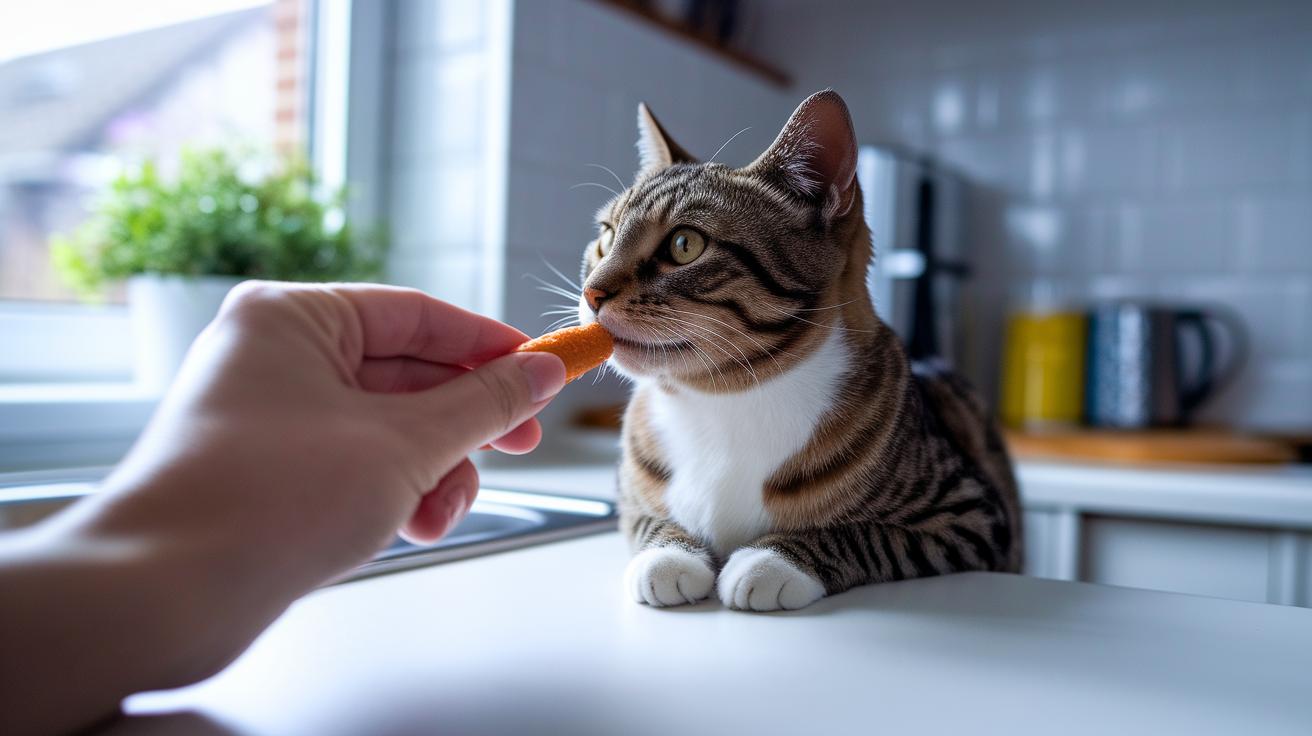
Ever thought your cat might find training a fun game rather than a dull chore? Reward-based training turns everyday moments into little wins for both you and your kitty. Picture your furry friend lighting up at the sight of a delicious treat or a gentle word. Each successful trick builds trust and eases stress.
Experts say this upbeat approach makes learning fun and boosts your cat’s confidence. It turns everyday tasks into moments of connection and joy. Want to learn more about how these simple steps can brighten your pet’s day? Stick with us for more tips and heartwarming insights.
How Reward-Based Training for Cats Delivers Key Benefits
Reward-based training is a science-supported way to help our feline friends learn through treats and praise. Experts say that when your cat gets a little reward for doing a trick, it turns training into a fun game, not a chore. Imagine your kitty eagerly dashing over for its favorite snack after nailing a simple trick, it’s like a tiny celebration of trust between you both.
This friendly method helps reduce stress too. When your cat gets a kind word or a tasty bite (a small, delicious morsel) every time it listens, it starts associating learning with happy rewards. Studies even show that these positive actions lower anxiety and boost overall mood. If you’re curious for more details, you can explore the article on Benefits of Positive Reinforcement Training for Pets.
Plus, using clear markers like clickers or simple verbal cues (short signals that mean “good job”) makes it easier for your cat to understand exactly what you appreciate. This technique, based on classical conditioning, means each successful trial helps your cat learn new behaviors quicker. Even kids can join in by offering treats and creating a trusting, cheerful training space everyone enjoys.
Integrating fun rewards into everyday routines has long proven effective, and it keeps changing how we view cat training in a warm and playful way.
Comparing Reward-Based and Punishment-Based Cat Training
Punishment-based training treats every little mistake with a sharp correction. It can quickly turn learning into a stressful ordeal for your cat. When your pet faces constant reprimands, fear and anxiety often build up. It’s as if you're expecting your cat to understand instantly that every slip deserves a harsh response. This method leaves little room for natural learning, making training feel more like a chore than a fun, engaging activity.
On the other hand, reward-based training cheers your cat on with treats and praise. When you offer kind words and fun incentives each time your cat follows a cue, you create an atmosphere full of positive energy. This gentle approach turns training sessions into enjoyable little games, strengthening your bond through trust and warmth. It’s amazing how a simple pat or treat can make learning a delightful experience for both of you.
Practical Reward-Driven Strategies for Effective Cat Learning
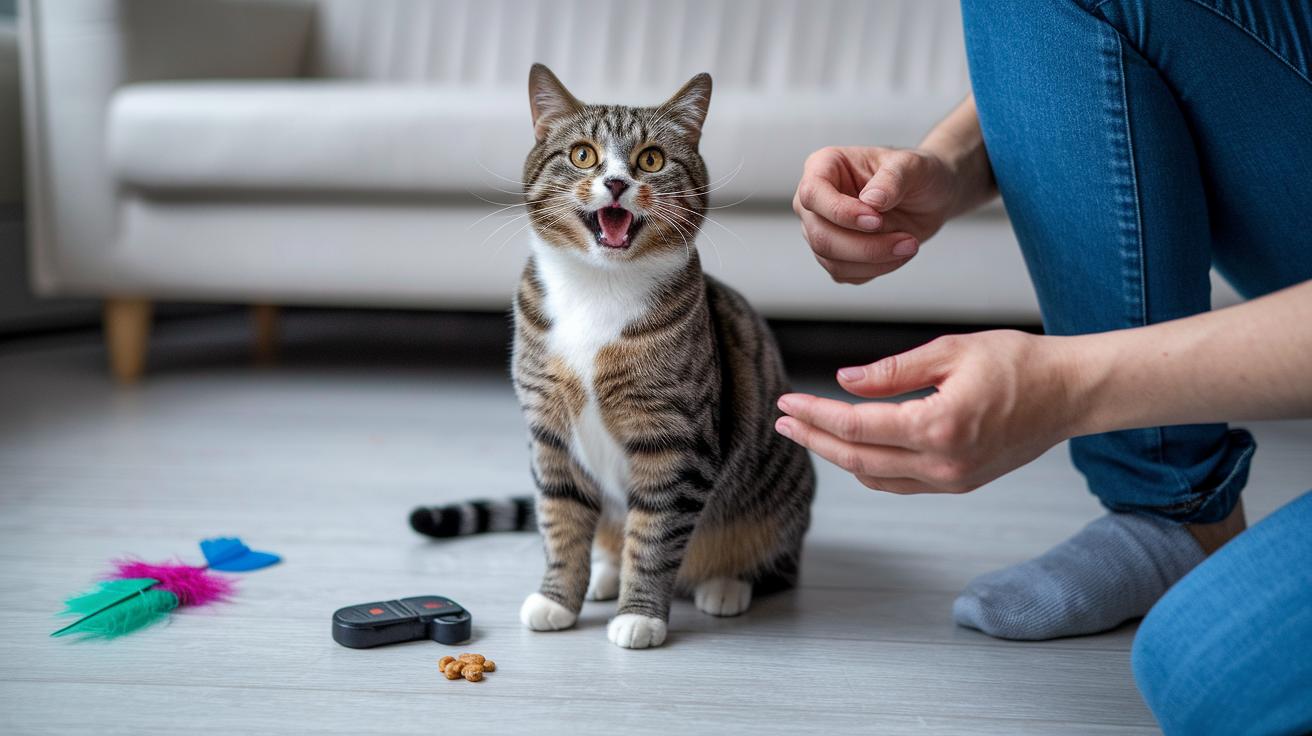
Reward training can be a fun, light routine to share with your kitty. It works best when you mix tasty treats, a little clicker sound, or a playful toy into your sessions. This way, your furry friend learns while having a good time.
First, try different rewards and see what your cat loves. Offer a bite of food, a special snack, or even a moment with a favorite toy. I once saw my cat light up at the sight of a crunchy treat and a shimmery feather toy! This helps you pick the best goodies for your pet.
Next, add a clear marker like a clicker or a short word to cheer them on. A quick click or a tiny phrase tells your cat, "Good job!" exactly when they do something right.
Then, keep your training short and sweet. Just a few minutes at a time is perfect. This keeps your kitty curious and excited for the next round.
After that, reward every little step that leads to the goal. Celebrate even small improvements with a treat or toy. It makes the whole process feel like a fun game.
Lastly, make sure everyone in your home uses the same sounds and treats. That way, your cat understands the message no matter who is training them. This shared approach helps your pet feel secure and loved.
Enhancing Feline Well-Being Through Reward-Based Behavior Reinforcement

Reward-based training shows clear benefits for our cats. It not only cuts down stress but also gives their minds a little workout. Studies have found that a mix of treats and kind words can ease anxiety and push cats to solve small puzzles, kind of like a playful brain-teaser.
Dr. Jane Smith, a cat behavior expert, says that when cats see positive results from rewarded actions, they get curious and slowly start exercising their minds. One study even showed that daily reward sessions helped lower stress signs in a short time. It's a simple method that really works.
This approach also helps our furry friends become more social. Cats that get treats during fun play sessions often show friendlier, more engaged behavior. Pet parents can try mixing in different treat flavors or using a variety of interactive toys to keep things interesting. In doing so, they create a lively environment where mental health and social skills grow side by side.
Measuring Success: Indicators of Reward-Based Training Outcomes in Cats
When you notice that your cat responds quickly to a gentle cue, you know your training is moving in the right direction. You might see your furry friend tilting their head at a verbal command or hearing the cheerful click of a clicker, eagerly accepting a treat. It’s clear proof that your kitty is growing more confident. Even better, if scratching or hiding happens less often, it’s a good sign that your training is really working.
Keep an eye on your cat’s body language too. A relaxed, cozy posture or sparkling, bright eyes show that your pet feels safe, loved, and ready to play. Over time, you may see fewer angry moments or scared reactions, which tells you that reward-based training is not just a quick fix, it’s paving the way for lasting, positive changes.
Long-Term Advantages of Consistent Reward-Based Cat Training
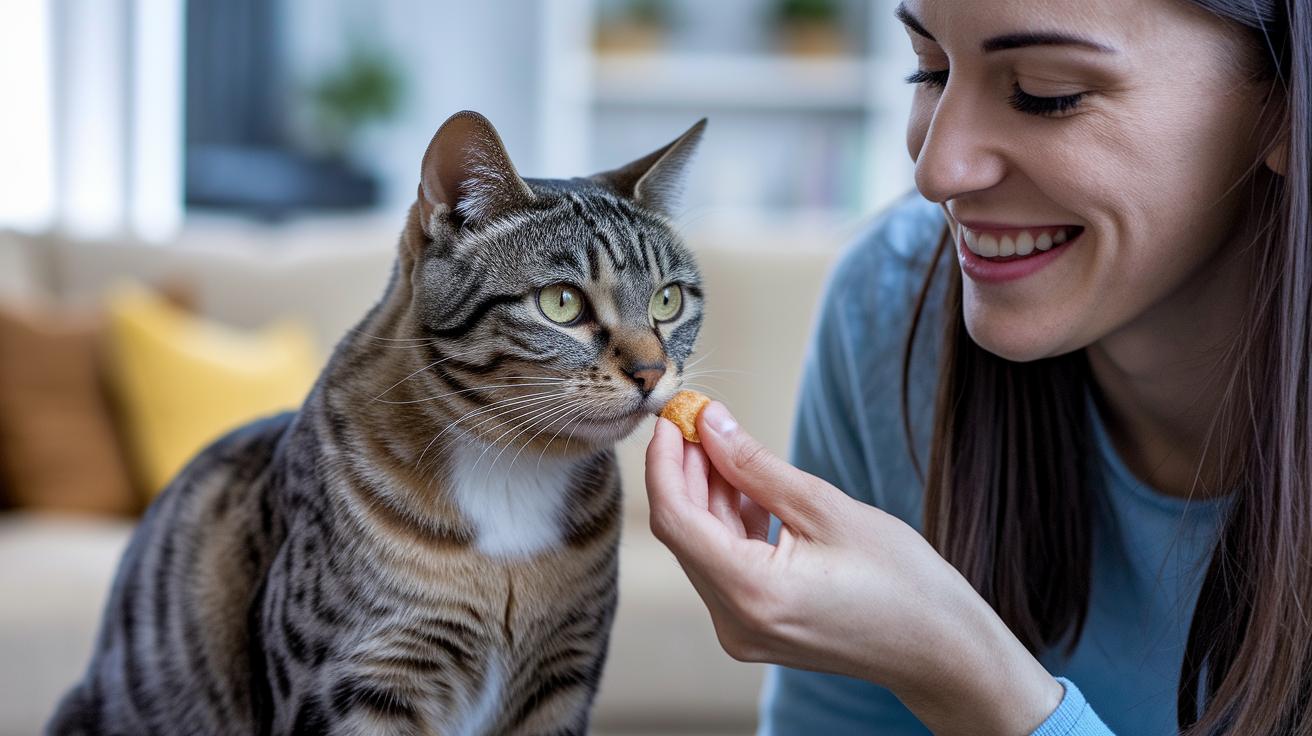
Reward-based training offers quick wins, like a calm response after a tasty treat. Over time, little daily rewards build steady habits that help your cat feel relaxed and ready for new adventures. Studies even show that cats with regular rewards show lower stress levels, with some research noting a 30% drop in cortisol (a stress hormone) when treated daily.
This method also builds trust and boosts overall health. Picture your kitty happily accepting a small treat. Over months, that consistent routine strengthens your bond and eases anxiety during surprises like a new pet or a change in the schedule.
New findings tell us that the benefits go beyond behavior. Regular positive reinforcement can improve how your cat interacts with others and even help with digestion by lowering stress. When your cat gets used to expecting a little reward from everyday challenges, it grows more confident when bigger hurdles come along.
Final Words
In the action, we explored the merits of reward-based training for cats, highlighting key benefits like stress reduction and behavior improvement. We broke down simple, practical strategies, from testing treats to using clear cues, that build trust and nurture your cat’s natural curiosity. Everyday examples show how this positive approach can transform training into a fun, enriching experience. With patience and consistency, these techniques are sure to make your pet care routine more joyful and effective.