
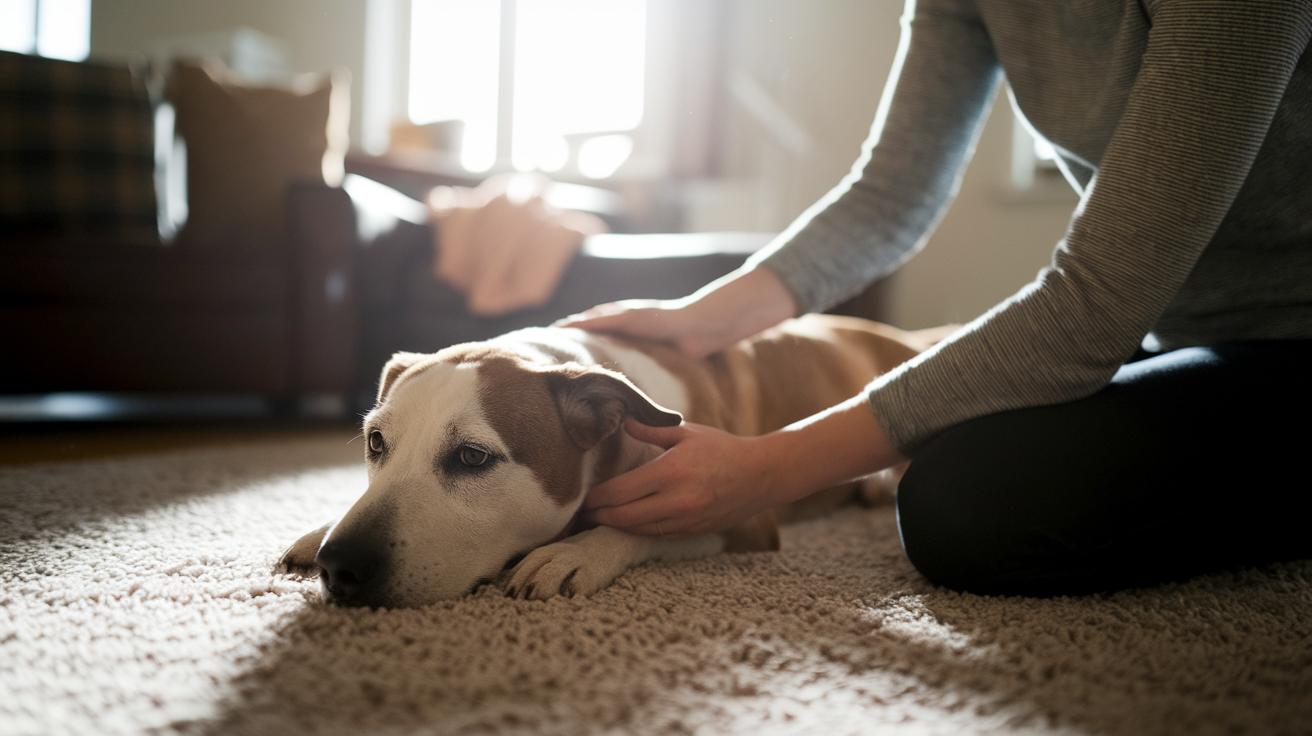
Have you ever wondered if a gentle touch could ease your pet's worries? Pet massage is a sweet way to help your furry friend feel more relaxed and cared for. Gentle strokes help boost blood flow (which means more oxygen and energy) and relax tense muscles, leaving your pet feeling safe and loved. Imagine your dog's eyes softening while you share a calming massage that lasts just 10 to 20 minutes. Today, we'll explore three great benefits of pet massage and show you how these caring moments can brighten your pet's day and deepen the special bond you share.
3 benefits of pet massage therapy: Calm Pets
Pet massage therapy is a warm, gentle way to help your furry friend feel at ease. It uses soft pressure and smooth strokes to relax muscles, boost blood flow, and calm the nerves. The sessions usually last about 10 to 20 minutes, making them perfect for easing your pet during stressful times, like when there are changes at home or if they miss you. Over time, these massages help improve movement and keep your pet feeling secure and loved. Imagine a relaxed pup enjoying a gentle touch after a long, playful day.
- Circulation boost: The massage helps blood flow better, so oxygen and important nutrients reach the muscles. Think of it like a soft breeze that gives your pet a little burst of energy.
- Stress relief: Calm, even strokes work to lower anxiety, giving your pet a comforting, safe feeling. Picture your pet's eyes relaxing as each gentle touch eases away their worries.
- Pain reduction: A good massage can release endorphins (the body’s natural pain relievers) to ease discomfort from joint issues or past injuries. It’s like giving your dog a warm, reassuring hug.
- Muscle relaxation: The careful pressure loosens tight muscles, reducing stiffness and making movement easier. Imagine a warm stretch that helps all the tension melt away.
- Owner–pet bonding: Setting aside time for a massage not only cares for your pet physically but also deepens the connection between you. It’s a quiet moment where both of you share a peaceful, loving pause.
These benefits work together to support both a healthy body and a calm, happy heart for your pet.
Physical Benefits of Pet Massage Therapy for Muscle and Joint Support
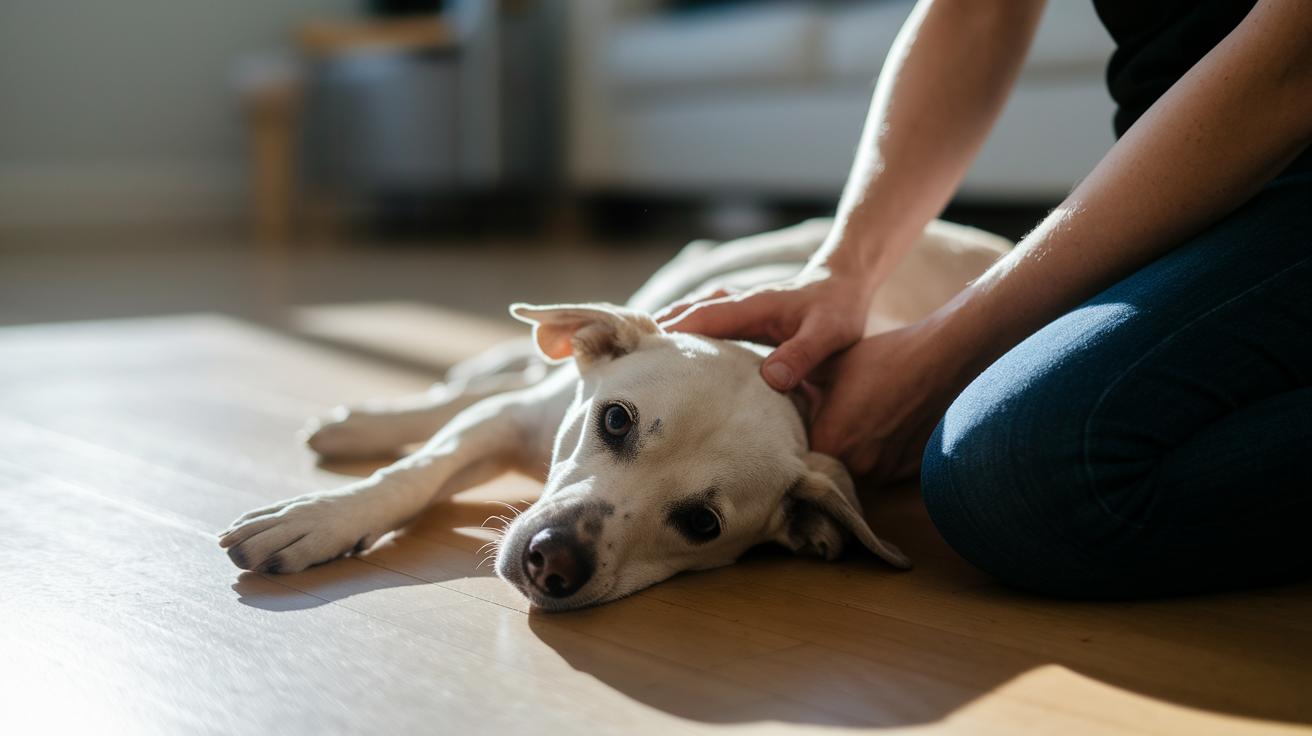
Pet massage offers your furry friend gentle, caring relief for tight muscles and stiff joints. It boosts blood flow, calms swelling, and helps heal tissues (which means your pet feels better quicker). Plus, those happy endorphins can ease pain and support recovery after an injury.
A steady massage routine can help your pet move more freely. It also pairs well with other treatments for issues like arthritis or everyday discomfort.
| Benefit | How It Works | Best For |
|---|---|---|
| Pain Relief | Release of happy endorphins | Arthritis and swelling |
| Better Circulation | Improves blood flow | Recovery and ease of movement |
| Smoother Joint Motion | Boosts natural movement | Older pets and chronic stiffness |
| Tissue Healing | Encourages repair | After surgery or injury |
Including massage as part of your pet’s care doesn’t just ease immediate pain. It also builds long-term muscle recovery and helps keep their joints in tip-top shape. This caring touch can support a life full of playful adventures and comfy, everyday moments.
Emotional Benefits of Pet Massage Therapy for Stress and Anxiety Relief
Giving your pet a regular massage is like offering a warm hug that eases their worries and builds trust. Imagine the gentle pressure on their fur, soft strokes that calm their nerves, it can even help them feel safe during big changes at home or when you’re away.
These nurturing rubs have a real effect. They help lower stress signs, like tense muscles and agitated behavior, making your furry friend feel more relaxed over time. Even a pet who’s usually on edge can start to feel secure and balanced with a steady routine of gentle massages.
Plus, consistent massages can lead to better sleep for your pet. As they get used to the tender strokes, you might see fewer signs of fear, and their eyes might sparkle with contentment instead of worry. Every massage moment isn’t just about easing anxiety, it’s a chance to deepen the bond between you and your companion. For more handy tips on soothing your pet’s stress, check out calming remedies for dogs.
Common Techniques in Pet Massage Therapy and Best Practices
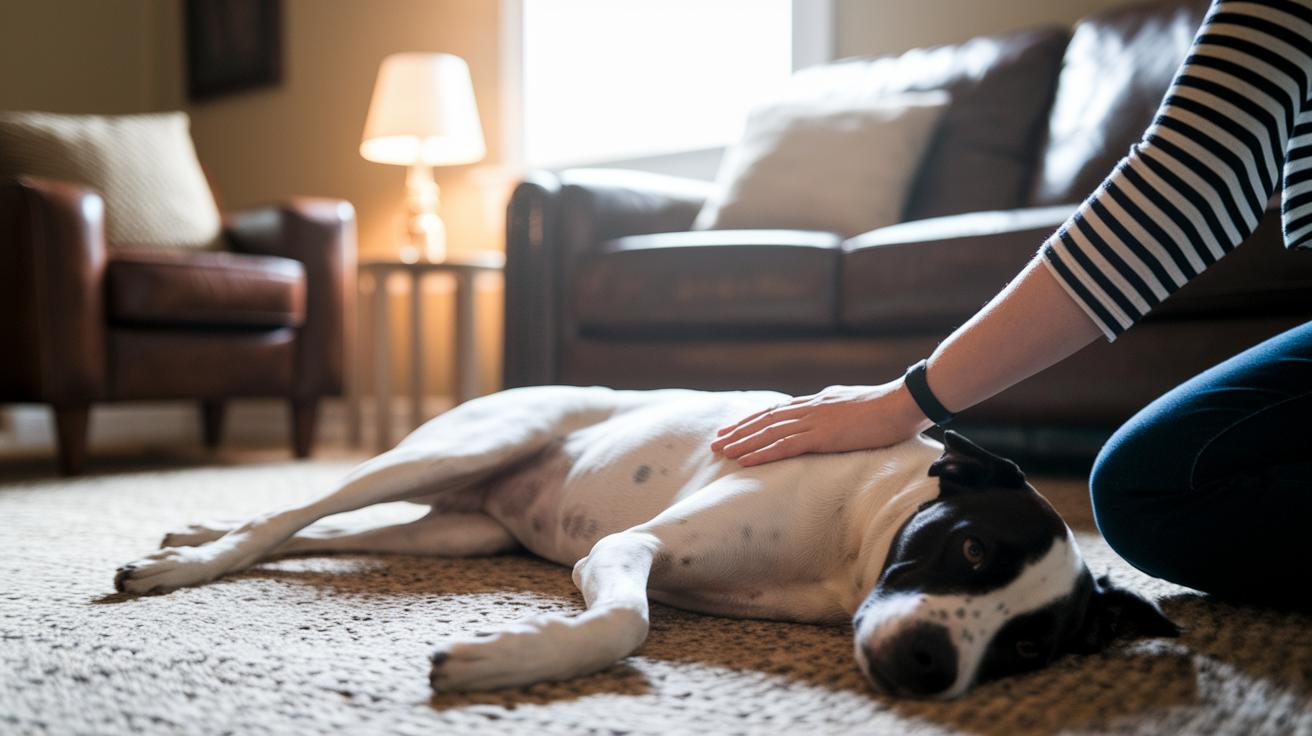
When you begin with basic strokes and kneading, place your hands softly along your pet's body and let your fingers follow its natural curve. Use smooth, gentle strokes starting at the shoulders and moving all the way to the tail. Imagine a slow, steady stream flowing over a smooth stone, this relaxed pace helps the muscles ease up and feel more comfortable. It also gives you a chance to get to know how your pet normally feels so you can catch any little changes right away.
Next, try a bit of pressure point stimulation. Look for spots that might hold a bit of tension, like behind the ears, at the base of the neck, or around the shoulders. Use your thumb or finger to press gently in these areas. If your pet leans into your touch or seems to relax, that’s a sign you’re on the right track. This focused touch can help ease both muscle tightness and a bit of anxiety, making your pet feel safe and cared for.
For session timing, aim for about 10 to 20 minutes each time. Starting with a few minutes daily can help you see how your pet responds, while a weekly session might work nicely for both of you. Watch for gentle signs, like softer breathing or a relaxed posture, to guide you on when the massage feels just right. Over time, these regular, short sessions can become a comforting little ritual that brightens your pet’s day.
Safety Guidelines for Pet Massage Therapy and Professional Recommendations
When you massage your pet at home, use gentle pressure and slow strokes. Stick to soft movements and avoid sudden or deep techniques to keep your furry friend comfortable. Keep a close eye on them for any signs of pain, like strange swelling, bumps, redness, or extra sensitivity in areas that are usually smooth. If you notice any discomfort or your pet seems upset, stop right away. Sometimes, even a little change in their body language or a quick flinch can mean they need a gentler touch.
If your pet needs deeper work or has chronic issues, has recently had surgery, or has heart problems, it’s best to reach out to a licensed pet massage therapist or your vet. These professionals know a lot about animal anatomy (basically, the structure of your pet’s body) and can adjust their techniques safely. Their experience helps make sure the massage boosts your pet’s comfort and overall well-being.
Incorporating Pet Massage Therapy into a Holistic Pet Care Routine
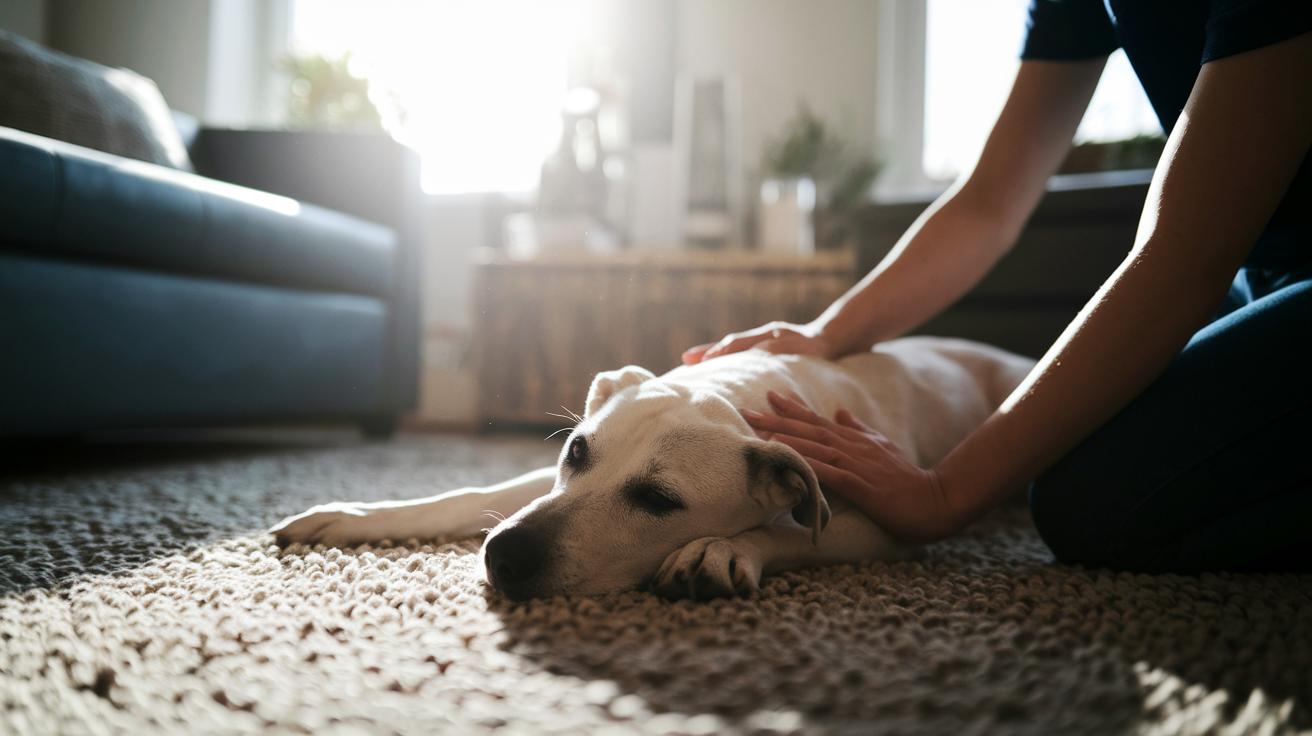
Giving your pet a gentle massage can really boost their overall well-being. You might plan a session once a week or every couple of weeks. This fits nicely with other care steps like grooming, laser therapy (a light treatment that helps with healing), or even a check-up visit, based on your pet’s age and needs.
The massage helps get their blood flowing and brings a calming, soothing feel that both you and your pet enjoy. Plus, it gives you a chance to notice little changes, maybe a slight warmer spot on their fur or a small bump that might need a closer look.
Over time, a regular massage routine can keep your pet strong and agile. It supports smooth joint movement and muscle strength, reducing stiffness as they age. By sticking to a schedule, you’re able to catch tiny signs of trouble before they grow into something bigger.
In short, adding pet massage to your care routine creates a continuous loop of love and health for your companion. Have you ever seen how a calm moment with your pet can brighten the day?
Final Words
In the action, this article walked through gentle techniques for easing muscle tension and supporting joint health while calming anxious behaviors. We touched on simple massage methods, safety tips to watch for, and ways to bring pet massage into your weekly care plans. The guide shares practical hints, from boosting blood circulation to calming your pet after a long day. With these takeaways, experience the benefits of pet massage therapy and offer your furry friend a more relaxed and joyful life.
FAQ
What are the benefits of pet massage therapy for dogs?
The benefits of pet massage therapy for dogs include improved blood flow, reduced tension, lower anxiety, eased pain, and a stronger connection between you and your pet.
How does canine massage therapy boost emotional well-being?
Canine massage therapy boosts emotional well-being by easing anxiety, supporting better sleep, and fostering a trusting bond with you through gentle, caring touch.
Is it good to massage your dog’s muscles?
Massaging your dog’s muscles is good because it relaxes tight muscles, relieves pain and stiffness, and promotes healthy circulation, helping your pup feel more comfortable.
How can I tell if my dog needs a massage?
You can tell if your dog needs a massage by looking for signs like stiffness, reduced mobility, restlessness, or discomfort after play and exercise, which suggest a little extra relief is needed.
What does dog massage certification mean?
Dog massage certification means a therapist has completed specialized training in pet anatomy and safe massage techniques, assuring you that they provide effective and secure care.
Where can I find dog massage services near me?
Dog massage services near you can be found at local pet care centers, veterinary clinics, or through certified pet massage therapists listed in online directories and community recommendations.
What is a dog massage diagram?
A dog massage diagram is a visual guide that shows key points and techniques for gently massaging your pet’s body, helping you perform safe and effective strokes at home.