

Have you noticed how your pet's eyes light up when they hear a click? Clicker training fills that moment with pure joy. Each click tells your pet they did something right, and soon they get a tasty treat (a little snack that rewards good behavior). It turns training into a fun game where good choices are celebrated. This method is simple and builds trust while teaching new tricks. Try it out, and you'll see that your pet's excitement is as warm and bright as your smile.
A Step-by-Step Guide to Positive Reinforcement Clicker Training
Positive reinforcement clicker training uses a little handheld clicker to mark the exact moment your pet gets it right. The idea is simple and fun: every time your buddy does something good, you click and then give a tasty treat (a little reward that your pet loves). This clear sound helps your pet see which actions earn a treat, building trust and good habits along the way. Picture your pet's bright eyes lighting up when they hear that click, it tells them they just did something great.
Training begins by “charging” the clicker. In this step, you let your pet experience the treat reward so they learn that every click brings a treat soon after. You might hear many pet parents say, “Clicking and treating early on helped my dog learn fast.” Timing and regular clicks are really important to guide your pet to the right behavior.
- First, charge the clicker by clicking and giving a treat right away several times.
- Then, patiently wait for your pet to show the behavior you want.
- As soon as the behavior happens, click to mark that perfect moment.
- Immediately give a treat so your pet links the click with the reward.
- Finally, start using simple commands once your pet gets used to the click and treat pairing.
This easy process lays the groundwork for positive reinforcement training. By following these steps every time, you help create a fun routine that motivates your pet to repeat the good behaviors. The sound of the click and the tasty treat work together to make training engaging, clear, and enjoyable, keeping your pet excited and confident as they learn new tricks and skills.
Selecting and Using Clickers: Tools for Effective Auditory Cue Strategy

A clear, consistent click forms the heart of clicker training by using positive reinforcement. A good clicker makes a sharp sound that marks just the right moment when your pet does something correctly. Imagine your dog perfectly following a command and you hearing that fun, crisp ping, this clear feedback keeps them interested and eager to learn.
- A crisp sound that makes it easy to tell when your pet gets it
- Steady volume that stands out against background noise
- Tough and durable, so you always get the same quality sound
- A comfortable design that fits nicely in your hand
Picking the right clicker can really smooth out your training sessions. When you shop around, look for one with a strong chime that sounds the same every time. A clear, loud click helps your pet understand exactly which behavior earns a reward. Yes, you can use a clear word or even a tongue cluck if you have to, but nothing beats the steady repeat of a solid, well-made clicker. Paying attention to sound quality helps your pet connect with the training, making each session both fun and effective.
The Science of Reward Conditioning in Clicker Training
Positive reinforcement is a solid way to build reward conditioning. In clicker training, a crisp click followed by an immediate treat tells your pet they did a great job. Research shows that pets learn up to 40% faster when they hear a clear click paired with a treat. Neurobiological studies explain that this quick link sparks a burst of dopamine (a feel-good signal) in the brain. When done correctly, that click and treat team up to shape your dog's behavior.
Scientific findings also reveal that using the same clear click helps guide your pet without harsh corrections. Unlike mixed verbal commands, the consistent click is easy for your pet to understand, leading to better focus and quicker learning. Here are some benefits of using a marker-based approach:
- Faster learning thanks to a clear click and immediate treat
- Improved focus as pets know exactly what behavior is expected
- A boost in confidence from getting instant positive feedback
- Reduced training frustrations with a kind and reliable method
- Gradual building of everyday good habits in your pet
Have you ever noticed how that sound makes your pet's day?
Treat Incentive Approach: Choosing and Timing Rewards

Using a favorite treat right after a correct click makes training fun for your pet. The key is to pick tasty rewards that your pet really loves and to give them quickly so they understand the connection.
- Pick fresh treats that are easy for your pet to chew.
- Watch your pet closely to see which treat makes them excited.
- Choose small, high-quality treats that are both yummy and nutritious.
- Give the treat within one to two seconds after the click for the best results.
When you choose a treat, think about what makes your pet's eyes light up. Imagine the moment when their tail starts wagging at the sight of that crunchy treat; it shows they are thrilled to earn it again. Giving a juicy morsel right away ties the click to the reward, making it clear as day. Ever notice how a quick treat can spark a burst of energy? That feeling is exactly what you want during your training sessions.
Keep an eye on your pet's body language to perfect your treat approach. Look for little hints like a perked ear or a slight lean in their posture. Sometimes a treat-dispensing tool or even a gentle pat can signal where the food should be. Every pet is unique, so adjust the timing and choice of treat to match your furry friend's preferences. This warm, thoughtful method makes training sessions smooth, fun, and full of happy, motivated pets.
Common Challenges in Positive Reinforcement Clicker Training
Sometimes trainers find that clicker training doesn't work because the timing of the click or its sound isn't spot on. When the marker isn't consistent, our pets can feel mixed up. Not keeping an eye on mistakes can also slow down progress. Imagine your pet pausing because the click wasn't crisp enough. This small hiccup can lead to shaky reactions and even cause changes in behavior over time. Confusing signals like this can create a cycle where frustration builds and those good habits start to fade.
Here are some simple tips to help you clear up these mix-ups:
- Stick to a steady click and always use a clear sound.
- Note down when mistakes happen so you can adjust your approach.
- Keep an eye on your pet's body language for signs of confusion.
- Make training sessions shorter if you see frustration starting.
- Try a different marker, like a unique verbal cue, if the click doesn't seem to work.
- Use gentle mistake-fixing strategies to reset the training cycle and keep your pet motivated.
Taking time to watch your pet and making small changes can really break the cycle of confusion. With a bit of patience and careful watching, you can turn these bumps into a smoother and happier training journey.
Tracking Progress with a Stepwise Progression Model for Clicker Training
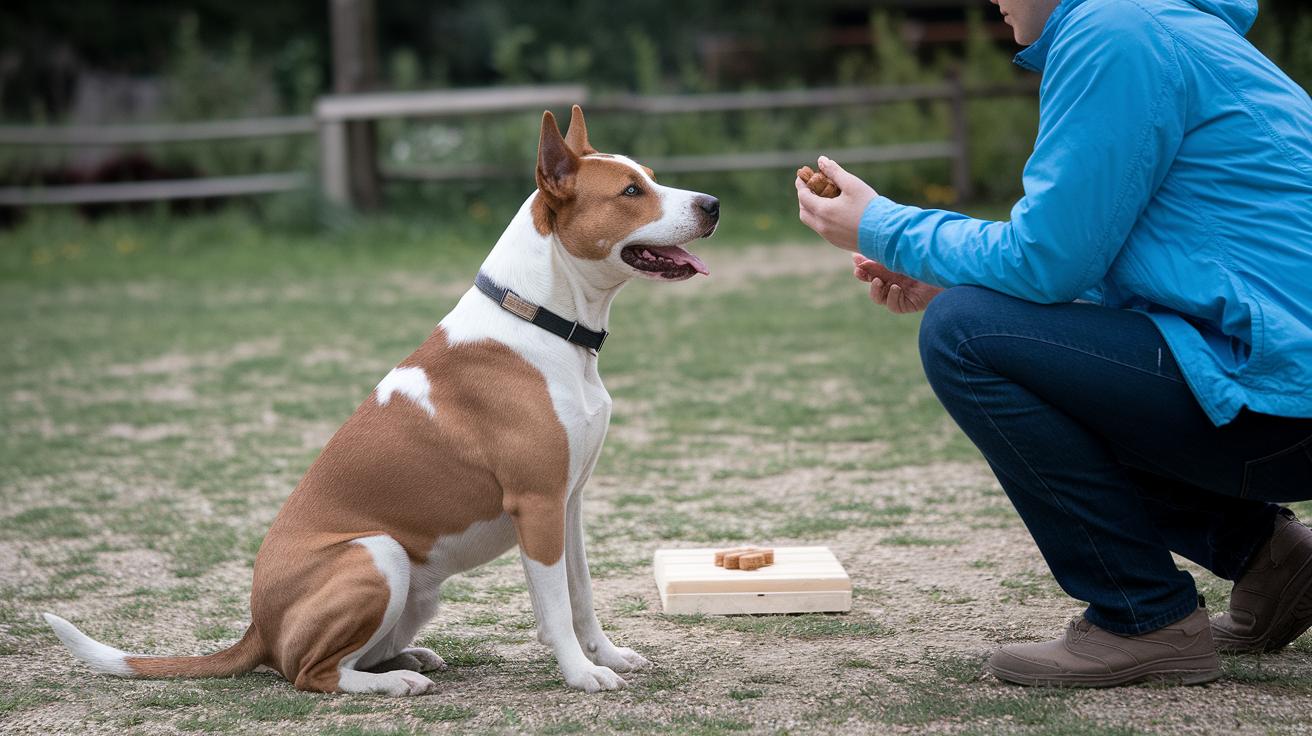
Once your pet starts loving the click-and-treat routine, it's time to break the training into bite-sized steps. This friendly step-by-step method shows you where your pet shines and spots areas needing a bit more practice.
| Step | What to Look For | Your Goal |
|---|---|---|
| Step 1 | Responds reliably to a simple command | Lay the foundation of understanding |
| Step 2 | Clearly links the click sound to a treat | Create a strong marker (signal) connection |
| Step 3 | Keeps focus during the session | Boost memory of the trick |
| Step 4 | Uses the skill in different settings | Make the behavior work in everyday life |
As progress builds, having a clear plan for each training session really helps. You can use a simple blueprint that outlines what to work on, clear goals, and key moments to track how your pet improves. Watching those milestones hit reminds you that every little effort counts.
If your pet seems stuck on a particular step, try slight tweaks. Maybe adjust when you offer treats or break the behavior into even tinier parts. These small changes can make a big difference. This approach keeps the training fun and relaxed, all while helping your pet grow more confident with each click and treat.
Final Words
in the action you’ve journeyed through hands-on tips from setting up your clicker to perfecting treat timing. The guide broke down clicker training using positive reinforcement, explaining how simple sound markers and immediate rewards shape your pet’s behavior. We covered tool selection, reward steps, and ways to overcome small challenges in training sessions. Stick with these clear, straightforward techniques and celebrate each small win. Every step you take makes your pet smarter while building a trusting and happy bond. Enjoy the rewarding moments ahead!
FAQ
Why clicker training is bad
Concerns about clicker training being bad arise from inconsistent timing or unclear markers that can confuse pets. When practiced correctly, it clearly marks desired behaviors and pairs them with immediate rewards, offering effective learning.
How are online resources like Reddit, PDFs, and YouTube helpful for clicker training using positive reinforcement?
Online resources offer real-life tips and visual guides for clicker training. They provide shared experiences and practical ideas that support a better understanding of pairing sound markers with timely rewards.
What is clicker training for humans?
Clicker training for humans uses similar sound markers and reward cues to build positive habits. It offers a playful method to reinforce good actions and promote goal achievement in everyday life.
How does clicker training help manage unwanted behaviors and assist beginners?
Clicker training helps reduce undesired behaviors by marking correct actions with a consistent sound, making it easier for beginners to guide their pets while fostering a positive learning environment.
What is a dog clicker?
A dog clicker is a handheld device that emits a clear, consistent sound to mark correct responses from a dog. It plays a key role in positive reinforcement by signaling that a treat or reward is coming.
How does clicker training demonstrate positive reinforcement in dog training?
The clicker training method showcases positive reinforcement by using an immediate sound marker followed by a reward. This clear connection between behavior and treat helps dogs learn and retain new commands.
Why is clicker training effective for reinforcing animal behavior?
Clicker training is effective because it creates a patterned learning routine with a clear, immediate cue and reward pairing. This method quickly reinforces desired behaviors, making training more enjoyable for both pet and trainer.