

Have you ever thought that your dog’s meals might help ease kidney strain? Picture your pup enjoying a meal that gives their kidneys a little break while you enjoy watching that tail wag.
When a dog has kidney issues, the right food can really make a difference. These special meals work by lowering levels of phosphorus and sodium and by adding gentle protein (the building blocks of life) along with omega-3 fatty acids (healthy fats that help overall well-being). It’s like giving a tired kidney a friendly helping hand.
With the right care, many dogs can enjoy extra months of energy and vitality. In truth, proper nutrition is a small change that can mean a big boost for your loyal companion’s kidney health.
How Dog Food for Kidney Disease Supports Canine Health
When our dogs struggle with kidney issues, a special diet can make a big difference. This kind of dog food helps the kidneys do their important jobs, filtering blood, removing waste, balancing fluids, controlling blood pressure, making red blood cells, and even helping with vitamin D metabolism (which supports strong bones). Their meals are carefully made with low phosphorus and sodium, combined with gentle, high-quality protein, omega-3 fatty acids, and essential vitamins (B, A, E) to give those busy kidneys a well-deserved break. Every meal acts as a refreshing boost, easing the workload on your furry friend’s kidneys.
Early support through right nutrition is so important. Chronic kidney disease affects about one in ten dogs, and a targeted diet can mean an extra 13 months of a happy life for your pup. By tweaking the ingredients just right, these diets help manage waste and keep the body hydrated with water-rich meals. This thoughtful nutritional approach can really be the difference between overwhelming kidney stress and steady, supportive care.
- Provide high-quality protein that’s gentle on the kidneys while helping repair tissues.
- Reduce phosphorus levels to ease the filtering work of the kidneys.
- Limit sodium to help keep blood pressure in check.
- Incorporate omega-3 fatty acids to offer soothing anti-inflammatory support.
- Increase water content in meals to help flush out toxins.
- Include essential vitamins (B, A, E) to replace what might be lost through extra urination.
- Add extra potassium for the proper balance of electrolytes.
When a dog's kidneys feel stressed, their natural roles get overtaxed. By balancing these key nutrients, a specialized diet helps the kidneys filter blood, maintain fluids, and control blood pressure more easily. This careful balance means less work for the kidneys, letting each function do its job safely, and ultimately leads to a better, more joyful life for your best friend.
Essential Ingredients in Renal Diet for Dogs

When you pick a kidney-friendly meal plan, you’re choosing food that gives your dog the right energy without overworking their kidneys. This type of diet meets special nutrition goals that help your pet feel comfy and supported.
For protein, aim for 15-18% from top-quality sources (foods that help fix and build tissue). Keep phosphorus levels under 0.3% on a dry matter basis, which helps ease kidney strain. Try to keep sodium below 0.2% so your dog’s blood pressure stays steady.
Fats should make up 15-20% of total calories, including at least 1% from omega-3 fatty acids (fats known for calming inflammation). Use wet food or add water to meals. This helps boost hydration and assists in flushing out toxins.
If your dog’s potassium levels drop below 3.5 mmol/L, consider a supplement to keep their cells working right. Also, make sure vitamins B, A, and E are included to replace nutrients lost through extra urination, a vital part of keeping cells healthy.
Balancing all these ingredients can really lighten the load on your dog’s kidneys and help them live a happier, healthier life.
Comparing Commercial Dog Foods for Kidney Disease
When looking at commercial foods made for dogs with kidney issues, pet parents should keep an eye on protein quality, phosphorus levels (a mineral that can put extra strain on kidneys), and moisture content. The best foods are balanced to lighten your dog's kidney workload while still tasting delicious. Prescription diets come with the extra comfort of being crafted by veterinarians and are carefully planned to support kidney function and overall health. In contrast, non-prescription formulas offer an easier option with lower protein and phosphorus levels, though they might not cover every nutrient a dog with kidney disease needs.
Prescription Kidney Care Dog Food
Prescription kidney care dog food is made by vets just for dogs struggling with kidney problems. These diets are designed with high-quality proteins at safe levels and minimal phosphorus to help ease kidney strain. They also include essential vitamins and omega-3 fatty acids (fats that help reduce inflammation and support cell repair). You can choose between wet or dry options, with many pet parents preferring wet food for its extra moisture that helps keep your furry friend hydrated.
Non-Prescription Renal Meal Options
Non-prescription renal meals are available over the counter and meet basic dietary needs for kidney health. They usually feature reduced protein and phosphorus to ease the work of the kidneys. While these options are convenient and flexible, they sometimes don’t offer the full range of balanced nutrients found in prescription diets. You’ll find both dry and wet versions available, with wet foods providing an extra boost to your dog’s hydration. Always take a close look at the nutritional labels to check the protein and phosphorus percentages and choose the best option for your pet.
| Brand | Type | Protein (%) | Phosphorus (%) | Prescription Required | Approx. Price |
|---|---|---|---|---|---|
| RenalCare Plus | Wet | 16 | 0.25 | Yes | $3.00/can |
| Kidney Balance | Dry | 15 | 0.28 | Yes | $45.00/bag |
| Canine Comfort | Wet | 17 | 0.22 | No | $2.75/can |
| Pet Renal Formula | Dry | 16 | 0.30 | No | $40.00/bag |
| Vital Kidney Support | Wet | 15 | 0.20 | Yes | $3.50/can |
Homemade Low-Protein Dog Recipes for Renal Support

These simple recipes help give your furry friend meals that are gentle on the kidneys. They balance the diet while easing the kidney’s workload, which can make mealtime a little calmer for both of you.
Chicken and Rice Renal Recipe
This recipe uses cooked white chicken for protein and rice for easy carbohydrates. Start by cooking the chicken, boil or bake it without added salt until it’s fully done. Meanwhile, cook plain white rice until it’s soft. Mix the chicken and rice with enough warm water so the meal stays moist and easy to eat. The recipe is made to be about 15% protein, which is just right for supporting kidney health. Serve small portions throughout the day to keep energy steady and give those kidneys a break.
Fish and Sweet Potato Renal Recipe
For a change, try using white fish like cod that’s lightly poached to keep its nutrients intact. Combine about 40% fish with another 40% of cooked sweet potato that’s been mashed until smooth. Add in 20% steamed peas for a boost of fiber and vitamins. Keep an eye on the phosphorus levels in the fish and adjust servings if needed. You can also mix in a vet-recommended supplement to further support kidney health. Let the meal cool before offering it to your pet so it’s safe and comfy to eat.
Simple Kidney-Friendly Treat Ideas
When it comes to snacks, keep things light. Offer small apple slices or bits of cucumber. These treats are low in phosphorus and help avoid extra calories. And remember, regular checkups with your vet can make sure all the nutrients are balanced for your beloved dog.
Transitioning Your Dog to a Kidney-Friendly Diet
Start mixing your dog's regular food with the new kidney-friendly meal over a 7 to 10 day period. Begin with 25% of the new food and 75% of the old, then boost the new food by 25% every two days. This gradual change lets your pup’s tummy adjust without any upset or refusal to eat. Keep a close watch on their appetite and behavior to catch any sudden shifts.
Break your dog's day into four to six smaller meals to keep their energy steady and avoid overwhelming their system. It’s a good idea to note their appetite, weight, and water intake each day. Encourage more water by placing several bowls around your home or setting up a pet water fountain. Sometimes a little splash of broth in the water can make it even more inviting. These careful steps help ensure a smooth and safe transition to the kidney-friendly diet.
Veterinary Guidance and Ongoing Management of Kidney Disease Through Diet
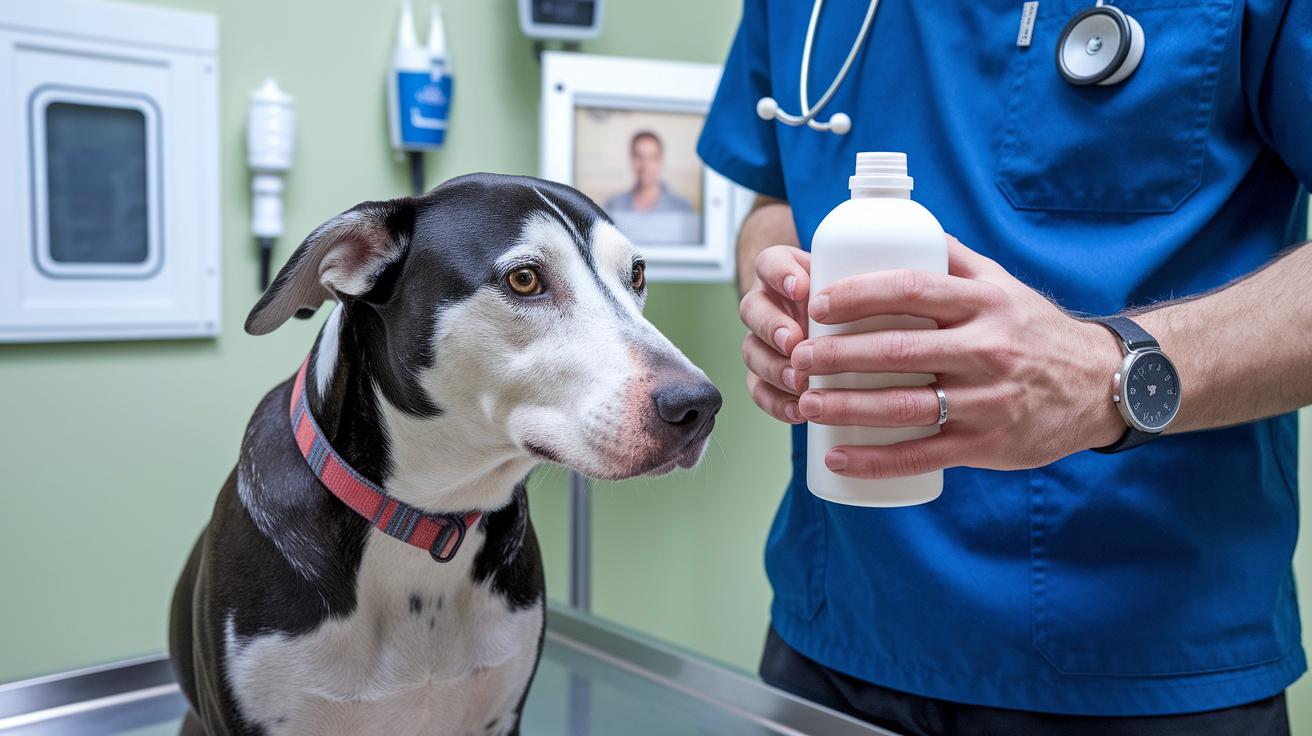
Caring for a dog with kidney disease is a team effort between you and your vet. Regular checkups give you a chance to see how your furry friend is doing and adjust their meal plan when needed. This hands-on approach makes sure every part of your pet’s nutrition supports their kidney health and overall well-being.
Your vet will likely run blood and urine tests every three to six months. These tests show how far the disease has progressed and help decide if changes, like adding phosphorus binders (substances that lower phosphorus levels), are needed. Fluid therapy and a close look at your pet’s water intake are also key. They help prevent dehydration and make sure toxins are flushed out.
Sometimes, your vet might suggest supplements such as B vitamins, omega-3 fatty acids (good fats that help keep your pet healthy), and potassium. These are added based on your pet’s test results. Even small adjustments, like slightly changing meal portions or slowly introducing a vet-recommended kidney diet, can lower the load on your pet’s kidneys.
Regular chats with a veterinary nutritionist can make a big difference, too. Their evidence-based advice keeps your pet’s diet on track, so you can see your dog enjoy a healthier, happier life.
Final Words
In the action, we reviewed how special dog food for kidney disease supports overall canine health. We broke down the balance of vital nutrients and compared commercial versus homemade options.
We also explored safe transitions to kidney-friendly diets with expert guidance from veterinarians. With clear steps and practical tips, caring for your pet’s kidney health becomes manageable and rewarding. Here’s to more happy, healthy days for your faithful companion!