

Ever notice that your dog's food might hold the secret to a happier, more energetic pup? Weight management food is made with lean proteins, fibers, and lower fats (which means fewer extra calories that your pet doesn't need) to help keep your buddy fit and full of life.
Vets have put these recipes to the test, and they've found that a small switch in the bowl can lead to big benefits for your furry friend. Have you ever seen your pup's tail wag a little faster at mealtime? A balanced diet can turn feeding time into a moment of joy and better living for your loyal companion.
Top Vet-Approved Weight Management Dog Food Options
Veterinarians and their teams tested these recipes with great care. They handpicked options that pack a healthy dose of fiber (good for keeping your pup full), a moderate amount of protein to help build lean muscle, and low fat for fewer calories. Each food fits the sweet spot of roughly 30–40% protein, 10–20% fat, less than 30% carbohydrates, and between 6–12% fiber.
Here’s a closer look:
| Product | Format | Calories (per cup) | Protein | Key Feature |
|---|---|---|---|---|
| Product Alpha | Dry | 290 kcal | 32% | High fiber for lasting satiety |
| Product Bravo | Dry | 310 kcal | 30% | Lower calorie count with a balanced taste |
| Product Charlie | Wet | 280 kcal | 33% | Moist meal that aids digestion |
| Product Delta | Dry | 300 kcal | 31% | Boosted with L-carnitine for better fat burning |
| Product Echo | Dry | 295 kcal | 34% | Grain-free for sensitive tummies |
| Product Foxtrot | Wet | 305 kcal | 30% | Mild, easy-to-chew meal for quick nutrient uptake |
| Product Golf | Dry | 285 kcal | 32% | Low fat with extra fiber to help control portions |
Imagine your pup’s tail wagging with excitement at mealtime. These options, chosen by pet care experts, offer a balanced, calorie-smart meal that helps keep your furry friend fit and cheerful. Have you ever noticed how a well-chosen meal can brighten your pet’s day?
Nutritional Profile of Effective Weight Management Dog Food

Good weight management dog food should have a nice balance of protein, fat, and carbs. Aim for about 30-40% protein, 10-20% fat, and less than 30% carbs. This blend helps keep your pup’s muscles strong while shedding extra fat. Plus, foods packed with easy-to-digest fibers keep the tummy happy and feeling full longer. Imagine a meal where every bite helps keep things smooth and gentle on the belly.
Dropping your dog's daily calories by 10-20% below what they normally need is key for a safe weight-loss of about 1-2% of their body weight each week. It’s like setting a little calorie goal that still lets them enjoy tasty meals without going overboard. This approach follows solid pet nutrition advice while keeping mealtime fun and effective.
When tweaking your pup's diet, aim for these nutrient goals. Use a kitchen scale or a measuring cup to dish out exact portions, making sure each meal helps your pet lose weight gradually and safely. This calorie-smart plan keeps your furry friend happy, energetic, and steadily moving toward a healthier weight.
Key Ingredients in Weight Management Dog Food
Lean proteins like chicken, turkey, and fish are the essential building blocks your pup needs. They help keep those muscles strong and lean and cut down on extra fat. Imagine serving your dog a meal where a juicy slice of turkey takes center stage, sparking energy and repairing muscles, it's as delightful as it sounds.
Soluble fibers, such as beet pulp and psyllium, work like a natural feeling of fullness by slowing down digestion. This means your furry friend stays satisfied for longer, just like you might feel after a warm bowl of oatmeal on a crisp morning. It’s a simple way to help prevent overeating without any fuss.
Low-glycemic carbohydrates, whether from whole grains or grain-free alternatives, provide a slow, steady burst of energy without any crazy sugar spikes. They join forces with helpful ingredients like L-carnitine (which supports fat burning) to keep your dog active and healthy. Omega-3 fatty acids, along with taurine, vitamins, and minerals, round out the mix by soothing inflammation and boosting overall well-being.
Feeding and Portion Control Guidelines for Weight Management Dog Food
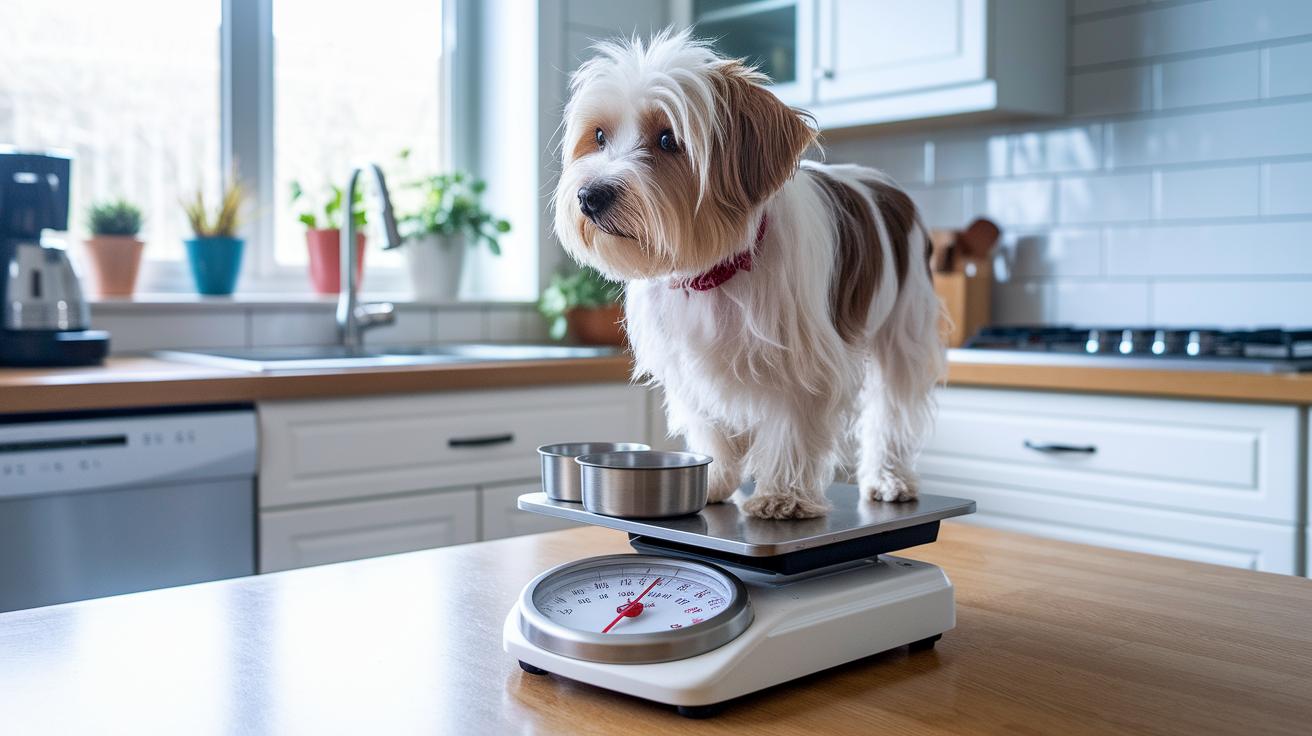
Start by figuring out your dog's daily calorie needs based on their ideal weight. Then, cut their current food amount by 10 to 20 percent to help them shed about 1 to 2 percent of their body weight each week.
Follow these friendly steps:
- Figure out your pet's calorie needs using common, reliable formulas.
- Reduce their current calorie intake by 10–20 percent for a gentle, steady weight loss.
- Use a kitchen scale or measuring cup for accuracy, like you would when measuring ingredients for your favorite recipe, because every measured scoop matters.
- Serve meals twice a day using either low-calorie kibble or carefully measured portions.
- Check your dog's weight and how they look each week.
- If weight loss seems to stall, adjust their meal size by another 5–10 percent.
These simple tips mix nutritional advice with everyday meal prep ideas, making it easier to help your canine companion stay healthy and happy.
Homemade Weight Management Dog Food Recipes and Meal Plans
Cooking your dog's meals at home means you control every bite. It lets you pick lean proteins like turkey or chicken, toss in fresh green beans and carrots, and add easy carbohydrates like sweet potato or brown rice (a good mix of vitamins, minerals, and proteins). This careful approach helps keep your pup’s calories just right.
For example, if your small 15 lb buddy needs about 350 calories a day, try this plan:
- Breakfast: 50 g of cooked turkey with 30 g of steamed green beans (about 175 calories)
- Dinner: 60 g of boiled chicken with 40 g of sweet potato (about 175 calories)
Check out more ideas at homemade dog food for weight loss.
These meal ideas follow AAFCO nutrient profiles (guidelines to ensure balanced pet nutrition). A little daily multivitamin or mineral boost can also help your dog get all the goodies they need for maintaining a healthy weight.
This DIY style gives you exact control over calories, and you can tweak meals as your dog's needs change. It’s a simple, caring way to support lean muscle and make mealtime a delightful moment for both of you.
Comparing Top Rated Commercial Weight Management Dog Food Brands
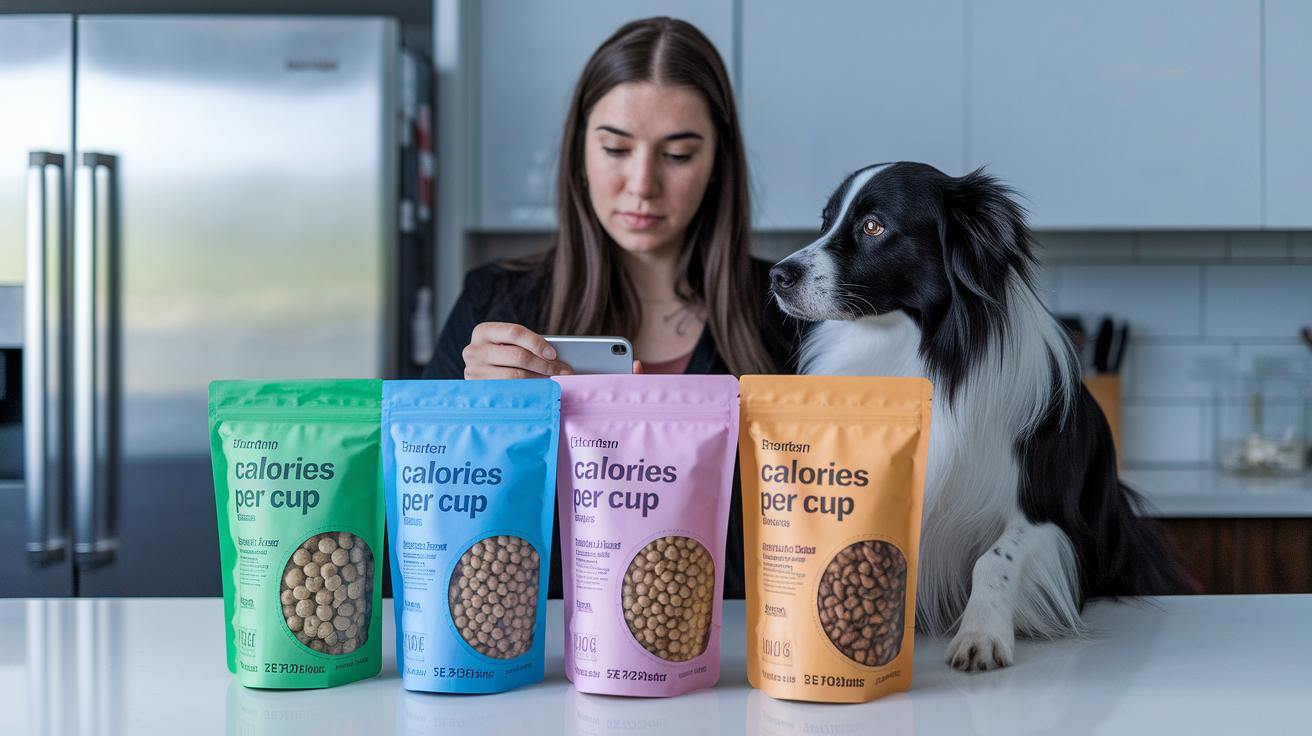
When you're choosing a lean pet food, it's smart to check out the calorie count and the mix of nutrients. These foods are packed with proteins (which help build muscle), fibers (for smooth digestion), and fats (for energy) to keep your dog both strong and satisfied. For example, Hill’s Science Diet Light has 295 calories per cup – a choice that fuels active pups without too many extra calories.
These vet-recommended foods offer plenty of protein to help fix up muscles, while keeping the fat low so your dog avoids extra calories. Picture a meal plan where every serving is just right – like Purina Pro Plan Weight Management, which gives 320 calories per cup and 30% protein to nourish every bite.
Check out the table below to compare calories per cup, protein, fiber, fat, and cost per pound. Even small details count, like how Royal Canin Satiety Support offers 20% fiber, helping your furry friend feel full for longer.
| Brand | Calories/Cup | Protein (%) | Fiber (%) | Fat (%) | Price ($/lb) |
|---|---|---|---|---|---|
| Hill’s Science Diet Light | 295 | 27 | 18 | 9 | 2.50 |
| Purina Pro Plan Weight Management | 320 | 30 | 12 | 8 | 2.30 |
| Blue Buffalo Healthy Weight | 330 | 25 | 15 | 7 | 2.80 |
| Royal Canin Satiety Support | 278 | 33 | 20 | 10 | 3.00 |
Expert Guidance on Integrating Weight Management Dog Food into Your Dog's Lifestyle
Making small, steady changes over time can really help your furry friend stay fit. Start by switching up the dog food gradually and pair it with about 30 minutes of moderate exercise each day. If your dog isn’t very active yet, try slowly adding a few extra minutes. Sometimes, pet parents even enjoy a short walk right after meals to keep those tails wagging and the energy high.
Stick to a consistent feeding schedule by giving meals at the same times every day. You might also try using puzzle feeders or fun, interactive toys during mealtimes so your pet stays mentally sharp without begging for extra treats. I like to weigh my dog and check their body condition every two weeks. This helps you see little changes and adjust meal portions if your pup isn’t shedding any extra weight as expected.
Before you mix in any new supplements like L-carnitine or omega-3s (which, by the way, can help support a healthy metabolism when used correctly), it’s a smart move to chat with your veterinarian. They can recommend the right doses while considering important factors like spay or neuter status, hormones, or any underlying health issues. Keeping all these details in mind really adds to a balanced plan for your pet.
By blending simple dietary tweaks with regular exercise and playful mental activities, you’re setting a great course for your dog to be active, happy, and on track for safe weight loss.
Final Words
In the action, this post walked through vet-approved options, balanced nutrition guidelines, key ingredients, proper portion control, yummy homemade recipes, top commercial brands, and expert tips to boost your pet’s health.
We explored how choosing the right weight management dog food and following simple, proven routines can make all the difference.
Every step was shared like advice for a longtime friend, with genuine care and practical tips to help your furry friend live their healthiest, happiest life.
FAQ
What do weight management dog food reviews reveal?
Weight management dog food reviews reveal top formulas chosen by expert panels, highlighting balanced fiber, protein, and calorie control to support satiety and lean muscle support.
What is the best weight management dog food to help a dog lose weight?
The best weight management dog food blends high-fiber ingredients with moderate protein and low fat, promoting fullness and safe, gradual weight loss while preserving muscle mass.
How is vet recommended dog food for weight loss chosen?
Vet recommended dog food for weight loss is chosen based on precise macronutrient profiles—balanced calories, fiber, and protein—to support safe weight loss under expert clinical guidance.
What are the options for weight management dog food without chicken?
Weight management dog food without chicken uses alternative lean proteins like turkey or fish, paired with high-fiber ingredients to provide balanced nutrition for pets with sensitivities.
What should I know about dry weight management dog food?
Dry weight management dog food, typically in kibble form, delivers controlled calorie portions and balanced nutrients, enriched with fiber to help pets feel full while maintaining lean body mass.
What weight management options work best for small breed dogs?
Weight management dog food for small breeds features appropriate portion sizes with calorie control and high-quality nutrients, ensuring effective weight loss and energy for petite, active pets.
How does Royal Canin weight management dog food support weight loss?
Royal Canin weight management dog food supports weight loss by offering lean proteins, targeted fibers, and low-calorie formulas that help pets stay full and gradually shed extra pounds under veterinary guidance.
How does Purina weight management dog food perform in promoting weight loss?
Purina weight management dog food performs well by providing controlled calories, moderate fat, and sufficient protein, aiding safe weight loss and muscle maintenance in overweight pets.
Does weight management dog food really work for slimming dogs?
Weight management dog food works by reducing calorie intake and increasing fiber for long-lasting fullness while balancing key nutrients, resulting in gradual and safe fat loss when combined with proper exercise.