

Have you ever thought that your dog’s bowl might be hiding a secret to more energy? Special prescription dog food can give your furry friend a noticeable boost. It has a mix of good-for-you nutrients (think essential vitamins, minerals, and proteins) that help tackle issues like extra weight and kidney care.
Many pet parents have seen their pups perk right up, as if someone had flipped a switch from sleepy to lively. Vets recommend this kind of food because science shows it really works. And, honestly, it feels like watching your best buddy light up when things are looking up.
So, why not give it a try? It might just be the change that lifts not only your pet’s energy but even their spirit.
Understanding Prescription Dog Food: Veterinary-Backed Specialized Diets
Prescription dog food is a special kind of meal made just for dogs with unique health needs. It comes with the perfect blend of nutrients to help manage issues like obesity and kidney problems (which sometimes need extra care). And yes, you can only get it with a veterinarian's prescription, ensuring your furry pal gets exactly what they need. Fun fact: many dogs seem to perk right up when they switch to these carefully crafted diets.
Vets truly stand by these diets, backing them up with solid scientific research and real-world feeding trials. One national survey of 16,000 veterinarians even ranked these meals as the best fresh-food option around. With recipes that follow strict standards, these dog foods have been shown in clinical studies to really help in managing several common conditions.
Here are some of the major issues these diets address:
| Condition | How It Helps |
|---|---|
| Obesity | Helps lower excess body fat for a healthier, longer life |
| Urinary Stones | Contains ingredients that reduce the risk of stone formation |
| Renal Disease | Uses lower phosphorus levels to ease kidney strain |
| Allergies | Makes use of hydrolyzed proteins to lessen food sensitivities |
| Gastrointestinal Issues | Offers balanced fiber to support smooth digestion |
Vet-approved meal plans do more than just offer a tailored mix of nutrients, they help keep your dog full of energy and life. The fresh-food approach is designed to stimulate even the pickiest of eaters, with recipes that shine under the watchful eye of veterinary nutrition experts. When your vet says it’s a good idea, you know it’s a trustworthy way to boost your dog’s overall well-being while tackling specific health challenges head on.
Conditions Treated by Prescription Dog Food

Prescription dog food can give your furry friend the extra boost they need by focusing on specific health issues. It uses a mix of just-right ingredients, kind of like a well-thought-out recipe, to help manage concerns from kidney stress to skin irritations.
For instance, if your dog suffers from kidney troubles, a food with less phosphorus can ease their kidneys while still giving them important nutrients. If urinary stones are a worry, foods with adjusted minerals and extra moisture help keep things flowing. Managing weight can be easier too, with meals that control calories and balance fats. For pets with allergies, a special protein treatment makes meals gentler on their tummy. And if your dog struggles with digestion, a mix of balanced fiber and soft ingredients can support a smoother digestive process. Lastly, when it comes to skin issues, omega fatty acids can nourish the skin and brighten the coat.
- Kidney Disease – Meals with low phosphorus help ease kidney work while supplying vital nutrients.
- Urinary Stones – Foods with adjusted minerals and extra moisture boost urinary health.
- Obesity – Diets with controlled calories and balanced fats support a healthy weight.
- Allergies – Specially treated proteins reduce food sensitivities.
- Gastrointestinal Issues – Gentle ingredients and balanced fiber help your pet digest comfortably.
- Skin Issues – Omega fatty acids nourish skin and improve coat shine.
| Condition | Key Dietary Feature |
|---|---|
| Kidney Disease | Low-phosphorus formula to ease kidney stress |
| Urinary Stones | Adjusted minerals and high moisture for urinary support |
| Obesity | Controlled calories and balanced fats for weight management |
| Allergies | Specially treated proteins to minimize food sensitivities |
| Gastrointestinal Issues | Gentle ingredients and balanced fiber for smooth digestion |
| Skin Issues | Omega fatty acids to nourish skin and enhance coat shine |
Before trying a new diet, it’s a good idea to chat with your vet.
Looking for more advice? Check out these holistic pet weight management tips.
Ingredients and Nutrient Profiles in Prescription Dog Food
Prescription dog food is made to fit your pet's unique health needs. Every recipe is crafted with care, with just the right balance of protein, fat, fiber, and moisture. This careful mix gives your dog plenty of energy, helps repair their tissues, and supports important functions like kidney care and healthy skin.
When you break it down, high-quality protein builds and repairs muscles. Lower fat levels help control weight while still giving lasting energy. Fiber works gently to keep digestion smooth, and moisture-rich options help keep your pet well-hydrated for a healthy urinary system. It’s reassuring to know that all these nutrient ratios have been tested in studies and feeding trials.
| Ingredient Type | Primary Function | Health Benefit |
|---|---|---|
| Fiber | Helps digestion | Smooth gut routine |
| Protein | Builds tissues | Stronger muscles |
| Fat | Boosts energy | Manages weight |
| Moisture | Keeps hydrated | Supports urinary health |
Each ingredient is chosen with transparency and a commitment to quality. Clinical trials back up that these balanced nutrients help regulate metabolism, support kidney function, and promote healthy skin. This clear, evidence-based approach means every bag meets the highest standards for your pet’s well-being.
Top Brands and Specialized Formulas for Prescription Dog Food
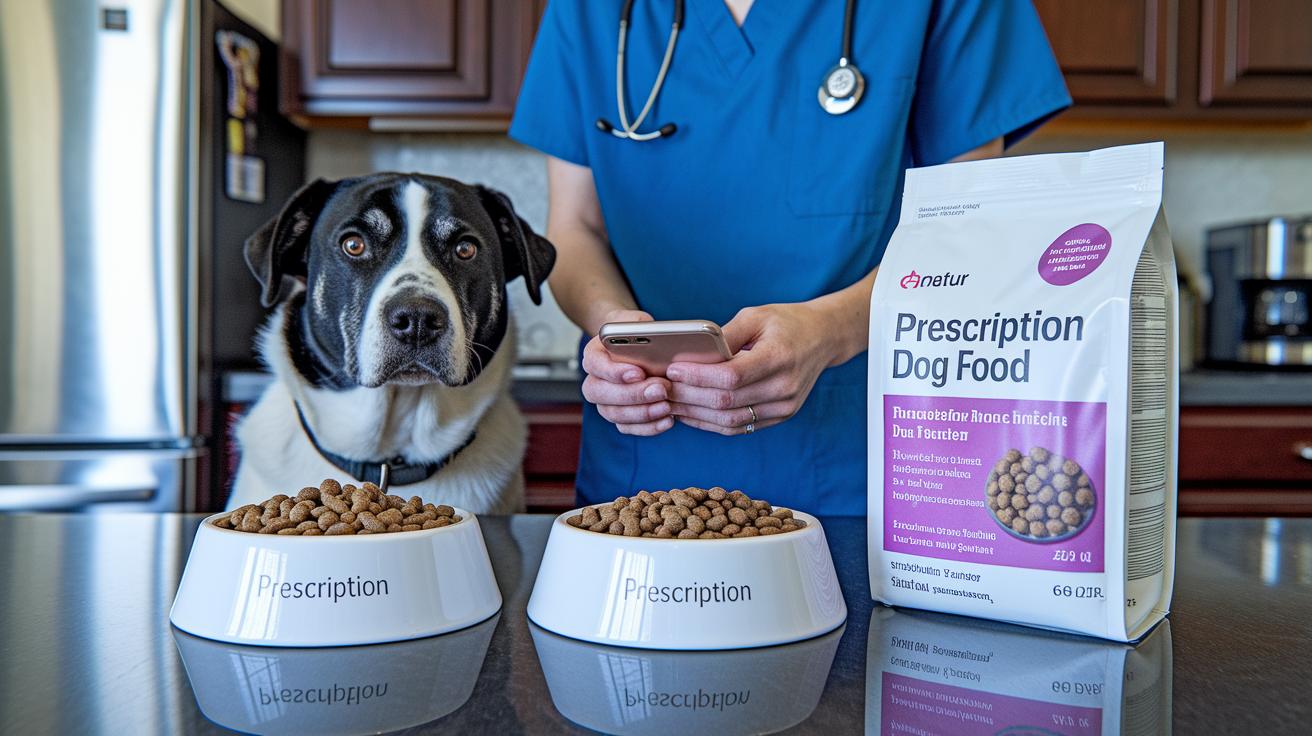
Prescription dog food is designed to support your pet's specific health needs and boost their energy. These specially crafted recipes offer a balance of nutrients that can help manage various conditions while still appealing to even the pickiest eaters.
Hill’s Veterinary Nutrition
Hill’s stands out with formulas like their kidney diet, which are meant to ease kidney strain while providing vital nutrients (think of it as giving your dog gentle support during challenging times). Backed by solid research and countless feeding trials, Hill’s is all about helping your pup maintain a happy, active life. Imagine your dog feeling relieved from kidney worries and ready for play, that’s the magic of tailored nutrition.
Royal Canin Specialized Formula
Royal Canin focuses on delicate health issues, especially urinary health, with formulas that come in several flavors. This means even the most finicky dogs might enjoy mealtime thanks to an inviting aroma and enhanced taste. If your dog sometimes turns up their nose at food, the appealing flavors in Royal Canin’s urinary line might be just what they need to get excited about eating again.
Purina Clinical Diet Solutions
Purina offers a unique option with their hydrolyzed protein formulas, which work wonders for dogs with food sensitivities or tummy troubles. These diets, supported by thorough clinical trials, not only help manage conditions but also come in high-moisture canned options that boost flavor and enhance appetite. It's like giving your dog a refreshing meal that also cares for their health.
When you're choosing a brand, think about both the health benefits and what makes your dog’s taste buds happy. Comparing reviews and clinical studies can guide you to the best choice for keeping your furry friend vibrant and healthy.
Transitioning and Feeding Guidelines for Prescription Dog Food
When you’re switching your dog to a new, special diet, taking it slow makes all the difference. For the first two days, mix one-quarter of the prescription food with three-quarters of your dog’s usual meal. Then, on days three and four, blend half prescription food with half of the regular food.
Over the next two days (days five and six), let 75% of the meal be the new prescription food while cutting back on the old food. By days seven and eight, nearly all of the meal should be the prescription food, leaving only a small bit of the older diet. Finally, from day nine onward, serve only the prescription food.
It’s really important to control portions during this switch. Weight-based dosing (which means adjusting the food amount based on your dog’s current weight) helps you serve just the right amount. Keeping mealtimes consistent with two or three set portions makes the transition smoother and helps your dog feel secure.
Don’t forget to keep in touch with your vet while making these changes. Regular weight checks and simple lab tests can ensure the new diet is working well, and your vet can offer advice to keep your furry friend happy and full of energy.
Purchasing and Cost Considerations for Prescription Dog Food

When it comes to picking the right prescription dog food, you can expect prices to fall between $2 and $5 per pound. Online ordering is handy, some sites ask you to upload your pet’s prescription and might even send sample packs so you can see if your furry friend likes it before you commit.
You might also find these special diets at vet clinics and pet stores. These places not only offer advice from professionals but also ensure you’re getting food that meets strict FDA safety guidelines (rules set by the U.S. Food and Drug Administration to keep pet food safe). Comparing costs can really help you make the best choice without breaking your budget.
- Online ordering: Look for easy-to-use websites with clear instructions and sample offers.
- Try sample packs to check if your pet enjoys the food.
- Visit vet clinics where you can get expert tips on the best option.
- Consider different types, like fresh or shelf-stable foods, to find what fits your needs.
- Hunt for coupons and discounts to save money.
- Always check expiration dates to ensure freshness and full nutritional benefits.
You might also consider generic options. These usually offer the same health benefits as name-brand foods but at a more budget-friendly price. Many pet clinics and specialty stores carry these alternatives. By comparing prices and keeping an eye out for special deals, you can stick to a plan that’s good for both your pet’s health and your wallet.
Collaborating with Veterinarians and Nutrition Experts
Getting help from the pros is key when you want to boost your pet's energy, especially with prescription dog food. Your vet and a nutrition expert can create a tailor-made diet plan so your pup gets just the right mix of nutrients (think of it as the perfect recipe for a healthy life). They keep a close eye on your pet's progress and adjust the plan as needed, which can really make a difference.
Here are a few ways they can help:
- Teleconsults: Quick online chats with your vet let you adjust your pet's diet plan on the spot.
- Nutritionist referrals: These experts design custom meal plans that fit your dog's unique needs.
- Regular lab checks: Routine tests help track your pet’s progress and catch any issues early.
- Symptom tracking: Keeping an eye on changes in behavior or appetite means you can update the plan quickly.
Staying in touch is super important. Scheduling follow-ups and using telemedicine options, like the vaccine clinic for dogs at this link, means you can address any changes in your dog's health right away. Whether you’re fine-tuning enzyme supplements or just checking in on your pup’s overall well-being, working closely with these experts builds a solid foundation for a diet that not only meets nutritional needs but also keeps your furry friend energetic and thriving.
Final Words
In the action, we explored how prescription dog food works, its vet-backed research, and the step-by-step process of smooth transitions, feeding guidelines, and budget-friendly choices.
We also touched on matching specialized formulas to your pet’s unique needs and keeping up with the latest in pet nutrition. Every piece of advice is backed by practical research so you can feel confident in making choices that boost your pet’s health and overall happiness. Enjoy every tail wag and purr along the way.
FAQ
What are prescription dog food brands?
Prescription dog food brands include names like Hill’s, Royal Canin, and Purina. They offer specially formulated diets to help manage health issues such as kidney disease and allergies.
What does Royal Canin prescription dog food offer?
Royal Canin prescription dog food provides tailored formulas that target specific health concerns, such as urinary issues and weight management, and are backed by veterinary research.
Can I buy prescription dog food without a vet prescription?
Purchasing prescription dog food without a vet’s order isn’t allowed. A veterinarian must prescribe the food to ensure your pet receives a diet that meets its health needs.
Which prescription dog food is considered the best?
The best prescription dog food depends on your pet’s unique health condition. Your veterinarian will help select a formula that matches your dog’s specific dietary requirements.
What does Purina offer in prescription dog food?
Purina offers prescription dog food formulas that target issues like gastrointestinal sensitivities and allergies. Their products are designed with balanced nutrition and clinical support in mind.
What are the benefits of wet prescription dog food?
Wet prescription dog food provides extra moisture and hydration while delivering balanced nutrients, which is ideal for pets that require a diet tailored to manage specific health concerns.
How do I find prescription dog food near me?
Finding prescription dog food near you usually involves visiting veterinary clinics, pet specialty stores, or browsing online retailers that require a veterinarian’s prescription.
How does Chewy handle prescription dog food?
Chewy offers prescription dog food through its online platform, where a veterinarian’s prescription is required to complete the purchase, making it a convenient option for pet owners.
Do I really need a prescription to buy prescription dog food?
A prescription is necessary for purchasing prescription dog food because it verifies that a veterinarian has evaluated your pet’s health condition and selected the appropriate therapeutic diet.
Are prescription dog foods worth it?
Prescription dog foods are valuable as they provide scientifically backed formulas designed to treat specific health issues and support your pet’s overall well-being through specialized nutrition.
Which prescription dog food should I choose?
Choosing the right prescription dog food depends on your dog’s health needs. Your veterinarian will consider factors like medical history and dietary requirements before recommending a formula.
Do any pet insurances cover prescription food?
Some pet insurance policies may help cover the costs of prescription food. It’s a good idea to review your plan or contact your provider to find out if prescription diet expenses are included.